
The quiet closure of NASA’s largest research library might have sounded like an internal housekeeping decision. Instead, it has rapidly become a test case for how far the Trump administration is willing to go in reshaping the country’s scientific infrastructure, and how little transparency it is prepared to offer in the process. What began as a single facility shutdown at the Goddard Space Flight Center is now tied to broader budget cuts, looming lab closures, and a growing revolt among scientists who see irreplaceable knowledge at risk.
At stake is not just one building in Maryland, but the integrity of NASA’s institutional memory and the norms that have long governed how the United States treats its scientific archives. As more details emerge about staffing cuts, plans to toss out physical materials, and the scale of the administration’s cost-cutting agenda, the controversy is widening into a full-blown scandal over priorities, process, and power.
From “merger” to mass disposal
NASA has framed the decision as a consolidation, describing the move as a “merger” of its largest library rather than a straightforward shutdown, and arguing that the change will save approximately $10 million in response to a cut to NASA’s overall budget. That language, on its face, suggests a tidy administrative reshuffle. Yet the same decision puts thousands of unique documents at risk, including materials that exist only in physical form and have never been digitized, which is why critics see the cost savings as dangerously short sighted rather than prudent stewardship of public funds, according to reporting on the planned library merger.
On the ground, the picture looks even less like a gentle consolidation and more like a rapid dismantling. Local coverage describes staff being told that materials would be boxed up and, in many cases, simply thrown away, with “tens of thousands” of books, documents, and journals potentially headed for the trash rather than a new home. One detailed account warns that the move may endanger “tens of thousands” of items that have not been digitized or microfilmed, underscoring that this is not just about shelving space but about the survival of primary research sources, as highlighted in an analysis of how the closure may endanger collections.
Goddard’s loss and the human toll
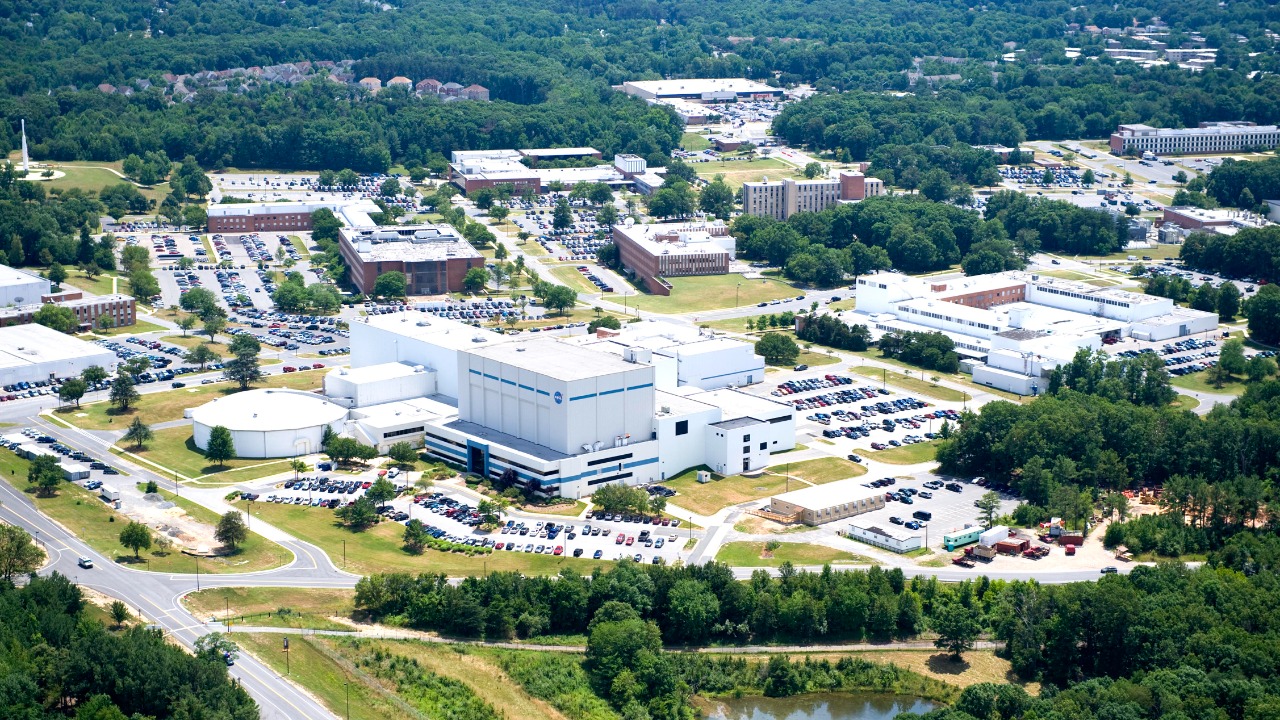
The facility at the heart of the controversy is based in NASA’s Goddard Space Flight Center, the sprawling research campus in Maryland that has anchored some of the agency’s most important Earth science and space missions. The library there has long served as a central hub for engineers, scientists, and contractors who rely on specialized technical reports and obscure historical data to design instruments, troubleshoot anomalies, and interpret decades of observational records, a role underscored in coverage of the closure at Goddard Space Flight.
For the people who work there, the shutdown is not an abstract budget line. Local reporting describes staffing cuts alongside the closure, with employees told that materials are “set to be tossed away,” a phrase that has become a rallying cry among critics who see the move as cavalier toward public property and scientific heritage. The same accounts describe how the decision landed with little warning, leaving librarians and researchers scrambling to understand which collections might be saved and which would be lost, as detailed in a report on Trump closing NASA’s largest library “along side” staffing cuts and materials set to be.
Scientists push back on NASA’s spin
Inside the agency, the official line has been that the holdings will be carefully reviewed and preserved where possible. A NASA spokesman, Jacob Richmond, has said the agency will review the library holdings over the next two months, a timeline that suggests a methodical process but also raises questions about how such a vast collection can be evaluated so quickly. His comments, shared in a public discussion about the closure, have done little to calm fears among researchers who worry that the review will be cursory and that irreplaceable material will slip through the cracks, as reflected in remarks attributed to Jacob Richmond.
NASA administrator Jason Isaacman has also tried to reassure the scientific community, releasing a statement on social media about the library closing that emphasized digital access and future search tools. Yet his own comments acknowledged that the change will make finding information harder in the future, a concession that undercuts the narrative of a seamless transition and reinforces the sense that the agency is accepting a degradation of service as the price of budget compliance. Researchers quoted in coverage of the closure in Maryland describe being “dismayed” and warn that the loss of on-site expertise and physical collections will slow their work, concerns captured in reporting on how researchers are dismayed.
A budget squeeze with national implications
The library shutdown does not exist in a vacuum. It is unfolding against the backdrop of an aggressive effort by the White House to shrink NASA’s footprint, including a proposed fiscal 2026 budget that cuts NASA’s overall funding by 24 percent and slashes science funding by 47%. Union leaders have warned that the same proposal would reduce the NASA workforce by 35 percent, a scale of downsizing that would inevitably force hard choices about facilities, programs, and support services, as laid out in a detailed critique of how the administration’s plan would slash NASA budget.
Independent analysis has underscored just how dramatic the shift has been. A report by spaceflight-dedicated nonprofit The Planetary Society concludes that 2025 marks the smallest NASA budget since 1961 when adjusted for inflation, even as the agency is tasked with some of its most ambitious missions. That same assessment notes that NASA remains one of the federal government’s most productive, successful, and broadly supported activities, which makes the decision to target it for such deep cuts all the more striking, as highlighted in the finding that The Planetary Society sees 2025 as the smallest NASA budget since.
Why the scandal is still growing
What turns a controversial closure into a widening scandal is the pattern that emerges when the Goddard decision is placed alongside other moves. Earlier reports describe how the Trump administration has already shut down one of NASA’s largest research libraries and is now, by March of this year, hoping to shutter over a dozen buildings and more than 100 labs at NASA centers, a scale of restructuring that goes far beyond a single campus. Critics argue that this is part of a broader effort by Trump to weaken the agency’s scientific capacity under the radar, using targeted cuts and quiet facility closures rather than high profile program cancellations, a concern reflected in coverage of how, by March of this year, more than 100 labs could be closed under Trump administration actions.
Inside NASA, veterans have been unusually blunt. Longtime staff at the Goddard Space Flight Center in Maryland have described themselves as “disgusted” by plans to shut down its largest library, warning that the move will cripple access to NASA’s archives and undermine ongoing missions that depend on historical data. Their anger is compounded by parallel reports that the Trump administration is quietly dismantling the GSFC campus more broadly, with staff horrified at plans to throw out incredibly specialized science equipment as large swathes of the government remain unfunded, as detailed in accounts of how NASA veterans at Goddard Space Flight and staff watching equipment thrown out describe the situation.
Political ownership and what comes next
Politically, the ownership of the decision is clear. The Trump administration has reportedly closed down NASA’s largest research library, with The Trump White House driving the broader budget strategy that made the shutdown almost inevitable. Coverage of the closure notes that The Goddard Spac facility is emblematic of how the administration’s priorities are playing out on the ground, turning an abstract debate over deficits into a concrete loss for scientists and the public, as reflected in reporting that The Trump move shuttered NASA’s largest library.
Union statements and internal memos suggest that the controversy is unlikely to fade quickly. According to a statement posted on the website of the Goddard Engineers, Scientists and Technicians Association, staff have warned that books will be tossed away and that the closure will harm NASA’s ability to support its critical mission, language that signals a potential labor flashpoint as well as a scientific one. As more details emerge about how the shutdown was executed and what will happen to the collections, the story is shifting from a niche concern about library science into a broader referendum on how the United States treats its most valuable scientific institutions, a shift captured in the union’s warning from the Goddard Engineers, Scientists.
More from Morning Overview