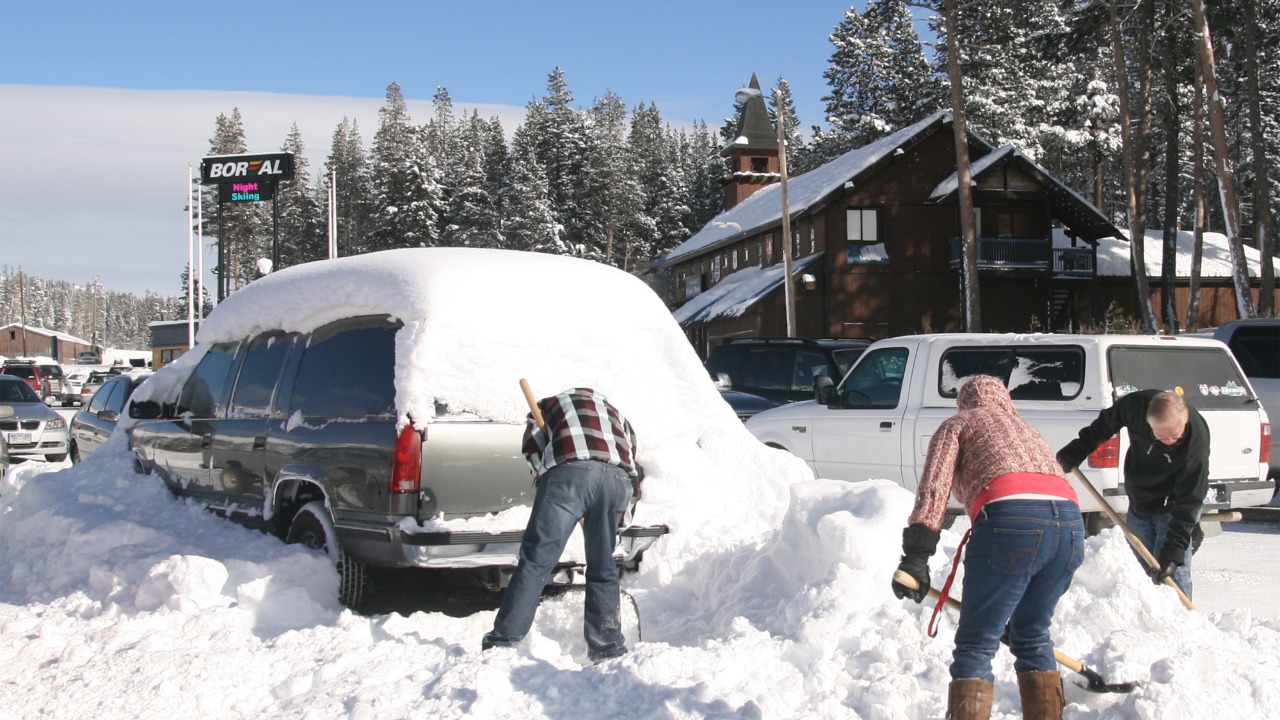

Millions of Californians are preparing for a spell of cold that feels more like Denver than Daly City, a sharp break from the state’s usual winter pattern of rain and mild nights. Forecasts point to temperatures plunging well below seasonal norms across inland valleys and coastal hills, with some communities bracing for readings at or below freezing for several nights in a row. For a region built around the expectation of gentle winters, the coming chill is less a novelty than a stress test of housing, infrastructure and social safety nets.
What makes this outbreak stand out is not just the numbers on the thermometer, but how unprepared many homes, roads and vulnerable residents are for sustained cold. From the San Francisco Bay shoreline to the Central Coast, local agencies are racing to open shelters, protect crops and warn residents who may never have had to think seriously about frostbite or frozen pipes. The rare pattern is already forcing hard choices about where to deploy limited resources and who gets help first.
The first extreme cold watch for the Bay Area
For the Bay Area, the most striking development is the issuance of a brand‑new extreme cold watch, a designation that did not exist in local weather vocabulary until this winter. Meteorologists created the alert to flag a combination of overnight lows, wind and duration that could threaten life and property in a region where many homes lack proper insulation or fixed heating. The watch covers large swaths of the urban core and surrounding valleys, signaling that the coming nights will be far outside the norm for the Bay Area. Officials describe the move as a way to cut through complacency in a place better known for fog than frost.
Behind the new alert is a forecast that covers more than 4,000,000 people across California, stretching from the North Bay interior to the Central Coast. The extreme cold watch warns that the air mass will be cold enough to damage local food supply, stress infrastructure and create dangerous conditions for anyone without reliable shelter. In practical terms, that means frost on bridges that rarely ice over, brittle water lines in older buildings and a spike in demand for emergency warming centers that cities are scrambling to meet.
Millions at risk, from unhoused residents to outdoor workers
The human stakes of this pattern are clearest among people who sleep outside or in vehicles, and among workers who spend long hours outdoors. The extreme cold watch explicitly notes that “Cold conditions will be hazardous to sensitive populations such as unhoused individuals,” a warning that applies across inland valleys and coastal communities where overnight lows are expected to sink into the 20s and low 30s Fahrenheit. For the more than 4,000,000 residents inside the alert area, the combination of low temperatures and wind could turn routine commutes or late‑night shifts into genuine health risks, particularly for older adults and those with chronic illnesses, according to the Cold advisory.
Health experts stress that the danger threshold arrives well before the kind of subzero readings associated with the Midwest. Guidance tied to the same alert notes that temperatures of 35 degrees Fahrenheit or colder can be hazardous for people and for outdoor pets, especially when exposure lasts for hours. That risk is magnified for those who work nights in agriculture, construction or logistics, and for families living in RVs or garages that lack proper heating. The warning that “Temperatures that are 35 degrees Fahrenheit or colder can be dangerous” is embedded in the broader message that this is not a typical West Coast chill, but a pattern that demands different behavior from residents and employers, as highlighted in the temperature guidance.
Local governments scramble to respond
City and county agencies are racing to adapt plans that were built around heat waves and wildfire smoke rather than prolonged cold. In parts of the San Francisco Bay Area, officials are opening emergency shelters, extending hours at existing facilities and coordinating transportation so people can reach warm spaces before nightfall. The same local governments that only months ago were focused on wildfire evacuation routes are now mapping out where to deploy blankets, hot meals and medical staff as millions brace for temperatures that will feel even colder with wind at night, intensifying the chill.
On the Central Coast and in interior valleys, emergency managers are also warning about impacts on roads, power lines and water systems. An extreme cold warning for parts of the Bay Area and Central Coast California highlights the risk of icy conditions on highways and local roads that rarely see black ice, as well as potential strain on the grid as heaters run around the clock. The same advisory notes that the pattern follows a year in which America’s infrastructure vulnerabilities, from dams to levees, were already under scrutiny, and that the cold could expose new weak points in systems designed more for drought and heat than for freezing weather.
Front‑line shelters and the limits of capacity
Nowhere are the constraints more visible than in the shelter system. In the Bay Area, outreach workers describe a surge of people seeking a bed indoors as word spreads about the coming cold. One shelter operator explained that “Currently, we do have a full program with a waitlist. However, if someone comes to the door, they would not be turned” away, a reflection of the moral and logistical tightrope that providers are walking as temperatures plunge overnight. That commitment, reported in coverage of how the Bay Area faces its first such warning, underscores how dependent many residents are on a patchwork of nonprofits and city programs that were already stretched thin.
Local networks are trying to expand capacity on the fly, adding cots in community centers and coordinating with churches and other partners to open additional warming sites. Yet the reality is that even with emergency measures, some people will remain outside, relying on donated sleeping bags, hand warmers and improvised insulation in tents or vehicles. For outreach teams, the priority is to identify those at highest risk, including older adults, people with serious mental illness and families with young children, and to move them into whatever indoor space is available before the coldest nights arrive. The strain on these systems is a reminder that climate‑driven extremes, whether heat or cold, tend to hit the same vulnerable groups first and hardest.
Health risks when California is not built for freezing nights
Medical professionals are warning that residents should treat the coming cold with the same seriousness they would bring to a major storm. Stern guidance from emergency physicians emphasizes that frostbite and hypothermia are possible even when air temperatures hover just below freezing, particularly if clothing is wet or wind speeds are high. Sternlicht, M.D., F.A.C.E.P., chairman of the Department of Emergency Medicine at GBMC, has stressed that by observing safety precautions during times of extreme cold, people can significantly reduce the risk of weather‑related health problems, advice that applies as much to California as to the Mid‑Atlantic region where Sternlicht practices.
For Californians, that means rethinking routines that might feel harmless in a typical winter. Doctors advise layering clothing, limiting time outdoors during the coldest hours, and checking on neighbors who may not have adequate heating or mobility. Pet owners are being urged to bring animals indoors or provide insulated shelters, since the same 35‑degree threshold that threatens people can be dangerous for outdoor pets as well. In a state where many homes rely on space heaters rather than central systems, there is also a parallel risk of carbon monoxide poisoning and house fires if residents turn to unsafe heating methods. The health message is blunt: treat this cold spell as a serious event, not a novelty, and adjust behavior accordingly.
A rare pattern that hints at a volatile future
Climatologists are cautious about tying any single cold snap directly to long‑term trends, but the pattern unfolding over California fits a broader picture of increasing volatility. Warmer global averages do not eliminate cold extremes; instead, they can disrupt jet stream patterns in ways that occasionally funnel Arctic air into places unaccustomed to it. For California, that means a future in which residents may have to prepare for deeper droughts, more intense heat waves and, at times, sharp cold spells that test systems built for a narrower range of conditions. The fact that forecasters had to create a new extreme cold watch category for the Why and how of this event is a sign that the old playbook is no longer enough.
Residents are already adapting in small but telling ways. Hardware stores report brisk sales of pipe insulation and weatherstripping, while community groups circulate checklists on how to protect plants, pets and plumbing during freezing nights. In some corners of the state, the conversation about climate resilience is expanding beyond fire‑safe roofs and backup generators to include questions about how to retrofit homes for both extreme heat and unexpected cold. As Jan storms and cold snaps stack up alongside summer heat waves, the lesson is becoming harder to ignore: California’s climate risks are no longer seasonal, and the systems that protect people, from shelters to hospitals to power grids, will have to be ready for swings at both ends of the thermometer.
More from Morning Overview