
One of the world’s best known luxury brands is recalling a huge slice of its U.S. fleet after regulators flagged a flaw in a basic safety feature. Porsche is pulling back more than 173,000 cars and SUVs because their backup cameras can suddenly go dark, a defect that federal officials say raises the risk of a crash when drivers reverse. The move underscores how even high‑end vehicles, packed with software and sensors, can stumble on the fundamentals of visibility and driver assistance.
The recall covers a wide range of models and years, and it is large enough to rank among the brand’s biggest U.S. safety actions. At its core is a simple problem with serious implications: when a driver shifts into reverse, the rearview image may not appear or may cut out, leaving the driver without the view that modern safety rules now expect as standard. I want to unpack what is known about the defect, how regulators and the company are responding, and what it tells us about the state of automotive technology and oversight.
What exactly Porsche is recalling
Porsche has notified regulators that it is recalling 173,538 vehicles in the United States because of a malfunction in their rearview camera systems. Several summaries describe the action as affecting “over 173,000” or “173,000‑Plus” vehicles, but the defect reports specify that precise figure of 173,538, making it one of the largest safety campaigns the brand has undertaken in this market. The affected cars span multiple model lines and years, reflecting how a single software or component issue can ripple across a broad portfolio.
Regulatory filings describe the problem as a rearview camera display that can fail to show the image while the vehicle is in reverse, or that can intermittently go dark, which violates federal visibility standards and, more importantly, deprives drivers of a key aid in spotting obstacles or pedestrians. One technical summary notes that more than 173,000‑Plus vehicles are covered, while another describes the campaign as a move to Recall Over 173,000 Vehicles for Rearview Camera Issue. Some coverage even rounds the scale up to 174,000, but the company’s own defect notice and the National Highway Traffic Safety Administration, or NHTSA, align on 173,538 as the operative number.
The safety risk behind a “simple” camera glitch
On paper, a screen that occasionally goes black might sound like an annoyance rather than a crisis, especially in vehicles that also have traditional mirrors and parking sensors. NHTSA takes a different view. The agency has said that the affected vehicles fail to comply with federal rules requiring that the rearview image be displayed consistently while the car is in reverse, and it has warned that a dark or missing image increases the likelihood of a backing crash. In its defect summary, the regulator stressed that the loss of the camera view can leave drivers without a clear picture of what is behind them at the very moment they are moving backward, a scenario that can be especially dangerous in driveways, parking lots, and tight urban spaces.
That risk assessment is echoed in multiple reports that describe how the camera display can cut out while reversing, with one regulatory summary noting that the failure “could increase the risk of a crash” when the driver expects the system to function. One detailed brief explains that Porsche is recalling 173,538 vehicles because the rearview image can disappear, raising the risk of a collision, while another cites NHTSA’s conclusion that the defect deprives the driver of rearward visibility and therefore heightens crash potential. In other words, this is not a cosmetic glitch in an infotainment screen, it is a failure of a mandated safety system that regulators now treat as fundamental as seat belts or airbags.
How the defect shows up in everyday driving
Owners of the affected models are likely to experience the problem as a blank or frozen display when they shift into reverse, even though the rest of the infotainment system appears to be working normally. In some cases, the image may appear briefly and then vanish, or it may fail to load at all, leaving the driver to rely solely on mirrors and instinct in situations where they have grown accustomed to a wide‑angle camera view. Because the defect is tied to software that manages the driver assistance suite, it can be intermittent, which makes it harder for drivers to predict when the system will fail and can erode trust in the technology overall.
Regulatory documents describe the issue as a rearview camera display problem within the driver assistance software, and one technical note explains that the vehicles’ systems can fail to maintain the video feed while the car is in reverse. A detailed industry analysis notes that Porsche recalls over 173,000 vehicles in the U.S. for a rearview camera display issue, while another summary points out that the defect can cause the rearview cameras to go dark while driving in reverse. The common thread is that the failure is not mechanical in the sense of a broken lens or wiring harness, it is a software‑driven interruption of a safety‑critical video feed.
Which models and years are affected
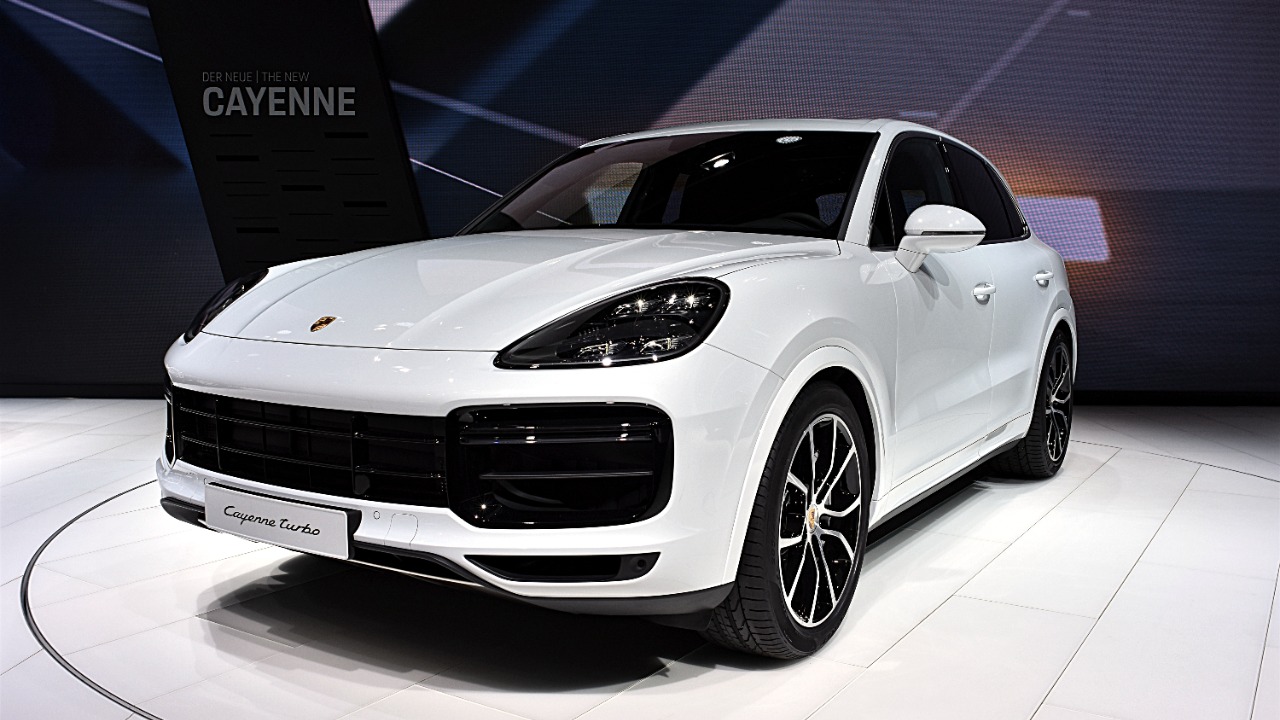
The recall spans a broad swath of Porsche’s modern lineup, including popular SUVs and performance models that share the same underlying driver assistance architecture. While individual reports vary in how they describe the roster, they consistently point to core nameplates such as the Cayenne and other high‑volume models that anchor the brand’s U.S. sales. One report, for instance, illustrates the issue with a Porsche Cayenne SUV at a dealership, underscoring that the problem is not confined to niche sports cars but touches the mainstream of the company’s portfolio.
The affected vehicles are spread across multiple model years, reflecting how a single software platform can be reused and updated across several production cycles. One industry brief notes that Porsche recalls over 173,000 vehicles in the U.S. for a rearview camera display issue tied to its driver assistance software, while another summary describes the campaign as covering “certain vehicles” whose rearview cameras can fail, without limiting it to a single model year. For owners, the most reliable way to confirm whether their specific car is included is to check its vehicle identification number against the recall database, a step that regulators and consumer advocates strongly encourage whenever a large safety action is announced.
What NHTSA and Porsche are doing to fix it
NHTSA’s role in this episode is twofold: enforcing compliance with federal safety standards and overseeing the remedy that Porsche proposes. After reviewing defect reports and field data, the agency concluded that the vehicles do not meet the requirement that the rearview image be displayed consistently while reversing, and it worked with the company on a corrective plan. In its public notice, NHTSA emphasized that the camera failure “could increase the risk of a crash” and that the automaker would have to notify owners and dealers, then provide a fix at no cost to consumers.
Porsche’s solution is a software update to the driver assistance system, which dealers will install free of charge. One regulatory summary explains that Dealers will update the driver assistance software to restore reliable rearview camera performance, while another report notes that dealers will offer a software update at no cost to owners. A separate notice from Porsche Cars North America, Inc describes how the company will notify owners and dealers and provide an interim remedy if needed until the final software fix is available, underscoring that the responsibility for restoring compliance rests squarely with the manufacturer.
How owners can respond and protect themselves
For owners, the most important step is to confirm whether their vehicle is part of the recall and then schedule the free repair as soon as it is available. Regulators advise drivers to use their vehicle identification number to search official recall databases, and several consumer‑facing reports echo that guidance, noting that owners can enter their VIN online to see if their car is covered. One detailed consumer guide explains that more than 173,000‑Plus vehicles are affected and that owners can use their VIN to learn more about the specific recall and remedy.
Until the software update is installed, drivers should treat the rearview camera as potentially unreliable and rely more heavily on mirrors and direct observation when reversing, especially in areas where children or pedestrians may be present. Several reports stress that the defect can be intermittent, which means a camera that works one day may fail the next, so owners should not assume that a functioning display today guarantees performance tomorrow. One broadcast summary notes that Porsche recalls more than 170k vehicles due to the rearview camera issue and that owners should follow recall instructions promptly once they receive them. In practical terms, that means watching for official mail or email notices, contacting a dealer to book the update, and verifying that the repair has been logged in the vehicle’s service history.
Why a backup camera flaw matters in the luxury segment
At first glance, it might seem ironic that a brand associated with high performance and meticulous engineering is tripped up by a backup camera, a feature that has become standard even in budget cars. Yet that is precisely why the recall is significant. Luxury buyers pay a premium not only for speed and styling but also for cutting‑edge technology that is supposed to work seamlessly, and a failure in a basic safety system undercuts that promise. The scale of the campaign, involving 173,000 vehicles or more, shows that even top‑tier manufacturers can struggle with the complexity of modern software‑driven cars.
The episode also lands at a time when the broader auto industry is under intense scrutiny for how it manages advanced driver assistance systems and digital features. One detailed analysis notes that a Porsche dealership in Los Angeles is among those preparing to handle the influx of recall work, and it situates the campaign within a broader pattern of software‑related issues across the auto industry. Another report describes how Porsche Recalls Over 173,000 Vehicles For Rearview Camera Defect, highlighting that the issue is not an isolated glitch but part of a larger conversation about how software reliability intersects with safety regulation and brand reputation.
The broader regulatory and political backdrop
The recall is unfolding against a backdrop of evolving safety rules and political attention on vehicle technology. NHTSA has steadily expanded its oversight of electronic driver aids, treating systems like backup cameras, automatic emergency braking, and lane‑keeping assistance as core safety equipment rather than optional conveniences. That shift means software failures that might once have been handled quietly as service bulletins now trigger formal recalls and public scrutiny, especially when they affect hundreds of thousands of vehicles.
At the same time, the federal government is weighing how to encourage innovation without compromising safety, a tension that surfaces in other policy debates. One related report notes that Trump approves tiny Kei cars for U.S. manufacturing, even as safety rules could slow their rollout, illustrating how regulatory standards can both enable and constrain new vehicle types. In that context, Porsche’s camera defect is a reminder that as cars become more software‑defined, the line between convenience features and regulated safety systems is blurring, and manufacturers are being held to account when digital components fail to meet the bar.
What this recall signals about the future of car tech
Looking ahead, I see this recall as a preview of the challenges that will define the next decade of automotive design and regulation. As vehicles pack in more sensors, cameras, and code, the potential points of failure multiply, and the consequences of a bug can extend far beyond a glitchy user interface. Backup cameras are among the simplest of these systems, yet a flaw in their software has now forced a global performance brand to recall 173,538 vehicles in its largest market. That should focus minds in boardrooms and engineering departments on the need for rigorous testing, robust over‑the‑air update strategies, and transparent communication with regulators and customers.
For drivers, the lesson is more practical but no less important. Even in a luxury car, it is wise to treat digital aids as supplements rather than substitutes for attentive driving, and to respond quickly when recall notices arrive. One consumer‑oriented report frames the campaign as Porsche recalls more than 170k vehicles due to the rearview camera issue, while another notes that Porsche, the luxury German automaker, is working with regulators to address the defect. The message running through all of this is clear: in an era when cars are as much computers as machines, safety depends not only on hardware like brakes and airbags but also on the invisible code that decides whether a camera image appears when you shift into reverse.
More from MorningOverview