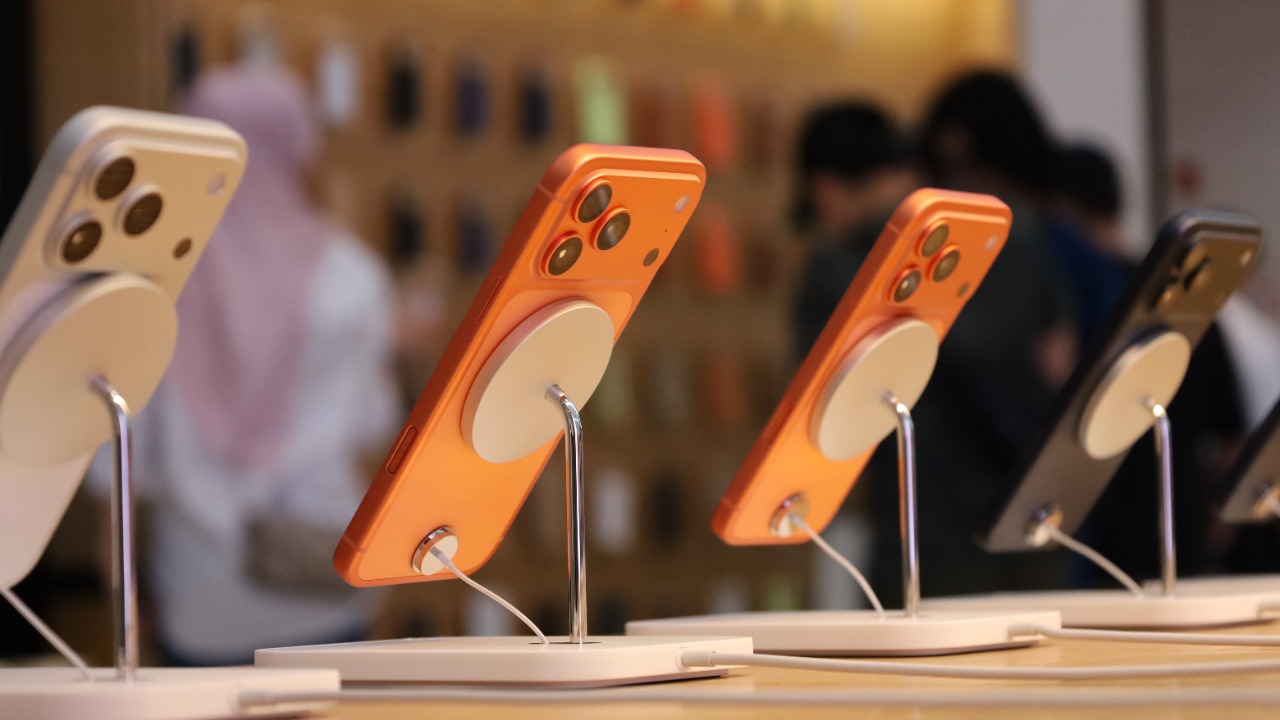

Every autumn, as new iPhones arrive, millions of people hand over perfectly good devices for far less than they are worth. The convenience of a quick trade-in at checkout hides a pattern of lost value, avoidable fees, and privacy risks that add up year after year. I want to unpack how that happens, and how to keep your next upgrade from becoming the costly mistake so many people now treat as routine.
The quiet gap between trade-in value and real resale prices
The first mistake is assuming the number on a trade-in quote is the number your iPhone is “worth.” In reality, that figure is a discounted convenience fee, not a market price. When I compare typical offers, the spread is stark: a private sale often returns close to the full reference value of a device, while trade-in programs skim off a large share in exchange for speed and simplicity.
One detailed comparison of resale channels describes a Private sale as delivering “100% reference value ($350-400 for a midrange example),” while buyback and trade-in services typically pay only 50 to 60 percent of that. That means an iPhone that could fetch $350 in a direct sale might generate barely half that when surrendered at the carrier counter. Over multiple upgrade cycles, the gap between 100% and 60% of value compounds into hundreds of dollars left on the table, even before you factor in promotions that lock you into long contracts.
Why Apple Trade In feels generous but often is not
Apple has turned its own program into the default path for many iPhone owners, and the branding around Apple Trade In is designed to feel reassuring. The process is tightly integrated into online checkout and in-store upgrades, so it is easy to accept whatever number appears on screen. I see that frictionless experience nudging people to prioritize speed over scrutiny, especially when they are already spending four figures on a new device.
Independent analysis of Apple Trade In concludes that the program trades away some cash for the sake of simplicity. The verdict is that while the service is polished and safe, the actual payouts lag behind what you could get from a private buyer or a specialist reseller. I find that framing useful: Apple is not necessarily trying to cheat you, but it is monetizing your desire to avoid hassle. If you treat the quote as a convenience fee rather than a fair market appraisal, you are less likely to mistake a smooth transaction for a good deal.
The fine print: promotions, downgrades and sudden value cuts
The second big trap is buried in the structure of carrier and manufacturer promotions. Many “up to” offers headline a large figure, then stretch it across long financing terms that obscure the real value of your old phone. When I look at how these deals are structured, the risk is not just a low starting quote, but the way that quote can be diluted or quietly reduced after you have already committed to a new device.
One Verizon customer posting under the name Ok_Run_3602 described a promotion that promised $1,000 in credits spread over 36 m of bill cycles, with the effective monthly discount offset by taxes and fees. Another iPhone owner reported that Apple cut their agreed trade-in from $700 to $175 after inspecting the device and claiming screen burn-in. In both cases, the headline number looked generous, but the actual benefit depended on fine print, long-term commitments, and subjective condition checks that the customer did not fully control.
The data mistake that can cost you both money and privacy
Even when the financial terms are clear, many people mishandle the handoff of their old phone. The most common and most damaging error is failing to properly back up and erase the device before it leaves your hands. I see this as a double loss: you risk both your personal information and the resale value of the phone if the next buyer discovers lingering accounts or locked settings.
Guides to Common Mistakes People Make When Selling Old devices highlight “Not Backing Up and Erasing Your Data” as a central risk, warning that the biggest risks are losing irreplaceable information and exposing sensitive accounts. A separate list of Top errors underlines “Not Backing Up Your Data” as “One of the” most irreversible mistakes, and stresses that misreporting “Device Storage” or leaving security features active can trigger disputes or reduced payouts. In my view, treating backup and full erasure as non‑negotiable steps, not optional extras, is the only way to protect both your privacy and your negotiating position.
Condition, timing and tiny fixes that move the needle
Once your data is safe, the next lever is the physical state of the phone. Trade-in algorithms and human graders both lean heavily on visible wear, battery health, and whether all features work as expected. I have seen small, inexpensive fixes translate into surprisingly large jumps in offers, especially when they move a device from “poor” to “good” condition tiers.
One step-by-step guide to maximizing value for recent models notes that Several key factors drive offers, starting with “Device Condi” and simple “Clean & Repair” work such as wiping down the phone and fixing minor issues. Another set of tips advises owners to Make sure the iPhone is in good working order, with no cracked screen or obvious damage, because even small cosmetic flaws can subtract big trade-in value. I find that a cheap screen protector, a basic case from day one, and a pre‑sale cleaning session are among the easiest ways to defend your future payout.
How trade-in programs actually decide what your iPhone is “worth”
Behind the counter, trade-in programs rely on a mix of automated tools and policy rules to convert your device into a dollar figure. Understanding those levers helps explain why two people with the same model can walk away with very different offers. In my experience, the key variables are model, storage, condition, and whether the phone is fully unlocked and free of activation locks.
Carrier guidance spells this out clearly, noting that Apple and mobile carriers look at factors like keeping your iPhone in good condition and ensuring features such as “Find My” are disabled before they finalize an offer. A broader overview of trade-in programs explains that How to “Determine Your” iPhone’s “Trade” “In Value” starts with checking model and storage, then honestly assessing wear and tear. Figuring out these inputs in advance, rather than discovering them at the counter, gives you a baseline to compare against any quote you receive.
The timing trap: upgrading at the wrong moment
Even a perfect device can be undervalued if you trade it in at the wrong time. The iPhone market is highly cyclical, and prices tend to sag around major launches as supply floods in and older models are repriced. I see many people wait for keynote day to upgrade, only to discover that the value of their current phone has already slipped in anticipation of the new model.
Advice aimed at owners of recent devices points out that Aug and the weeks immediately after new iPhone releases are particularly sensitive periods, when timing can change what you are offered. Another guide focused on the next generation notes that Here is how it works: reputable programs refurbish, resell, or recycle responsibly, and “Common Trade” advice is to sell or lock in a quote in the weeks before a big launch to get maximum value. In practice, that means planning your upgrade window rather than reacting to marketing hype on release day.
When Apple Trade In is the wrong tool for the job
For some people, the convenience of Apple’s own program is worth the haircut. For others, especially those with higher-end or lightly used devices, it is a poor fit. I find that the more recent and pristine your iPhone, the more you stand to gain by stepping outside the default ecosystem and exploring alternatives that pay in cash rather than store credit.
One breakdown of options argues bluntly that Why Apple Trade “In Isn” “Always the Best Deal” comes down to the fact that Apple’s program is optimized for upgrades, not for people “looking to get cash for your device.” A separate video commentary framed around the question “Should You Trade In Your iPhone To Apple?” notes that Sep has seen a wave of people trading in their iPhones simply because it is what everyone around them is doing, not because they have compared offers. In my view, Apple Trade In is a reasonable choice if you value speed and store credit, but it is rarely the best option if your priority is squeezing every last dollar out of your old phone.
How to shop around without getting overwhelmed
The good news is that you do not need to become a professional reseller to avoid the worst trade-in pitfalls. A simple three-step process can dramatically improve your outcome: get at least two independent quotes, compare them to a realistic private sale estimate, and decide whether the convenience discount is acceptable. I find that even a quick scan of competing offers resets expectations and makes it harder for any single program to lowball you.
Comprehensive guides to trade-in programs suggest starting by checking multiple online calculators to Determine Your likely “Trade” “In Value,” then using that range as leverage when you talk to carriers or in-store staff. When you layer that on top of the earlier comparison showing that private sales can return 100% of reference value while trade-ins often hover around 60 percent, the decision becomes clearer: either accept the discount knowingly, or invest a bit more time to capture the full price yourself.
The smarter upgrade habit millions still have not built
Underneath all these details is a simple pattern. People upgrade their iPhones on autopilot, defaulting to the easiest trade-in option and trusting that the system is roughly fair. I see the same cycle repeat every year: rushed decisions, unbacked data, unexamined fine print, and a vague sense that the old phone was not worth much anyway. The reality, backed by the numbers and examples above, is that those habits quietly transfer a significant slice of your tech budget to the companies managing the trade-in conveyor belt.
Breaking that pattern does not require heroic effort. It means treating your iPhone like the valuable asset it is, protecting its condition, backing up and erasing it properly, understanding how programs like Apple Trade In and carrier promotions actually work, and timing your move with the market rather than with marketing. If millions of people made those small shifts, the costly mistake built into today’s upgrade culture would start to shrink, one trade-in at a time.
More from MorningOverview