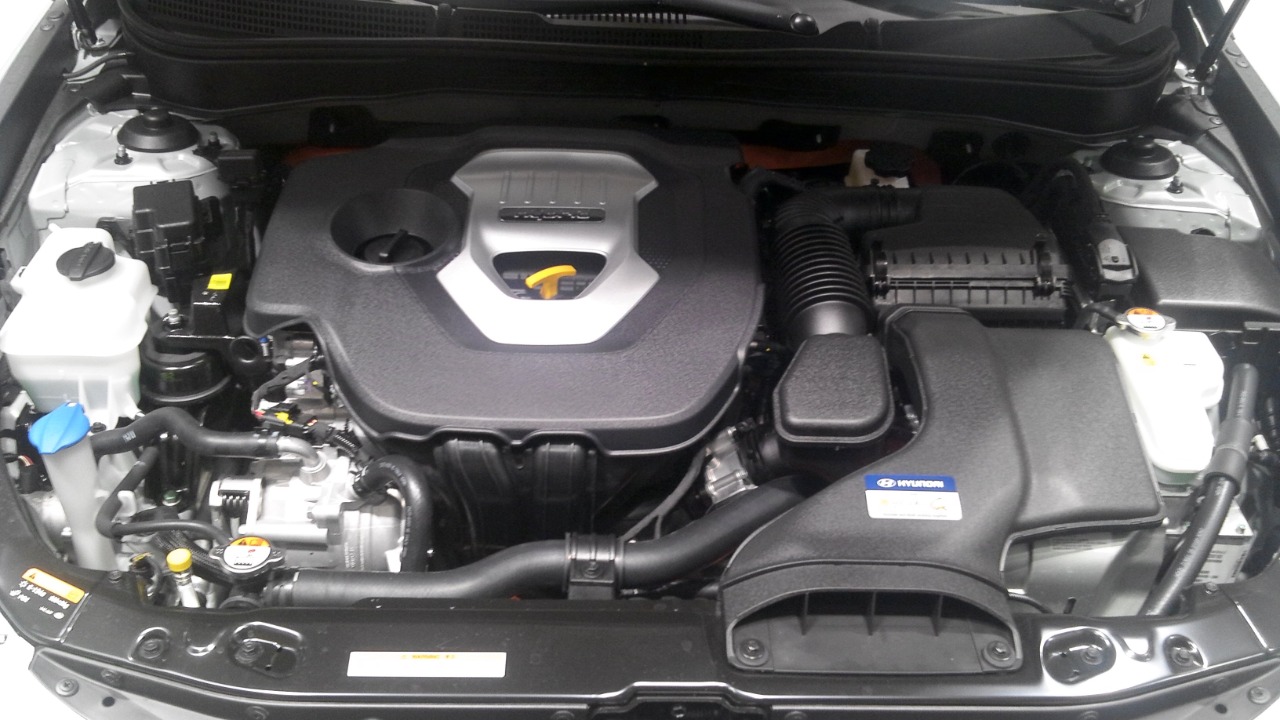

Hyundai’s engine troubles have grown from a technical defect into a sprawling recall saga that has reshaped how owners think about the brand’s reliability and safety. Instead of a one‑off fix, the company has been forced into a long, expensive campaign to inspect, repair, and sometimes replace engines that can fail without warning. I want to unpack how that happened, what it means for drivers, and why the fallout now stretches far beyond a single model or model year.
At the heart of this story is a pattern of internal engine damage that can starve critical parts of oil, trigger stalling or fires, and leave owners fighting for remedies. The financial impact is clearly massive, but the more important cost is the erosion of trust as drivers discover that what looked like a routine warranty issue is actually part of a much larger recall nightmare.
How Hyundai’s engine defect emerged
The crisis traces back to engines that were machined in ways that left metal debris where it never should have been, inside the crankshaft and oil passages. In affected Hyundai vehicles, that debris can interfere with lubrication, grind away at bearings, and eventually cause the engine to seize or fail outright. Internal descriptions of the defect explain that the metal debris inside the crankshaft does more than cause wear and tear, it can actively block oil flow and stop oil from reaching the connecting rod bearings, which are essential to keeping the engine spinning freely, a failure pattern that has been detailed in litigation over Hyundai Sonata engine failure. Hyundai ultimately acknowledged that the problem was serious enough to require a formal safety campaign in the United States, not just quiet warranty work. In a major recall covering popular sedans and crossovers, the company told regulators it would inspect, and if necessary replace, the engine in specific Model Year vehicles built at Hyundai Motor Manufacturing Alabama. The company’s own campaign materials explain that Hyundai has decided to conduct a safety recall in the United States to inspect, and if necessary, replace the engine in Model Yea vehicles built at Hyundai Motor Manufacturing Alabama, a rare admission that the risk of failure is high enough to justify proactive engine swaps.
From isolated failures to a pattern of risk
What began as a defect in a specific engine family quickly revealed a broader pattern of vulnerability in Hyundai powertrains. Reports show that problems with the Hyundai’s engine are not uncommon, and that the issues vary from model to model, with some products known to have stalling engines and others suffering from knocking, oil consumption, or outright failure. Those Reports of recurring engine trouble helped push the story from a technical bulletin into a reputational crisis, as owners realized their breakdowns were not isolated bad luck.
Regulators and safety advocates also began to connect the dots between engine failures and fire risks. In some Hyundai and Kia models, the same internal damage that ruins bearings can generate heat, leak oil, or create conditions that increase the chance of an engine compartment fire. To address that, Hyundai (Hyundai Motor Company) and Kia (Kia Motors) installed software on some vehicles, a knock sensor detection system designed to monitor the connecting rod bearing and prevent potential engine damage before it cascades into something worse. That strategy, described in detail in analyses of why so many Hyundai, Kia, and Genesis vehicles are getting recalled for fire risks, shows how a mechanical flaw forced the company into a software‑based safety net.
The Theta II engine and whistleblower pressure
The most notorious chapter in Hyundai’s recall saga centers on the Theta II engine, a widely used four‑cylinder that powered millions of Hyundai and Kia vehicles. Safety researchers have documented how, during the following two years after early failures surfaced, Hyundai and Kia, which also had models with the Theta II engine, attempted to avoid a broad recall and instead pursued narrower fixes. That strategy began to unravel when company veteran Kim Gwang‑ho raised alarms about the scope of the defect and the adequacy of the response, a turning point captured in investigations into how During the following two years, Hyundai and Kia, which also had models with the Theta II engine, attempted to avoid a recall until company veteran Kim Gwang‑ho blew their cover.
That whistleblower pressure forced a reckoning not only with the Theta II defect but with the company’s recall culture. Once regulators and the public understood that Hyundai and Kia had tried to contain the problem quietly, every subsequent safety campaign, from engine failures to leaking ABS modules, was scrutinized more aggressively. The Theta II saga turned what might have been a contained engineering problem into a long‑running narrative about transparency, corporate responsibility, and whether the automakers were moving fast enough to protect drivers from catastrophic engine failures and fires.
What owners experience when engines fail
For drivers, the recall nightmare is not an abstract engineering story, it is the moment a car that ran fine yesterday suddenly refuses to start or dies in traffic. The main sign of a seized engine is when your car will not crank or start, even though the battery and starter seem to be trying. Sometimes, the engine might try to turn over and then stop abruptly, or you might hear a loud clunk as the starter tries to engage against a locked crankshaft, symptoms that match the classic description of signs of a seized engine and what to do about it.
Even before a full seizure, owners often report knocking noises, loss of power, or warning lights that hint at internal damage. In some cases, the engine may stall at low speeds or while idling, a behavior that aligns with the stalling engines described in broader surveys of Hyundai problems. When those symptoms appear in vehicles later covered by recall campaigns, drivers are left to navigate a maze of dealer diagnostics, warranty arguments, and safety notices, trying to determine whether their specific failure is tied to the known defect or treated as a separate, out‑of‑pocket repair.
The cost of replacement and how Hyundai responds
Once an engine is damaged beyond repair, the financial stakes become painfully clear. Independent estimates show that replacing a modern Hyundai engine can run into several thousands of dollars, especially when labor, fluids, and related components are included. However, if your Hyundai is still under warranty, you may not have to pay anything at all, because Hyundai’s 10‑year/100,000-mile powertrain coverage can step in to cover the cost of a new engine. Some owners have even had engines replaced at no cost when the failure was clearly linked to the known defect, a scenario outlined in guidance on how much it costs to replace a Hyundai engine.
Hyundai’s official recall campaigns are designed to catch problems before they reach that point, but the process can still be confusing. The company operates an online portal where owners can enter a VIN and check for open actions, and that tool is explicit about what it covers. It spells out that What this VIN search tool covers includes Lookup Safety Recalls and Service Campaigns by VIN and Information on the repair status, which is essential for owners trying to confirm whether their car is part of an engine inspection or replacement program. In practice, though, many drivers only discover the recall after a breakdown, which means they are already dealing with towing bills, lost time, and the stress of being without a vehicle.
Why Hyundai’s problem fits a wider industry pattern
Hyundai’s engine recall nightmare is unusually sprawling, but it is not entirely unique in the auto industry. Other manufacturers have faced similar machining issues that leave debris inside engines and set the stage for premature failure. In one high‑profile example, Toyota and Lexus had to recall vehicles after discovering that, at the factory, machining debris from the manufacturing process was left in the engine, a defect that could restrict oil flow and, over time, lead to failure. The details of those Toyota and Lexus Engine Debris Recall Details echo the same basic pattern that has haunted Hyundai: tiny metal shavings left behind in the wrong place can destroy an engine years later.
What sets Hyundai apart is the combination of scale, duration, and the way engine failures intersect with other safety issues like fire risks and ABS module leaks. The company has had to juggle multiple overlapping campaigns, from the Theta II engine to leaking ABS modules and software‑based fire risk fixes, all while trying to reassure customers that new vehicles are safe. I see the lesson for drivers as twofold: first, even big brands can stumble on core engineering, and second, owners need to stay vigilant by checking recall tools, listening for early warning signs, and pushing for answers when an engine problem feels like more than routine wear and tear.
More from Morning Overview