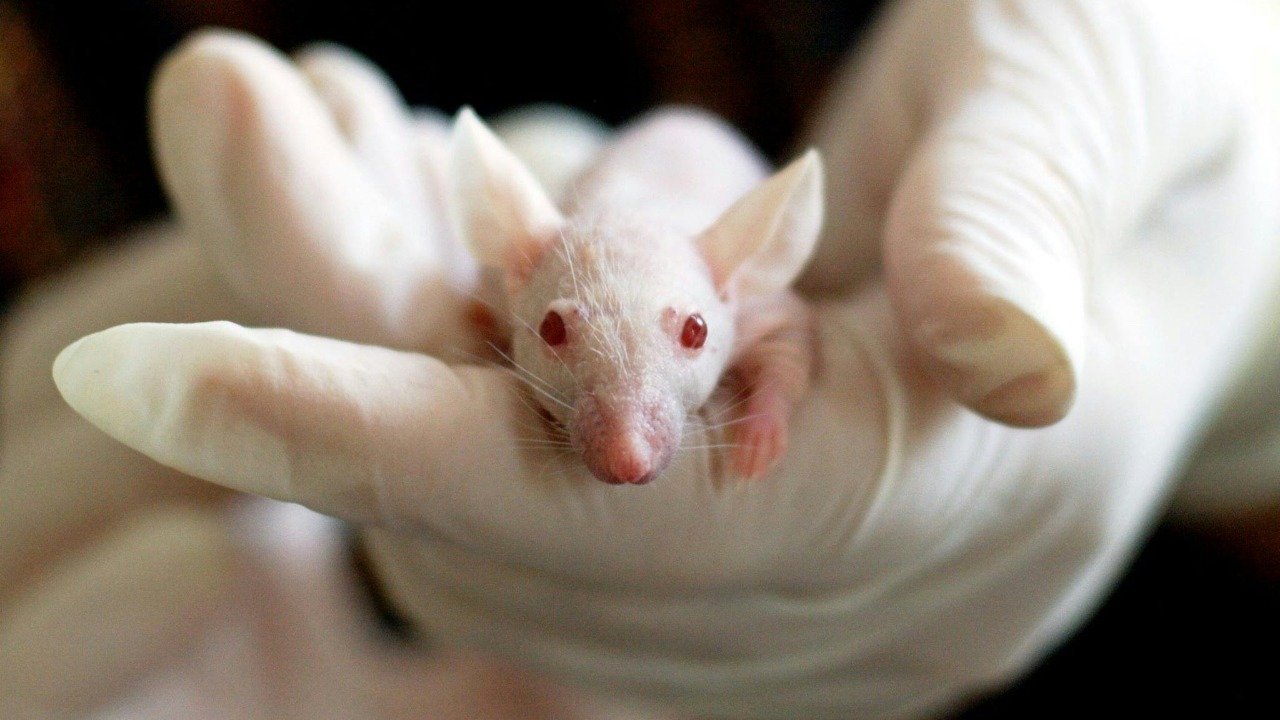

Scientists have long suspected that the trillions of microbes in our intestines do more than digest lunch, but new work goes much further, showing that human gut bacteria can push mouse brains to behave more like those of primates. By transplanting human and primate microbiomes into rodents, researchers found sweeping changes in brain activity, gene expression, and energy use that hint at a hidden partner in the evolution of intelligence.
The findings suggest that the gut is not just a passive passenger in brain evolution but an active architect, helping to power large, costly brains and tune how they function. If that is true, then the microbes we carry today may still be shaping how we think, feel, and learn, with implications that stretch from psychiatry to nutrition policy.
From gut feeling to evolutionary force
For years, the microbiome story has focused on digestion, immunity, and disease risk, but the new research argues that gut communities may also have helped build the human brain itself. In carefully controlled experiments, scientists showed that gut bacteria from different primate species can directly alter how brains develop and operate, pointing to a biological feedback loop between diet, microbes, and neural circuitry that could have nudged our lineage toward bigger, more energy-hungry brains. The core claim is stark: variation in gut ecosystems appears to be enough to shift brain metabolism and gene activity in ways that track with cognitive complexity.
That argument is grounded in a series of studies that link specific microbial profiles to brain size and function across primates, then test causality by moving those microbes into mice. One team reports that microbes may hold the key to brain evolution, showing that gut communities associated with large-brained species promote neural processes that are costly to develop and function, while those from smaller-brained relatives do not. Another group frames the same idea more bluntly, arguing that Your gut microbes may have helped build the human brain and may still be shaping the relationship between microbes and brain activity today.
What happened when human microbes moved into mice
The most striking evidence comes from experiments in which researchers colonized germ-free mice with gut bacteria taken from humans and other primates, then watched what happened inside the animals’ skulls. When mice received human gut communities, their brains showed activity patterns and molecular signatures that looked far more like those seen in primates than in typical rodents, even though their DNA had not changed. In other words, swapping the microbes was enough to push mouse neural circuits toward a primate-like mode of operation.
Reporting on these experiments describes how Scientists Put Human Gut Bacteria Into Mice and Found Their Brains Showed Primate level Activity, underscoring that Gut bacteria do not just correlate with brain traits but can drive them. Complementary coverage explains that new research shows gut bacteria from different primate donors lead to distinct patterns of brain gene expression and energy use in the recipient mice, strengthening the case that the microbiome is a causal lever rather than a passive marker.
How microbes tweak brain genes and energy use
At the cellular level, the transplanted microbiomes changed which genes were turned on in mouse brains, especially those involved in metabolism, synaptic function, and neural plasticity. Mice carrying human-like gut communities showed higher expression of pathways that support rapid firing, complex connectivity, and sustained activity, all of which are essential for cognition but expensive in energetic terms. By contrast, mice colonized with microbes from smaller-brained primates showed less activation of these costly processes, suggesting that microbial metabolites may help decide how much energy the brain can afford to spend.
Researchers tracking these shifts report that Gut microbes shown to directly shape brain function and evolution produce distinct chemical environments that either boost or dampen expression of neural genes, with some communities linked to more expression of energy-intensive processes and others to less expression of these processes. Another analysis notes that gut communities associated with large-brained species appear to channel more calories toward the brain, a pattern echoed in reports that Gut microbes may hold the key to brain evolution by helping large-brain primates manage the metabolic costs of their neural tissue as opposed to small-brain relatives.
Why a big brain needs microbial help
Human brains are famously hungry, consuming a large share of the body’s energy even at rest, and that metabolic burden has long puzzled evolutionary biologists. The new microbiome work offers a plausible solution: gut communities may have evolved to squeeze more usable energy from food and to route a disproportionate share of that fuel to the brain, making it possible to sustain a large cortex without starving other organs. In this view, the rise of complex cognition is not just a story of genes and skulls but of intestinal ecosystems that learned to feed a demanding neural partner.
Earlier comparative research set the stage by showing that gut communities differ systematically between large-brained and small-brained primates, and that these differences track with diet and brain size. One report describes how variation in the gut microbiota across species is linked to brain volume, suggesting that How gut ecosystems are structured may influence which primates can afford bigger brains and which cannot. Another study asks, very directly, What if your gut microbes helped power your brain? and concludes that microbial processing of complex carbohydrates could have been a key step in helping fuel our mental might.
Rewriting the story of primate brain evolution
When I look across these findings, the most radical shift is conceptual: brain evolution starts to look less like a solo performance by neurons and more like a co-production with microbes. Instead of assuming that bigger brains simply emerged from genetic tweaks in the nervous system, the data point to a partnership in which gut communities, diet, and neural tissue evolved together, each constraining and enabling the others. That perspective helps explain why closely related primates with similar genomes can have very different brain sizes and cognitive abilities, if their microbiomes and feeding ecologies diverged.
Coverage of the latest work emphasizes that Gut microbes may have shaped how primate brains evolved by influencing which species could support larger, more complex brains and which remained constrained. Earlier comparative analyses of primate guts and brains, including those asking How did human brains get so big?, argue that gut communities may have helped make larger brains possible by improving energy harvest and buffering dietary shifts as primates moved into new ecological niches.
What this means for human health and disease
If gut microbes can push mouse brains toward primate-like activity, it follows that shifts in our own microbiomes could nudge human brain function in subtler ways, for better or worse. I see clear implications for conditions such as depression, autism, and neurodegenerative disease, where altered gut communities have already been reported but often dismissed as side effects rather than drivers. The new causal evidence strengthens the case for treating the microbiome as a therapeutic target, not just a biomarker, especially in disorders that involve energy metabolism and synaptic plasticity.
Researchers involved in the primate–mouse work argue that Your gut microbes may have helped build the human brain and could still be shaping how it works today, suggesting that interventions which alter microbial communities might influence learning, memory, or resilience to stress. Institutional summaries of the same research note that Stephanie Kulke is listed with contact numbers 847 and 491 in EVANSTON, Ill, underscoring how seriously major research centers are now treating the idea that gut communities tied to large, costly brains could be leveraged to support mental health. As clinical trials begin to test targeted probiotics, diet shifts, or even microbiome transplants, the evolutionary story behind these microbes may help explain why some interventions work and others fall flat.
The limits of mouse models and the next questions
For all their power, the mouse transplant experiments are still models, and I think it is important not to over-interpret them. Mice are not miniature humans, and their brains, immune systems, and gut structures differ in ways that could amplify or distort the effects of primate microbes. The fact that human and primate communities can induce primate-like activity patterns in mouse brains is compelling, but it does not mean that the same magnitude of change would occur in a human host, where the microbiome is already adapted to a large brain and a particular diet.Researchers involved in the work acknowledge these caveats and frame the mouse data as a proof of principle that Gut microbes shown to directly shape brain function can alter neural gene expression and energy use across species boundaries. Follow up studies are already being designed to test similar mechanisms in nonhuman primates and in human organoid models, building on the idea that Gut microbes may hold the key to brain evolution by mediating how different hosts allocate energy to neural tissue. The next frontier will be to map specific microbial species and metabolites to particular brain circuits and behaviors, turning a sweeping evolutionary hypothesis into a set of testable, and potentially treatable, mechanisms.
More from Morning Overview