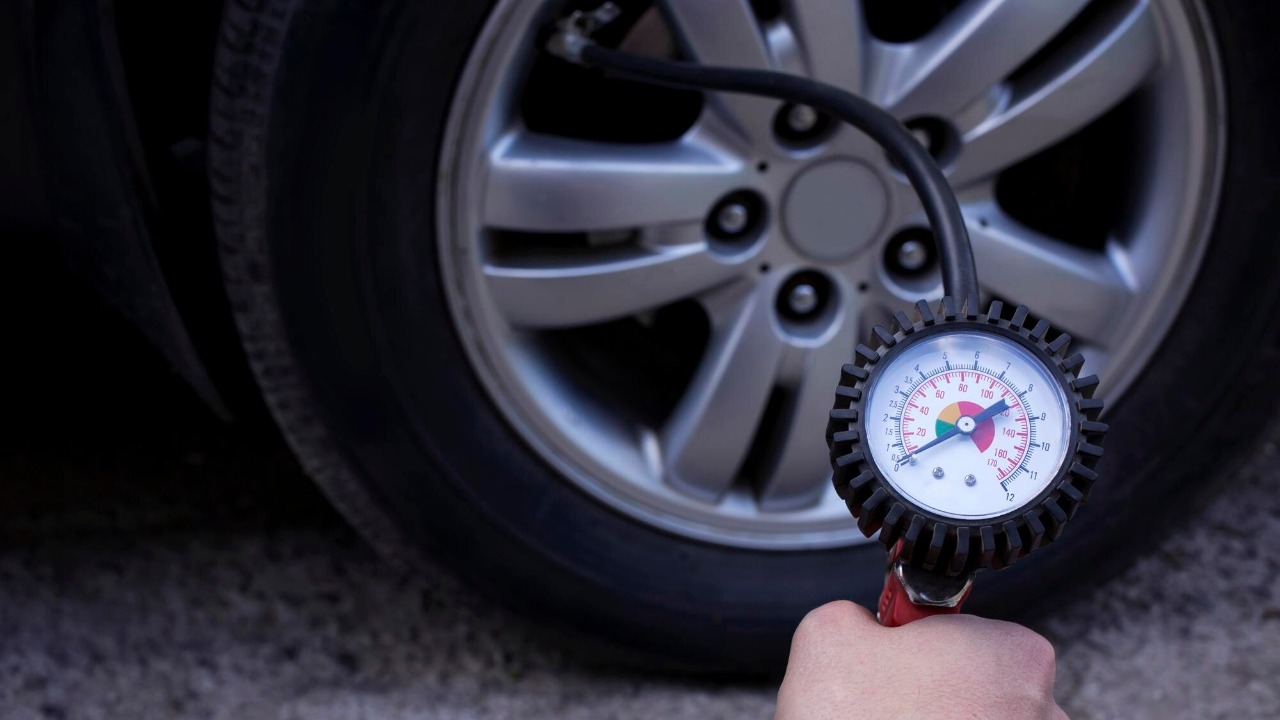

Drivers obsess over gas prices, but one of the most powerful levers on fuel costs is literally where the rubber meets the road. Tire pressure quietly shapes how hard your engine has to work, how quickly your tires wear out, and how much you spend at the pump, yet it is still one of the most neglected maintenance checks. Understanding how air in your tires translates into real-world mileage is the difference between treating fuel economy as a mystery and managing it like a controllable expense.
In practical terms, that means learning what “properly inflated” actually is for your car, how far you can drift from that number before it hurts, and why chasing extra miles by overinflating is a false bargain. I will walk through how tire pressure really changes your gas mileage, where the biggest gains and risks lie, and how to build a simple routine that keeps your tires, and your fuel budget, in the sweet spot.
Why tire pressure and gas mileage are inseparable
Fuel economy starts with how easily your car rolls, and tire pressure is the main dial that controls that rolling resistance. When a tire is underinflated, more of its rubber squashes against the pavement, which flexes the sidewalls and heats the tire, forcing the engine to burn more fuel just to maintain speed. When it is inflated to the recommended level, the contact patch is optimized so the tire can support the vehicle without wasting energy deforming on every rotation, which is why guides on Tire Pressure and How Does Affect Gas Mileage describe air pressure as a direct lever on how much work the powertrain has to do.
That relationship is not just theory. When experts explain How Tire Pressure Affects Fuel Efficiency, they point out that Correct inflation keeps the tire’s footprint consistent, which stabilizes handling and braking as well as mileage. If you imagine pushing a loaded shopping cart with soft, sagging wheels versus firm ones, you have a rough picture of what your engine experiences on the highway. The softer the tires, the more energy is lost to flex and heat instead of moving the car forward.
What “properly inflated” really means for your car
Many drivers assume the number molded into the tire’s sidewall is the target, but that figure is usually the maximum pressure the tire can safely handle, not the ideal setting for fuel economy and comfort. The actual sweet spot is specific to each vehicle, which is why guidance on finding the right setting stresses that Your car has a specific tire pressure that balances gas mileage, handling, and tire life, and that number is printed on a sticker inside the driver’s door or in the owner’s manual. Automakers tune suspension, weight distribution, and tire size around that recommendation, so treating it as a suggestion instead of a baseline is a fast way to give up efficiency.
That is also why one-size-fits-all advice about “best PSI” can be misleading. A compact hatchback on 16‑inch all-season tires will have a very different recommended PSI than a three-row SUV or a heavy-duty pickup, even if all three run on similar fuel. When service departments answer questions like Does Tire Pressure Have An Effect On Gas Mileage, they emphasize that Most vehicles are engineered around a specific range, and staying inside that window is what lets you “drive smarter and save” on every tank rather than chasing marginal gains by improvising your own number.
How much mileage you actually lose when tires are low
Underinflation is where the real damage happens, both to your wallet and your tires. Analyses of The Effects of Under Inflation note that Under inflated tyres are among the leading causes of tyre failure, but before they fail, they quietly sap fuel by increasing rolling resistance and heat. One technical guide quantifies it bluntly: Under-inflated tires can reduce fuel efficiency by 0.2% for every 1 PSI drop in pressure, while also compromising safety and tire longevity. That means being 5 PSI low across all four tires can cost roughly 1 percent in fuel economy, enough to matter over thousands of miles.
Government and industry data back up that scale of loss. The U.S. Department of Energy estimates you can improve your gas mileage by up to 3.3% by making sure your tires are properly inflated, which is essentially the flip side of the penalty for letting them run soft. When tire shops explain that a simple task such as maintaining the pressure in your tires can save you money at the pump, they are not exaggerating: guidance on Tire Pressure notes that Although many drivers overlook it, keeping that delicate balance is one of the easiest ways to avoid paying extra at the pump this fall or any season.
Why overinflating for “free MPG” is a myth
There is a persistent belief that pumping tires above the recommended PSI will shave rolling resistance and deliver “free” fuel economy, but the tradeoffs are steeper than most people realize. It is true that a harder tire deforms less, which can slightly reduce drag, but it also shrinks the contact patch, degrades grip, and makes the ride harsher, which is why safety experts frame the idea of overinflating for mileage as a myth. When consumer guides walk through Understanding Tire Pressure and Its Role in Fuel Efficiency, they note that You may think that because a harder tire rolls more easily you are saving fuel, but pushing beyond Each car’s recommended PSI introduces risks and potential safety issues that outweigh any marginal gain.
On real roads, those risks show up as longer stopping distances, reduced traction in wet or icy conditions, and a greater chance of damage from potholes because the tire has less ability to absorb impacts. Overinflation can also cause the center of the tread to wear faster than the edges, shortening tire life and erasing any fuel savings with earlier replacement costs. That is why performance-focused advice tends to steer drivers back to the manufacturer’s range instead of chasing theoretical gains, and why even enthusiasts who care deeply about MPG rarely advocate running significantly above the door-sticker PSI for daily driving.
What the lab data says about pressure and fuel economy
Beyond shop-floor experience, controlled testing has tried to pin down exactly how much fuel economy changes as tire pressure drops. In one widely cited analysis, Fact 826 on The Effect of Tire Pressure on Fuel Economy describes how Researchers at Oak Ridge National Laboratory measured the impact of running tires below their recommended setting. Their findings confirmed that lower pressure reduces Fuel Economy and also pose serious safety risks, particularly when drivers let tires fall to 50% of the recommended pressure, a level that dramatically increases rolling resistance and heat buildup.
Independent reporting has echoed that pattern in more everyday language. When automotive writers explain how tire pressure affects gas mileage, they note that every time you fill up, you are paying for the extra work your engine does if your tires are low, because this forces the engine to work harder than it would at the manufacturer’s recommended tire pressure. Companion coverage on Driving with low pressure adds that Driving with low pressure might not hurt your transmission or other important components, but it will definitely place more load on the engine and burn more fuel, which is why tire manufacturers agree that staying close to the recommended number is the best compromise between efficiency and safety.
How temperature, time, and daily habits change PSI
Even if you set your tires perfectly, pressure is not static. Air contracts when it is cold and expands when it is hot, which means a tire that reads fine in a warm garage can be several PSI low on a freezing morning. Technical notes on how pressure shifts with weather explain that Potentially, your vehicle’s tire pressure will decrease as much as two pounds for every ten-degree temperature drop, a rule of thumb that adds up quickly between seasons. Imagine then how a swing from a summer heat wave to a winter cold snap can quietly leave your tires 6 PSI or more below target without any visible sag.
Time and small leaks also chip away at pressure, which is why relying on how a tire looks is a losing strategy. Industry campaigns that urge drivers to check their tires regularly point out that Improve your gas mileage with one simple trick is not a gimmick: Maintaining the right tire pressure is the single easiest way to ensure your tires are properly inflated and your fuel economy is not quietly eroding. Some tire experts teach a “5 PSI rule” for understanding how heat from driving raises pressure, and videos on the 5 PSI Tyre Pressure Increase Rule explain that from cold to warm, PSI will climb as the tire flexes, which is why you should always set pressures when the tires are cold rather than bleeding air after a long drive.
Real-world consequences: wear, safety, and your fuel bill
The fuel penalty from low pressure is only part of the story, because the same conditions that waste gas also chew through rubber. Under-inflated tires wear 10 percent faster, according to campaigns that urge drivers to Did you know: Under-inflated tires wear 10 percent faster?, which means you are paying for extra fuel and for new tires sooner than expected. That double hit is why tire specialists warn that ignoring pressure is like driving with a slow leak in your bank account as well as your sidewalls.
Safety is the other major cost. Under inflated tyres cause too much flex, which can lead to blowouts at highway speeds, while overinflated ones reduce grip and make the car more skittish in emergency maneuvers. Service centers that answer Mar Does Tire Pressure Affect MPG are blunt: Low tire pressure significantly impacts fuel economy and forces you to buy new tires sooner than expected, and Yes, the link between tire pressure and MPG is strong enough that it should sit alongside oil changes and brake checks in your mental list of non-negotiable maintenance.
How to build a simple, effective tire-pressure routine
Turning all of this into action does not require a shop visit every week, just a consistent routine and a basic gauge. I recommend checking pressures at least once a month and before any long road trip, always when the tires are cold and always against the PSI listed on the door sticker, not the sidewall. That habit aligns with advice from fuel-efficiency guides that stress how Correct tire pressure ensures optimal contact between the tire and the road, which is essential for both fuel efficiency and predictable handling.
If you are tempted to skip the gauge and trust your eyes, it is worth reading through the kind of explanations that pop up in an online Comments Section when someone asks whether tire pressure affects efficiency and wear. The consensus is that under inflated tires introduce higher rolling resistance leading to the engine working harder, and that by the time a tire looks visibly low, it is often dangerously below spec. For drivers who want to squeeze every bit of value from each tank without obsessing over hypermiling tricks, a ten-minute monthly check is the most reliable way to keep tire pressure, and gas mileage, where they should be.
More from MorningOverview