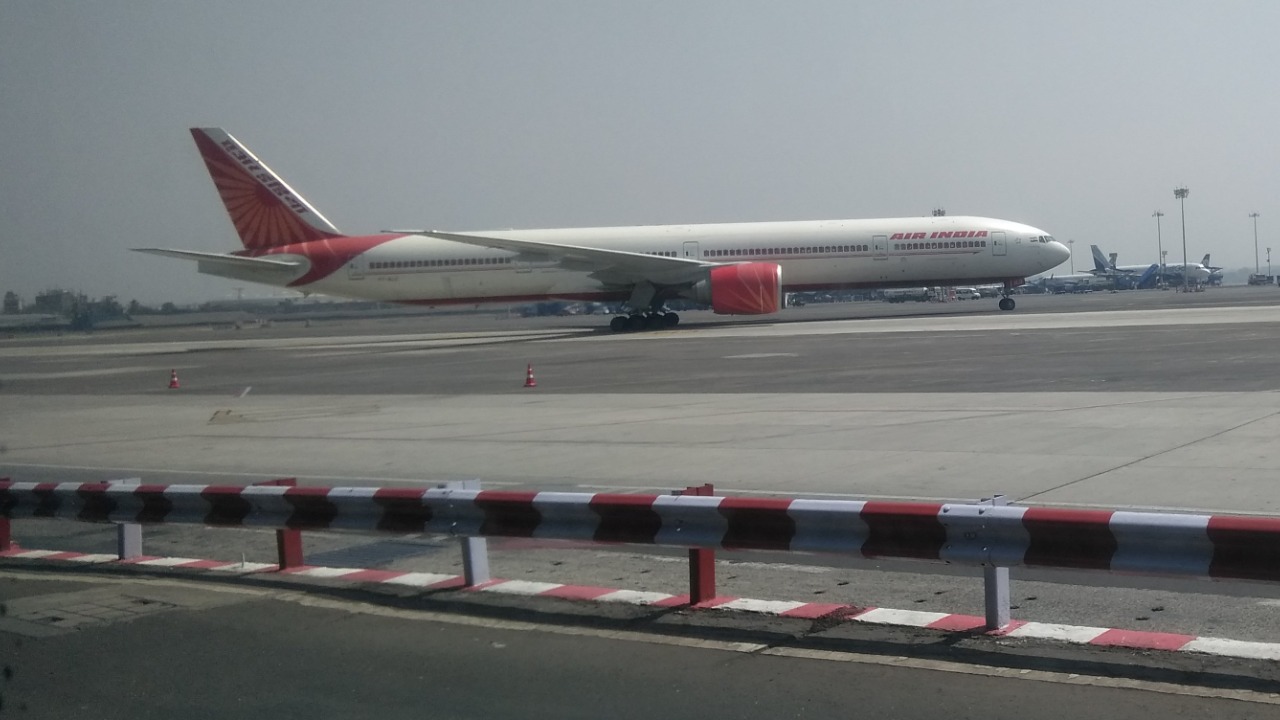

India’s aviation story has shifted from a tale of chronic bottlenecks to one of quiet, compounding upgrades. Airports are being modernised, regional routes are filling in long-ignored gaps, and airlines are placing bets on a decade of sustained demand rather than short bursts of growth. I see a sector that has not suddenly transformed overnight, but has steadily raised its game until the change is impossible to miss.
Behind the headline orders for new aircraft and glossy terminal openings lies a more interesting narrative about how policy, infrastructure, technology and skills have started to align. The result is an aviation ecosystem that is more connected, more professional and more ambitious than it was even a few years ago, and one that is positioning itself as a central pillar of India’s broader economic rise.
The new scale of India’s aviation market
The first sign that India’s aviation scene has levelled up is simply its size. The India Aviation Market Overview values the sector at USD 13.2 billion, a figure that reflects not just headline passenger numbers but a deeper base of airlines, airports, services and suppliers that now sustain year-round activity rather than seasonal spikes. I see that valuation as a marker of maturity, indicating that aviation is no longer a peripheral service but a core part of how people and goods move across the country.
That growth sits within the broader context of India’s economic expansion, rising disposable incomes and a steady shift from rail and road to air for long-distance travel. The India Aviation Market Overview points to robust growth in air passengers and a supportive policy environment as key drivers, and I read that as evidence that demand is no longer confined to a narrow urban elite. As more first-time flyers enter the system and business travel spreads beyond the biggest metros, the 13.2 billion benchmark looks less like a peak and more like a staging post.
Fleet expansion: 100 new planes a year
If the market valuation shows where India’s aviation sector stands today, the fleet pipeline hints at where it is going. Indian airlines are planning to induct roughly 100 new aircraft every year for the next 15 years, a pace that would reshape the country’s skies and put its carriers in a different league. I see this as a statement of confidence that demand will keep rising, and that domestic players intend to capture that growth rather than cede it to foreign competitors.
The scale of this Ambitious Fleet Expansion also forces a rethink of what Indian carriers can be. With 100 new planes arriving annually, Indian airlines are no longer just domestic workhorses shuttling between a few big cities, they are potential global players with the capacity to open new international routes, deepen regional connectivity and offer more frequencies on busy corridors. For passengers, that should translate into more choice and, over time, more competitive fares, while for the industry it raises the bar on everything from maintenance capacity to pilot training.
Regional connectivity: UDAN’s quiet revolution
Big jets and metro airports tend to dominate the conversation, but the most transformative change may be happening on smaller runways. The UDAN scheme, launched to make flying affordable and connect underserved regions, has steadily expanded its reach and, according to the government, is now “enhancing regional connectivity” and making air travel accessible for millions. I see UDAN as the backbone of a more inclusive aviation network, one that treats connectivity as a public good rather than a luxury.
Officials have framed the scheme’s progress as a “historic milestone”, and that language matters because it signals that regional routes are no longer experimental side projects but a core part of national transport planning. By subsidising routes and encouraging airlines to serve smaller towns, the UDAN scheme has helped normalise the idea that flying from a tier‑2 or tier‑3 city is as routine as boarding a train. That shift in expectations is a subtle but powerful sign that the aviation system is maturing beyond a handful of hubs.
Airports as infrastructure, not bottlenecks
For years, India’s airports were symbols of constraint, with overcrowded terminals and limited slots holding back growth. That picture is changing as the country invests heavily in new runways, terminals and regional facilities, treating airports as strategic infrastructure rather than afterthoughts. I see this as a foundational shift, because without adequate ground capacity, even the most ambitious airline expansion plans would quickly hit a wall.
Analysts tracking India’s aviation future highlight “expanding infrastructure” as a central pillar, with coordinated efforts by the government and the private sector to add capacity and modernise facilities. In that context, the focus on new terminals, upgraded air traffic systems and greenfield projects looks less like a series of isolated announcements and more like a deliberate strategy to lay the groundwork for long‑term growth. The argument in India’s Century is that this infrastructure build‑out is what will ultimately determine whether the sector can sustain its momentum, and I find that hard to dispute.
AI, sustainability and the smarter airport
Physical expansion is only part of the story, because the way airports are run is changing just as quickly. Across major hubs, operators are turning to artificial intelligence to manage passenger flows, optimise security lanes and predict maintenance needs, while also investing in greener operations. I see this twin focus on technology and sustainability as a sign that India’s aviation sector is not just growing, it is trying to grow in a more intelligent and responsible way.
Reports on how Airports Embrace AI and Sustainability describe a “profound” transformation in how terminals operate, from smart check‑in systems to energy‑efficient infrastructure that cuts emissions while improving passenger comfort. For travellers, that can mean shorter queues, more reliable baggage handling and a smoother overall experience. For the industry, it signals a willingness to adopt global best practices rather than accept outdated processes as inevitable, which is another quiet but meaningful upgrade.
Skills, safety and the rise of aviation careers
Behind every new aircraft and terminal is a workforce that has to keep the system safe and efficient, and here too India’s aviation scene has been forced to raise its game. As fleets expand and traffic grows, the demand for specialised roles has surged, particularly in maintenance and engineering. I see this as both a challenge and an opportunity, because the sector’s long‑term credibility depends on whether it can build and retain the skills it needs.
Training institutes point to a booming demand for Aircraft Maintenance Engineers, driven by what they describe as India’s aviation sector “witnessing” rapid growth and moving along a path toward continued expansion. In practical terms, that means more young people are seeing aviation as a viable career, not just as pilots or cabin crew but in technical and operational roles that underpin safety. As regulators tighten oversight and airlines invest in training, I read this as another way the industry is professionalising, with safety and reliability treated as non‑negotiable rather than optional extras.
Policy alignment and the long game
None of these shifts would stick if policy pulled in the opposite direction, and one of the quieter achievements of the past few years has been a greater alignment between government objectives and industry needs. From regional connectivity subsidies to airport privatisation and support for new training capacity, the policy framework has increasingly treated aviation as a strategic sector that can drive growth, jobs and integration. I see that as a departure from earlier periods when regulation often felt reactive and fragmented.
Analysts who argue that, Despite lingering concerns, India has made significant strides in addressing structural issues are effectively saying that the sector has moved from firefighting to planning. The perspective in India’s Century is that this shift opens the door to a more prosperous aviation future, provided that reforms continue and capacity keeps pace with demand. From where I sit, the combination of long‑term fleet commitments, infrastructure investment and targeted schemes like UDAN suggests that both policymakers and industry leaders are now playing a longer game.
The stakes of getting it right
All of this quiet levelling up carries real stakes for the wider economy. A more reliable and extensive aviation network can shrink distances between cities, support tourism, and make it easier for businesses to operate across multiple regions. When I look at the 13.2 billion market size, the 100‑aircraft‑a‑year pipeline and the push into smaller towns, I see a transport system that is gradually rewiring how people think about mobility and opportunity in India.
The flip side is that any misstep, whether in safety, infrastructure planning or environmental impact, could quickly erode public trust and strain the system. That is why the focus on AI‑driven efficiency, sustainable operations and skilled roles like Aircraft Maintenance Engineers matters as much as the headline growth numbers. Taken together, the data from the India Aviation Market Overview, the trajectory of schemes like UDAN, and the technology and infrastructure investments suggest that India’s aviation sector is not just getting bigger, it is getting more capable. For a country intent on sustaining rapid growth, that quiet transformation in the skies may prove to be one of its most consequential upgrades.
Supporting sources: India Aviation Market Outlook to 2030 – Ken Research.
More from MorningOverview