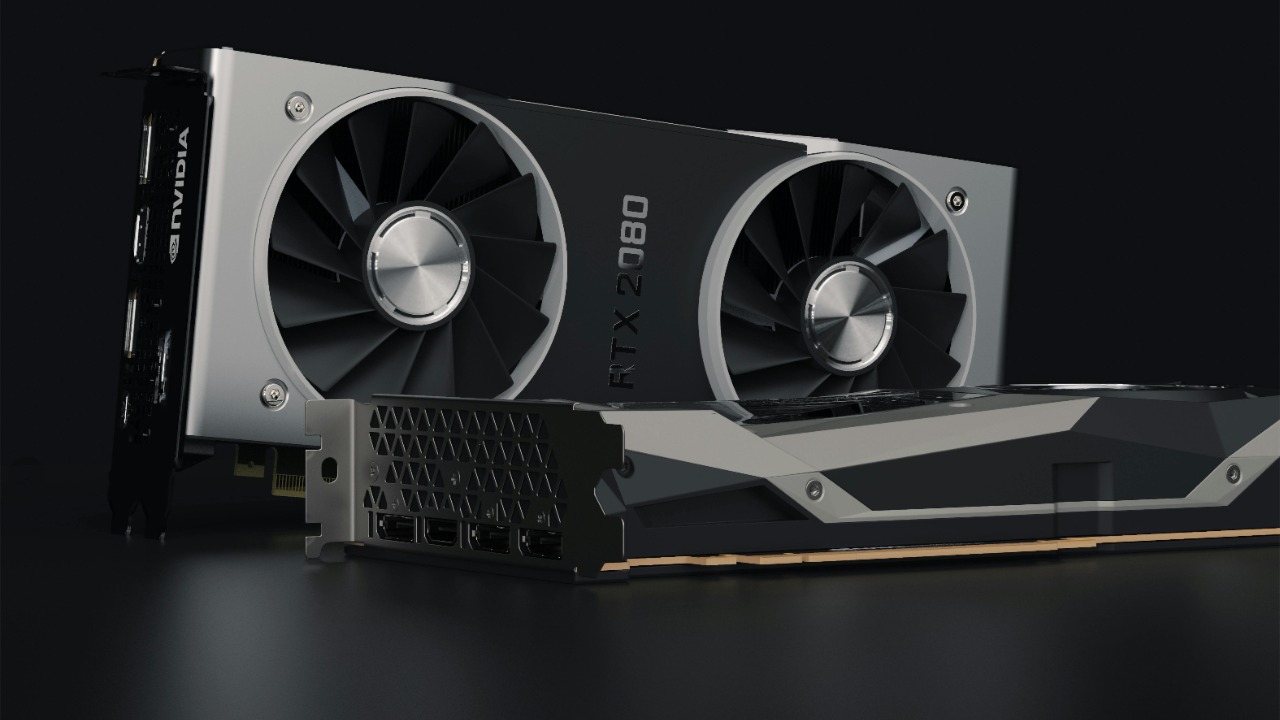

Graphics card prices are spiking again, and this time the anxiety feels different. Instead of a short‑term crypto bubble or a fleeting supply crunch, gamers are staring at a mix of tariffs, memory shortages, and corporate strategy that could keep Nvidia and AMD GPUs painfully expensive for years. The result is a PC community scrambling to buy now, delay upgrades, or abandon local hardware altogether in favor of the cloud.
What I see emerging is a structural reset of what a “normal” GPU price looks like, from entry level all the way up to halo products. Rumors of four‑figure flagships turning into five‑figure luxuries, talk of budget cards being axed, and warnings about DRAM costs and tariffs are converging into a single message: the era of cheap frames per second is over, at least for now.
Sticker shock at the high end
The most visceral sign of panic is at the top of the stack, where enthusiasts are bracing for extreme hikes on next‑generation flagships. Community chatter has zeroed in on reports that the Nvidia GeForce RTX 5090 could jump from roughly $2,000 to as much as $5,000, a figure that has circulated in threads warning that Reports Nvidia and AMD will significantly increase GPU prices starting next month. Even if that upper bound proves exaggerated, the fact that a $5,000 consumer graphics card is being discussed at all shows how far expectations have shifted.
That anxiety is not happening in a vacuum. Analysts tracking tariffs note that Chinese‑assembled graphics cards already face a 20 percent duty, and they warn that they could be hit with two more sets of tariffs in the coming months, a scenario that would make it “a rough time” to buy anything from a mid‑range board to an Nvidia GeForce RTX 5090. When you stack potential trade penalties on top of already ambitious launch MSRPs, the high end starts to look less like a hobbyist playground and more like a luxury goods market.
DRAM costs and the AI gold rush
Behind the sticker shock sits a quieter but more fundamental driver: memory. Both Nvidia and AMD are being squeezed by rising DRAM prices, a trend tied directly to the AI boom that has data centers hoovering up high bandwidth memory and GDDR modules. Industry reporting says Nvidia and AMD Might Increase GPU Prices In Early 2026 Due To Rising DRAM Costs, with the warning that the impact will hit more than just memory modules in the bill of materials.
AMD has already signaled internally that it expects to pay more for memory and intends to pass some of that burden along. Posts on the Chinese Board Channel forum, cited in coverage of AMD’s planning, describe how Chinese Board Channel discussions point to higher DRAM costs driven by AI servers, professional accelerators, and data centers, with a knock‑on effect that reaches consumer Radeon cards. When the same chips that power ChatGPT‑style models are competing for the same memory pool as gaming GPUs, gamers are inevitably outbid.
From temporary dip to “inevitable opportunity”
What makes the current panic especially bitter for PC builders is that prices had finally started to look sane again. Detailed tracking of board costs showed that GPU pricing had “cratered” between March and June, only to rebound as vendors saw an Overview of an “inevitable opportunity to screw consumers.” In other words, once inventories cleared and demand stabilized, manufacturers and board partners had room to ratchet margins back up.
That pattern is visible in broader market tracking as well. A Q3 2025 snapshot of GPU prices and availability noted that, after a period of calm, the market was “once again dealing with” rising tags, with some GPU prices already climbing and likely to stay elevated for some time to come. The same analysis of GPU price tracking warned that the combination of renewed demand and constrained supply meant the window for bargains was closing fast. For gamers who waited out the crypto bubble in hopes of a return to pre‑pandemic norms, the sense now is that the “new normal” is simply more expensive.
Budget and mid‑range cards on the chopping block
The pain is not confined to halo products. Several reports suggest that Nvidia and AMD are rethinking whether it is even worth producing low‑margin entry‑level GPUs at all. Analysts tracking memory costs say Nvidia and AMD are Potential Price Hikes for Existing GPUs and reportedly weigh discontinuing mid‑ to low‑end gaming GPUs amid rising memory costs, with Mydrivers cited as a source for warnings that existing cards may also see price increases.
Separate coverage frames it bluntly as “terrible news for gamers,” arguing that AMD and Nvidia could axe budget gaming GPUs altogether because of the same DRAM pressures. One analysis notes that a consumer shopping for an upper mid‑range or high‑end gaming GPU that costs upwards of $500 or even $60 more than last generation is already being squeezed, and that the disappearance of cheaper options would leave entry‑level players with little choice but integrated graphics or used hardware. If that scenario plays out, the GPU market risks becoming top‑heavy, with fewer on‑ramps for new PC gamers.
AMD’s explicit price‑rise roadmap
Among the two big GPU vendors, AMD has been the most directly associated with concrete percentage hikes. Reporting on its internal guidance says AMD is preparing to raise graphics card prices by at least 10 percent in 2026, a move attributed to an ongoing AI‑related DRAM supply crisis. One breakdown of the plan notes that But that seems likely to be incredibly short‑lived for any remaining deals, since even current discounts on older cards are expected to vanish once the new pricing filters through the channel.
Community forums have been buzzing with similar numbers. One widely shared thread in the PC building scene describes how AMD Radeon GPU prices are reportedly set to rise by at least 10 percent, with users in the More AMD‑focused corners of Reddit trading notes on which Radeon GPU models to grab before the hikes land. Another discussion warns that AMD and Nvidia are expected to hike GPU prices, with one commenter acknowledging that, While the analysis is correct about the underlying economics, they suspect the companies “do not care right now” because AI demand is so strong, a sentiment captured in a separate Dec thread.
Nvidia’s market power and investor jitters
Nvidia, for its part, sits in a different position, with a dominant share of the discrete GPU market and a booming AI business that gives it leverage over suppliers and customers alike. That dominance has not insulated it from scrutiny, however. Financial coverage notes that Nvidia Shares Slide on Rumors of Next Year GPU Price Jumps, with Shares of Nv reacting to investor concerns that aggressive pricing could dampen consumer demand or invite regulatory attention. When a company’s stock moves on speculation about how much it will charge for its next gaming card, it is a sign that pricing has become a macro story, not just a hobbyist gripe.
At the same time, the broader PC market is in flux. Analysts tracking GPU share report that, During the third quarter of 2025, Intel’s total PC GPU share was 61 percent, a figure that includes every CPU with integrated graphics Intel shipped. That dominance of iGPUs underscores why Nvidia and AMD feel comfortable pushing prices up: for casual users, integrated solutions are “good enough,” while enthusiasts who want more performance have few alternatives and are willing to pay. The risk is that, at some point, even dedicated gamers decide the premium is not worth it.
Cloud gaming and the “GPU as a service” pivot
As local hardware becomes more expensive, cloud gaming is emerging as a pressure valve. Commentators in the PC space argue that GPU prices have “destroyed” traditional gaming economics and predict that the cloud is going to be “exploding” in 2026, with more people using it simply because they cannot justify a new card. One widely viewed video titled GPU Prices Just DESTROYED Gaming frames the shift as a reluctant migration, with players turning to services like GeForce NOW and Xbox Cloud Gaming not out of love for streaming, but out of necessity.
That sentiment is echoed in community hubs dedicated to streaming platforms. In the same GeForce NOW thread that circulated the RTX 5090 price rumor, users debate whether it makes more sense to rent time on a remote GPU than to buy one outright, especially if Nvidia and AMD follow through on the steep hikes discussed in AMD, GPU rumor posts. If cloud performance and latency continue to improve, the idea of “GPU as a service” could shift from a niche option to the default path for budget‑conscious gamers.
Short‑term scramble, long‑term strategy
In the near term, the response from gamers is a mix of panic buying and strategic delay. Some are rushing to snap up current‑generation cards before the next wave of increases hits, scouring listings for any remaining deals on models like the Radeon RX 7800 XT or GeForce RTX 4070. Others are leaning into older hardware, overclocking and undervolting to squeeze more life out of what they already own, or turning to refurbished and second‑hand markets where individual sellers have not yet priced in the coming hikes. Even mainstream shopping portals show how a single GPU product can vary wildly in price depending on the seller and region.
Longer term, I see a more fundamental shift in how people think about PC gaming builds. Instead of chasing every generation, more players are planning multi‑year cycles anchored around a single high‑end card, with incremental upgrades to storage, RAM, and peripherals in between. Some are even reconsidering whether to build at all, weighing prebuilt desktops and laptops where OEMs can sometimes negotiate better component pricing. The same comparison shopping that leads a buyer to a specific product listing now often ends with a hard question: is a discrete GPU still worth it, or is it time to pivot to a console or the cloud?
What happens next
Looking ahead to early 2026, the signals are clear but not comforting. Multiple analyses say AMD and Nvidia graphics cards will be more expensive in early 2026 because of the DRAM crisis, with specific references to AMD and NVIDIA graphics cards and Radeon RX 9000 Series GPU pricing. Trend forecasts add that the increases may be expected as early as Q1 2026, with notifications possibly issued in January, and that cards with 24–48 GB of memory are said to face the most pressure, according to a separate The increases may be expected as early briefing.
At the same time, content creators and reviewers are warning that the industry is at an inflection point. One long‑form breakdown, sponsored by HAVN BF 360 Flow on Amazon, argues that GPU pricing has cratered before only to rebound in ways that “result in worse” deals for consumers, and that the current AI‑driven cycle could lock in higher baselines for good. If Nvidia and AMD follow through on the hikes outlined in the Meanwhile, Mydrivers and DRAM‑focused reports, gamers will have to adapt not just to a bad year, but to a new era where every frame is a little more expensive than the last.
More from MorningOverview