
Tech shelves at thrift stores used to be where old gadgets went to die. Now, with prices on new electronics climbing and interest in retro hardware surging, those same aisles can be a smart place to shop. Experts say certain devices hold up remarkably well, deliver performance that still feels modern, or even appreciate in value, as long as you know what to look for and what to leave behind.
I see a clear pattern in the data and expert advice: the best secondhand tech either has a long usable life, fills a niche that new gear no longer serves, or can be resold for far more than the sticker price. From CRTs to keyboards and game consoles, the right thrift-store buys can stretch a budget, support more sustainable consumption, and occasionally turn into a small side hustle.
Why some tech is a smarter secondhand bet than others
Not all electronics age gracefully, and the difference often comes down to how quickly the underlying technology changes. Devices that rely on fast-moving software ecosystems, such as phones and tablets, can become obsolete in just a few years, while simpler hardware like speakers, monitors, and input devices can function for decades with minimal degradation. That is why experts who study resale markets and durability consistently point shoppers toward categories where the core function, like displaying an image or amplifying sound, has not fundamentally changed even as marketing has shifted to newer buzzwords.
Consumer advocates who focus on holiday budgets have started to spell this out more explicitly, advising shoppers to prioritize used items that are still supported or that operate largely independent of cloud services. In one set of thrifting guidelines, the advice is to look for Smartphones that are no more than three generations old, along with Laptops, Desktops, Monitors, Gaming consoles, and TVs that can still receive updates or work well offline. That same logic underpins the expert picks that follow: they are categories where the risk of buying used is relatively low compared with the savings or potential upside.
CRTs and retro displays that modern gamers still chase
One of the most surprising comeback stories in secondhand tech is the humble cathode-ray tube. While most thrift stores stopped accepting CRT displays years ago, the units that do slip through the door can be a bargain for gamers and retro computing fans. The appeal is not nostalgia alone. Older televisions and monitors built around CRT technology handle classic consoles and light guns the way they were designed to be used, without the input lag and scaling artifacts that can plague modern flat panels.
Display specialists point out that CRT televisions can still deliver a competitive gaming experience even next to LED, LCD, or OLED options, particularly for fast-paced titles where motion clarity matters more than pixel density. A separate analysis of retro inventory notes that while Monitors based on CRT technology are less common now, they still surface in some Thrift stores, often at prices that look low compared with the premium collectors pay online. For shoppers willing to test for basic functionality on-site, that combination of performance and scarcity can make a CRT one of the smartest tech buys in the building.
Keyboards, mice and other input gear built to last
Input devices are another category where buying used can make more sense than paying full price for something new. Mechanical keyboards, in particular, are designed for hundreds of thousands of keypresses, and older models often have sturdier construction than their modern, ultra-thin counterparts. For anyone who types for a living, a thrifted keyboard that feels good and works reliably can be a bigger upgrade than a faster processor.
Retro hardware watchers note that the majority of Keyboards you see in secondhand shops are not rare collectibles, but they can still be a smart buy if you need a spare or want to help a friend complete their setup. Enthusiasts in communities like Dec and other Request threads also highlight older mice and trackballs that have survived years of daily use, arguing that a quick cleaning and a new cable can restore them to near-new condition. When I weigh that kind of durability against the low risk of data exposure (unlike phones or laptops, keyboards do not store personal information), it is easy to see why experts put input gear near the top of the thrift-store tech list.
Game consoles, games and the resale upside
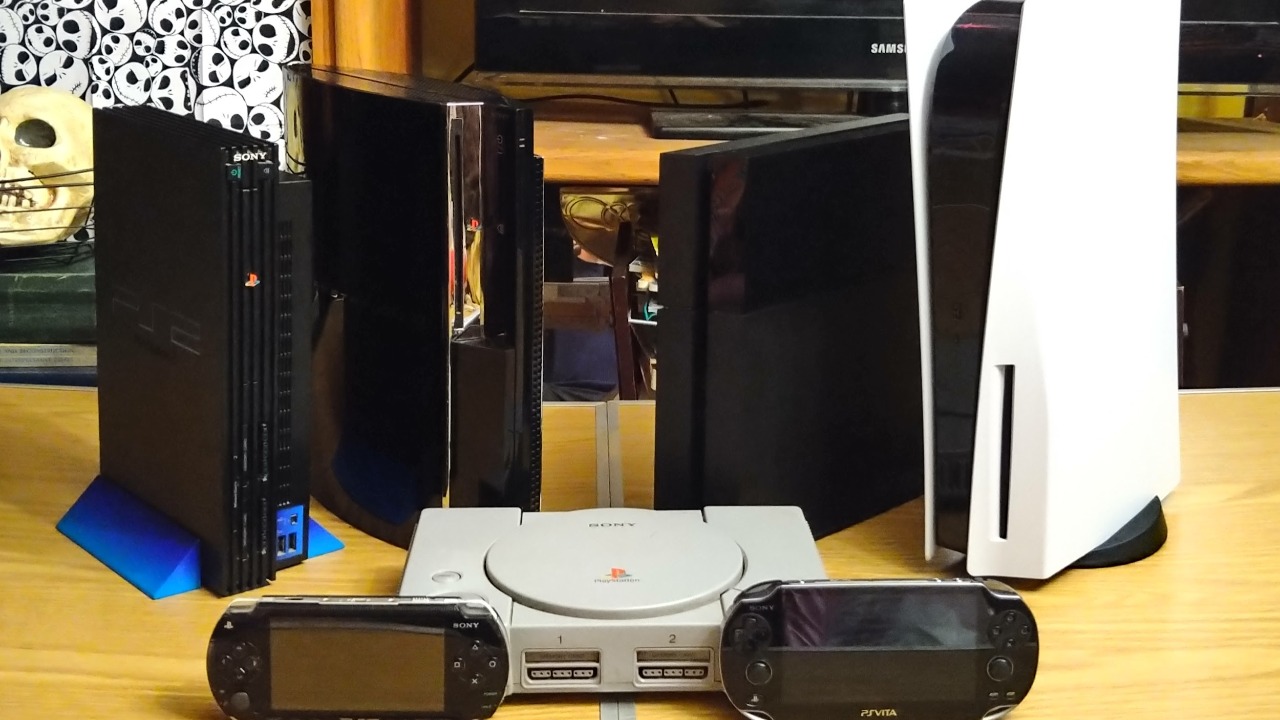
Few categories illustrate the financial upside of smart thrifting as clearly as video games. Legacy consoles and cartridges that once gathered dust in bargain bins now trade for serious money, especially if they are complete and in good cosmetic condition. For players, that means a chance to revisit older titles without paying collector premiums. For resellers, it can turn a casual browse into a meaningful profit.
One breakdown of profitable secondhand finds singles out Video game consoles and popular games as a top category, noting that certain systems can resell for more than $200 and sometimes even thousands when demand is high. A separate guide to valuable retro gadgets points to early handhelds and music players, explaining that the first iPod propelled the digital music revolution and that sealed or pristine units can be worth far more than their original retail price, especially when a Jan era device is still functional. When I connect those dots with the broader resale data, it is clear that consoles and games are not just safe secondhand buys, they are often among the most lucrative.
Refurbished laptops, desktops and monitors that stretch a budget
For shoppers who care more about productivity than nostalgia, used computers and displays can be a practical way to get more performance for less money. The key is to stay within a window where the hardware is still supported by current operating systems and security updates. That is why consumer advocates consistently recommend looking for laptops and desktops that are only a few generations old, ideally with solid-state drives and enough memory to handle modern software.
Guidance aimed at holiday thrifters explicitly lists Laptops, Desktops, and Monitors as safe categories when you stick to relatively recent models, especially if they have been professionally refurbished. A separate explainer on making it a budget-friendly “Thriftmas” reinforces that point, advising shoppers to prioritize smartphones that are no more than three generations old and to avoid difficult-to-clean electronics that might harbor grime or damage, a caution echoed in a video on Dec that walks through which devices are worth the risk. In my view, that combination of clear age guidelines and visible condition checks makes midlife computers and monitors some of the most rational tech purchases you can make secondhand.
Speakers, audio gear and the cult of durable sound
Audio equipment sits in a sweet spot for thrift shoppers. Speakers, amplifiers and receivers have relatively few moving parts, and well-built units can deliver excellent sound decades after they were made. For listeners who care more about warmth and character than the latest wireless standard, older gear can outperform new budget systems at a fraction of the cost.
Fans of long-lasting hardware often cite classic speaker setups as prime examples of “buy it for life” design, with some users in old tech threads praising THX 2.1 systems that have survived years of heavy use. On the resale side, guides to the most profitable electronics to flip highlight categories like Most Profitable Electronics to Resell, where section 2.1 singles out Smartphones under the heading Why Profitable and notes that high demand and brand recognition drive margins. While that section focuses on phones, the same logic applies to well-known audio brands, which can command strong resale prices when found in good condition on a thrift-store shelf.
Vintage gadgets and collectibles that can quietly appreciate
Beyond everyday workhorses, there is a class of vintage tech that functions more like an investment than a tool. Early digital music players, first-generation smartphones and limited-run accessories can all become collectibles once supply dries up and nostalgia kicks in. For thrifters, the challenge is recognizing which devices have crossed that line from outdated to desirable.
One list of retro gadgets that could be worth a lot of money points to early iPods and similar devices, explaining that the first iPod propelled the digital music revolution and that a well-preserved unit can be far more valuable than a newer but generic tech product that has been used heavily. A separate rundown of the top 10 most valuable items found in thrift stores notes that collectors often want items exactly as they appeared on release day, with Sep expert John Larson explaining that original packaging and inserts can dramatically increase value. When I apply that lens to tech, it suggests that sealed or boxed gadgets, even if they look mundane, deserve a second look before you walk past them.
How to spot quality in a crowded electronics aisle
Knowing which categories are promising is only half the battle. The other half is learning to evaluate individual items quickly and safely. I look for three things: visible condition, basic functionality and any clues about age or model that I can check on my phone. Cracked screens, bulging batteries and water damage are immediate red flags, while clean ports and intact labels are encouraging signs.
Experts who coach shoppers on secondhand buying habits emphasize similar habits. A segment on How to thrift holiday gifts smartly, for example, advises avoiding Consid items like difficult-to-clean electronics that may hide grime or damage, and instead focusing on devices you can test in the store. A broader guide to secondhand shopping notes that while Apparel is almost always the first category people think of, tech can be just as sustainable and budget-friendly when you take a closer look at condition and support. In practice, that means plugging in monitors, checking that console disc drives open and close smoothly, and scanning model numbers to see if firmware updates are still available.
Where experts say the real thrift-store tech treasure hides
Seasoned thrifters will tell you that the best tech finds rarely sit at eye level. They are more likely to be tucked under clothing racks, stacked behind board games or hiding in the store’s hardware corner. I have seen this pattern echoed in both anecdotal reports and in how stores themselves promote their electronics sections.
One social post aimed at bargain hunters spells it out bluntly, urging shoppers not to skip the electronics and hardware section because that is where some of the Don BEST treasures hide. A more formal analysis of tech worth buying at thrift stores reinforces that message, noting that many people treat old electronics like junk even when they still work well, which is why Many CRT sets and other gear end up on shelves next to random cables instead of in the more curated display cases. For shoppers willing to dig a little deeper, that misplacement can be an advantage.
Phones and small gadgets: when used makes sense and when it does not
Smartphones and small gadgets are the trickiest part of the thrift-store tech equation. On one hand, they are among the most profitable electronics to resell, especially when they come from brands with strong demand. On the other hand, they raise the biggest questions about security, battery health and long-term support. I find that the best approach is to treat them as a separate category with stricter rules.
A detailed guide to the Top devices to flip lists Most Profitable Electronics to Resell and highlights Smartphones in section 2.1 under the heading Why Profitable, citing iPhones and Samsung Galaxy devices as examples. Consumer guidance on thrifting and gifting echoes that opportunity but adds a crucial caveat, recommending Dec shoppers stick to phones that are no more than three generations old and to verify that they are not carrier locked or tied to someone else’s account. In practice, that means checking activation status in-store and being prepared to walk away if anything looks off.
The overlooked value of branded accessories and peripherals
Finally, there is a quieter category of tech that rarely makes headlines but can deliver outsized value: branded accessories and peripherals. Docking stations, chargers, camera lenses and even high-quality cables can be expensive to buy new, yet they often end up in thrift-store bins priced as generic clutter. For anyone who works with multiple devices, stocking up on these pieces secondhand can save real money.
Search results for specific product listings show how much these items can cost at retail, from laptop chargers to proprietary cables. Similar product pages for docking stations, product listings for monitors, and product breakdowns for branded peripherals underscore how quickly the cost of accessories can add up. When I compare those figures with the prices I see on thrift-store shelves, it reinforces the idea that grabbing a genuine charger or dock for a few dollars is one of the simplest, lowest-risk wins in secondhand tech.
How to balance savings, safety and sustainability
Underneath all these specific categories sits a broader question: what are you optimizing for when you buy tech at a thrift store? For some shoppers, the priority is pure savings. For others, it is about keeping functional hardware out of landfills or finding gear that fits a particular aesthetic or workflow. I find that the smartest buys tend to satisfy at least two of those goals at once.
Guides to secondhand shopping emphasize that categories like What and Apparel are often the first to come to mind, but they also note that well-chosen electronics can be just as sustainable and budget-friendly. A closer look at Top finds and the way collectors like John Larson talk about original condition suggests that tech, when treated with the same care as books or clothing, can hold value over time. In that light, the expert advice to seek out CRTs, durable keyboards, game consoles and quality accessories is not just about scoring a deal. It is about building a more thoughtful relationship with the devices that power daily life, one thrift-store shelf at a time.
To round out the picture, it is worth noting that some tech categories remain risky no matter how tempting the price. Large appliances with complex electronics, heavily used printers and obscure smart-home hubs can be difficult to test and even harder to repair. That is why many of the experts and guides I have drawn on focus instead on smaller, self-contained devices and accessories, from product chargers to product docks and product stands, as well as higher-ticket items like product displays and product accessories. When I put all of this together, the pattern is clear: the smartest thrift-store tech buys are the ones where you can see the condition, test the basics and understand the market value before you head to the checkout line.
More from MorningOverview