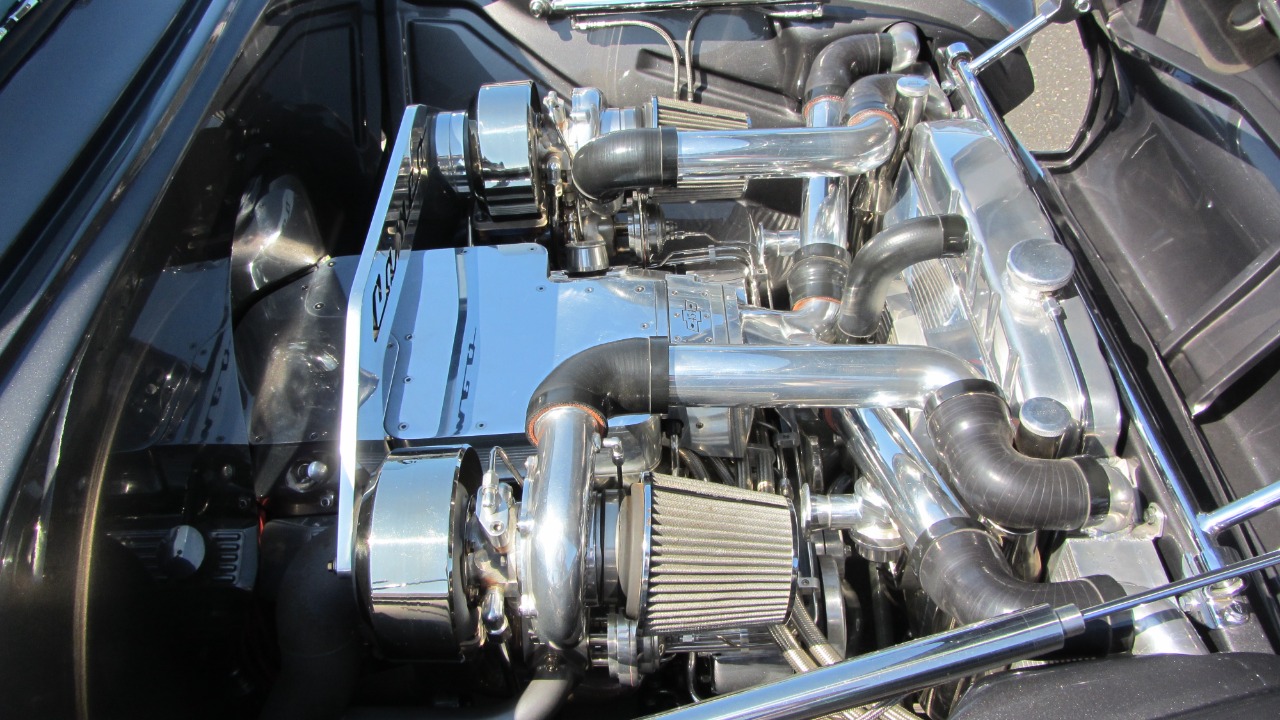

Turbochargers have become a default feature on everything from compact crossovers to full-size pickups, and twin-turbo badges now show up on family SUVs as often as on supercars. The promise is simple: more power from less engine, with better fuel economy as the reward. Whether twin turbos actually help or hurt your gas mileage, however, depends on how they are engineered and how you drive.
At their best, twin-turbo setups let a smaller engine deliver the performance of a larger one while sipping less fuel in everyday use. At their worst, they tempt drivers into using all that extra boost, which can erase any efficiency gains and even leave you worse off than a bigger, naturally aspirated engine.
How a turbocharger saves fuel before it adds power
The basic physics of a turbocharger are friendly to fuel economy. By using exhaust energy that would otherwise be wasted to compress incoming air, a turbo lets an engine burn fuel more completely and make more torque from a smaller displacement. In low and mid load driving, that smaller engine can run in a more efficient part of its map, which is why advocates of Boosting Efficiency argue that the right turbo setup can improve an engine’s power like never before while still cutting consumption.
In practice, this means a turbocharged 2.0 liter four cylinder can deliver the same everyday performance as a naturally aspirated 3.0 liter V6, but with less pumping loss and lower internal friction. Technical explainers on how a turbocharger allows smaller engines to develop the power of a larger naturally aspirated engine underline that this power comes without increasing engine size, which is the core of the efficiency argument.
From single turbo to twin: what actually changes
Once you understand what a single turbo does, the leap to twin turbos is more about packaging and response than magic extra power. A twin setup simply uses two turbochargers instead of one, either in parallel on separate banks of cylinders or in a sequential arrangement where a smaller unit feeds a larger one. Guides that start with the basic question, What Is a turbocharger, emphasize that the core benefit is allowing a more efficient overall engine size, and that logic still applies when you double up the hardware.
Where twins differ is in how they deliver that boost. A detailed look at What Is Twin Turbo explains that using two smaller compressors can reduce lag and spread the torque curve, but it also introduces more complexity and the potential for engine damage if things go wrong. From a fuel economy standpoint, that means twin turbos can keep the engine in its efficient sweet spot more often, yet they also create more opportunities for high boost operation that burns extra fuel.
Twin turbos in theory: why engineers like them for mpg
On paper, twin turbos are a fuel saver’s dream. By splitting the work between two smaller units, engineers can design a system that spools quickly at low rpm and still flows enough air at high load, which keeps the engine operating closer to its ideal efficiency island. Technical blogs on the Role of Turbochargers in Fuel Economy point out that this kind of responsive boost lets a downsized engine deliver strong torque without needing to rev, which reduces pumping losses and can cut fuel use in steady cruising.
That is why, in a widely shared social media post, a Jalopnik writer summarized the theoretical case by saying that Twin turbos generally help improve gas mileage, at least on paper. The same logic shows up in enthusiast discussions where people note that if a turbocharged engine fits the application, it is generally going to be more efficient than getting the same power naturally aspirated, a point echoed in debates on whether turbocharged engines are more fuel efficient when you compare like for like output.
Twin turbos in practice: why your right foot decides the outcome
The catch is that drivers rarely treat a twin-turbo car like a lab experiment. Once you have instant torque and a fat powerband, it is hard to resist using it, and that is where the fuel economy story changes. A detailed feature that bluntly asks whether twin turbos help or hurt gas mileage concludes that the quick and short answer is that they can help, but only if you are not constantly messing around with engine displacement by flooring it and forcing the engine to deliver its full boosted output.
That same nuance shows up in the social media version of the argument, where the author notes that, However, the real world result depends on whether the car is driven properly or not. In other words, the hardware gives you the potential for better mileage, but your right foot decides whether that potential is realized or squandered.
Real-world pros and cons: efficiency versus complexity
Beyond driving style, the hardware trade offs of twin turbos also affect fuel use. Two compressors, two turbines, extra plumbing and more heat to manage all add weight and friction, and they can increase backpressure if the exhaust side is not carefully designed. Overviews of the Advantages of a Turbo Engine note that while turbocharging lets both gasoline and Diesel engines make more power from less displacement, another disadvantage is reliability and the fact that the turbocharger engine is more expensive, which can indirectly shape how aggressively manufacturers tune for efficiency versus durability.
Owners also have to live with the maintenance side of that complexity. A twin-turbo layout doubles the number of bearings and seals that can wear, and if one unit starts to fail, the engine management system may enrich the mixture to protect components, which hurts mileage. Technical explainers on the potential for engine damage in twin-turbo systems underline that poor lubrication or overheating can quickly turn an efficient setup into an expensive repair, and drivers who fear that outcome may avoid using start stop or other fuel saving features that put additional stress on the system.
How twin turbos feel from behind the wheel
From the driver’s seat, the most obvious benefit of twin turbos is how natural they make a small engine feel. With two smaller units sharing the work, boost can build quickly and smoothly, which makes the throttle feel more like a big naturally aspirated engine and less like an on off switch. Dealer explainers that walk shoppers through what twin-turbo engines use highlight that using two turbos helps the engine respond more directly to your foot, which is great for drivability but also makes it easy to dip into boost without realizing it.
That seamless response is a double edged sword for fuel economy. When the car feels strong and effortless at half throttle, you are more likely to accelerate briskly and less likely to coast, both of which increase consumption. Enthusiast discussions about Increased volumetric efficiency from turbos often note that the same improvements that help at low load can encourage drivers to use more of the engine’s potential, which is why some owners report worse mileage after moving from a naturally aspirated car to a turbo model with similar rated economy.
What online debates reveal about twin-turbo mpg
Outside of lab tests and spec sheets, the most candid data point on twin-turbo fuel economy comes from owners arguing about it online. In one widely shared Comments Section, a Top 1% Commenter under the handle rudbri93 argues that turbos do not increase fuel economy by themselves, and that any gains come from replacing a larger engine with a smaller one, while adding superchargers or extra boost stages tends to affect efficiency negatively, mostly due to the extra restriction and heat.
Similar threads in the Comments Section of r/cars feature users pointing out that when you compare a motor that makes 170 hp and 174 lb ft with one that makes 250 hp and 258 lb ft, you are essentially comparing apples to oranges, because the turbo engine is tuned for much higher output and will naturally use more fuel when that power is accessed. Those debates line up with more technical discussions in r/Autos, where posters note that if a turbocharged engine fits the application, it is generally going to be more efficient than getting the same power naturally aspirated, but only if you resist the temptation to drive it like a performance car.
When twin turbos really do help your gas mileage
There are clear scenarios where twin turbos deliver on their efficiency promise. Long highway commutes at steady speeds, towing at moderate loads, and urban driving where the engine spends most of its time at low rpm all play to the strengths of a downsized, boosted engine. Technical breakdowns of how turbos increase fuel mileage emphasize that increased volumetric efficiency and reduced pumping losses at part throttle are where the gains show up, and a twin setup that keeps boost low but available can make it easier for the engine management system to stay in that efficient window.
In those conditions, a twin-turbo V6 in a midsize SUV can match or beat the highway mileage of an older naturally aspirated V8 while still offering more torque for passing and hills. Enthusiast explanations of how a turbocharger allows smaller engines to replace larger ones without sacrificing performance support that real world pattern, and it is the reason so many manufacturers have moved to twin-turbo layouts in trucks and three row crossovers that need both power and acceptable fuel economy ratings.
When twin turbos are more likely to hurt your mpg
The flip side is that twin turbos can absolutely hurt your gas mileage if you live in the boost. Short trips with lots of hard acceleration, mountain driving where you are constantly on and off the throttle, and track days or spirited back road runs all push the engine into high load operation where it must inject more fuel to keep combustion temperatures under control. Technical pieces that spell out that While turbocharging is not a magic fuel saver, it can make a more efficient overall engine size, also caution that once you are at full boost, the engine is effectively behaving like a much larger unit and will drink accordingly.
Owners who complain that their new turbo car gets worse mileage than the old one are often running into this reality. In r/cars, one user in the You thread about why cars with turbos get less gas mileage points out that people tend to compare rated economy while ignoring the fact that the turbo model makes far more power, and that if you actually used a naturally aspirated engine to make the same output, it would likely be less efficient. From a fuel economy perspective, the problem is not the twin turbos themselves, it is how often they are asked to deliver their full potential.
More from MorningOverview