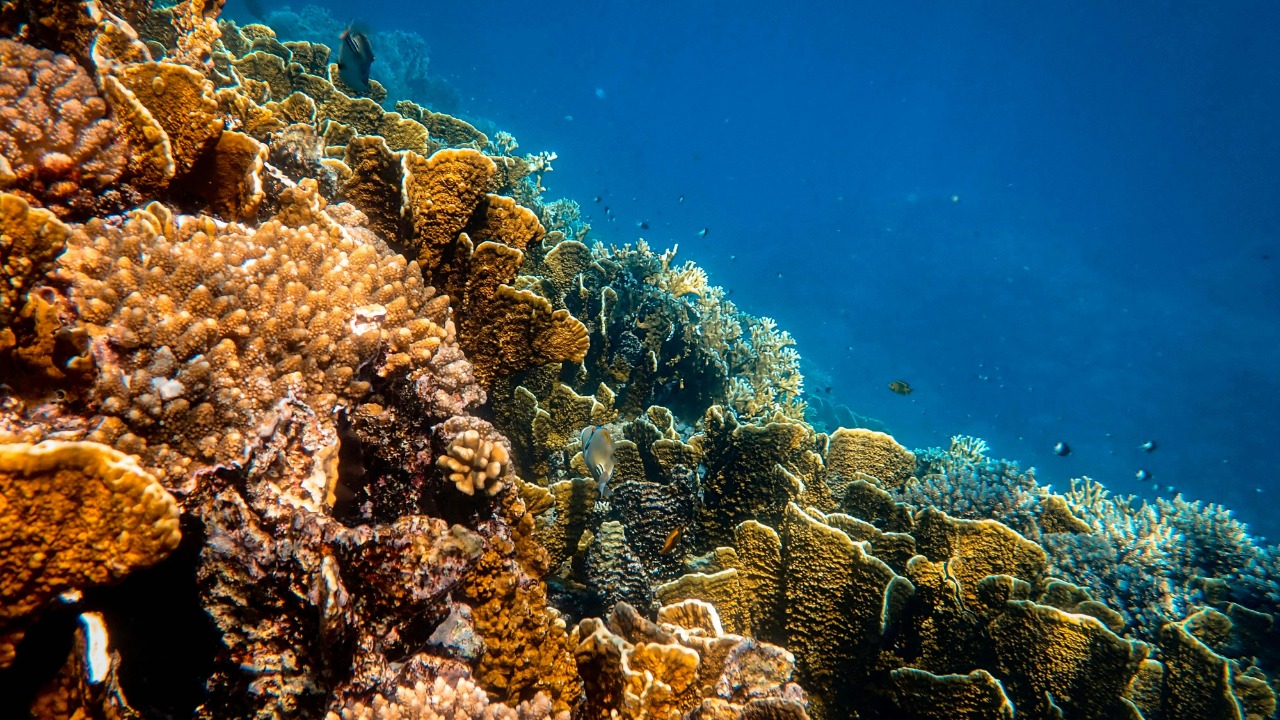

Coral reefs are often framed as postcard scenery or biodiversity hotspots, but they are also working food factories that the world is quietly running into the ground. As overfishing and climate stress strip fish from these “underwater cities,” new research shows that letting reef ecosystems rebuild could dramatically increase the amount of protein they provide. If we treat reefs as critical food infrastructure rather than expendable backdrops, they could help feed millions of people who currently live on the edge of hunger.
From colorful backdrop to global food engine
I see coral reefs as one of the clearest examples of how beauty and utility can coexist in nature, and how easily both can be squandered. These intricate structures, built by tiny animals, host dense communities of fish and invertebrates that have supported coastal diets for generations. When scientists describe reefs as “underwater cities,” they are not being poetic so much as literal, because the branching skeletons of Coral create the three-dimensional habitat that allows so many species to thrive in a compact space.
That density translates into real human dependence. According to coastal data, an estimated Billion People Worldwide benefit directly or indirectly from reef ecosystem services, from food and tourism to shoreline protection. When I look at those numbers, it is clear that the debate over coral health is not just about conservation ethics, it is about the stability of diets and incomes for communities that rarely make global headlines. Treating reefs as optional scenery ignores the scale of what is at stake.
Measuring the cost of overfishing on reefs
For years, coastal fishers have reported catching less from the same waters, and the latest science finally puts a hard number on that loss. Researchers examining heavily exploited reef systems found that overfished coral reefs are producing far less food than they could if fish populations were allowed to recover. In their analysis, the gap between current yields and potential sustainable harvests is not a marginal shortfall, it is a structural deficit created by chronic pressure on breeding stocks.
The same work, framed as Measuring the Cost of Overfishing, shows that rebuilding reef fish communities could deliver a 50 Percent increase in sustainable catch, a figure that should reset how policymakers think about marine food security. A companion analysis of overfished sites underscores that these ecosystems are currently underperforming as food producers, and that restoring them is not a luxury project but a direct investment in human nutrition. When I weigh those findings, the real extravagance looks like continuing to mine reefs for short term gain while leaving so much long term yield on the table.
How much more food could healthy reefs provide
The most striking insight from the new modeling is not just that reefs are depleted, but that their recovery potential is enormous. When scientists simulated scenarios where fishing pressure was reduced and habitats were allowed to heal, they found that restoring fish stocks could boost sustainable yields by nearly 50 percent. That 50 percent jump is not an abstract percentage point on a chart, it represents millions of extra servings of fish that could reach plates every year if managers chose to prioritize long term abundance over immediate extraction.
One summary of the work explains that this increase in yield would translate into additional protein for coastal populations that already rely heavily on reef fish, especially in regions where alternative sources are scarce. The analysis, highlighted in coverage of Restoring reef fisheries, makes a simple but powerful point: the fastest way to get more food from these ecosystems is not to fish harder, but to fish smarter and give populations time to rebuild. In my view, that flips the usual narrative that conservation is a drag on development, showing instead that restraint can be the most productive strategy.
Reefs, hunger and a crowded planet
Any discussion of reef recovery has to be set against the scale of global demand. With a human population of 8.3 billion people and millions facing malnutrition, the world is searching for reliable, low carbon sources of protein. Coastal fisheries are already central to that equation, particularly in small island states and tropical nations where imported food is expensive and local agriculture is constrained by land and water limits. In that context, the idea that existing reef systems could feed millions more people if allowed to recover is not a niche conservation argument, it is a mainstream food policy opportunity.
The same research that quantified the 50 Percent potential boost in reef yields frames recovery as a powerful tool against global hunger, especially when combined with other measures like reducing waste and improving distribution. When I connect those dots, I see coral management as part of a broader strategy to stabilize diets in a warming world, rather than a side project for marine specialists. The choice is not between feeding people now and protecting ecosystems for later, it is between a short burst of extraction and a steady flow of food that can support communities for generations.
Why coral reefs are a climate-smart investment
Beyond their role in food security, reefs are increasingly being recognized as strategic assets in the climate era. Healthy coral structures buffer coastlines from storms, support tourism, and underpin fisheries, which together create a compelling economic case for protection. Analysts who look at the full balance sheet argue that Investing in coral reef ecosystems delivers outsized returns because a single intervention can safeguard housing, jobs, and nutrition at the same time.
One assessment describes how the value of coral extends from local tourism revenue to groundbreaking medical research, positioning these habitats as one of the most efficient forms of natural infrastructure. In that framing, Investing in Coral is not just about preserving wildlife, it is about locking in a portfolio of services that will only become more important as seas rise and storms intensify. When I weigh that against the relatively modest cost of better fisheries management and habitat restoration, the label “ultimate climate investment” starts to look less like rhetoric and more like a straightforward description.
Economic lifelines from reefs, from Florida to the tropics
The economic story of reefs is not confined to remote islands or developing nations. In the United States, for example, coral ecosystems underpin a significant slice of coastal economies, from dive tourism to recreational fishing. A clear illustration comes from Florida, where managers have documented how Coral Reefs Fuel Florida tourism and related businesses, and how targeted restoration can stabilize that income stream. When I look at those numbers, it is obvious that reef health is not a niche environmental concern but a core part of regional economic planning.
One feature on the region explains that Coral Reefs Fuel Florida Economy and that Restoration Ensures Their Future by boosting the local tourism sector in ways that can be measured in jobs and revenue, not just ecological indicators. That same logic applies across the tropics, where reef based tourism and fisheries often represent one of the few viable industries. When I connect those examples back to the global food debate, the message is consistent: rebuilding reefs is both a nutrition policy and an economic development strategy.
What rebuilding actually looks like in the water
Talking about “letting reefs rebuild” can sound abstract, but on the ground and in the water it comes down to a mix of restraint and targeted action. The first step is usually to reduce fishing pressure on key species, especially herbivores and large predators that play outsized roles in maintaining ecosystem balance. That can involve temporary closures, gear restrictions, or catch limits that give fish populations room to grow. In my experience following these projects, the most successful ones are designed with local fishers so that rules are realistic and benefits are shared.
Alongside management changes, many regions are experimenting with active restoration, from coral gardening to artificial structures that provide new habitat. In Florida, for instance, restoration teams have shown that carefully planned interventions can help damaged areas recover more quickly, which in turn supports both tourism and fisheries. Similar principles underpin global efforts described in analyses of coral reef recovery, where the focus is on combining habitat work with better governance so that gains are not immediately erased by renewed overfishing. When I look across these examples, the pattern is clear: rebuilding is less about high tech fixes and more about giving nature a chance to do what it does best, with a nudge in the right places.
Policy choices that decide whether reefs can feed millions
The science on potential yield is compelling, but whether reefs actually deliver that food depends on decisions made far from the waterline. Fisheries regulations, marine protected areas, and climate policies all shape the conditions under which coral ecosystems either recover or continue to decline. When researchers warn that overfished coral reefs are producing far less food than they could, they are effectively pointing to a policy failure, not an inevitable ecological fate. The gap between current and potential yields is a space where governance can make a measurable difference.
One synthesis of the new findings notes that overfished coral reefs could become a powerful tool against global hunger if fish populations were allowed to recover through strong conservation measures implemented promptly. In my view, that language is unusually direct for scientific work, and it reflects a growing impatience with incremental change. The choice now is whether governments, local communities, and international funders treat reef rebuilding as a central plank of food and climate policy, or as a worthy but optional side project. The evidence suggests that if we get those choices right, coral ecosystems can move from being symbols of loss to engines of resilience for millions of people.
More from MorningOverview