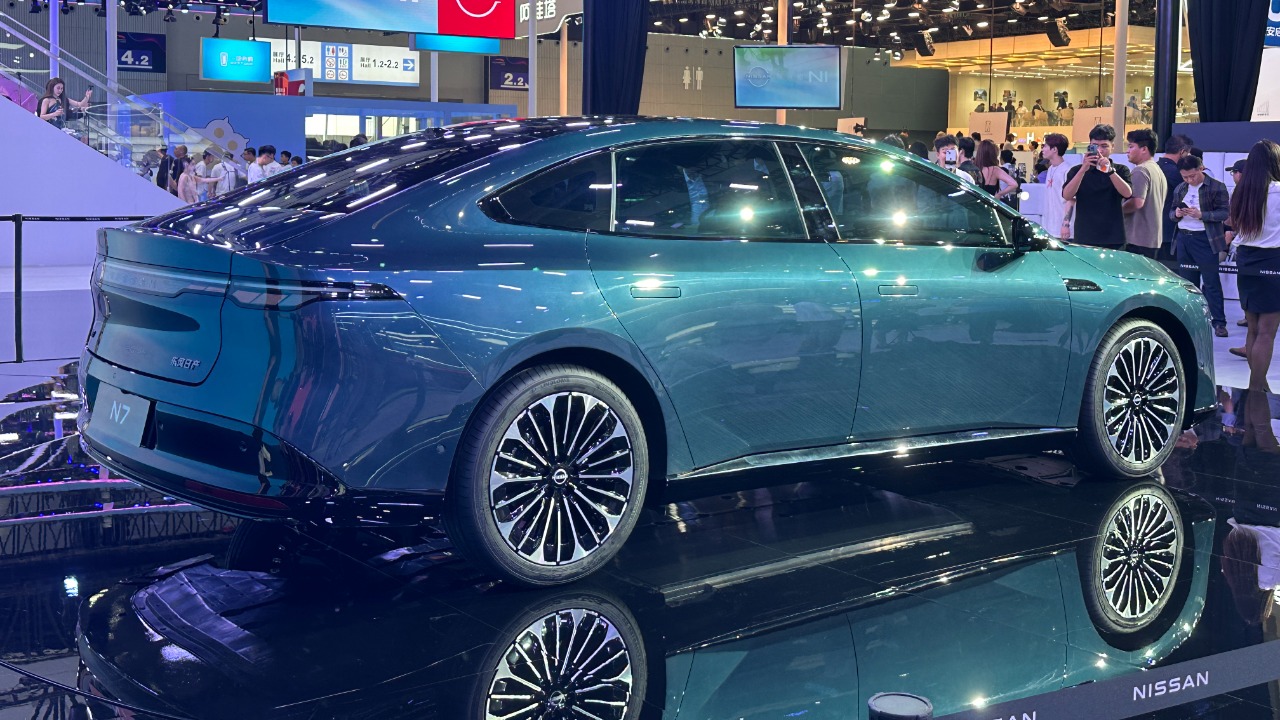

Japanese automakers have long been praised for reliability and value, but new owner data shows that dependability does not always translate into driving joy. In the latest satisfaction rankings from Consumer Reports, one familiar name from Japan lands at the bottom of the pack for how happy its customers are with their cars. That brand is Nissan, and its low score raises a blunt question: what happens when a company known for sensible transportation forgets to make its cars feel special from behind the wheel?
How Consumer Reports measures “fun” in the real world
When people talk about a car being “fun,” they usually mean a mix of quick responses, confident handling, and a cabin that feels good to spend time in, not just raw horsepower. Consumer Reports captures that idea through its owner satisfaction surveys, which ask drivers whether they would buy the same vehicle again and how they rate key elements such as performance, comfort, and driving experience. Those responses are then rolled into brand-level scores that reveal which badges leave owners smiling and which ones leave them shrugging.
In the latest owner satisfaction breakdown, the organization pairs those survey results with its broader reliability and road-test data to show how brands stack up overall. The same research that identifies the most and least liked car brands also highlights how often a supposedly sensible choice ends up feeling dull once the new-car smell fades. That is where Nissan’s trouble begins, because its reputation for practicality is not being matched by enthusiasm from the people who actually drive its cars every day.
Nissan’s fall to the bottom of Japanese owner satisfaction
According to Jan, the latest analysis of Consumer Reports data shows that Nissan is the least satisfying Japanese automaker to own, trailing rivals that share its home market but not its current image problem. Japanese car manufacturers are known for building durable, efficient vehicles, yet Nissan’s owners report lower levels of happiness with their purchases than drivers of Toyota, Honda, or Subaru. In the brand rankings, Nissan ends up closer to struggling mass-market names from other regions than to the Japanese leaders it once aimed to match.
The same Jan coverage notes that, while some Japanese brands still inspire strong loyalty, that enthusiasm does not extend to Nissan on the list of owner favorites. The report on the least satisfying brands makes clear that Nissan’s position reflects how owners feel about the entire experience, from daily driving to long-term contentment. For a company that once sold itself on spirited coupes and engaging sedans, being tagged as the least satisfying Japanese brand is a sharp verdict on how far its mainstream lineup has drifted from fun.
Comfort, not thrills, is where Nissan still competes
Owner satisfaction is not only about cornering grip or acceleration, and Nissan does manage to hold its own in some of the more practical categories. Comfort plays a major role in how people judge their cars, including seat support, cabin noise, and ride quality, and those are areas where the brand’s crossovers and sedans can still feel pleasant enough. The survey framework that highlights the COMFORT metrics shows that a quiet, soft ride can boost scores even when the driving dynamics are forgettable.
Yet comfort alone rarely makes a car memorable, and that is where Nissan’s strategy appears to fall short. The brand has leaned heavily on predictable, easygoing behavior, but owners are telling surveyors that this approach does not offset a lack of excitement or character. When a vehicle isolates the driver from the road without offering much feedback or engagement, it can feel more like an appliance than a companion, and the satisfaction data suggests that many Nissan buyers feel exactly that way once the novelty of a new purchase wears off.
How Nissan compares with Japanese rivals that still delight drivers
To understand why Nissan looks so flat in the satisfaction tables, it helps to see how other Japanese brands manage to balance sensibility with enjoyment. In the latest brand-quality rankings, Subaru, Honda, and Toyota all land near the top, showing that it is possible to deliver reliability and engaging dynamics at the same time. The list of which brands make the best cars places Subaru first, with Honda and Toyota also in the top five, underscoring how their lineups mix practical crossovers with models that still feel lively and precise on the road.
Those same brands have cultivated reputations for steering feel, chassis tuning, and powertrains that respond crisply to driver inputs, even in everyday models like the Subaru Forester, Honda Civic, or Toyota RAV4. Nissan, by contrast, has spent much of the past decade chasing volume with aggressively priced crossovers and sedans that often rely on continuously variable transmissions and conservative suspension setups. The result is a portfolio that looks competitive on paper but, as the satisfaction scores show, does not inspire the same loyalty or repeat-buy intent as its Japanese peers that continue to prioritize how a car feels to drive.
Reliability is not Nissan’s main problem
One easy assumption is that a low satisfaction score must reflect poor reliability, but the broader data complicates that story. Consumer Reports publishes an Annual Reliability Rankings list that tracks how often vehicles break, how serious the issues are, and how they compare across brands. In the most recent rundown of the 10 most reliable car brands, Japanese names dominate the upper tier, reinforcing the idea that buyers still trust that country’s automakers to build durable machines.
Nissan does not sit at the very top of that reliability chart, but its biggest issue in the satisfaction survey is not catastrophic mechanical failure. Instead, the gap between what owners expected and what they actually enjoy day to day seems to be driving the disappointment. When a car starts every morning and avoids big repair bills yet still feels bland, noisy, or disconnected, drivers are less likely to say they would buy it again. That is the core of Nissan’s challenge: the brand is being judged not only on whether its vehicles last, but on whether they make their owners feel anything along the way.
What the broader brand rankings say about Nissan’s direction
Looking beyond Japan, the cross-brand comparisons highlight how far Nissan has slipped in the race to build cars that people genuinely love. A recent synthesis of testing and survey data points to Ford, Honda, Hyundai, Subaru, Tesla, and Toyota as the companies that currently make the best overall products, blending performance, safety, and owner happiness. In that analysis of which brands make the best cars, Nissan is notably absent from the top tier, a sign that its lineup is not keeping pace with rivals that have invested heavily in driving dynamics and technology.
That absence matters because it shows Nissan is being outflanked not only by traditional Japanese competitors but also by American, Korean, and electric-first brands that have made driving enjoyment part of their identity. Ford has leaned into performance variants and sharp steering, Hyundai has pushed into sportier N models, and Tesla has built its reputation on instant torque and futuristic cabins. Against that backdrop, Nissan’s mainstream offerings feel conservative, and the owner satisfaction scores confirm that this conservatism is not translating into the kind of quiet contentment that might offset a lack of excitement.
Mitsubishi shows how budget brands can still keep owners content
Nissan is not the only Japanese automaker fighting for relevance, but it is not the only one judged on more than just thrills either. Mitsubishi, another Japanese brand that has struggled in recent years, offers a useful comparison because it competes heavily on price and value. Jan notes that Mitsubishi has seen its share of struggles, yet it still earns a place among car brands known for not destroying a household budget with repair costs, a reminder that affordability and durability can keep some buyers satisfied even when the driving experience is modest.
The profile of Mitsubishi in that value-focused list underscores how expectations shape satisfaction. Owners who choose a low-cost Outlander or Mirage often prioritize basic transportation and low running costs over sharp handling or premium cabins, so they may be more forgiving of a dull drive. Nissan, by contrast, positions many of its models as more aspirational, with bolder styling and higher prices, which raises the bar for how enjoyable they should feel. When the experience does not live up to that promise, the disappointment shows up clearly in the satisfaction rankings.
Why Nissan’s “least fun” label matters for its future
Being tagged as the least satisfying Japanese brand to drive is more than a bruised ego for Nissan, it is a warning about long-term loyalty. Owner satisfaction scores are closely tied to repeat purchases, and when a company’s customers say they would not buy the same car again, that signals trouble for future sales. In a market where Subaru, Honda, and Toyota are not only building reliable vehicles but also topping lists of the most liked brands, Nissan risks losing buyers who might once have stayed in the family for multiple generations of sedans and crossovers.
For Nissan to shed its reputation as the least fun Japanese brand in the Consumer Reports satisfaction data, it will need more than a few sporty trims or marketing slogans. The company will have to rethink how its mainstream models steer, accelerate, and ride, and how their cabins make drivers feel during the daily grind. If it can bring some of the spirit that once defined cars like the 350Z and early Altima into its bread-and-butter Rogues and Sentras, the next round of owner surveys may tell a different story. Until then, the message from current owners is clear: reliability and value are not enough when the drive itself leaves them cold.
More from Morning Overview