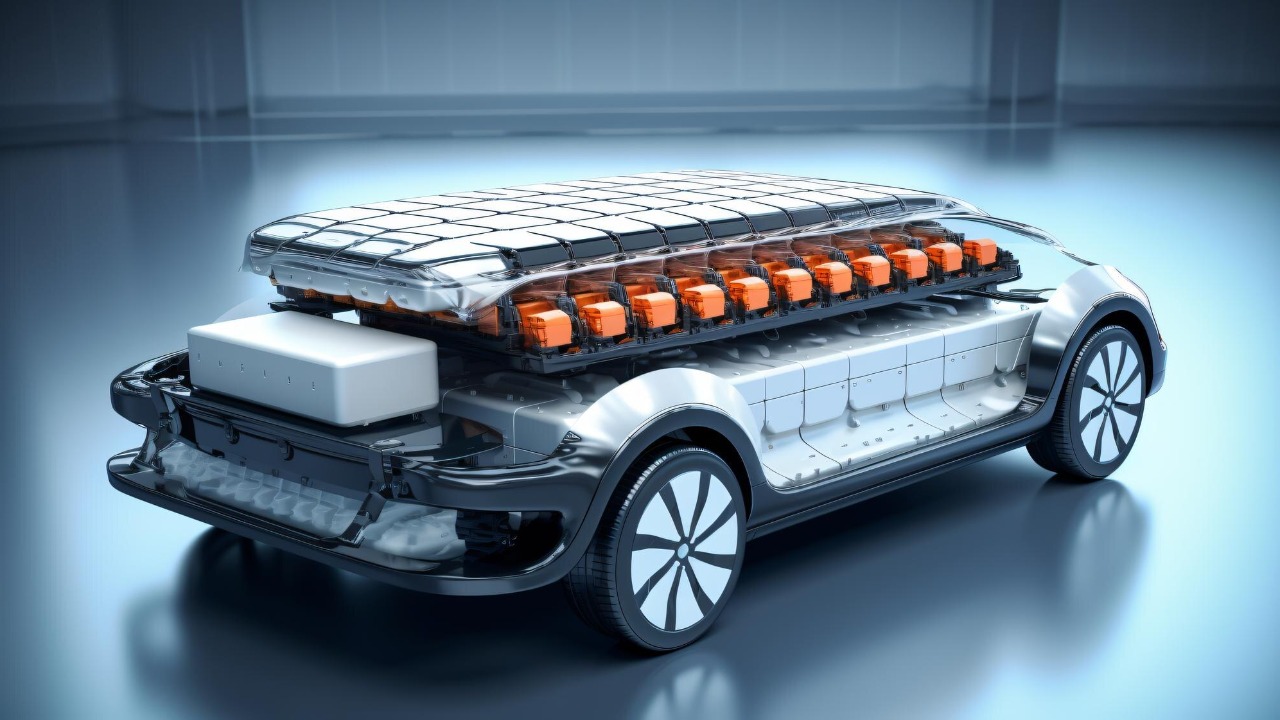

China has moved first to spell out what counts as a “solid-state” battery, turning a buzzword into a regulated category with real technical meaning. By locking in definitions and safety rules ahead of rivals, Beijing is trying to shape how the next generation of electric vehicle batteries is designed, tested, and sold worldwide.
Instead of waiting for the technology to mature, regulators are writing standards in parallel with the labs and factories that are racing to commercialize it. That choice could accelerate deployment, but it also raises the stakes for automakers and suppliers that now have to measure their ambitions against China’s rulebook.
China’s early move to define “solid-state” batteries
China has not just talked about solid-state batteries, it has moved to define them in binding technical language before other major markets have even agreed on basic terms. I see that as a deliberate attempt to turn regulatory clarity into industrial advantage, because whoever writes the definitions often ends up setting the benchmarks that global companies design around. The new framework is meant to distinguish genuine solid-state systems from incremental tweaks to today’s lithium-ion packs, so that marketing hype does not outrun engineering reality.
Reporting on the move describes how officials have framed this as part of a broader effort to “redefine the groundwork for solid-state batteries,” with Jan and phrases like “Redefining the Groundwork for Solid, Stat” used to signal that the country wants to anchor the vocabulary and performance expectations for the field. At the center of that effort is a formal description of what materials and architectures qualify as solid-state, which is laid out in detail in coverage of redefining the groundwork. By moving first, China is effectively inviting foreign automakers and suppliers to treat its definitions as the default, especially if they want to sell into the world’s largest electric vehicle market.
From buzzword to regulated category
For years, “solid-state” has been a catch-all label slapped on everything from lab prototypes to incremental improvements in conventional cells, and that vagueness has suited companies that wanted to promise breakthroughs without committing to specific metrics. China’s new approach tries to close that gap by turning the term into a regulated category, with clear thresholds that products must meet before they can be marketed under the solid-state banner. In practice, that means engineers and lawyers will now have to read the same technical annexes, rather than letting branding departments define the frontier.
The draft national standard that is now out for consultation spells out those thresholds in unusually concrete terms. One key requirement, for example, sets the allowable weight percentage of liquid or gel electrolyte that can be present in a cell that is still allowed to call itself solid-state, a detail highlighted in analysis of clearer technical criteria. By tying the label to specific material compositions and performance tests, regulators are trying to prevent a repeat of earlier EV cycles, when vague claims about “long range” or “fast charging” often left buyers guessing what they were actually getting.
Inside the draft national standard
The document under consultation is not a loose set of guidelines, it is the first installment of a structured national standard series that will eventually cover everything from chemistry to crash behavior. I read it as a blueprint for how China wants solid-state EV batteries to evolve, because it sets out not only definitions but also test methods and performance bands that manufacturers will have to hit. That kind of detail matters, since it can nudge companies toward certain design choices, such as favoring particular solid electrolytes or cell formats that are easier to certify.
According to coverage of the consultation, the text is explicitly described as the first part of a broader system that will later add performance requirements, safety specifications, and durability standards for solid-state packs used in vehicles. The description of the document as “the first installment of a broader national standard series on solid-state” comes through clearly in reporting on the first installment. By staging the rules this way, regulators can lock in core definitions now, then tighten or expand the performance envelope as the technology matures and real-world data accumulates.
How safety rules and definitions fit together
China is not defining solid-state batteries in isolation, it is weaving those definitions into a wider safety regime for new energy vehicles that is also being upgraded. The country is set to enforce what is described as the world’s first mandatory safety regulations for new energy vehicle batteries that explicitly address how packs behave in crashes and thermal events. That context matters, because it means the solid-state standard is being built into a system that already expects batteries to survive abuse tests without turning a collision into a fire or toxic leak.
In a broader look at the auto sector, officials highlight that these new rules are meant to ensure that when a battery is damaged, the gas or smoke produced does not harm occupants, and that structural protections keep cells from intruding into the passenger cabin. Those goals are spelled out in coverage of how China is set to enforce the upgraded safety regulations. By aligning the definition of solid-state batteries with these safety expectations, regulators are signaling that the technology will be judged not only on range and charging speed, but also on how it behaves in the worst moments an EV can face.
Why timing matters for China’s EV ambitions
China’s decision to move first on definitions is not happening in a vacuum, it is part of a broader strategy to stay ahead in the global race for electric vehicles and advanced batteries. Earlier this year, officials framed the auto industry’s transformation as a national priority, pointing to rapid growth in new energy vehicle sales and exports as proof that the country’s industrial policy is paying off. By locking in standards now, they are trying to ensure that the next wave of innovation, including solid-state packs, reinforces that lead rather than eroding it.
In a retrospective on the past year, Jan is cited in connection with how China’s auto sector has been reshaped by electrification, with regulators and companies moving in tandem to scale up production and tighten rules. The same reporting notes that China is using standards and safety regulations as tools to steer investment into technologies that align with its long term goals. Setting the terms of what counts as solid-state fits neatly into that pattern, because it gives domestic champions a clear target while forcing foreign rivals to adapt if they want to compete on equal footing in the Chinese market.
Global hype versus China’s rulebook
Solid-state batteries have been hyped globally as a kind of magic bullet for electric vehicles, promising longer range, faster charging, and improved safety in a single leap. Automakers from Japan to Europe have teased prototypes and timelines, often with eye catching numbers that are meant to capture investors’ and drivers’ imaginations. The gap between those promises and what is actually on the road has grown wide, and that is precisely the gap China’s regulators are now trying to narrow with their definitions and test protocols.
One vivid example of the hype comes from Jul, when a widely shared presentation about a Toyota concept described a future car that could run 1,200 km on a single charge and refill its battery in just 10 minutes. That kind of claim illustrates why regulators are wary of letting the term “solid-state” float free of measurable criteria, because it invites a race to out promise rivals without necessarily proving that those figures can be delivered safely and repeatedly in mass production. By contrast, China’s rulebook tries to anchor the conversation in specific chemistries, material limits, and durability tests, even if that means some of the more spectacular marketing numbers will have to wait.
What the standards mean for automakers and suppliers
For automakers, the new standards are both a constraint and a roadmap. On one hand, they raise the bar for any company that wants to label its next generation packs as solid-state in China, since engineers will have to design cells that meet the material composition limits and pass the associated performance tests. On the other hand, they provide clarity about what regulators will accept, which can reduce uncertainty for long term investments in factories and supply chains. I see that clarity as especially valuable for smaller suppliers, which often struggle to guess where the regulatory goalposts will end up.
Suppliers of electrolytes, separators, and cathode materials will also have to adjust, because the definitions effectively privilege certain classes of solid or quasi solid electrolytes over others. The consultation text, described in detail in analysis of a more comprehensive regulatory system, makes clear that the national standard series will eventually cover durability and safety in addition to basic definitions. That means suppliers will not only have to hit composition targets, they will also need to prove that their materials can survive thousands of charge cycles and harsh temperature swings without degrading in ways that compromise safety.
How China’s move could shape global norms
When a market as large as China codifies a technical definition, it often ends up influencing how the rest of the world talks about and regulates the same technology. Automakers that design a solid-state pack to meet Chinese standards are unlikely to create a completely different version for other regions, especially if the Chinese rules are among the strictest. Over time, that can turn a national standard into a de facto global baseline, even if other regulators never formally adopt the same language.
Coverage of the move to define solid-state batteries, including analysis under the headline fragment “China Just Defined What, Solid, State, Batteries Are, Before Anyone Else Could,” underscores that timing advantage. The reporting notes that China Just Defined What counts as solid-state at a moment when other major markets are still debating how to regulate advanced batteries. If those markets eventually move in a similar direction, they may find themselves aligning with standards that were first drafted in Beijing, which would further entrench China’s influence over the technical and commercial trajectory of the technology.
The next phase: from consultation to enforcement
The current draft standard is still out for public comment, which means companies and research institutes have a window to argue over the fine print. That process is not just a formality, it is a chance for industry to push back on thresholds they see as unrealistic or to lobby for definitions that favor their preferred chemistries. Once the consultation closes and the final text is issued, however, the room for maneuver will shrink, and the definitions will start to shape certification processes, product roadmaps, and even marketing language.
Officials have signaled that the solid-state standard will be integrated into the broader regulatory architecture for new energy vehicles, which already includes the upcoming mandatory safety rules for batteries. The way those pieces fit together is described in coverage of how China is set to enforce stricter safety requirements, and in analysis of the draft’s role as the first installment of a larger standard series. Once enforcement begins, the phrase “solid-state battery” will no longer be a loose promise about the future, at least in China. It will be a regulated status that products must earn, and that shift could ripple far beyond the country’s borders.
More from MorningOverview