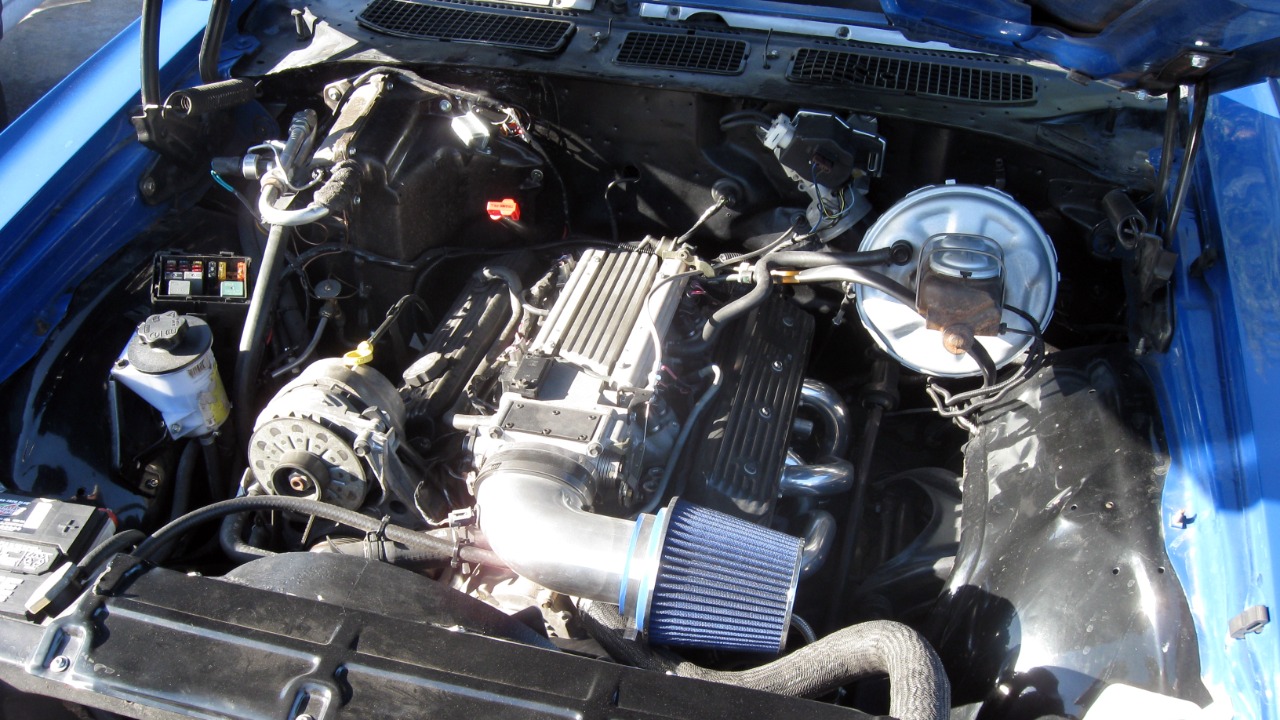

The LT1 and LT2 sit at the heart of modern Chevrolet performance, and understanding how they differ is crucial if you care about how your Corvette or Camaro really behaves on the road. Both are 6.2‑liter small blocks, but their design, packaging, and tuning create distinct personalities that affect everything from lap times to daily drivability. I will walk through the key structural and performance differences so you can decide which engine better fits your priorities.
Where the LT1 and LT2 fit in Chevy’s performance family
The LT1 arrived first as the workhorse Gen V Small Block V8 for rear‑drive performance cars, powering models like The SS version of the sixth‑generation Chevrolet Camaro and front‑engine Corvettes. It was engineered as a versatile platform that could live under a traditional long hood, support both manual and automatic transmissions, and deliver broad torque for street use as well as track work. Chevrolet also turned it into a crate package, which is why you now see LT1 swaps in everything from classic Chevelles to restomod trucks.
The LT2, by contrast, is a Corvette‑only evolution that debuted with the mid‑engine C8 Corvette Stingray, where the entire car was designed around the engine’s new location behind the driver. As a Gen V Small Block that arrived after the LT1, it builds on the same basic architecture but pushes harder on airflow, lubrication, and packaging to suit a mid‑engine layout. That is why detailed breakdowns of every Gen V motor describe the LT2 Gen V Small Block as a Corvette exclusive for the Current Stingray, emphasizing that it is not just a re‑badged LT1 but a package of improvements that you can feel in real‑world driving, as explained in depth in Gen Small Block.
Shared DNA: displacement, layout, and core architecture
Under the skin, the LT1 and LT2 share a surprising amount of hardware, which is why some enthusiasts casually lump them together. Both engines are described as 6.2-liter V8s with direct injection, aluminum blocks, and pushrod valvetrains, and they trace their lineage back to the same Gen V Small Block architecture. Reports that compare the two note that they use the same displacement, bore spacing, and general block design, which keeps manufacturing efficient and allows Chevrolet to reuse proven components where it makes sense.
That common DNA shows up in the way both engines deliver low‑end torque and a classic small‑block sound, even though their intake and exhaust systems diverge. Technical breakdowns of the Physical differences between the LT1 and LT2 point out that the engines share the same 6.2-liter displacement and basic cylinder block, but diverge in how they manage airflow and oiling between the two cylinder banks. Those shared fundamentals are why a deep dive into the LT1 and LT2 architecture describes them as closely related, then immediately pivots to the packaging and breathing changes that set them apart in Physical differences.
Power and torque: how the numbers really stack up
On paper, the LT2 clearly edges out the LT1, and that gap is not just marketing spin. Factory crate specifications list the LT1 at 455 Horsepower and 455 lb‑ft of Torque, with a Max Recommended RPM of 6,600 and a displacement of 376 cubic inches, which translates to 6.2 liters. Those figures already put the LT1 in serious performance territory for a naturally aspirated V8, especially when you consider how broad the torque curve feels in everyday driving and on track.
The LT2 takes that foundation and pushes it further, with coverage of the two engines stating that the LT2 boasts 495 horsepower and 470 lb‑ft of torque compared to the LT1’s lower output. Analysts who lay out the hard facts emphasize that this roughly 40‑horsepower and 15‑lb‑ft bump is not trivial, especially when combined with the C8’s mid‑engine traction advantage. One detailed comparison frames it as the First and most obvious difference between the two, arguing that the LT2’s extra power and torque, quoted as 495 and 470, help the C8 Corvette Stingray punch above its weight in both straight‑line acceleration and track performance, as highlighted in First and.
Intake breathing and exhaust flow: where the LT2 finds extra power
The LT2’s power advantage is rooted in how it moves air, not in a bigger displacement or forced induction. Engineers rethought the intake path for the mid‑engine Corvette, allowing a taller, less restricted manifold that is not constrained by a low hood line. Technical analysis of the C8’s engine notes that the LT2 benefits from Better Intake Breathing that is worth roughly a 3 percent performance boost on its own, thanks to a more direct path for air into the cylinders and revised runner geometry that favors high‑rpm flow without sacrificing midrange response.
Packaging the intake manifold under a traditional front hood forced compromises on the LT1, which had to stay low and flat to preserve sightlines and styling, while the LT2’s mid‑engine layout freed designers to prioritize airflow. The same analysis explains that Packaging the LT1 intake beneath the hood constrained its height and volume, while the LT2’s new layout allowed a taller plenum and re‑angled runners that help it breathe better at the top of the rev range. That is why detailed comparisons of the C8 Corvette’s LT2 engine versus the C7’s LT1 engine keep coming back to the intake and exhaust as key reasons the LT2 pulls harder, as laid out in Better Intake Breathing.
Lubrication, cooling, and track durability
Beyond airflow, the LT2’s internal systems are tuned for sustained high‑g cornering in a way that reflects its mid‑engine mission. With the engine now sitting behind the driver and closer to the rear axle, oil slosh and temperature management become more complex, especially during long track sessions. Engineers responded with a more sophisticated lubrication layout that keeps oil pressure stable even when the car is pulling serious lateral grip, which is critical for a Corvette that is expected to spend real time on road courses rather than just boulevards.
Technical walk‑throughs of the LT2’s design emphasize that its lubrication and cooling upgrades are part of a broader package of improvements that you can feel, especially when the car is driven hard. The same Gen V overview that calls the LT2 a Corvette‑only engine for the Current Stingray also highlights how its oiling and thermal management are tailored to the mid‑engine chassis, reinforcing that this is not just an LT1 with a different intake. That is why detailed guides to every Gen V Chevrolet LT motor underscore that the LT2 Gen V Small Block was engineered with track durability in mind, as explained in Corvette Stingray.
Vehicle applications: Camaro SS versus Corvette Stingray
Where these engines live shapes how they feel. The LT1 serves as the entry‑level V8 in the sixth‑generation Camaro, where The SS model is equipped with a 6.2L LT1 V8 engine that can be paired with a 6‑speed manual or an automatic transmission. In that context, the LT1 has to balance raw performance with daily usability, offering enough low‑rpm torque to make the car feel relaxed in traffic while still delivering the high‑rpm punch that buyers expect from a modern muscle coupe. Its front‑engine, rear‑drive layout also means weight distribution and traction differ significantly from a mid‑engine sports car.
The LT2, on the other hand, is reserved for the C8 Corvette Stingray, where the entire platform is tuned around its mid‑engine balance and higher output. Official specifications for the 2026 Corvette Stingray describe a sports car that pairs this engine with advanced chassis electronics, multiple drive modes, and performance‑oriented options like Z51 packages, all wrapped in a low, wide body. The same overview notes that trims like 2LT include everything on 1LT plus upgrades such as a 14‑speaker Bose Performance Series sound system and Heated and ventilated seats, underscoring that the LT2 lives in a more premium, track‑capable environment, as detailed in Bose.
Chassis integration and handling: more than just horsepower
Because the LT2 sits at the center of a mid‑engine chassis, its impact on handling is as important as its raw output. Moving the mass of the engine closer to the car’s center shortens the polar moment of inertia, which makes the Corvette more eager to change direction and more stable at high speed. Analysts who compare the LT1 and LT2 point out that the LT2’s placement and slightly lower center of gravity substantially affect the handling, allowing the C8 to put its 495 horsepower and 470 lb‑ft of torque to the ground more effectively when exiting corners.
That integration shows up clearly in overviews of the 2026 Corvette Stingray, which describe At‑a‑Glance Specifications that tie the LT2’s performance to the chassis built at the Manufacturing Plant known as GM Bowling Green Assembly in Kentucky, USA. The same summary explains that the Stingray’s available body styles and performance packages are all calibrated around the LT2’s characteristics, reinforcing that this engine is not a drop‑in swap but a core structural element of the car. Those Glance Specifications make it clear that the LT2’s mid‑engine layout is central to how the Corvette behaves, as outlined in Glance Specifications.
Real‑world driving: street manners, trims, and use cases
On the street, the LT1’s more traditional layout and slightly lower output can actually be an advantage for some drivers. In a Camaro SS, the LT1’s torque delivery and gearing make it easy to exploit without constantly flirting with license‑losing speeds, and the front‑engine packaging leaves more room for everyday practicality. Owners who prioritize a blend of performance and comfort often choose trims that add convenience features without changing the engine, mirroring how other Chevrolet models use LT badges to signal equipment levels rather than power upgrades.
A good example of that philosophy appears in discussions of the 2025 Chevrolet Trax, where analysts explain that in this case, the LS vs LT specs under the hood and in safety tech are almost equal, and the main difference between these trims comes down to comfort and convenience rather than performance or safety. That same logic applies when you compare LT1‑powered cars with different option packages, and it helps explain why some buyers are content with an LT1 even when the LT2 exists. The Trax comparison makes clear that LT badges can mean very different things depending on context, as outlined in LS vs LT.
Trim strategy and how the engines fit into the broader Corvette lineup
Within the Corvette family, the LT2 is not just an engine, it is the foundation for a layered trim strategy that mixes performance with luxury. The 2LT trim, for instance, is described as Elevated Luxury and Tech that builds on the performance of the 1LT with enhanced convenience and safety features. That means a buyer can choose how much comfort and technology to pair with the same LT2 powertrain, rather than stepping up to a different engine just to get a better interior or more driver assistance features.
Detailed previews of the 2026 Chevy Corvette Stingray explain that the 2LT: Elevated Luxury and Tech configuration adds items like advanced audio, upgraded seats, and additional safety systems such as Side Blind Zone Alert for added safety, all while retaining the same LT2 at its core. This approach underscores how Chevrolet positions the LT2 as the baseline for the Stingray, then layers equipment around it, in contrast to the LT1’s role across multiple platforms. That trim strategy is laid out clearly in Elevated Luxury and Tech.
Tuning, aftermarket potential, and enthusiast perspectives
From an enthusiast’s standpoint, both engines respond well to tuning, but their starting points and packaging constraints lead to different modification paths. The LT1’s front‑engine layout and simpler intake routing make it relatively straightforward to add bolt‑ons like long‑tube headers, cold‑air intakes, and even superchargers, which is why the LT1 crate engine is popular among builders. Official crate documentation describes the LT1 as a Next Gen Small Block with 455 horsepower and 455 lb‑ft of torque in stock form, giving tuners a solid baseline that can be pushed significantly higher with forced induction and supporting upgrades.
The LT2, while more powerful out of the box, presents a more complex environment for modifications because of its mid‑engine packaging and tighter engine bay. Enthusiast videos that walk around the C8’s engine bay show how the intake, exhaust, and accessory drives are tucked tightly between the cabin and rear axle, which can complicate traditional bolt‑on paths. One such clip, focused on the C8’s engine layout and sound, highlights how the LT2’s mid‑engine placement changes both the visual and acoustic experience for owners, as seen in a detailed LT2 overview.
How to choose: LT1 value versus LT2 performance
Choosing between LT1 and LT2 power ultimately comes down to how you plan to use the car and what you value most. If you want a more affordable entry into V8 performance with a traditional front‑engine feel, the LT1 in a Camaro SS or as a crate engine offers a compelling mix of power, tunability, and everyday usability. Its 455 horsepower and 455 lb‑ft of torque, combined with the option of a manual transmission in cars like the Camaro, make it a favorite for drivers who enjoy a more analog experience and are comfortable trading some outright performance for cost savings and simplicity.
If your priority is maximum performance in a modern package, the LT2 in the C8 Corvette Stingray delivers a higher ceiling right out of the box. With 495 horsepower and 470 lb‑ft of torque, a mid‑engine layout that transforms handling, and a chassis designed around its specific needs, the LT2 represents the cutting edge of Chevrolet’s naturally aspirated V8 engineering. Future‑focused previews of the 2026 Stingray frame the LT2 as the heart of a sports car that blends track capability with luxury, reinforcing that this engine is aimed at buyers who want the most advanced expression of Chevy’s small‑block heritage, as described in LT2 handling.
Supporting sources: Chevrolet Camaro (sixth generation) – Wikipedia, LT1 Crate Engines | Chevrolet Performance Parts.
More from MorningOverview