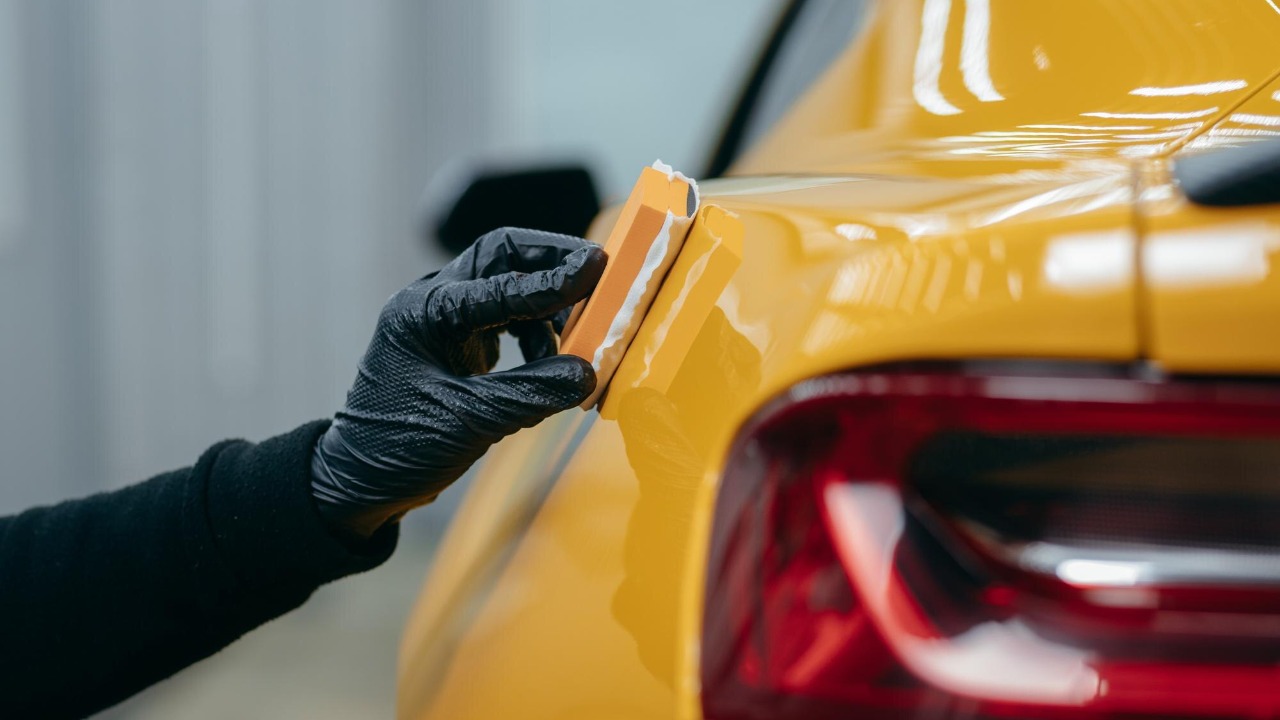

Ceramic coatings promise a deep gloss and years of protection, but applied or maintained the wrong way they can etch, haze or even strip your clear coat. Instead of a slick, self-cleaning finish, a few avoidable mistakes can leave a 2022 Honda Civic or a 2018 Ford F-150 looking worse than it did before the detailer ever opened the bottle. I want to walk through the errors that most often turn a high-tech shield into an expensive headache, and how to avoid each one before it quietly ruins your car’s finish.
1. Misunderstanding what ceramic coating can and cannot do
The first mistake happens before a single drop touches the paint: treating ceramic as a magic armor that makes a car “scratch proof” and maintenance free. In reality, coatings add chemical resistance, UV protection and hydrophobic behavior, but they do not replace the clear coat or make a Tesla Model 3 immune to rock chips and deep scratches. Several detailing guides on Common Mistakes About Ceramic Coatings stress that overpromising leads owners to skip basic care, which shortens the life of the coating and accelerates visible wear.
I also see drivers assume that because a product advertises a multi-year lifespan, they can ignore bird droppings, tree sap or hard water spots until the next wash day. That is exactly how etching sneaks through the coating and into the clear coat, especially on darker colors like black BMWs or deep blue Subarus. Professional maintenance guides explain that even the best formulas still need gentle washing, periodic decontamination and top-up protection to stay effective, which is why step-by-step advice on how to properly maintain a ceramic coating emphasizes routine care rather than a “set it and forget it” mindset.
2. Skipping or rushing surface preparation
If there is one error that consistently ruins results, it is poor prep. Ceramic needs a surgically clean, defect-free surface to bond, and any leftover wax, old sealant, embedded iron or swirl marks will be locked under a semi-permanent shell. Multiple professional checklists on Top Ceramic Coating Mistakes and similar guides list “Not Prepping the Surface Properly” as the number one cause of failure, because contamination acts like a physical barrier that prevents the coating from anchoring to the clear coat.
In practice, that means a full decontamination wash, iron remover, clay bar and at least a light polish on a car like a 2016 Toyota Camry before any coating touches the paint. When detailers in Brookfield outline Common Ceramic Coating Mistakes, they put “Improper Surface Preparation” and “Using the Wrong Coating Compound” at the top of the list, because skipping polish or failing to strip old products leaves patchy adhesion and visible holograms that the coating will only highlight.
3. Using the wrong product or technique for the job
Even with perfect prep, the wrong coating or sloppy technique can sabotage the finish. Not every formula suits every use case: a professional-grade product designed for a controlled shop environment is a poor match for a first-time DIYer working in a home garage. The Brookfield checklist on Using the Wrong Coating Compound warns that mismatching chemistry to the vehicle’s clear coat or climate can cause streaking, premature failure or even staining on softer paints.
Technique matters just as much as product choice. Training pieces on common mistakes to avoid when applying ceramic coating highlight “Incorrect Product Application” as a core problem, from working in huge sections that flash before you can level them, to ignoring the manufacturer’s crosshatch pattern and cure times. When owners rush a coating onto a large SUV like a Chevrolet Tahoe without respecting working time or overlap, they end up with high spots, missed areas and a blotchy gloss that can only be corrected with machine polishing.
4. Ignoring environment, temperature and cure time
Ceramic chemistry is sensitive to temperature, humidity and airflow, yet many DIY jobs happen in driveways or open garages where conditions swing wildly. Application guides that break down each Mistake warn that environmental factors such as temperature and humidity can slow or speed curing, cause “sweating” on the surface or even lead to outright coating failure. If the panel is too hot from sun exposure, the solvent can flash off before the coating levels, leaving a patchy, rainbow sheen that is very difficult to remove.
Once the product is on the car, cure time becomes the next trap. Many manufacturers specify that the vehicle must stay dry and indoors for a set number of hours, yet owners often drive a freshly coated Mazda CX-5 straight into rain or a dusty construction zone. Detailed breakdowns in “What Happens If You Apply Ceramic Coating Incorrectly” explain that When the coating is disturbed before it has crosslinked, it can trap moisture, haze over or lose much of its hydrophobic performance, forcing a full correction and reapplication.
5. Over-applying, under-leveling and creating high spots
More product does not equal more protection, but it does create more problems. Over-application is a recurring theme in professional write-ups on Common Mistakes Explained, which note that thick layers can cure unevenly, reduce hydrophobic behavior and make removal extremely difficult. On a white Audi Q5, those excess layers often show up as dull patches or rainbow-tinted smears that stand out in sunlight.
The related error is failing to level the coating properly, which leaves “high spots” that look like smeared oil or dark islands on the panel. Correction videos such as “Ceramic Coating Disaster! How To Fix A Botched Job” show how Have high spots, residue and missed areas often require machine polishing with ultra-fine abrasives to remove the hardened coating. That process can thin the clear coat if repeated, so the safest strategy is to apply thin, even layers and carefully buff off excess within the recommended window.
6. Trusting harsh washes and cheap shortcuts after application
Even a flawless install can be undone by bad wash habits. Automatic tunnel washes with spinning brushes are a particular threat, because they grind dirt into the surface and leave swirl marks that are very visible on a coated finish. Detailing checklists that list Things That Will Ruin Your Ceramic Coating put drive-thru or automatic car washes at the top, explaining that the aggressive detergents and recycled water strip away hydrophobic top layers and can even mar the underlying coating.
Owners also get into trouble by washing too soon or with the wrong tools. A breakdown of the Biggest Mistakes People Make After Ceramic Coating notes that “Washing the Car Too Soon” and using automatic car washes with rollers can disrupt the curing process and introduce scratches. Another guide on Common Mistakes to Avoid After Getting Ceramic Coating for Your Vehicle stresses that when you finally decide to wash, you should use a pH-balanced shampoo, a plush wash mitt and a two-bucket method to prevent swirl marks or scratches that would otherwise scar the coating.
7. Neglecting ongoing maintenance and environmental hazards
Another way to ruin a coating is to treat it as a shield against everything the environment throws at your car. In reality, certain contaminants are still dangerous, they just buy you a bit more time. Maintenance guides that ask What Can Ruin Ceramic Coating list common hazards such as bird droppings, bug splatter, road salt and industrial fallout, all of which can stain or etch if left on the surface. On a coated 2020 Jeep Wrangler that spends weekends off-road, caked mud and salt can also abrade the coating if they are not rinsed away promptly.
Sun and water are quieter threats. A detailed breakdown of What is destroying your ceramic coating notes that UV radiation is another significant factor, slowly degrading the coating’s chemistry, while hard water can leave mineral deposits that bond to the surface. Another maintenance-focused guide on What Destroys Ceramic Coating explains that one of the most significant threats is improper washing and neglect, which allow contaminants to accumulate and reduce the coating’s protective effectiveness long before its advertised lifespan.
8. Botching the “do’s and don’ts” in the first weeks
The first days after application are when the coating is most vulnerable, yet that is exactly when many owners make their biggest mistakes. Professional installers often hand over a care sheet that warns against rain, sprinklers and washing, but those instructions are easy to ignore once the car looks glossy and “done.” A practical guide to do’s and don’ts after getting a ceramic coating applied explains that after ensuring your coated vehicle is properly cured, following simple rules like avoiding harsh chemicals and abrasive towels delivers greater benefits down the line.
Ignoring those early rules can lock in damage that is hard to reverse. Lists of the Top Mistakes People Make After Getting Ceramic Coating include driving through construction zones that pepper the fresh coating with tar and gravel, or parking under sap-heavy trees that drip onto still-soft surfaces. When those contaminants bond during the curing window, they often require aggressive polishing to remove, which defeats the purpose of having just invested in a protective layer.
9. Over-correcting problems and damaging the clear coat
Once something goes wrong, the instinct is to scrub harder or reach for stronger chemicals, but that can do more harm than the original flaw. Technical explainers on Common Problems With Ceramic Coatings confirm that yes, it is possible to mess up a DIY ceramic coating application, and that a lot of vehicle owners try to fix high spots or streaks with aggressive compounds that risk damaging a vehicle’s clear coat. On thinner factory finishes, especially on compact cars like a Hyundai Elantra, repeated heavy polishing can leave the clear dangerously thin.
Even before correction, using the wrong cleaners can strip or weaken the coating. Some owners reach for strong degreasers or household products, assuming the ceramic layer will shrug them off. Professional guidance on ceramic coating problems notes that improper surface prep is the number one cause of failure, but it also warns that harsh chemicals and neglect can erode the coating and expose the paint. When that happens, the only real fix is to polish back the damaged layer and start again, which is far more invasive than the careful, incremental corrections that should have been used in the first place.
10. Cutting corners on installers, products and long-term care
Behind many horror stories is a decision to chase the cheapest option. Budget packages that promise multi-year protection at a fraction of the going rate often cut corners on prep, product quality or both. A detailed guide to the Biggest Ceramic Coating Mistakes lists “Mistake #1: Choosing the Cheapest Coating Package” and explains that low-cost jobs may skip essential polishing or use inferior coatings that fail early, leaving owners with dull, contaminated paint that is harder to correct than if nothing had been applied.
Long-term care is where that false economy really shows. Owners who invest in a quality install but then refuse to buy proper wash supplies or schedule periodic inspections end up with a finish that degrades years ahead of schedule. Maintenance-focused resources on how to properly maintain a ceramic coating and application checklists on Inadequate Surface Preparation both point to the same conclusion: the coating is only as good as the prep, the product and the habits that follow. When those three align, a ceramic layer can keep a daily-driven Volkswagen Golf looking sharp for years. When they do not, the very coating meant to protect your car’s finish becomes the reason it looks tired long before its time.
More from MorningOverview