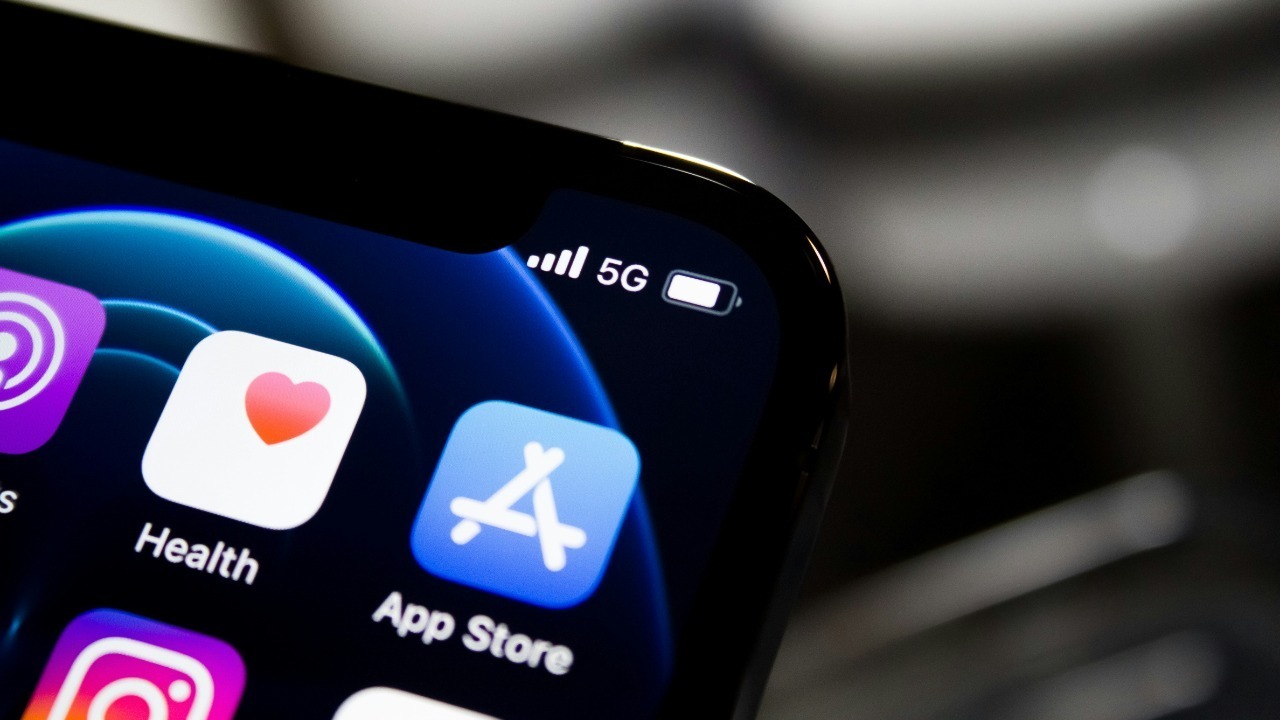

Apple’s tightly controlled iPhone ecosystem is about to look very different in Brazil, where regulators have forced the company to accept third-party app stores and looser rules on payments. The settlement could reshape how developers reach users in one of Latin America’s biggest markets and, if it proves workable, give other countries a template for prying open Apple’s platform.
I see Brazil’s deal as more than a local regulatory skirmish: it is a live experiment in how far Apple can be pushed toward a more open model without abandoning its core business logic of control, fees, and security. What happens next in São Paulo and Rio will be watched closely in Brussels, Seoul, Washington, and beyond.
Brazil’s antitrust win that forced Apple to blink
Brazil’s competition regulator, the Administrative Council for Economic Defense, has spent years probing how Apple runs the App Store and whether its rules unfairly lock in users and developers. That pressure culminated in a settlement in which Apple agreed to let iPhone owners in Brazil install apps from alternative storefronts, a major shift for a company that has long insisted that its own store is the only safe and legitimate gateway. The Administrative Council for Economic Defense, often referred to as CADE, framed the deal as a way to restore competition in mobile software distribution after finding that Apple’s existing policies limited choice and raised costs for Brazilian consumers and businesses.
Under the agreement, CADE secured commitments that go beyond vague promises and into concrete obligations, including the right for developers to distribute apps through third-party stores and to steer users toward external payment options. Brazil’s Administrative Council for Economic Defense, CADE, formally approved a settlement with Apple that requires the company to support alternative app stores and payments within the country’s iOS ecosystem, embedding those obligations in a binding framework that regulators can enforce if Apple backtracks on its commitments to a more open environment in Brazil’s mobile market, as detailed in the regulator’s description of Brazil’s Administrative Council for Economic Defense, CADE, Apple.
What Apple actually agreed to change on iOS
At the heart of the settlement is a technical and policy shift that will let iOS users in Brazil install apps from third-party marketplaces, not just from Apple’s own App Store. Apple has agreed to allow these alternative stores to run on iPhones in Brazil, effectively enabling a form of sideloading that the company has resisted for years on security and privacy grounds. The deal also loosens long-standing restrictions on how apps can handle payments, giving developers more freedom to direct users to external websites or in-app flows that are not processed through Apple’s own billing system.
Regulators have described this as an “iOS rules change,” and the settlement spells out that Apple must permit third-party app store alternatives and allow links or other mechanisms that send users to external websites for transactions, with the agreement running for a defined period and backed by the threat of penalties if Apple violates its terms. Brazil’s antitrust authority, CADE, has publicly said that Apple must open its platform to these new distribution and payment options, characterizing the move as a structural change in how iOS operates in the country and outlining that the agreement will run for several years with the possibility of fines if Apple fails to comply, according to CADE’s account of the iOS rules change as Apple, AAPL, Mortgage Rates Fall Off, Cliff, Year Low.
Alternative app stores and sideloading by April
The settlement is not just theoretical, it comes with a clear implementation timeline that will force Apple to move quickly. The company has committed to enabling alternative app distribution in Brazil by around April, which means iOS will need new mechanisms to recognize and install apps from third-party stores within a matter of months. That schedule suggests Apple has already been working on the underlying software changes, likely adapting some of the same internal tools it has been developing to comply with other regulatory regimes that demand more open app distribution.
Regulators have said that, due to their action, Apple has agreed to allow alternative app stores and more on iOS in Brazil by April, and internal documentation about alternative app distribution has been cited as evidence that the company is preparing to support multiple storefronts and new payment flows within the Brazilian market. The commitment to allow alternative app stores and more on iOS in Brazil, due to regulatory action that set an April deadline, is laid out in detail in a description of how Apple, Allow Alternative App Stores and More, Brazil, Due will reshape iOS distribution in the country.
The new fee structure and Apple’s Core Technology logic
Opening the door to third-party app stores does not mean Apple is walking away from the money it makes on software. Instead, the company is preparing a new fee structure for Brazil that will let it keep charging developers even when purchases happen outside the official App Store. Apple plans to introduce a revised commission model that applies to transactions routed through external payment systems or alternative storefronts, effectively turning access to iOS users into a service that developers pay for regardless of where the actual sale is processed.
In Brazil, Apple has signaled that it will transition to a percentage-based Core Technology Commission for apps that use external payments or other distribution channels, collecting its cut through app-sale proceeds and related mechanisms rather than relying solely on in-app purchases processed by its own billing system. Apple has described this Core Technology Commission for developers as a way to recover the costs of maintaining the underlying platform and tools, and it has said it will transition to this percentage-based model for apps that rely on external payments or alternative distribution, as outlined in a report on how Apple, Core Technology Commission for will be collected through app-sale proceeds.
Developers weigh new opportunities against lingering costs
For developers, Brazil’s settlement is a double-edged sword. On one side, the ability to launch their own app stores or partner with independent marketplaces promises more control over pricing, merchandising, and customer relationships. A Brazilian fintech could, for example, distribute its banking app through a specialized financial services store that bundles related tools, while a major game publisher could run a dedicated marketplace for its own titles, similar to how Epic Games distributes Fortnite on Android outside Google Play. On the other side, Apple’s insistence on a Core Technology Commission and other fees means that the financial upside of bypassing the App Store’s traditional cut may be smaller than some had hoped.
Developers are already parsing early reports about how Apple will introduce a new App Store fee structure in Brazil following the antitrust settlement, with some commentary highlighting that the Article says according to a summary of the deal, Apple will still collect commissions on transactions that flow through all 3rd party app stores, even when payments are processed externally. The discussion around Apple’s plan to Introduce New App Store Fee Structure in Brazil Following Antitrust Settlement, and the Article’s claim that the company intends to apply its commissions to all 3rd party app stores, has been a focal point in developer forums that dissect the implications of Apple, Introduce New App Store Fee Structure, Brazil Following Antitrust Settlement, Article.
How Brazil’s deal fits into Apple’s global regulatory battles
Brazil is not the first jurisdiction to challenge Apple’s control over app distribution, but the settlement there adds a significant new front to a global pattern. In Europe, the company has been forced to accommodate alternative app stores and side-loading under the Digital Markets Act, while regulators in places like South Korea have targeted its in-app payment rules. Brazil’s move shows that large emerging markets are now willing to demand similar concessions, using antitrust law to push Apple toward a more interoperable model that could eventually become a de facto global standard if enough countries align on similar requirements.
Apple itself has acknowledged that it has had to deal with regulatory pressure to open up the iPhone to third-party app storefronts in a number of countries, and the Brazilian settlement is being framed as part of that broader trend of governments insisting on more competition in mobile ecosystems. Reporting on how Apple agrees to third-party App Store alternatives in Brazil notes that the company is responding to a wave of regulatory scrutiny that has already reshaped its policies in other regions, underscoring that Dec, Apple is now adapting its iOS rules country by country rather than relying on a single global playbook.
Brazil’s settlement as a template for other markets
What makes Brazil’s agreement especially important is the level of detail it appears to contain about how alternative app stores and payments must work in practice. Rather than simply telling Apple to “be more open,” CADE has set out specific obligations, timelines, and enforcement mechanisms, including the possibility of fines if Apple fails to comply. That kind of structured settlement can be copied and adapted by other regulators, who may see Brazil’s deal as proof that it is possible to force Apple to accept third-party stores while still keeping the iPhone ecosystem functioning.
Analysts have already suggested that the Brazilian settlement could serve as a model for other countries, especially those that, like Brazil, have large domestic tech sectors and a strong interest in lowering the costs of digital services. One report on Apple’s decision to allow third-party app stores in Brazil notes that the company reached a settlement with Brazil’s antitrust regulator, the Administrative Council for Economic Defense, CAD, and that this agreement could influence how other regulators structure their own demands for alternative app distribution, given that Dec, Apple, Brazil, Administrative Council for Economic Defense, CAD have now established a concrete framework for opening iOS.
The unresolved questions around Apple’s Brazilian fees
Even as the broad contours of the settlement come into focus, the exact economics of Apple’s new Brazilian model remain murky. Reports indicate that Apple Inc will still charge developers a commission on transactions, including those processed through external payment systems, but the precise percentages and thresholds have not been fully disclosed. That uncertainty makes it hard for developers to model whether launching or joining a third-party store in Brazil will meaningfully improve their margins compared with staying inside the traditional App Store structure.
One analysis of the settlement notes that, while the exact details of the new fee structure remain somewhat veiled, sources indicate that Apple, Apple Inc, will apply its commissions even to purchases handled outside its own billing system, suggesting that the company views access to iOS users as a billable service regardless of how money changes hands. The description of how, while the exact details of the new fee structure remain somewhat veiled, Apple, Apple Inc will still collect commissions on transactions processed through external payment systems underscores that the Brazilian deal is less about eliminating Apple’s cut and more about changing how and where it is collected, as explained in a breakdown of how While the, Apple, Apple Inc settles the Brazil antitrust case and enables iOS sideloading by April.
Brazil’s broader tech ambitions and the 35 metric
Brazil’s push to open up Apple’s ecosystem is not happening in a vacuum, it reflects a broader ambition to strengthen the country’s digital economy and give local companies more leverage over the platforms they depend on. Brazilian regulators have been watching how large app marketplaces shape competition, particularly in sectors like e-commerce and fintech where domestic players have grown rapidly. In that context, forcing Apple to accept third-party app stores is as much about empowering Brazilian developers and startups as it is about lowering prices for consumers.
Coverage of Apple’s plans to allow third-party app stores in Brazil has pointed out that the settlement emerged after years of complaints from South American companies and that regulators have cited specific figures, including the metric 35, in discussions about how app fees and platform rules affect local businesses. One detailed account of how Apple plans to allow third-party app stores in Brazil, originally posted in Japanese, notes that regulators referenced the figure 35 in the context of app fees and competition, illustrating how granular the debate has become over the costs imposed by closed ecosystems and how those costs ripple through Brazil’s tech sector, as described in a report on Dec, Apple, Brazil, Japanese, 35.
What Brazilian iPhone users can expect on their home screens
For everyday iPhone owners in Brazil, the most visible change will be the appearance of new icons and prompts that sit alongside Apple’s familiar App Store. Users may be able to download a Brazilian marketplace app that then offers its own catalog of software, or they might see in-app links that take them to external websites to complete purchases for services like streaming subscriptions or ride-hailing credits. Over time, I expect Brazilian users to encounter a more fragmented but potentially richer app landscape, with specialized stores catering to gaming, banking, or local services that previously had to fight for visibility inside Apple’s single global storefront.
Regulators have emphasized that Apple will soon allow alternative iOS app stores in Brazil, and that users will be able to download apps and make purchases without always going through the official App Store, including by going through alternative app stores that operate under the new rules. The announcement that Apple will soon allow alternative iOS app stores in Brazil, enabling users to install software and complete transactions by going through alternative app stores instead of the default marketplace, gives a preview of how Brazilian home screens and purchase flows will evolve once the settlement takes full effect, as outlined in a description of how Dec, Apple, Brazil will change the experience for iOS users.
Apple’s balancing act between openness and control
Apple’s Brazilian settlement captures the tightrope the company is now walking worldwide. On one side, regulators are demanding more openness, more competition, and more flexibility for developers and users. On the other, Apple is determined to preserve the security narrative and revenue streams that have defined the iPhone era. By allowing third-party app stores while layering on a Core Technology Commission and other conditions, Apple is trying to show that it can comply with antitrust rulings without surrendering its core business model.
Reports on Apple’s plans in Brazil make clear that the company will introduce a new App Store fee structure in Brazil following the antitrust settlement, and that this structure is designed to capture value from transactions that take place outside apps as well as those that remain inside the official store. The description of how Apple will Introduce New App Store Fee Structure in Brazil Following Antitrust Settlement, including commissions on transactions that take place outside their apps, underscores the company’s strategy of opening the door to alternative distribution while still charging for the underlying platform access, as detailed in an analysis of Dec, Apple, Introduce New App Store Fee Structure, Brazil Following Antitrust Settlement, Wednesday December.
Why Brazil’s move could reshape Apple’s global playbook
As Apple implements these changes in Brazil, I expect other regulators to study the results closely. If third-party app stores take off without major security incidents, and if developers and consumers embrace the new options despite Apple’s continued commissions, it will be harder for the company to argue elsewhere that similar reforms are unworkable. Conversely, if the Brazilian experiment leads to confusion, fragmentation, or high-profile abuse, Apple will likely point to that experience as a cautionary tale in its negotiations with other governments.
For now, the Brazilian settlement stands as a clear example of a national regulator forcing Apple to accept structural changes to its iOS rules, including support for alternative app stores and external payments, in a way that could be replicated in other markets. One detailed account of the agreement notes that Apple will allow alternative app stores and more on iOS in Brazil, and that this shift is part of a broader pattern of the company adapting its policies in response to regulatory action, reinforcing the idea that Brazil’s approach could influence how Apple designs its global strategy for app distribution and fees, as seen in the description of how Dec, Apple agrees to third-party App Store alternatives in Brazil.
More from MorningOverview