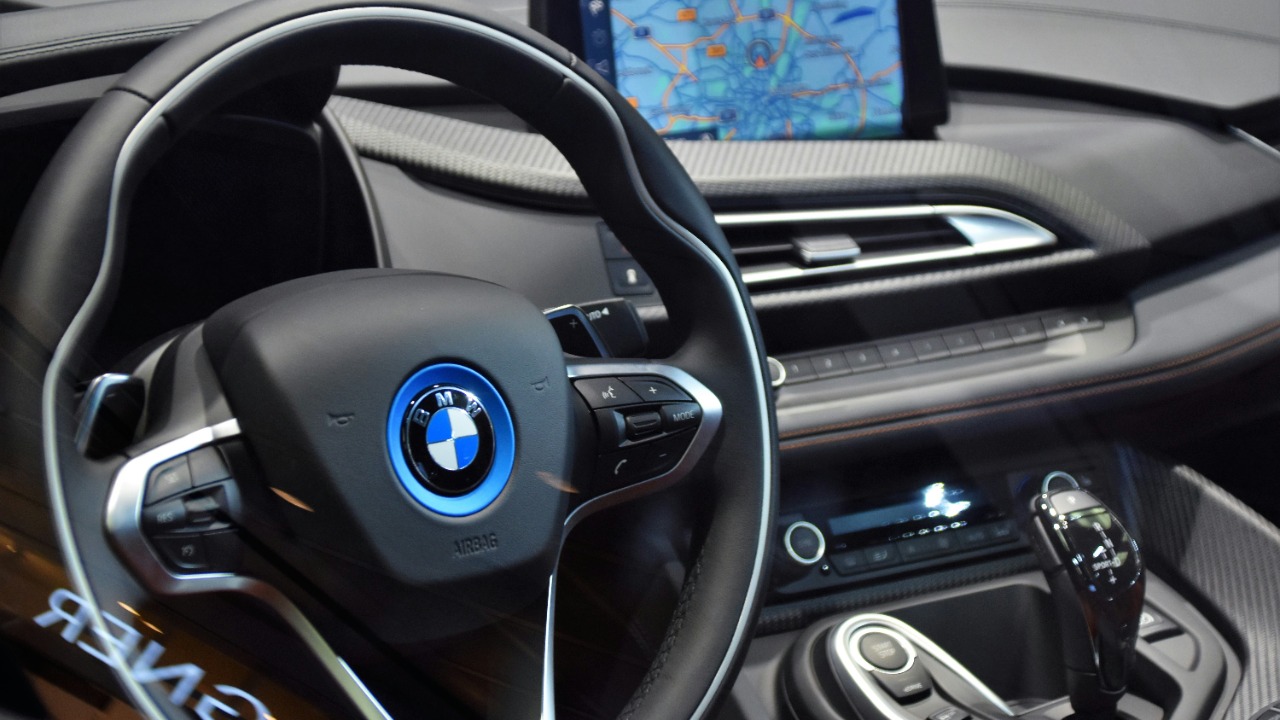

BMW ended 2025 in the United States with a paradox that says a lot about the state of electrification. The brand set another overall sales record, yet its pure electric models stumbled while plug-in hybrids quietly picked up the slack. Instead of charging headlong into a battery-only future, many BMW shoppers opted for a compromise that keeps a gasoline engine in the mix.
That pivot toward plug-in hybrids, or PHEVs, did not happen in a vacuum. It reflected a broader cooling in U.S. enthusiasm for fully electric vehicles, persistent concerns about charging and prices, and a product lineup where some of BMW’s most ambitious EVs, including its flagship sedan, struggled to find buyers at the pace the company once expected.
Record U.S. sales hide a sharp EV slowdown
On the surface, BMW’s U.S. performance in 2025 looked like an unqualified success, with the company celebrating a third consecutive annual record for overall sales. That headline number, however, masked a more complicated story in the final months of the year, when growth slowed and the battery-only side of the business turned from bright spot to warning light. The brand’s own data show that its battery electric vehicle sales suffered a steep decline, even as its dealers moved more metal overall.
The most striking figure was a 45.5% plunge in battery electric vehicle deliveries in the United States compared with the prior year, a reversal that hit just as BMW was expanding its EV lineup. That drop coincided with a troubling slowdown in the fourth quarter, when the momentum that had carried the brand through earlier in 2025 clearly faded, underscoring how quickly sentiment around fully electric models can shift when economic conditions and consumer expectations change.
PHEVs step in as the safety valve
As pure EV demand softened, plug-in hybrids became the pressure release valve that kept BMW’s U.S. sales machine humming. Shoppers who might have been expected to move straight into battery-only models instead gravitated toward vehicles that could run on electricity for shorter trips but still rely on gasoline for longer drives. For a premium brand that has long marketed performance and long-distance comfort, that blend of attributes proved to be a powerful hedge against EV hesitation.
Company figures show that plug-in hybrids effectively filled the gap left by weaker battery electric sales, with PHEV deliveries rising enough to offset much of the BEV decline and support BMW’s overall record. In practice, that meant models like the plug-in versions of its X5 and 3 Series became crucial volume players, cushioning the impact of the drop year-over-year in fully electric demand and giving dealers a compelling alternative to offer wary EV intenders.
A U.S. market cooling on full electrics
BMW’s experience in 2025 mirrored a broader shift in the United States, where the early surge of enthusiasm for battery-only vehicles gave way to a more cautious, value-driven mindset. After several years of rapid growth, EV adoption began to slow as mainstream buyers confronted the realities of charging access, resale values, and higher upfront prices. That change in mood did not mean Americans were abandoning electrification altogether, but it did signal that the easy wins among early adopters were largely behind the industry.
Reporting on BMW’s performance explicitly notes that the company’s weaker EV results tracked with declining EV adoption across the U.S. market more broadly, as consumers became more cautious about committing to fully electric drivetrains. That context helps explain why a brand that had invested heavily in its i-badged models still found itself leaning on plug-in hybrids and conventional powertrains to keep its sales charts pointing upward.
Why BMW shoppers embraced plug-in hybrids
For many BMW buyers, plug-in hybrids offered a way to participate in the transition to cleaner mobility without surrendering the convenience and familiarity of gasoline. A typical PHEV from the brand can cover daily commuting on electric power alone, then switch seamlessly to its combustion engine for longer journeys, eliminating the range anxiety that still shadows many EV purchase decisions. In a year when charging infrastructure and electricity prices remained uneven across regions, that flexibility became a strong selling point.
Industry analysis of the United States Plug in Hybrid Electric Vehicle Market The points to exactly those factors, highlighting how high vehicle prices and limited charging infrastructure have pushed many shoppers toward PHEVs as a pragmatic middle ground. BMW’s clientele, often balancing long-distance travel with urban commuting, fit that profile neatly, which helps explain why plug-in hybrids became the brand’s de facto bridge technology in 2025.
The BMW i7 and the limits of the flagship EV pitch
Nothing illustrates BMW’s EV challenge more clearly than the performance of its electric flagship sedan. The BMW i7 arrived as a technological showcase, packed with luxury features and advanced driver assistance systems, and positioned as a statement of the brand’s electric ambitions at the very top of the lineup. Yet in the United States, it struggled to convert that halo into volume, especially as economic uncertainty made buyers more sensitive to price and long-term ownership costs.
Data from the company’s U.S. results show that The BMW i7 was the slowest-selling EV in the portfolio, with 2,905 units finding new customers in the U.S. over the course of the year. That figure underscores how difficult it can be to scale a high-priced electric flagship in a market where many luxury buyers still see plug-in hybrids or efficient gasoline models as safer bets, particularly when public charging remains patchy outside major metropolitan corridors.
Demand For EVs Is Still Outpacing Plug-in Hybrid growth
Even with BMW’s pivot toward plug-in hybrids, it would be a mistake to read 2025 as a wholesale retreat from battery-only vehicles. Across the U.S. market, demand For fully electric models Is Still Outpacing Plug-in hybrid volumes in absolute terms, reflecting the fact that EVs have already built a substantial base of owners and remain central to long-term decarbonization plans. What changed in 2025 was the slope of that growth curve, not the underlying direction of travel.
Reporting on BMW’s U.S. performance makes this nuance explicit, noting that while Demand For EVs Is Still Outpacing Plug in hybrid sales overall, the relative resilience of PHEVs became more important as fully electric growth slowed. For BMW, that meant treating plug-in hybrids less as a niche compliance play and more as a core pillar of its U.S. strategy, even as it continued to invest in next-generation battery platforms and upcoming electric product launches.
What BMW’s 2025 pivot signals for the next decade
Looking ahead, I see BMW’s 2025 experience as an early test of how legacy automakers will navigate the messy middle of electrification. The company’s ability to post record U.S. sales while absorbing a sharp hit to its EV volumes shows the value of a diversified drivetrain portfolio, especially in a market as geographically and economically varied as the United States. At the same time, the setback for its battery-only models is a reminder that even well-resourced brands cannot assume a smooth, linear path to an all-electric future.
As Jan and other executives weigh their next moves, they will have to balance the short-term comfort of strong PHEV demand with the long-term regulatory and competitive pressures that still favor full electrification. The experience of 2025 suggests that plug-in hybrids will remain a crucial tool in BMW’s U.S. arsenal for years to come, particularly as the company refines its EV offerings, addresses pricing, and waits for charging infrastructure to catch up with its ambitions.
More from Morning Overview