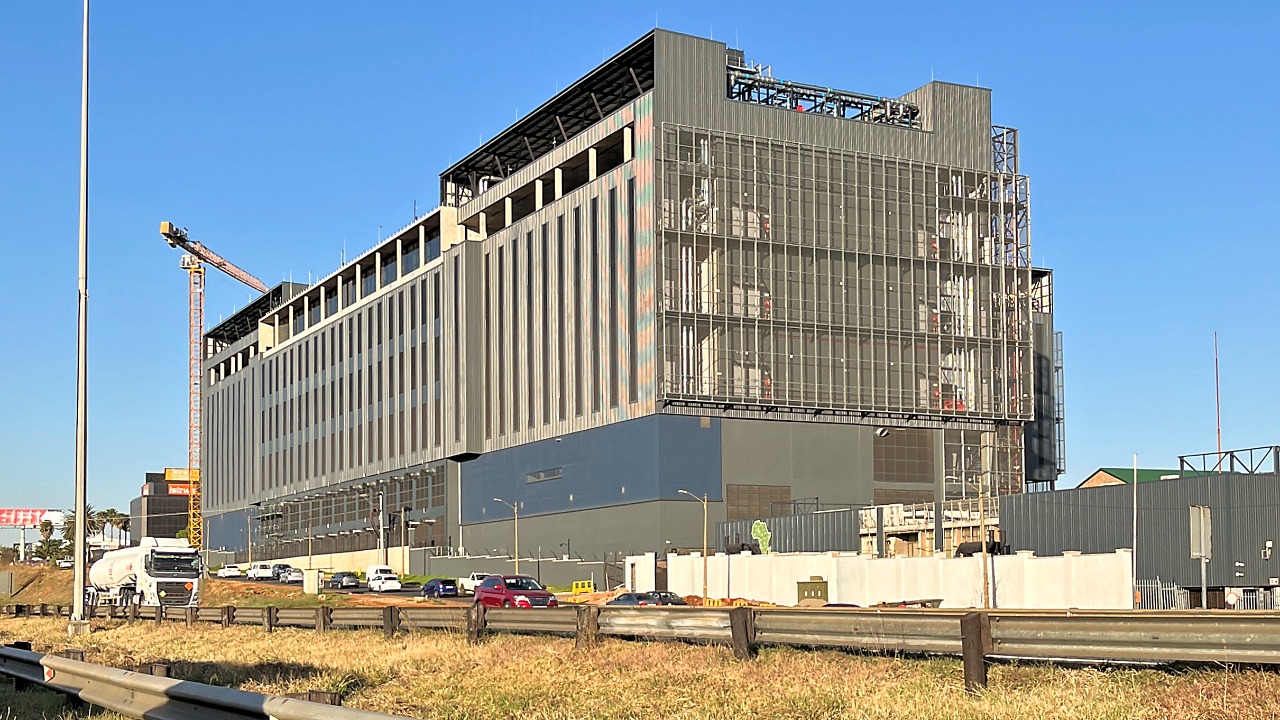

Across the United States and beyond, the physical footprint of artificial intelligence is colliding with the people who live next door to it. Massive server farms that once hid in industrial parks are now proposed for suburbs, farm fields, and small towns, and residents are pushing back against the noise, power demand, and land use that come with them. The result is a widening clash between Big Tech’s data center boom and communities that increasingly see these projects as a threat rather than a ticket to prosperity.
What began as scattered zoning fights has hardened into a coordinated political and environmental campaign that targets the industry’s energy use, water consumption, and tax breaks. From Virginia’s exurban cul-de-sacs to rural Alabama streams and a small village in Wisconsin, local resistance is forcing companies like Microsoft, Google, Meta, Oracle, and Amazon to rethink how and where they build.
The boom that outgrew its welcome
For years, data centers were sold as invisible engines of the digital economy, quietly humming away on cheap land while delivering cloud services and AI tools to the world. That pitch helped companies such as Google, Microsoft, Oracle, Meta, and Amazon secure generous incentives and fast-track approvals for sprawling campuses that consume staggering amounts of electricity and land. As the AI surge accelerated, these firms raced to add capacity, turning what had been a niche industrial use into a dominant force on local grids and in local politics, a shift captured in analysis of the Next Data Center Roadblock For Google, Microsoft, Oracle, Meta Is On Main Street.
That scale is now the industry’s biggest liability. Residents who once barely noticed a single warehouse-sized building are confronting proposals for multi-building complexes that can draw as much power as entire cities and require new transmission lines, substations, and water infrastructure. As these projects move closer to homes and schools, the promise of a few dozen high-paying jobs is increasingly outweighed by fears of higher electricity rates, industrial noise, and the permanent loss of open space, turning the boom into a flashpoint rather than a bragging right.
From niche zoning fight to populist backlash
What used to be a technical debate in planning commissions has morphed into a populist revolt that cuts across party lines. In America, some of the sharpest criticism is coming from figures like Bernie Sanders, who has framed Big Tech’s AI buildout as a case of corporate power steamrolling local communities and the climate. His argument that “the people are way ahead of the politicians” on this issue reflects a broader sense that residents are being asked to shoulder the environmental and financial risks of data centers while the profits flow to distant shareholders, a dynamic highlighted in coverage of the nationwide backlash brewing against Big Tech’s energy-devouring facilities.
On the ground, that sentiment is playing out in town halls and ballot boxes rather than on tech earnings calls. Local activists are organizing door-knocking campaigns, packing public hearings, and recruiting candidates who promise to slow or stop new data center approvals. Their message is simple and potent: these projects may power AI, but they also threaten household budgets, neighborhood character, and local ecosystems. That framing has turned what might have been a wonky infrastructure debate into a symbol of who gets to decide how communities grow.
Electricity prices and the politics of the power bill
Nothing crystallizes public anger quite like a rising utility bill. As the artificial intelligence boom drives a surge in data center construction, residents are being warned that the power needed to run and cool these facilities could push up electricity rates for everyone else. Analysts tracking the sector have noted that the industry’s appetite for energy is now large enough to influence regional planning and pricing, with some utilities openly discussing new generation and grid upgrades to accommodate the load, a trend that has become a central theme in reporting on how As the artificial intelligence boom continues to fuel an upswing in data center construction.
For homeowners, the idea that their monthly bill might climb so that a handful of tech giants can run AI models is a political problem as much as an economic one. Local officials who once touted data centers as “clean” industry are now being pressed to explain why ratepayers should subsidize energy-hungry server farms through higher tariffs or new infrastructure costs. That tension is feeding calls for stricter oversight of how utilities negotiate with Big Tech, and for more transparent assessments of who ultimately pays for the power that keeps AI online.
Noise, land, and the neighbors next door
Beyond the grid, the most visceral complaints are about what it feels like to live next to a data center. Residents describe the constant hum of cooling equipment, the glare of security lighting, and the sight of low-slung, windowless buildings replacing fields or forests. In one widely cited example, Boland and her roommate Pa learned of a planned facility near their home and quickly became part of a broader movement that sees these projects as industrial intrusions into residential life, a story that has come to symbolize the backlash to data centers and the opposition to data center development.
Those local experiences are reshaping how communities think about land use. Where data centers once slipped through as routine commercial projects, neighbors now demand detailed noise studies, visual impact analyses, and binding limits on expansion. The fights are not just about one building but about the precedent it sets: if one facility is approved, residents fear a corridor of similar sites will follow, locking their town into an industrial future they never voted for. That anxiety is turning zoning maps into battlegrounds and making it far harder for Big Tech to present these projects as benign.
Wisconsin’s warning shot to Microsoft
The political risk is no longer theoretical for companies like Microsoft. In Wisconsin, the company encountered a stark split in public opinion when it pursued multiple projects in the same region. Two weeks after Microsoft greenlit a second data center in Mount Pleasant, Wisconsin, it pulled plans for a separate site in a nearby village after residents organized against the proposal and local officials balked at the scale of the development, a reversal detailed in coverage of how Two weeks after Microsoft greenlit a second data center in Mount Pleasant, Wisconsin.
That retreat did not happen in a vacuum. Separate reporting described how Microsoft backs off new data center after small Wisconsin town backlash, underscoring that the company is willing to walk away when the political cost outweighs the benefits, a pattern captured in accounts of how Microsoft backs off new data center after small Wisconsin town backlash. For other tech giants, the Wisconsin episode is a cautionary tale: even in regions that welcome some investment, communities may draw a hard line when they feel saturated or blindsided, and that line can move quickly once neighbors start comparing notes.
Environmental flashpoints from Virginia to Alabama
Environmental concerns are giving the backlash a sharper edge and a broader coalition. In northern Virginia, where low-slung, energy-hungry data centers already dominate parts of the landscape, residents and activists argue that new projects are tearing apart towns by straining infrastructure, altering stormwater patterns, and locking the region into decades of high-carbon power demand. Those worries have become potent enough that candidates in MANASSAS, Virginia, and surrounding areas are campaigning on promises to rein in the industry, a shift reflected in reporting on how ENERGYWIRE described data center fights tearing apart towns in northern Virginia.
Further south, the stakes are even more literal. Environmentalists fearing plans for a potentially huge data center in Alabama filed a petition with federal regulators, warning that the project could wipe out the tiny Birmingham darter, a fish that they argue needs Endangered Species Act protections to survive. Their petition, lodged on a Thursday, frames the facility as a direct threat to a fragile aquatic ecosystem rather than an abstract climate concern, a case laid out in detail in accounts of how NEWS reported Environmentalists in Alabama petitioned the Fis for protections for the tiny Birmingham darter. By tying data centers to specific species and waterways, opponents are making it harder for companies to rely on generic sustainability pledges.
Global protests and calls for a moratorium
The backlash is not confined to U.S. borders. In the Philippines, rising data center demand in a country already grappling with extreme heat and water stress has triggered its own wave of concern. Days before a major industry event, more than 200 environmental groups were protesting and demanding a halt to new US data centers, citing water shortage and electricity cost issues that they say are being exported along with the infrastructure, a warning captured in reporting that noted how Days before that, more than 200 environmental groups were protesting.
Inside the United States, similar arguments are coalescing into demands for a national pause. People threatened by the industry’s physical infrastructure buildout are not buying corporate assurances that AI will ultimately help solve climate change, and some advocates now call for a national moratorium on new data centers until there is a clear plan to manage their energy and water use. They point to estimates that the sector’s electricity consumption could rival that of as many as 28 million U.S. households if current trends continue, a projection that has become a rallying point in coverage of how People threatened by the industry’s physical infrastructure buildout are calling for a national moratorium. Those numbers give local fights a national frame, turning each zoning hearing into part of a larger struggle over the direction of the digital economy.
Regulation gaps and the push for national rules
One reason these conflicts are erupting town by town is that there is no comprehensive national framework governing where and how data centers can be built. The lack of national regulation and environmental impact assessments for data centre construction means that many projects are evaluated piecemeal, with local officials left to weigh complex tradeoffs without consistent standards. Researchers who have conducted detailed assessment work on the sector warn that this patchwork approach is likely to fuel more backlash in the coming years, a conclusion underscored in analysis of The Growing Backlash Against Data Center Expansion and the lack of national regulation.
In practice, that means the same company can face wildly different expectations and outcomes depending on the county line. Some jurisdictions demand full environmental reviews and public benefit agreements, while others approve projects with minimal scrutiny in the hope of attracting investment. As more communities compare notes and see the uneven protections and concessions on offer, pressure is building for federal or at least regional rules that would require robust impact studies, clear emissions accounting, and transparent community benefits before shovels hit the ground.
Big Tech’s lobbying blitz and image rehab
Faced with mounting resistance, Big Tech is not simply waiting for the storm to pass. Industry leaders have acknowledged that data centers now have a political problem and are investing heavily in efforts to fix it, pitching voters on their value as engines of jobs, tax revenue, and digital resilience. Trade groups and corporate public affairs teams are crafting messages that emphasize renewable energy purchases, water recycling, and local philanthropy, a coordinated strategy described in reporting on how Data centers have a political problem and Big Tech wants to pitch voters on their value.
Behind the scenes, the lobbying is even more intense. Another trade association, the Data Center Coalition, or DCC, nearly tripled its lobbying spend in one quarter compared with the previous period, according to U.S. disclosures that highlight how quickly the sector is ramping up its presence in Washington and state capitals. That surge, detailed in accounts of how Another trade association, the Data Center Coalition, DCC, boosted its lobbying spend, signals that companies expect tougher rules and are determined to shape them. Whether that spending can overcome grassroots skepticism is an open question, especially in places where residents feel they have already given too much ground.
Where the fight goes next
As the buildout continues, I see the conflict over data centers moving from isolated skirmishes to a more structured negotiation over the terms of the AI era. Local campaigns in places like MANASSAS, Virginia, Mount Pleasant, Wisconsin, and rural Alabama are already influencing state-level debates about land use, energy planning, and environmental protection. At the same time, global protests and calls for moratoriums are pushing national governments to confront the cumulative impact of a technology that has largely been treated as weightless and virtual, even as its infrastructure rivals heavy industry in scale.
For Big Tech, the message from Main Street is blunt: the social license to expand is no longer automatic. Companies that want to keep building will have to prove, project by project, that the benefits of their data centers outweigh the costs to neighbors’ power bills, landscapes, and ecosystems. That will require more than glossy sustainability reports. It will demand transparent data on energy and water use, enforceable community benefits, and a willingness to walk away from sites where the tradeoffs are simply too steep, a reality already visible in the Wisconsin reversals and the growing chorus of People who feel threatened by the industry’s physical infrastructure buildout and are prepared to fight it at every level of government.
More from MorningOverview