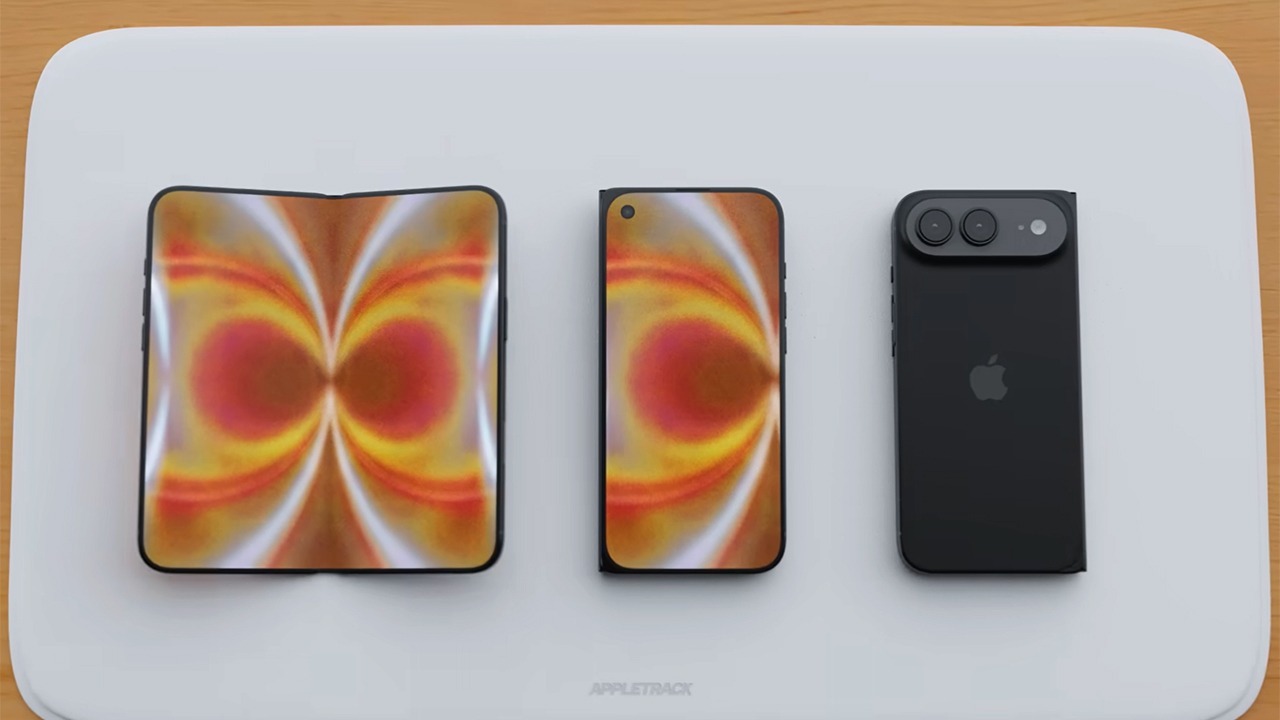

Apple’s long-rumored foldable iPhone has moved from vague concept to detailed product leak, and the catalyst is a leaker who decided to ignore an active lawsuit and publish anyway. The result is an unusually complete early picture of what looks like a book-style “iPhone Fold,” from screen sizes and hinge design to launch timing and how it might fit into Apple’s broader 2026 hardware strategy. I am going to walk through what the leak actually shows, how it lines up with other supply chain chatter, and what it signals about Apple’s late but calculated entry into the foldable race.
The leaker, the lawsuit, and the “screw it” moment
The latest wave of foldable iPhone details comes from Jon Prosser, a high profile YouTuber who has built a reputation on Apple leaks and is now being sued by the company over earlier disclosures. Rather than going quiet, Prosser used that backdrop as a kind of narrative hook, effectively saying “screw it” and publishing a full video breakdown of Apple’s first foldable iPhone anyway, complete with renders and specific hardware claims that go far beyond the usual vague rumor. In that video, Prosser confidently states that the foldable iPhone is planned to launch next fall alongside the iPhone 18 line, positioning it as a parallel flagship rather than an oddball side project, and he frames the device as something Apple has been refining for years rather than a rushed response to Samsung or Google.
What makes this leak stand out is not just the defiance but the level of detail and how closely it tracks with other reporting. Prosser describes a book-style device with a tall outer screen, a large inner display, and a hinge that aims to eliminate the deep crease that has defined early foldables. His claims about the launch window and design language are echoed in a separate report that notes Prosser’s video places the foldable iPhone’s debut in the same cycle as the iPhone 18 and shows a camera module that sits on the opposite side of the hinge compared with some Android rivals, details that are laid out in the Prosser video summary.
A book-style iPhone Fold with serious screen real estate
At the heart of the leak is a clear picture of how big Apple’s first foldable will be and how it will behave in the hand. According to Prosser, the device will use a compact outer panel that measures exactly 5.5-inch when folded, paired with a tablet-like inner display that stretches to 7.8-inch when opened flat. That outer size is slightly larger than the iPhone 13 mini’s 5.4 inch panel, which suggests Apple wants the closed device to feel like a familiar, one handed iPhone rather than a narrow remote control, while the inner screen pushes it into small iPad territory for reading, gaming, and multitasking.
The form factor Prosser describes matches a growing consensus that Apple is targeting a book-style design rather than a flip phone. One Instagram leak frames it as an “iPhone Fold” with a tall cover display and a wide inner canvas, presenting it as a stunning book-style device that promises to be as much productivity tool as status symbol, and it explicitly calls out the iPhone Fold branding. Another short clip urges viewers to “Swipe” through renders of a foldable iPhone that opens like a book, underscoring that Apple is not chasing the clamshell trend but instead wants a single device that can stretch from phone to small tablet, a point reinforced in the Swipe focused teaser.
Thinner than iPhone Air and chasing a crease free fold
One of the most striking claims in the new wave of leaks is that Apple’s foldable will not just match existing devices on thickness, it will undercut some of its own slab phones. A detailed engineering focused report says the leaked foldable iPhone appears thinner than the iPhone Air when unfolded, and that it uses a book-style chassis similar to early Pixel foldables but with a more refined hinge that tucks the display into a gentler curve. That same report notes that the camera sits at the top of the rear panel rather than in a massive island, which helps keep the device slim and avoids the wobble that plagues thick camera bumps on current flagships, all of which is laid out in the description of the thinner than iPhone Air and Pixel style design.
Equally important is the claim that Apple is targeting a crease free experience, something that has eluded even the best Android foldables. A separate analysis notes that Older Android devices came with a massive crease running down the center of the inner display, a constant visual reminder of the compromise users were making for flexibility, while the foldable iPhone is expected to minimize or nearly eliminate that line through a combination of a redesigned hinge and a more resilient ultra thin glass stack. That same report suggests Apple is willing to delay the product until the crease is effectively solved, arguing that the company would rather arrive late with a single, pocketable form factor that feels like a normal iPhone when closed and a seamless tablet when open, a stance captured in the discussion of how Older Android foldables compare.
Under display camera, hinge tricks, and other hardware surprises
Beyond the basic shape, the leaks sketch out a device packed with hardware flourishes that Apple has so far kept off mainstream iPhones. In a recent video breakdown of “10 leaks Apple does not want you to see,” the host explains that the inner display is expected to hide its selfie camera under the screen, avoiding a punch hole or notch and leaving the 7.8 inch panel uninterrupted for video, games, and productivity apps. That same segment describes how the hinge is designed to support multiple “laptop” style positions, so users can prop the device at an angle for video calls or typing, and it hints at a reinforced spine that spreads stress across a wider area of the panel, details that are teased in the Dec video about underscreen camera.
Other leaks from the Asian supply chain add more color to that picture. A post attributed to Digital Chat Station, described as a Well known leaker, lays out several alleged details of the iPhone Fold’s hardware, including a claim that the structural rigidity of the Fold is “very strong” despite its thin profile. That same post details the size of the iPhone Fold’s inner display and notes that the front camera on the outer screen uses a small punch, while the inner camera is hidden, and it concludes by stating that the iPhone Fold will adopt a smarter redesign of its frame and hinge than what is seen on many other phones, a set of claims summarized in the report on how a Well known leaker Digital Chat Station sees the device.
Launch timing: 2026 debut, 2027 shipments, and a crowded Apple roadmap
Prosser’s “next fall with iPhone 18” claim is only one piece of the timing puzzle, and it sits alongside more cautious forecasts from analysts who track Apple’s supply chain. A detailed report on the company’s foldable plans says Apple is reportedly developing a foldable iPhone with plans to release it in late 2026 or early 2027, framing that window as the point when hinge yields, display durability, and software support will all be mature enough for a mass market launch. That same report notes that Apple has been experimenting with multiple prototypes and that the final design is expected to lean heavily on the company’s existing iPhone and iPad ecosystems, a view captured in the Instagram post that states Apple is reportedly developing the device for a 2026 or early 2027 release.
On the more conservative end, TF International Securities analyst Ming Chi Kuo is cited in a discussion that says the iPhone Fold is expected to launch in 2026 but might not ship until 2027, suggesting Apple could preview the product alongside other flagships before it is widely available. That same analysis describes how Fold demand could help offset slowing smartphone growth in 2026 and notes that Apple is widely rumored to be working on its first foldable iPhone as part of a broader strategy to reignite premium segment sales, a perspective laid out in the report that the iPhone Fold expected to launch in 2026 but ship in 2027, says Kuo. Taken together, the leaks and analyst notes point to a product that Apple wants to show off in the 2026 cycle, even if real volume does not arrive until the following year.
How the foldable fits into Apple’s 2026 product strategy
The foldable iPhone is not arriving in a vacuum, it is part of a larger 2026 roadmap that is shaping up to be one of Apple’s most ambitious in years. A broad look at that year’s pipeline highlights at least three big Apple products expected in 2026 beyond the usual iPhone and Apple Watch refreshes, including new categories and major redesigns that touch everything from mobile to mixed reality. That same overview is written by an analyst whose byline lists Expertise Consumer technology | Apple | Google | Samsung | Microsoft | Amazon | Meta | Social media | Mobile | Robots, underscoring how the foldable iPhone sits at the intersection of several competitive fronts, a context laid out in the piece on Expertise Consumer technology and Apple’s 2026 plans.
Positioning the foldable alongside other marquee launches gives Apple a way to frame it as a natural evolution of the iPhone rather than a risky experiment. If the company can show the iPhone Fold working seamlessly with services that also span Google, Samsung, and Microsoft ecosystems, from cross platform productivity apps to cloud gaming, it can pitch the device as a premium gateway into a broader digital life rather than a niche gadget. That strategy also gives Apple room to price the foldable at a clear premium while still nudging mainstream buyers toward the standard iPhone 18 line, using the Fold as a halo product that signals innovation without needing to carry the entire sales burden on its own.
Competing with Samsung, Google, and the rest of the foldable field
By the time Apple’s foldable arrives, rivals will have had several generations to refine their own designs, which raises the bar for what counts as impressive. Samsung’s Galaxy Z Fold series and Google’s Pixel Fold have already normalized the book-style format, and both companies are likely to push thinner frames, brighter inner displays, and more durable hinges in their 2026 models. That is why Apple’s focus on a crease free panel, a thinner than iPhone Air profile, and a 5.5 inch outer display that feels like a “real” phone matters so much: it is not enough to match the competition, the iPhone Fold has to feel like a step change in polish, especially for users who have been wary of early foldable compromises.
The leaks suggest Apple is betting on a combination of hardware refinement and ecosystem strength to differentiate. A Reddit thread discussing Prosser’s video notes that Prosser says the foldable iPhone could be Apple’s most expensive phone yet but argues that if Apple does launch it next year, the company will lean heavily on its software integration and long term support to justify the price. That same discussion cites TF International Securities analyst Ming Chi Kuo as a key voice on the supply chain side, reinforcing that both leakers and analysts see the foldable as a strategic move rather than a vanity project, a dynamic captured in the thread referencing International Securities analyst Ming Chi Kuo.
Why Apple waited, and what it needs to get right
Apple’s decision to arrive late to the foldable party has been a source of frustration for some fans, but the emerging details make the strategy look more deliberate than timid. Early Android foldables were effectively public beta tests, with Older Android devices shipping with visible creases, fragile inner panels, and hinges that collected dust and debris, all while commanding four figure prices. By holding back until it could deliver a thinner than iPhone Air chassis, a crease free inner display, and a 5.5 inch outer screen that feels like a normal iPhone, Apple is trying to skip the awkward adolescence of the category and land directly in a more mature phase where the trade offs are subtle enough for mainstream buyers to accept.
To pull that off, Apple has to nail several fundamentals. The hinge must survive years of daily use without loosening, the inner display has to resist scratches and pressure marks, and the software needs to make the 7.8 inch canvas feel essential rather than optional. Prosser’s leak, the Digital Chat Station specs, and the engineering focused reports all point to a company that is obsessing over those details, from under display cameras to smarter frame redesigns. If Apple can deliver on the promise that Apple is reportedly developing a foldable iPhone that finally makes the format feel as reliable as a slab, then the iPhone Fold could do for foldables what the original iPhone did for touchscreens, a possibility that hangs over every new rumor and every fresh Dec leak about Apple’s plans.
More from MorningOverview