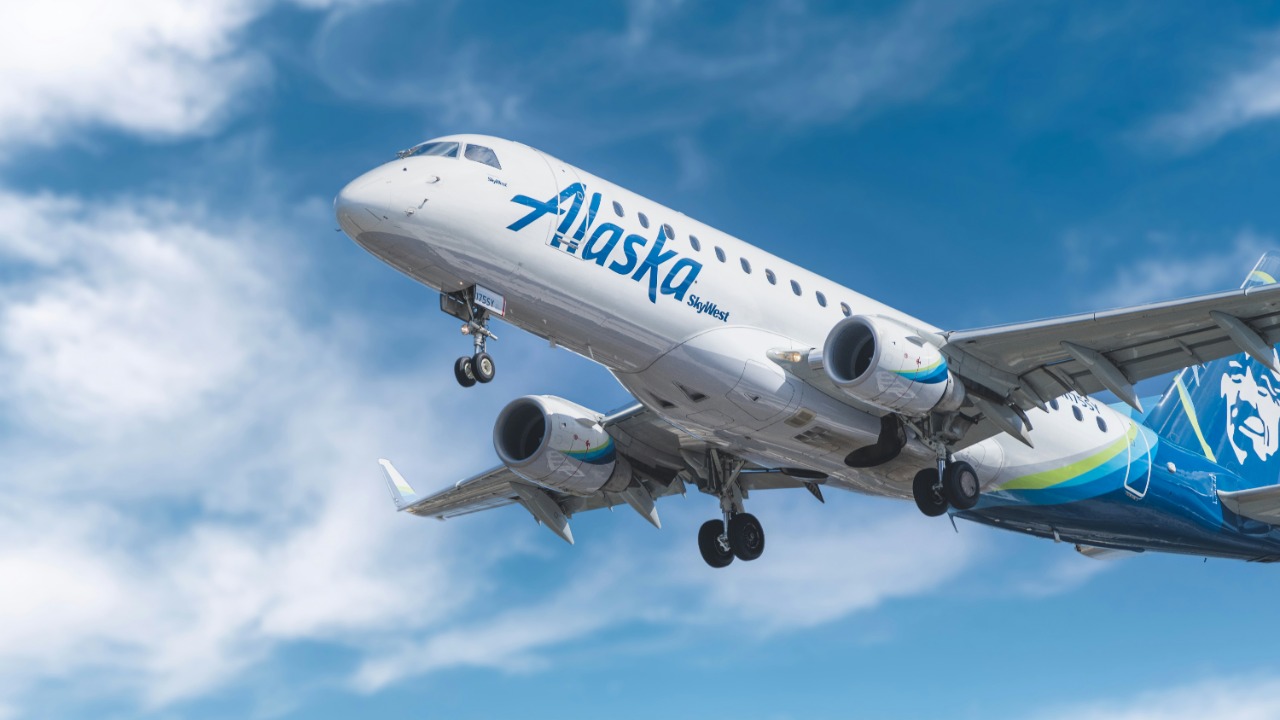

Alaska Air is moving at full speed to rebuild the digital backbone of its operation after a series of brutal outages exposed just how fragile airline IT can be. The carrier is pouring money and attention into cloud infrastructure, artificial intelligence and in-flight connectivity, betting that smarter systems will prevent the kind of cascading failures that stranded passengers and bruised its brand.
The strategy is ambitious: overhaul core IT with outside help, automate the most time‑sensitive work on the ramp and in the operation center, and turn connectivity into a competitive advantage rather than a pain point. The question now is whether these upgrades can keep pace with the complexity of a modern airline before the next disruption hits.
From painful outages to a technology reckoning
The turning point for Alaska Airlines came after repeated system failures that halted check‑ins, delayed departures and left crews improvising with paper backups. In one stretch, outages hit less than a week apart, preventing passengers from checking in online and at airport kiosks and forcing agents to process boarding the old‑fashioned way, a breakdown that the company itself acknowledged as unacceptable for a carrier of its size. Those disruptions, described as tech failures that directly impacted flights, pushed executives to promise major fixes and to treat IT resilience as a core part of the airline’s reliability promise to customers, not a back‑office concern.
In the aftermath, the company publicly vowed to upgrade its systems and processes, telling travelers that “this level of performance is not acceptable” and that it was working to get everyone to their destinations as quickly as possible while it stabilized operations. U.S. carrier Alaska Airlines framed the outages as a wake‑up call about how tightly its schedules, crews and customer touchpoints are bound to software that must work flawlessly at scale, a point underscored when one failure followed another in rapid succession and exposed how little slack exists in the network. Those statements, captured in coverage of the disruptions, made clear that the airline saw the incidents not as isolated glitches but as a systemic problem that demanded a structural response.
Cloud, AI and a high‑stakes partnership with Accenture
To tackle that structural problem, Alaska Airlines has turned to outside expertise, announcing a sweeping collaboration with Accenture that is designed to modernize its core IT from the ground up. In the initiative described as Alaska Airlines Partners with Accenture to Upgrade IT Systems Using Cloud and AI, the carrier is shifting critical applications into the cloud, re‑architecting data flows and embedding artificial intelligence into planning and decision tools so that the operation can react faster when things go wrong. The goal is to replace brittle legacy systems with platforms that can handle real‑time data processing and modern operational requirements, from dynamic rebooking to predictive maintenance and crew scheduling.
The scope of the work is broad enough that Alaska Airlines Partners and Accenture are positioning it as a multi‑year transformation rather than a quick patch, with a focus on Addressing Operational Challenges Through Techn that have historically required manual intervention or overnight batch processing. By leaning on cloud capacity and AI models, the airline aims to anticipate disruptions instead of simply responding to them, whether that means forecasting weather‑driven delays, optimizing gate assignments or smoothing the flow of passengers through check‑in and boarding. For an airline that has just lived through the cost of brittle systems, the partnership is both a technical and reputational bet that smarter infrastructure can restore confidence among travelers and investors.
AI on the ramp: turning ground operations into a data engine
While the back‑office overhaul grabs headlines, some of the most visible changes for employees are happening on the tarmac, where Alaska Airlines has laid out a Plan to Transform Ramp Operations with Advanced AI and Automation. The carrier is using computer vision, sensors and predictive algorithms to track aircraft turns in real time, from baggage loading to fueling and catering, with the aim of spotting bottlenecks before they cause a delay. Optimizing Ramp Operations with AI is not just about shaving a few minutes off a turnaround, it is about giving dispatchers and ramp crews a live picture of where a flight stands so they can prioritize tasks and avoid the kind of last‑minute scrambles that ripple through the schedule.
Looking ahead to 2026 and beyond, Alaska Airlines is tying this ramp modernization directly to its broader push for operational excellence and innovation, treating the ramp as a test bed for automation that could later extend into other parts of the operation. Beyond ramp operations, Alaska Airlines is also exploring how the same data and AI tools can improve baggage tracking and ground support, building on previous technologies such as RFID but layering in richer analytics and alerts. By turning what used to be a largely manual, experience‑driven process into a data engine, the airline is trying to reduce human error, improve safety margins and give both crews and customers more predictable departure times.
Starlink, Wi‑Fi and the race to keep passengers connected
For passengers, the most tangible sign of Alaska’s tech sprint is overhead rather than under the hood, in the form of faster in‑flight internet. After testing satellite connectivity, Alaska Airlines Accelerates Starlink Wi‑Fi Rollout After Strong Early Performance, moving more quickly to equip its fleet with the low‑Earth‑orbit service that has impressed travelers with streaming‑quality speeds. The airline first announced its intent to use Starlink as part of its frequent flyer offering, and strong feedback from early installations has pushed it to compress the timeline so that more aircraft, including regional jets, can offer the same experience. In a market where business travelers expect to work in the air and families want to stream video, the quality of Wi‑Fi has become a competitive differentiator rather than a nice‑to‑have.
The rollout is particularly visible on Embraer aircraft, where Alaska Airlines has begun launching Starlink Wi‑Fi systems as part of a broader connectivity strategy that covers both mainline and regional operations. Alaska Air Group, which includes the mainline carrier and its regional partners, has laid out a plan to complete installation by 2027, turning the fleet into a flying extension of the office or living room for passengers who bring their own devices. Several of the nation’s largest carriers have announced plans or expressed interest in connecting through similar satellite constellations, but Alaska is positioning its early move as a way to punch above its weight in customer satisfaction scores and loyalty metrics.
Financial pressure, leadership scrutiny and the stakes of failure
Behind the technical details sits a financial and leadership story that is just as consequential. Alaska Air has acknowledged that the outages and subsequent recovery efforts have driven up costs, including extra staffing, compensation for disrupted passengers and investments in redundancy that were not previously budgeted. In coverage of Alaska Air undertakes technology upgrades after painful outages, executives have been candid that the spending is necessary to avoid even higher expenses from future failures, framing the upgrades as a form of insurance against operational chaos. Investors are watching closely to see whether the upfront capital outlay translates into fewer cancellations, more on‑time arrivals and a smoother peak‑travel performance.
The scrutiny extends to the C‑suite, where figures such as Shane Tackett, photographed by Scott Brauer and cited in reporting By Sri Taylor Bloomberg, have become the public face of the technology reset. In one account that referenced Jan and Updated Mon, a company representative highlighted that the airline had to absorb higher disruption expenses, a reminder that reliability is not just a customer satisfaction metric but a line item that can swing quarterly results. For a carrier that competes aggressively on cost and service in the Pacific Northwest and beyond, the margin for error is thin, and the success or failure of this tech race will shape how regulators, employees and travelers judge its performance the next time the system is under stress.
Those stakes are sharpened by the memory of earlier statements in which U.S. carrier Alaska Airlines said it was working to get everyone to their destinations as quickly as it could and admitted that its performance was not where it needed to be. The outages, one of which hit less than a week after a previous system failure, prevented passengers from checking in online and at kiosks and forced the airline to confront how much of its brand rests on invisible code. As Alaska Air undertakes technology upgrades after painful outages and leans on partners like Accenture, the race is no longer just about adding new features, it is about proving that the next disruption will be handled by systems that are finally as resilient as the airline’s ambitions.
More from Morning Overview