
Artificial Intelligence is no longer just a buzzword in apps and boardrooms, it is rapidly reshaping the physical infrastructure that keeps the digital economy running. The race to build ever larger AI data centers is colliding with an aging U.S. power grid, and the costs of that collision are starting to show up on household and business electricity bills. I see a clear pattern emerging: unless policy and industry practices change, the AI buildout could strain local grids, raise rates, and leave ordinary consumers subsidizing the next wave of tech profits.
AI’s hunger for electricity is exploding
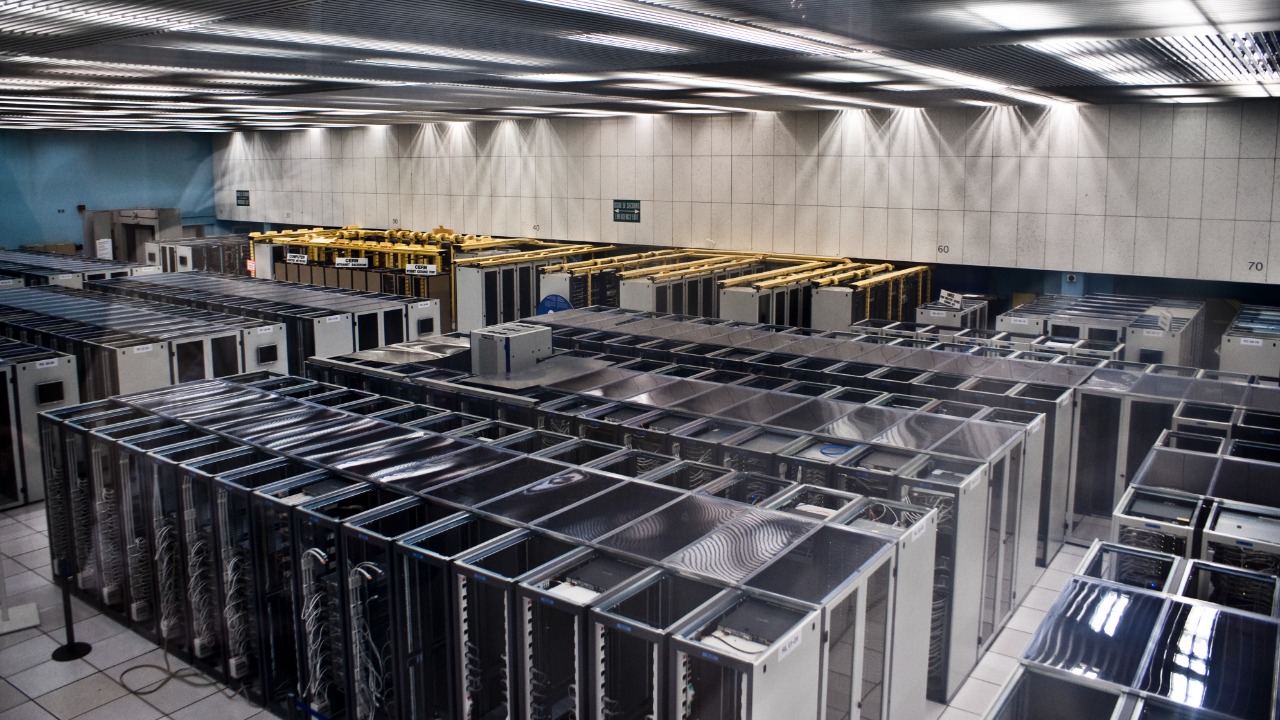
The core problem is simple: AI models require enormous computing power, and computing power requires electricity. Large server farms that train and run AI systems, along with cloud storage, streaming, and federal supercomputing, are already among the most energy intensive facilities on the grid, and they are multiplying fast, from Phoenix to Loudon County, Virginia. In the PJM power market that covers parts of the Midwest and Mid-Atlantic, analysts already see limited room to absorb new expenses from this surge in demand without putting pressure on prices, a warning sign for regions that host clusters of these facilities linked to Dec.
Projections for the rest of the decade are stark. One detailed forecast of U.S. data center consumption finds that total electricity use from these facilities could roughly quadruple by 2030, rising to 606 terawatt-hours and taking a much larger share of national demand, a trajectory captured in the “U.S. Data Centers Could Quadruple Power Demand” table that tracks each Year, consumption level, and share of the Total grid. Meeting that kind of growth will require massive new generation and transmission projects that typically take two years or more to build, which means the crunch is likely to arrive before the reinforcements.
From server racks to your power bill
For now, the impact of AI data centers on individual bills is uneven, but it is no longer hypothetical. In several regions, utilities and regulators are already pointing to a “frenzy” of new AI facilities as a key driver of rising demand that is outpacing previous forecasts. Where these clusters form, such as parts of central and northern Virginia, electricity demand is growing faster than in other areas, and that extra load is feeding into higher wholesale prices that eventually filter down to retail customers, a pattern tied to Nov.
Independent analysts are starting to quantify what that means for wallets. One review of grid and market data concludes that data centers, including those built to train and run AI, are expanding fast enough that they will influence how utilities set rates and how regulators decide who pays for new infrastructure. The same assessment warns that without reforms to ensure costs are allocated fairly, residential customers could end up subsidizing industrial users, and it urges consumers to pay attention to how How Will Data debates unfold at state commissions.
Grids under strain in AI hot spots
The stress is most visible where AI and cloud companies have concentrated their biggest campuses. In the United States, the rise of Artificial Intelligence is forcing a reckoning with the power grid in places that marketed themselves as “data center alley” long before ChatGPT became a household name. A recent DOE backed report, summarized in a widely shared analysis, describes how the AI boom’s data center expansion is straining power grids, water supplies, and communities from Loudon County, Virginia to new hubs in New York, NY, underscoring that United States the infrastructure challenge is already here.
Researchers tracking national trends see the same pattern. Total annual U.S. electricity consumption hit a record high in 2024, and that ceiling could rise further as AI workloads scale, with one review of utility filings noting that in the PJM region, which includes parts of central and northern Virginia, data center demand is a major factor behind new transmission proposals and reliability concerns. That analysis of Oct grid data makes clear that the AI buildout is no longer a side story in energy planning, it is one of the central variables.
Politics, Microsoft, and who pays for upgrades
As the stakes for consumers grow, the politics around AI power use are shifting fast. President Donald Trump has moved from general warnings about tech power to specific demands that AI companies “pay their own way” for electricity, arguing that the massive AI buildout is straining infrastructure that can take more than a decade to expand and that major changes are needed so Americans do not pick up the tab for data centers. In one detailed account of his position, Trump is quoted pressing for rules that ensure companies that stand to gain by using AI shoulder more of the cost of grid upgrades, a stance captured in Jan.
Microsoft has become the test case for what that might look like in practice. Earlier this week, the company said it will ask to pay higher electricity bills in areas where it is building AI data centers, in an effort to prevent electric utilities from raising rates on local residents and small businesses. The plan, described in detail in a report on Microsoft, is framed as a way to show that AI can expand without forcing communities to subsidize corporate power use, even as critics warn that AI could eliminate jobs in other sectors.
The company has gone further in its own messaging. In a January blog post, Microsoft outlined a “community-first” approach to AI infrastructure, pledging to pay full electricity costs for its data centers and associated grid upgrades without relying on taxpayer-funded subsidies. That commitment, summarized in a set of Key Points, is designed to reassure local officials that new AI campuses will not quietly drive up property taxes or utility fees to cover substation expansions and new transmission lines.
The White House has embraced that framing. In a recent statement highlighted by industry analysts, President Donald Trump said U.S. data centers will pay their fair share for electricity, starting with Microsoft, and stressed that to avoid impact on local communities the company will pay for electricity upgrades and not accept tax breaks. That pledge, detailed in a report on how Microsoft is being used as a model, signals a broader policy shift toward making large AI operators behave more like grid partners than passive customers.
What experts say comes next for consumers
Energy and infrastructure specialists expect 2026 to be a turning point. One forward looking assessment argues that “In 2026, data centers will” sit at the center of a power revolution, forcing utilities, regulators, and tech firms to rethink how they plan generation, storage, and grid modernization for diverse uses, from AI training clusters to electric vehicles. That prediction, part of a broader set of Predictions, suggests that the next year will determine whether AI becomes a driver of smarter, cleaner grids or simply a new source of strain.
Consumer advocates are watching the numbers closely. A fact check team that pulled together research from multiple institutions notes that Carnegie Mellon University estimates U.S. electricity bills could rise 8 percent by 2030 just from data centers and crypto, with even steeper hikes possible in the most data center dense regions. That warning, tied to Looking at national trends, is echoed in another analysis that says 2026 could be a defining year for AI, from shopping to electricity, and cites a study from Carnegie Mellon that estimates AI and new data centers could significantly reshape global power demand, including in hubs like Data rich Loudon County, Virginia.
More from Morning Overview