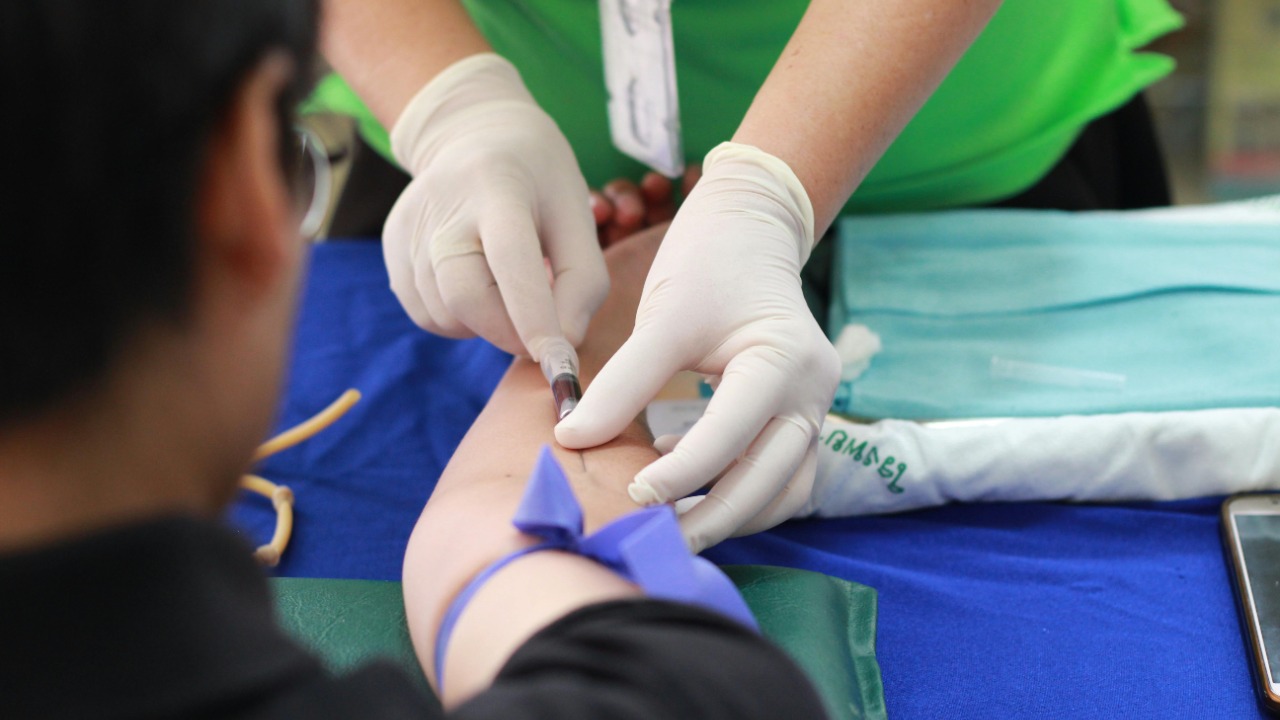

Scientists are testing a new kind of defense against the deadliest drug in the U.S. overdose crisis: a vaccine designed to block fentanyl before it ever reaches the brain. Instead of reversing an overdose after it starts, this experimental shot aims to stop fentanyl from delivering a high or shutting down breathing in the first place. If it works in people, it could reshape how I think about prevention, relapse, and long term treatment for opioid use disorder.
The idea is no longer theoretical. A candidate developed from years of lab work is now moving into early human trials in Europe and is being positioned as a tool to reduce fentanyl addiction and overdose deaths. The science is intricate, the ethics are thorny, and the expectations are high, but the basic premise is surprisingly simple: train the immune system to treat fentanyl like an invader instead of a shortcut to euphoria.
Why fentanyl is such a hard target to hit
Fentanyl has transformed the opioid crisis because it is both extremely potent and incredibly easy to mix into other drugs. Tiny amounts can shut down breathing, and people often do not know they are taking it until it is too late. Reporting on the dangers of fentanyl has repeatedly underscored that this synthetic opioid is now a leading driver of overdose deaths, with its strength and ubiquity overwhelming traditional treatment and harm reduction tools that were built around heroin and prescription pills, not a lab made compound that can be lethal in micrograms.
Clinicians and researchers describe a grim pattern: people with opioid use disorder cycle through detox, medications, and counseling, only to relapse into a street supply that is saturated with fentanyl. One analysis of why a fentanyl vaccine could be a new kind of intervention stresses that the drug’s rapid entry into the brain and its powerful effect on respiratory centers make it uniquely dangerous, and that a preventive approach that keeps fentanyl out of the brain entirely could be a genuine Game Changer for Opioid Epidemic.
The basic science behind a fentanyl vaccine
The core challenge in building a fentanyl vaccine is that fentanyl is a very small molecule, too small for the immune system to notice on its own. To get around that, scientists attach a fentanyl like fragment to a larger carrier protein and combine it with an adjuvant that boosts immune response. In preclinical work at the University of Houston, researchers led by immunologist Colin Haile and addiction scientist Therese Kosten reported that their formulation prompted animals to produce high levels of fentanyl specific antibodies that circulated in the bloodstream and were ready to bind the drug on contact.
Those antibodies act like molecular Velcro, grabbing fentanyl in the blood and forming complexes that are too bulky to cross the blood brain barrier. The Houston team’s early data showed that vaccinated animals were protected from fentanyl’s usual effects on pain and breathing, and that the drug was effectively sequestered in the body instead of reaching the central nervous system. The group has described this candidate as a potential tool to help people with opioid use disorder avoid relapse and overdose, and their work is one of the scientific foundations for the current wave of human testing detailed in the University of Houston report.
From animal studies to human trials
Moving from rodents to people is a major leap, and that transition is now underway. A company called ARMR Sciences has taken a fentanyl vaccine based on this antibody strategy and is preparing it for its first major clinical test. Preclinical studies in animal models demonstrated promising results, with antibodies blocking up to 98 percent of fentanyl from reaching the brain, which is an unusually high level of blockade for a drug vaccine and a key reason regulators were willing to consider human trials.
Early in 2026, ARMR Sciences plans to launch its first human trial of a fentanyl vaccine in the Netherlands, focusing on safety, tolerability, and immune response in a small group of volunteers. Coverage of this effort notes that the Phase I study will look at how well people’s immune systems generate fentanyl specific antibodies, how long those antibodies last, and whether there are any serious side effects when the vaccine is given to humans for the first time. The project, described in detail under the banner of Intercepting the Overdose, has drawn support from federal agencies and universities that see it as a high risk, high reward experiment in overdose prevention.
How the vaccine actually blocks a high
At the level of basic physiology, the vaccine’s job is straightforward: keep fentanyl out of the brain. When a vaccinated person encounters fentanyl, whether intentionally or through a contaminated drug supply, the antibodies induced by the shot bind the fentanyl molecules in the bloodstream. Because these antibody drug complexes are large, they cannot slip through the tight junctions of the blood brain barrier, so the drug never reaches the receptors in the brain that normally produce euphoria and respiratory depression. As one explainer on how the shot works puts it, the vaccine essentially turns fentanyl into a substance that the immune system can trap before the drug can reach the brain.
That mechanism has two major implications. First, if fentanyl cannot reach the brain, it cannot produce a high, which removes much of the incentive to use it for people who are trying to stay in recovery. Second, if the dose is within the range that the antibodies can neutralize, it should also prevent the dangerous slowing of breathing that leads to overdose. A detailed breakdown of How the fentanyl vaccine works compares it to other vaccines that target drugs of abuse, but emphasizes that fentanyl’s potency and speed of action make this kind of preemptive blockade particularly attractive for fentanyl addiction and overdose prevention.
What the first human trials are testing
The initial human studies are not designed to prove that the vaccine can save lives in the real world, at least not yet. Instead, the Phase I trial in the Netherlands is focused on basic questions: Is the vaccine safe enough to give to healthy volunteers, and does it reliably trigger the production of fentanyl specific antibodies at levels that might be protective. Trial documents describe a stepwise approach in which small groups receive escalating doses, with close monitoring for side effects and detailed measurements of antibody titers over time. The goal is to map out a dosing schedule that balances strong immunity with acceptable tolerability, a standard path for any first in human vaccine.
Reporting on these early studies notes that the trial will also explore how long the immune response lasts and whether booster shots are needed to maintain protection. A summary of the human trials explains that the vaccine is currently in the experimental stage but that trials are now underway to see whether the lab results translate into people, with researchers watching for any unexpected reactions or gaps in coverage. One overview of the program states plainly that the fentanyl vaccine is currently experimental but trials are now underway, underscoring that this is still a high stakes test rather than a finished product, as described in the section on how trials are now underway.
How this fits with existing overdose tools
A fentanyl vaccine would not replace the tools that frontline workers rely on today, especially naloxone, which can reverse an overdose in progress by displacing opioids from their receptors. Instead, it would sit upstream of that emergency response, ideally reducing the number of overdoses that ever require naloxone in the first place. One clinical explainer on How a fentanyl vaccine would work stresses that the shot would function like other vaccines by teaching the immune system to recognize fentanyl, but that people would still need access to medications like buprenorphine and methadone, as well as harm reduction services, because no vaccine can cover every scenario or every opioid.
In practice, I see the vaccine as a potential add on to comprehensive care rather than a silver bullet. For someone leaving residential treatment or jail, a series of injections that blunts fentanyl’s effects could provide a crucial buffer during a period of high relapse risk, especially when the street supply is unpredictable. A detailed breakdown of the mechanics notes that by blocking fentanyl from entering the brain, the vaccine could prevent the usual drop in respiratory rate and avert overdose, while still allowing other medications to work if needed. That vision of a layered defense is central to the way the mechanics of the vaccine are being presented to patients and clinicians.
Who might receive a fentanyl vaccine if it is approved
If the vaccine proves safe and effective, the next question is who should get it. The most obvious group is people with opioid use disorder who are at high risk of encountering fentanyl, either because they use heroin or counterfeit pills or because they live in regions where fentanyl has saturated the drug supply. Addiction specialists have suggested that the shot could be offered alongside medications for opioid use disorder, with informed consent that makes clear it will block fentanyl’s effects for a period of time. A feature on Why Fentanyl Vaccine Could Be a Game Changer for Opioid Epidemic notes that vaccinated individuals could still be treated with other opioids for pain if necessary, which is crucial for people who might need surgery or emergency care.
There is also discussion of whether certain professionals, such as first responders who risk accidental exposure, or people in recovery who have survived multiple overdoses, might be candidates. A biotech CEO involved in developing an experimental vaccine has said the goal is to make a potential fentanyl vaccine as easily accessible as possible, framing it as a public health tool rather than a niche product. In one interview, that Biotech CEO described how the shot works by generating antibodies that bind fentanyl so that even if someone uses the drug, they would not experience a high and they would not overdose, a claim that reflects the aspirational tone of the How it works coverage.
Ethical questions and potential downsides
Any vaccine that targets a behavior rather than an infectious pathogen raises difficult ethical questions, and the fentanyl shot is no exception. One concern is consent, especially for people who are incarcerated, in court ordered treatment, or otherwise under pressure from the criminal legal system. If a judge or probation officer can effectively require a fentanyl vaccine as a condition of release, that blurs the line between voluntary medical care and coercion. Ethicists also worry about how long the vaccine’s effects last and whether people fully understand that they might not be able to feel the effects of fentanyl for months, which could affect pain management in emergencies.
There are also scientific uncertainties. If someone who is vaccinated decides to use fentanyl anyway and takes a very large dose to try to overcome the blockade, it is not yet clear how the body will respond or whether the antibodies can be overwhelmed. Early coverage of the human trials emphasizes that Phase I studies are focused on safety and immune response, not on stress testing the vaccine against extreme real world scenarios. A detailed overview of the upcoming Phase I trial in the Netherlands notes that the study will examine safety, tolerability, and immune response in a controlled setting, but that it will not yet answer every question about behavior, risk compensation, or long term outcomes, as outlined in the description of the Phase I design.
What success would look like in the real world
For all the attention on lab data and antibody levels, the real test of a fentanyl vaccine will be whether it reduces deaths and improves lives when layered into messy, real world systems. Success would likely show up as fewer fatal overdoses among vaccinated people, fewer nonfatal overdoses that require naloxone, and more stability for people in recovery who are navigating a drug supply laced with fentanyl. Analysts who have looked at the early data argue that even a partial reduction in overdose risk could translate into thousands of lives saved each year if the vaccine is widely adopted, especially in regions where fentanyl has displaced heroin almost entirely.
At the same time, expectations need to be realistic. A detailed breakdown of What It Means for Addiction Treatment stresses that the vaccine is not a cure for opioid use disorder and will not address the social and economic drivers of drug use, from housing instability to trauma. Instead, it is framed as one more tool in a broader strategy that includes medications, counseling, harm reduction, and policy changes. One summary of the program’s prospects concludes that while the science is promising, the bottom line is that the fentanyl vaccine is still in early testing and its ultimate impact on fentanyl addiction and overdose prevention will depend on how well it performs in larger, longer trials, a point captured in the section labeled The Bottom Line.
The road ahead for a fentanyl vaccine
From here, the path is both familiar and uncertain. If the first Phase I trial in the Netherlands shows that the vaccine is safe and generates strong antibody responses, ARMR Sciences and its partners will need to move into larger Phase II and Phase III studies that test efficacy in people who are actually at risk of fentanyl exposure. That will mean recruiting participants with opioid use disorder, designing protocols that are ethical and realistic, and tracking outcomes like overdose rates and continued drug use over months or years. The process will be expensive and logistically complex, but it is the only way to know whether the impressive preclinical results can translate into a public health intervention.
Advocates for the vaccine argue that the urgency of the fentanyl crisis justifies this investment, pointing to the preclinical data in which antibodies blocked up to 98 percent of fentanyl from reaching the brain and to the early human work that is now beginning. A detailed overview of the upcoming human trials notes that ARMR Sciences is preparing to test safety, tolerability, and immune response in people, building on years of work by academic teams and supported by funding from federal agencies and universities. As those studies unfold, the project described under the banner of ARMR will offer one of the clearest windows yet into whether a vaccine can truly blunt the deadliest wave of the opioid epidemic.
More from Morning Overview