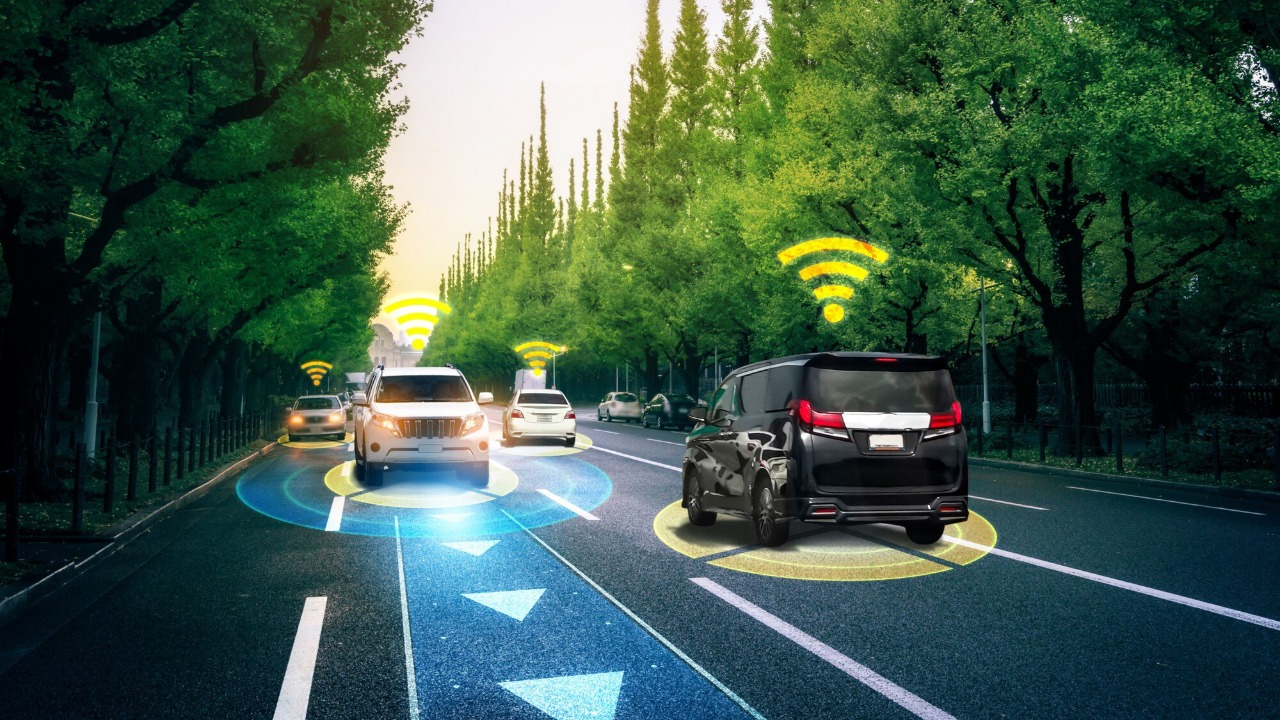

Florida is preparing to turn a stretch of toll road into a live test bed for charging electric vehicles while they drive, aiming to have the first public wireless “EV lane” open to traffic by 2029. The project, centered on a new expressway in fast-growing central Florida, is pitched as both a congestion fix and a way to chip away at range anxiety without forcing drivers to stop and plug in.
If it works, the experiment could reshape how drivers think about batteries, road trips, and even what it means to “refuel” a car, with Florida positioning itself as a national proving ground for in-motion charging technology. The stakes are high, from the $500,000,000 price tag to unresolved questions about standards, automaker support, and who ultimately pays for the power flowing through the pavement.
Florida’s big bet on a charging road
Florida has spent the past decade branding itself as a growth state built on highways, tourism, and logistics, and the wireless EV lane fits neatly into that identity. State and local leaders see the project as a way to keep traffic moving in one of the country’s fastest-growing regions while also signaling that Florida intends to compete in the next phase of transportation technology, not just build more of the same asphalt.
The plan centers on a new toll corridor overseen by the Central Florida Expressway Authority, which has framed the initiative as “Florida’s Wireless Charging Road” and cast it as a step toward “Revolutionizing EV Travel” across the region. By embedding charging hardware into a dedicated lane, the authority wants to show that a highway can be more than a conduit for cars, turning a slice of pavement into an energy platform that supports longer trips and potentially lighter batteries for future vehicles, a vision highlighted in the project’s early Wireless Charging Road messaging.
Inside the State Road 516 experiment
The wireless lane will be built into a new toll facility known as State Road 516, a greenfield expressway designed to connect key communities in central Florida. Planners describe the corridor as a multi-purpose project that will relieve congestion, link two counties, and host a multi-use trail alongside the roadway, while one segment of the mainline is outfitted with inductive charging hardware to electrify the pavement itself, according to early details on Central Florida Expressway Authority materials.
Social media previews of the project emphasize that the Florida expressway will include a dedicated stretch of roadway where compatible electric vehicles can charge while they drive, with the wireless infrastructure integrated into the new State Road 516 alignment. That focus on 516 is not incidental, it allows engineers to design the charging lane into the roadbed from day one rather than retrofitting an existing highway, which is more disruptive and expensive.
Construction timeline and the 2029 opening goal
Officials in central Florida have signaled that construction on the new expressway, including the electrified segment, is scheduled to begin in 2026, setting up a multi-year buildout that will test both civil engineering and power-delivery systems. Those Officials describe the project as a major regional connector that must function first as a safe, reliable road, with the charging components layered into that broader schedule.
Local reporting has pegged completion of the pioneering highway, including the wireless charging lane, for 2029, which is the target for opening the system to everyday drivers. That timeline, cited by Sebastian Daily, gives engineers roughly three years from the start of construction to finish the roadbed, install the inductive coils and power electronics, and complete the testing needed before the first EV rolls through the lane with its battery quietly topping up.
How the wireless lane will actually work
The core idea behind the wireless EV lane is relatively simple: embed coils in the roadway, connect them to a power source, and equip vehicles with receivers that can pick up that energy as they pass overhead. In practice, the system must deliver consistent power at highway speeds, withstand Florida’s heat and storms, and communicate with vehicles in real time so that only authorized cars draw current, a set of challenges that has made in-motion charging a frontier technology rather than a standard feature of modern highways.
Technical coverage of the project notes that Florida’s approach stands out because it aims to deliver power through the pavement while maintaining normal traffic flow, rather than forcing drivers into a separate test track or low-speed lane. Analysts point out that this makes the road a live laboratory for Standards, interoperability, and billing systems, since the hardware must recognize different vehicle types and potentially coordinate with multiple automakers and charging networks.
The $500,000,000 price tag and who pays
Florida is not just experimenting with technology, it is committing serious money to the idea that a highway can double as a charging station. One high-profile breakdown of the project notes that $500,000,000 is being invested in the new highway that will charge electric cars as they drive along it, with Officials in Florida pitching that spending as both an infrastructure upgrade and a way to give EV drivers a boost in battery without stopping.
Regulators have also formally cleared the concept, with one summary noting that “Florida Approves Wireless EV Charging Highway” and describing how Florida Approves Wireless EV Charging Highway as a project that advances a highway segment designed to send power to onboard batteries down the road. That approval underscores that the state is willing to shoulder the upfront costs of embedding energy infrastructure into the pavement, even as questions remain about how tolls, electricity rates, and potential subscription models will ultimately divide the bill between taxpayers and drivers.
Why Florida wants to lead on in-motion charging
Florida’s push into wireless highway charging is not happening in a vacuum, it follows research elsewhere that has shown the basic physics can work. Earlier this year, Indiana researchers demonstrated that inductive coils embedded in pavement could charge EVs at speed, and soon after, After Indiana proved the concept in a controlled setting, Florida confirmed it would build a real-world highway that can wirelessly charge EVs.
Coverage of the project stresses that Florida’s experiment is intended as a test bed not only for the state but for the United States and even other countries, with one analysis noting that this is one of the primary reasons the project is viewed as a ground for experimentation and testing for the future of EV charging in the States but across the globe. That same reporting on Dec also highlights the potential for such roads to pave the way for lighter EV batteries, since cars that can reliably sip power from the pavement may not need to carry as much energy onboard.
State Road 516’s role in Florida’s EV network
Within Florida’s broader transportation map, State Road 516 is more than a novelty, it is a strategic connector that will help knit together a growing region while serving as a showcase for EV infrastructure. Environmental and planning documents describe the corridor as a new expressway that will link communities, support freight movement, and provide an alternative to crowded existing routes, with the wireless charging lane layered into that mission rather than treated as a standalone gadget, a framing echoed in coverage of State Road 516.
Social media explainers about the project emphasize that the Florida expressway will include a dedicated electrified lane on 516, reinforcing that the highway is being designed from the outset as an EV-friendly corridor rather than retrofitted later. Those posts, which highlight 516 by number, help build public awareness that the road is intended to serve both traditional drivers and a new generation of vehicles that can take advantage of the embedded charging hardware.
Unanswered questions on standards and automakers
For all the excitement, Florida’s wireless lane is still an experiment, and some of the hardest questions have yet to be resolved. Analysts tracking the project point out that standards, interoperability, and retrofitting costs remain unresolved, and it is not clear how quickly automakers would adopt compatible receivers or how existing EVs might be upgraded to use the system, concerns that are flagged in technical coverage of Florida’s project.
There are also policy questions about how to meter and bill electricity delivered through the pavement, how to protect the system from damage or misuse, and how to ensure that the benefits are not limited to a narrow slice of high-end vehicles. Some observers have noted that Florida is advancing the highway segment even before those issues are fully settled, as reflected in the decision that Florida is advancing a wireless EV charging highway that will send power to onboard batteries down the road, effectively betting that the standards will catch up by the time the 2029 opening date arrives.
More from MorningOverview