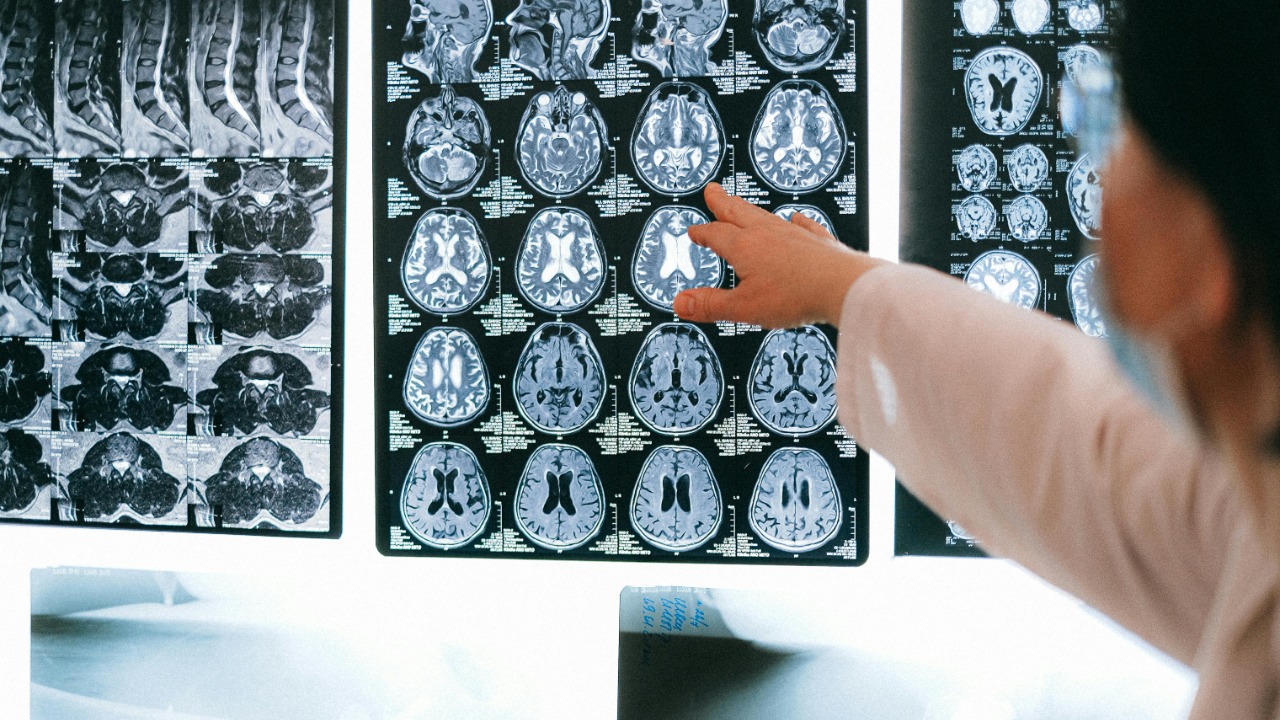

Dementia research is shifting from chasing plaques to decoding how the brain maintains its own health, from blood flow and immune cells to waste disposal and electrical rhythms. That pivot is revealing a new clue: the brain’s support systems, long treated as background, may be the real levers for slowing or even reversing decline. I see a pattern emerging in recent studies that points toward a different treatment playbook, one that treats dementia less as a single disease and more as a systems failure that can be tuned back toward balance.
The quiet revolution beyond amyloid plaques
For decades, the story of Alzheimer and related dementias was dominated by a single villain, sticky clumps of amyloid beta that build up between neurons. That focus produced powerful antibodies that can remove plaques, yet the clinical benefits have been modest, which is why many scientists now argue that plaques are only one chapter in a longer story. A wave of work on brain rhythms, immune cells, blood vessels and waste clearance suggests that the real opportunity lies in restoring the brain’s internal housekeeping rather than only attacking deposits.
One sign of this shift is the attention to gamma oscillations, the fast brain waves that help coordinate memory and attention and appear to falter in Alzheimer. Researchers tied to the University of California system have highlighted how a new molecule can influence these gamma rhythms and potentially heal damaged circuits, a very different strategy from dissolving amyloid. In parallel, other teams are probing how the blood-brain barrier, microglia and the brain’s drainage systems fail in dementia, building a case that the next generation of therapies will target the infrastructure that keeps neurons alive rather than neurons alone.
Blood flow and the missing molecule problem
One of the clearest new clues comes from vascular biology, where dementia is increasingly seen as a disease of starving and flooded brain tissue. A recent experiment showed that simply replacing a missing brain molecule could restore blood flow in models of dementia, easing symptoms tied to poor circulation. Instead of trying to force open clogged vessels with brute-force drugs, the researchers corrected a specific chemical deficit that had quietly throttled the brain’s own ability to regulate its arteries.
A companion report on the same line of work underscored that replacing this factor did more than improve numbers on a scan, it appeared to normalize the coupling between neural activity and blood delivery that dementia gradually disrupts. I read that as a proof of concept for a broader idea: if we can identify the specific molecular brakes on blood flow in each subtype of dementia, from vascular dementia to mixed Alzheimer pathology, we might be able to tune circulation back toward a healthier set point without the bleeding risks that have dogged some earlier drugs.
The blood-brain barrier as a treatment target
Running alongside the blood flow story is a growing focus on the blood-brain barrier, the tightly regulated interface that decides which molecules and immune cells can enter the brain. Historically, most neurodegeneration research treated this barrier as a nuisance that kept drugs out, but a team at Case Western Reserve University and University Hospitals has reframed it as a new target in its own right. Their work shows that when the barrier’s cellular makeup shifts, that change harms the BBB and may accelerate Alzheimer and other neurodegenerative conditions, suggesting that stabilizing the barrier could slow disease.
That idea is now being tested in more fundamental neuroscience as well. At Brown University, a project backed by a $1.3 million grant is tracking so-called plume events, bursts of activity at the blood-brain barrier that may signal how the brain routes nutrition or waste-clearing to active regions. If those plume events prove to be disrupted in dementia, they could become both a biomarker and a lever, giving clinicians a way to monitor barrier health and, eventually, to nudge it back toward patterns seen in resilient brains.
Immune cells, inflammation and the brain’s internal police
Another major pivot in dementia science is the move from seeing inflammation as a vague background problem to mapping the specific immune players that help or harm the brain. Early work on Alzheimer focused on amyloid plaques, but more recent studies argue that chronic inflammation may be just as central, if not more so. Reporting on this shift has described how researchers are moving beyond plaques to examine how microglia, astrocytes and peripheral immune cells respond to years of protein buildup and vascular stress.
One striking example is the discovery of special immune cells in the brain that appear to slow Alzheimer by tamping down runaway inflammation and clearing toxic material. In a recent study, Researchers identified a subset of microglia that act as a brake on disease progression, pointing to a promising new direction for therapy that would amplify these protective cells instead of broadly suppressing the immune system. Earlier work on the receptor CD14 had already shown that deleting this molecule can attenuate Alzheimer pathology by reshaping the brain’s inflammatory milieu, and the authors of that study argued that their findings could guide effective therapeutic strategies that target specific immune pathways rather than inflammation in general.
The brain’s cleaning crew and the dementia link
Perhaps the most vivid new clue comes from the brain’s waste clearance systems, which are finally getting the attention that the liver and kidneys have long enjoyed. More than a decade ago, scientists described a Brain Cleaning System Discovered Scientists dubbed the glymphatic pathway, a network that drains waste products from the brain through channels that parallel the lymphatic system. That discovery suggested that if this cleaning crew slows down, proteins like amyloid and tau could accumulate faster than they can be removed, priming the brain for dementia.
New imaging work at USC has strengthened that suspicion by tying dementia risk to measurable problems in the brain’s waste clearance system. In one analysis, USC Researchers used MRI-based biomarkers to show that people with impaired clearance pathways had higher rates of cognitive problems, linking structural changes in the brain’s drainage routes to real-world symptoms. When the same team looked specifically at vascular dementia, they found that another biomarker, so-called free water in white matter, tracked with damage to these pathways and could help guide Treatments for vascular dementia that focus on restoring fluid balance and clearance rather than only thinning the blood.
Rebalancing brain chemistry and electricity
While blood and immune systems grab headlines, a quieter revolution is unfolding in how scientists think about the brain’s internal balance of energy and electrical activity. One recent study highlighted by Fox News senior medical analyst Dr. Marc Siegel described how restoring brain balance by correcting severe levels of NAD+ decline could help reverse Alzheimer, with the New Alzheimer Development framed as a way to slow disease by targeting metabolism rather than plaques. That work fits with a broader push to see dementia as a failure of cellular energy management, where neurons simply cannot keep up with the demands of signaling and repair.
Electrical activity is part of that story as well. The University of California report on future breakthroughs in Alzheimer science noted that a Dec finding of a new molecule that can tune gamma oscillations may help restore the brain’s timing signals, which are crucial for memory consolidation. At the same time, the World Economic Forum has spotlighted how Future solutions could include implants in the brain to correct faulty signals, with companies like InBrain, one of the World Economic Forum’s innovators, exploring neuromodulation for conditions including dementia and Alzheimer. I see these efforts as converging on a single idea: if we can restore the brain’s rhythm and energy supply, we may give existing neurons a chance to function despite underlying damage.
Vaccines, mental health and unexpected protective factors
Not all of the new clues point toward high-tech implants or bespoke molecules. Some of the most intriguing signals come from population-level data that hint at ways to slow dementia with tools that already exist. At Stanford, an analysis of shingles vaccination records found that people living with dementia who received the vaccine appeared to experience slower decline, suggesting that tamping down viral reactivation or systemic inflammation might protect the brain. The work does not prove causation, but it reinforces the idea that the immune system’s state, shaped by infections and vaccines, can influence neurodegeneration.
Other epidemiological work is drawing lines between late-life mental health and dementia pathology. A report from KPLC described how, in a recent study, people with certain late-life mental health conditions were much more likely to have larger amounts of dementia-related brain changes, with the story framed under the banner of Dec Researchers finding new links to dementia. I read that as a warning that mood and anxiety disorders in older adults are not just quality-of-life issues, they may be early flags of underlying neurodegeneration, and treating them aggressively could become part of a broader dementia prevention strategy.
From conference halls to drug pipelines
These mechanistic clues are already reshaping the formal research agenda. At the Alzheimer Association International Conference in TORONTO, JULY, scientists presented a slate of New Alzheimer discoveries that ranged from lifestyle interventions to novel biomarkers, reinforcing that Alzheimer is not a single-pathway disease. The Alzheimer Association International Conference also highlighted how lifestyle changes matter, with evidence that diet, exercise and sleep can impact memory late in life, likely by influencing vascular health, inflammation and the brain’s cleaning systems.
On the pharmaceutical side, the pipeline is diversifying beyond classic amyloid antibodies. A review of upcoming therapies framed as Looking Ahead at New Alzheimer Drugs that Could Be Approved Soon singled out Alzheon and its compound valiltramiprosate, which targets amyloid in a more nuanced way and may be joined by drugs that modulate tau, inflammation or synaptic function. In psychiatry, a separate overview of late 2025 developments noted that Investigators discovered a new nanotechnological device for the treatment and prevention of neuropsychiatric and neurodegenerative disorders in an experimental model of Alzheimer disease, hinting at a future where tiny implants or particles deliver drugs directly to affected circuits.
Key brain discovery and the “rare opportunity” moment
Amid this flurry of incremental progress, some findings stand out as potential inflection points. One widely discussed report described a Key brain discovery that could revolutionize Alzheimer treatment, with the lead scientist calling it a “Rare opportunity” to rethink how therapies are designed. The work focused on a previously underappreciated mechanism that controls how amyloid beta, a hallmark of Alzheimer, accumulates and is cleared, suggesting that targeting this upstream process could make existing antibodies more effective or even reduce the need for them.
What struck me about that report was not just the novelty, but how it dovetailed with the broader systems view of dementia. Rather than treating amyloid as an isolated target, the Scientists behind the finding framed it as part of a network of processes that include blood-brain barrier transport, immune surveillance and waste clearance. If that framing holds up, it could encourage regulators and funders to back combination approaches that tweak several of these levers at once, rather than betting everything on a single magic bullet.
AI, nanotech and the hunt for faster answers
As the biology of dementia grows more complex, researchers are turning to artificial intelligence and nanotechnology to keep pace. In Parkinson research, one group has shown how AI can sift through existing drugs to identify candidates that might fight neurodegeneration, using algorithms to scan pharmacological and toxicological data for hidden signals. Their work, described as leveraging AI to discover Parkinson’s-fighting drugs, is already inspiring similar efforts in Alzheimer, where the search space for multi-target therapies is too large for traditional trial-and-error.
Nanotechnology is following a parallel path. The psychiatric pipeline review that highlighted a new nanotechnological device for Alzheimer models suggests a future in which tiny sensors or drug carriers patrol the brain, releasing treatments only where needed and minimizing side effects. Combined with AI-guided drug discovery and real-time imaging of blood flow, barrier function and waste clearance, these tools could turn dementia care from a blunt, one-size-fits-all approach into something closer to how we manage complex conditions like cancer, with personalized regimens that adapt as the disease evolves.
More from MorningOverview