
Some people in their 80s, 90s and even past 100 are not just surviving but thriving, with sharp memories and surprisingly resilient bodies. Their secret is not a miracle supplement or a single “longevity gene,” but a distinctive biological signature that shows up in their blood. As researchers map those patterns, they are finding that the chemistry of so‑called super‑agers looks consistently younger and more stable than their birth certificates suggest, and that difference may help predict who reaches extreme old age in good health.
Instead of treating aging as an inevitable slide, scientists are now dissecting which blood markers track with exceptional longevity and preserved cognition. The emerging picture is that long‑lived people maintain healthier levels of lipids, inflammation markers and organ function decades longer than their peers, and that these traits interact with genetics, lifestyle and even the immune system in complex ways that are only starting to be understood.
Why scientists are reading the blood of the oldest old
I see the new wave of longevity research as a shift from counting birthdays to decoding biology. In large population cohorts, investigators are no longer satisfied with knowing who lived to 90 or 100; they want to know which blood measurements in midlife quietly predicted that outcome. In the AMORIS cohort, for example, Participants had blood-based biomarkers measured between 1985 and 199, then were followed to see who achieved what the authors called exceptional longevity. That kind of long horizon lets researchers test whether subtle differences in cholesterol, glucose or inflammation decades earlier really matter.
The stakes are rising because the number of people reaching very old ages is exploding. One analysis notes that a generation ago there were only 110,000 centenarians worldwide, compared with 600,000 today, and that a notable fraction reach 100 in robust health with no age-related disease or disability. If blood tests can flag who is on that trajectory, health systems could intervene earlier for everyone else, long before frailty and dementia take hold.
Inside the landmark Swedish tracking study
One of the clearest windows into this biology comes from a Swedish project that followed tens of thousands of older adults over decades. The Swedish team tracked the health data of 44,000 people aged 64 to 99, then examined which blood markers were most strongly tied to reaching 100. A separate summary of the same work notes that Researchers in Sweden tracked over 44,000 adults for up to 35 years, then linked their lab values to the odds of Living to 100. That scale gives unusual statistical power to tease out which patterns are signal and which are noise.
What their analysis shows is that people who became centenarians tended to have healthier organ function and metabolic profiles long before they blew out triple-digit candles. One report on What their (centenarians) blood reveals notes that the Swedish team focused on markers of metabolism, liver and kidney function and nutrition, and that centenarians generally avoided extremely high or low values that signaled stress on those systems. A separate overview of Biomarker Patterns Associated with reaching 100 highlights that healthier organ function and more favorable lipid and glucose levels were consistently linked to surviving into the tenth decade.
What “super-ager” really means for the brain
Longevity alone is not the full story, and I find the most striking data come from people whose minds stay decades younger than their peers. Clinical researchers use the term super‑ager for older adults whose memory and thinking match people much younger, often by 20 or 30 years. A Harvard overview notes that Super agers have brain regions for memory that shrink more slowly than in typical aging, which helps them resist cognitive decline. An educational post aimed at the public echoes that picture, describing how Super-agers in their 70s, 80s or 90s can have memory and thinking skills that resemble those of people decades younger and are more likely to remain physically independent.
Neuroimaging work backs up those claims with hard numbers. In one study of brain structure, the Findings included 64 superagers with a mean age of 81·9 years, including 38 women, which was 59% of the group. Compared with typical older adults of similar age, these participants showed thicker cortex and better preserved networks in memory-related regions, suggesting that whatever protects their blood and organs may also be buffering their neurons.
The blood chemistry that sets super-agers apart
When I look across the data, a recurring theme is that super‑agers and centenarians avoid extremes in key blood markers. A report on people with outstanding memory in their 80s notes that investigators examined markers linked to metabolic status and function, including total cholesterol and glucose, as well as ones related to inflammation and organ health, and that super‑agers tended not to show extremely high or low values. That pattern mirrors the Swedish longevity cohort, where centenarians’ blood suggested steadier liver and kidney function and more balanced nutrition over time.
Other analyses dig into how these markers differ from the general population. One synthesis of the AMORIS work emphasizes that even if biomarkers alone cannot fully predict who will live the longest, combinations of lipids, inflammatory proteins and metabolic indicators can meaningfully stratify risk for exceptional longevity in research on exceptional longevity. A separate overview of exceptionally long‑lived individuals notes that their blood often shows lower markers of chronic inflammation and healthier lipid profiles than peers decades younger, suggesting that their internal environment ages more slowly even when their chronological age is very high.
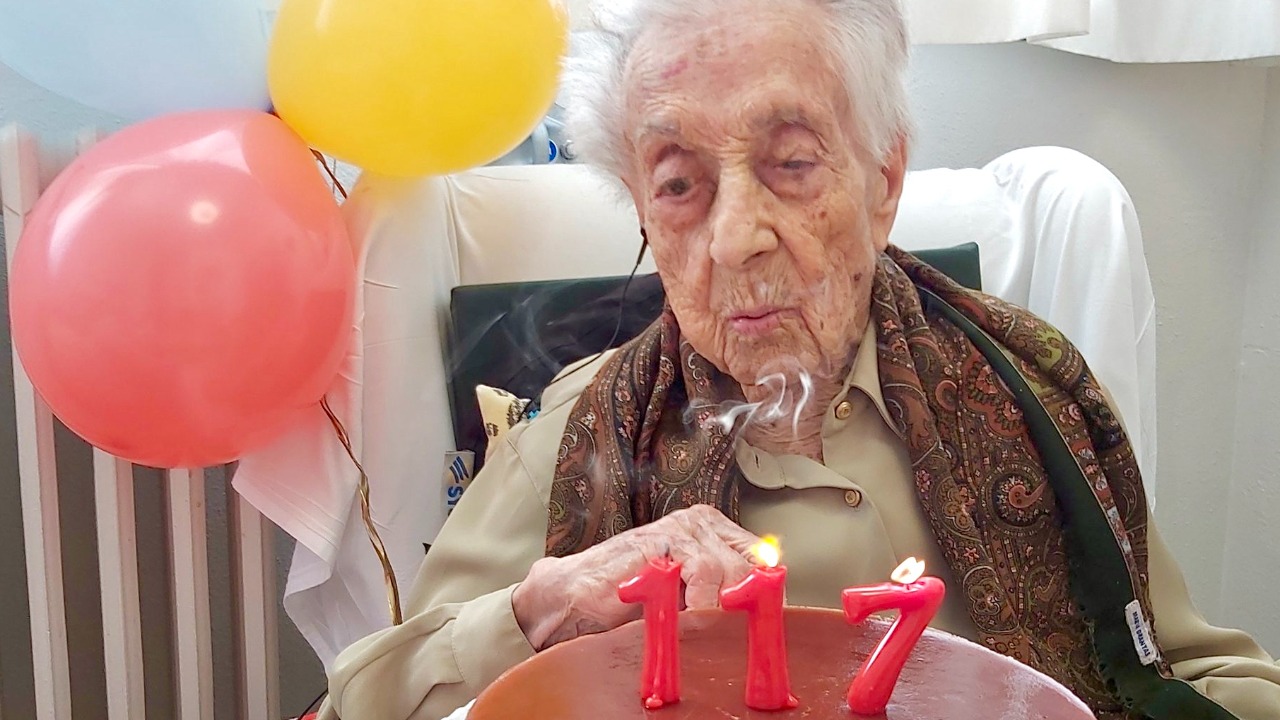
Case study: Maria Branyas Morera and the 117-year-old blueprint
For a more personal view of these trends, I keep coming back to the story of Supercentenarian Maria Branyas Morera. Genetic analyses of her DNA compared with relatives of various ages living in the same region gave scientists a rare chance to see how protective variants might cluster in one family. A separate news feature recounts how 117-year-old Maria Branyas Morera had the distinction of being the oldest person in the world and actively encouraged doctors to study her, telling them, “Please study me.”
Her blood has become a touchstone in the debate over how much of super‑aging is written in our genes and how much is shaped by life choices. One analysis notes that Maria Branyas, who reached the age of 117, had blood samples showing several health markers that looked much younger than her true age. Another report on how genetics and lifestyle combined to keep a 117-year-old healthy describes a Study that found a “groundbreaking combination” of protective genes and favorable habits working together to sustain health into extreme old age, a pattern that likely applies to many super‑agers beyond this single case.
Genetics, randomness and the limits of prediction
Even as blood tests grow more sophisticated, I am struck by how often researchers stress humility. One synthesis of exceptionally long‑lived people notes that Lifestyle, genetics and sheer randomness can change the future course of a person’s life in unpredictable ways, and that But many of the oldest old still share common blood features. In a separate radio discussion, geriatrician SOFIYA MILMAN explains that several genes have been identified that confer protection for centenarians, but that these variants interact with environment and chance as people age and get older.
That complexity is why most experts resist turning longevity biomarkers into a deterministic scorecard. A news explainer on whether blood can predict a 100‑year life notes that Read Time summaries may tempt readers with simple answers, but the underlying data show only probabilities. The same piece points out that Evidences suggest that “superagers” possess unique blood profiles and that Scientists studying people who look younger than their actual age are still working out how to translate those clues into individual forecasts.
The immune system’s delicate balancing act
Blood is not just a record of metabolism; it is also the highway for the immune system, and here too super‑agers seem to walk a fine line. A longevity-focused analysis notes that, Interestingly, previous research suggests centenarians and supercentenarians are often endowed with youthful immune systems that still respond vigorously to threats. The twist is that in the general population, an overly youthful immune profile can sometimes drive autoimmunity, so the oldest old appear to have found a way to keep their defenses young without paying that price.
That balancing act shows up in inflammatory markers that circulate in the blood. Analyses of exceptionally long‑lived people report that some inflammatory proteins are lower than expected for their age, while others are only modestly elevated, suggesting a controlled simmer rather than chronic overactivation. A separate synthesis of blood differences in long‑lived individuals notes that in absolute terms some biomarker differences are small, while for others the differences are more pronounced, and that these patterns hint at a mix of genetic resilience and lifelong exposures that shape how the immune system ages, as described in a review of key differences in the blood of exceptionally long‑lived people.
How blood, brain and cognition intersect
One of the most important questions, in my view, is how these blood signatures translate into preserved thinking and memory. A machine learning study on cognitive metrics notes that Cognitive functions are impaired by brain damage caused by metabolic inflammation and microvascular disorders, which directly links blood-borne processes to neural decline. The same work explores how major blood biomarkers associated with SuperAgers influence cognitive function, suggesting that healthier metabolic and vascular profiles may shield the brain from the slow drip of damage that erodes memory in typical aging.
Clinical observations of super‑agers’ brains add another layer. A study of people with outstanding memory into their 80s found that, But even when some super‑agers’ brains contained large numbers of abnormal proteins typically linked to dementia, they still maintained their cognitive abilities. The same report notes that Super agers were also found to have distinct structural and functional features compared with typical older adults, according to the study findings, which implies that blood-based resilience and brain architecture may work together to preserve cognition despite underlying pathology.
Can lifestyle bend biological age in our favor?
If genes and chance set the stage, lifestyle appears to shape how our blood and organs age on that stage. A detailed review of aging and chronic disease points out that Lifestyle Habits and Biological Age Because biological age is partly modifiable, lifestyle represents a potential therapeutic target, and that interventions such as exercise, diet and sleep can measurably impact biological age markers in healthy people. That dovetails with public-facing guidance that regular physical activity, learning new skills, strong social connections, quality sleep and a balanced diet are all habits linked to super‑agers, as described in the educational post that urges readers to start protecting brain and body health right now.
For me, the most encouraging thread across these studies is that the blood profiles of super‑agers are not purely a genetic lottery ticket. While some, like Maria Branyas Morera, clearly carry rare protective variants, the Swedish cohort and AMORIS data suggest that maintaining stable, healthy levels of cholesterol, glucose and organ function markers from midlife onward is associated with better odds of reaching 90 or 100 in good shape. That does not guarantee anyone a century of life, but it does mean that the choices we make today are likely to show up in our blood tomorrow, and that those numbers may quietly influence how long, and how well, we live.
More from MorningOverview