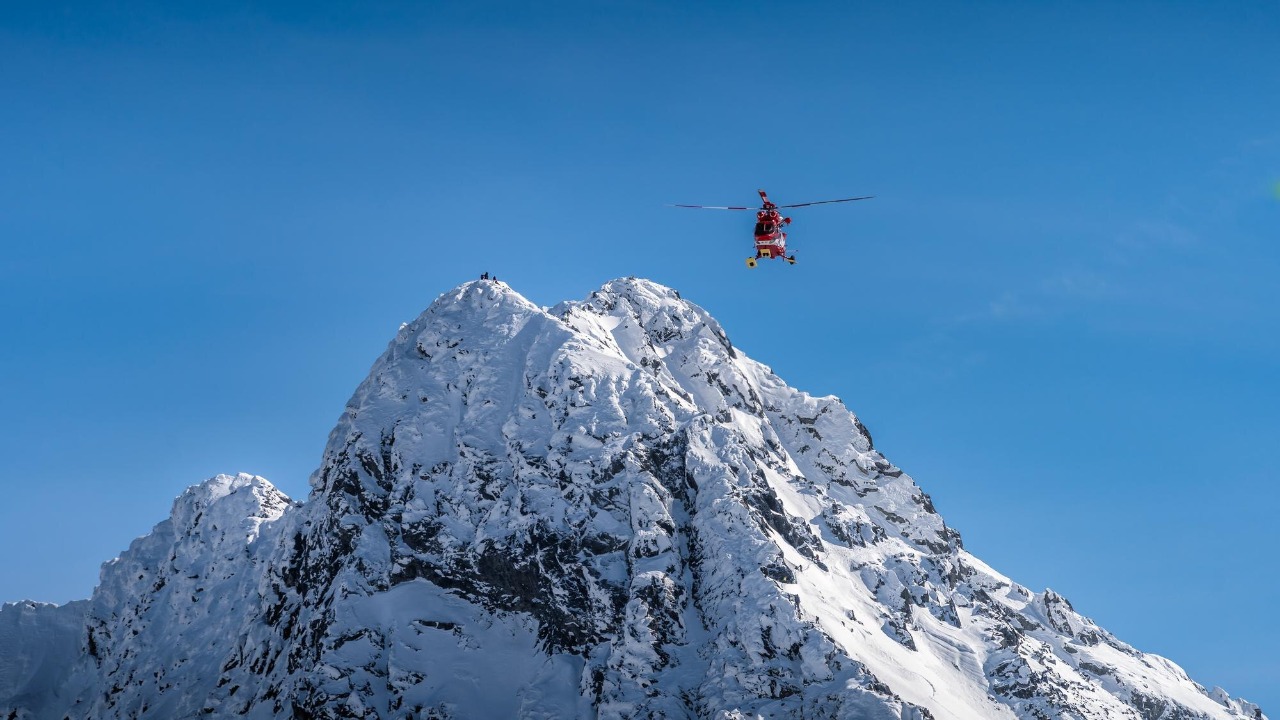

Mount Everest has been marketed for years as the ultimate adventure, yet the world’s highest peak has also become a symbol of what happens when mass tourism meets fragile ecosystems. After more than a decade of trying to make climbers pay a refundable deposit to carry their trash back down, Nepal is now scrapping that system and replacing it with a tougher, more centralized cleanup strategy. The shift marks a rare admission that a flagship environmental policy has failed and a bet that stricter rules, higher fees and closer monitoring can finally stop Everest from drowning in its own waste.
Instead of relying on individual climbers to self-police their garbage, officials are moving toward a model that treats waste management as core mountain infrastructure, not an optional add-on. The new approach folds Everest into a broader rethink of how Nepal regulates high-altitude tourism, from limiting climber numbers to relocating base camp and involving local communities more directly in both enforcement and cleanup.
How the refundable garbage deposit was supposed to work
When the garbage deposit rule was introduced, the idea sounded straightforward: Climbers would pay a significant sum before their expedition and get it back only if they brought down a set amount of waste. In theory, that financial incentive would turn every team into its own cleanup crew, reducing the need for constant policing on the mountain. The scheme was framed as a way to make Everest expeditions internalize at least part of the environmental cost of their presence.
In practice, the system depended on accurate weighing of trash, honest declarations by expedition leaders and consistent checks at the end of the climbing season. Reports on Why Everest is still choked with rubbish describe how climbers were required to bring back waste to recover their deposit, yet the process left large gaps. Once expeditions descended to Kathmandu or left the country, there was little leverage left if the checks had been lax or the paperwork incomplete.
Why Nepal is walking away from the old scheme after 11 years
After 11 climbing seasons, officials have concluded that the deposit model simply did not deliver the promised cleanup. The most damning evidence is visible on the mountain itself, where higher camps remain strewn with discarded tents, oxygen cylinders and food packaging despite years of supposed enforcement. Authorities now describe the policy as a failure that never produced a “tangible result” in terms of reducing the overall volume of trash on the slopes of Mount Everest.
Part of the problem was structural. A checkpoint above the Khumbu Icefall was the only serious monitoring point on the route, which meant that once climbers passed that bottleneck, their behavior at higher camps was effectively unregulated. A detailed account of how Mount Everest waste rules are changing notes that the scheme to encourage climbers to bring their waste down had failed to show a clear impact, prompting Nepalese authorities to scrap it rather than keep patching a system that was never designed for the current scale of traffic.
The mountain of trash that still sits on Everest’s upper slopes
Even as the old policy is retired, the legacy of past expeditions is still frozen into the mountain. Clean-up teams and researchers estimate that between 40, 50 tons of garbage remain scattered across the higher camps, where thin air and brutal weather make collection extremely difficult. It is those upper reaches, not the more accessible base camp area, that have proven most resistant to past cleanup drives and most revealing of how much waste has accumulated over decades.
Over the years, Everest’s waste problem has evolved from a few abandoned oxygen bottles into a sprawling mix of plastics, metal, human waste and even the remains of old expedition gear that has effectively become part of the landscape. Detailed reporting on how Everest’s waste has built up notes that the problem is concentrated in those higher camps, where helicopters cannot easily operate and where every extra kilogram a Sherpa carries can mean a real safety trade-off. That reality is one reason Nepal is not giving up on Everest but is instead trying to redesign the rules from the ground up.
Limited monitoring and weak enforcement at the Khumbu Icefall
The Khumbu Icefall is one of the most dangerous sections of the standard route, a shifting maze of crevasses and seracs that climbers must cross to reach the upper mountain. It also became the de facto checkpoint for the garbage deposit scheme, with officials stationed above the icefall to weigh trash and verify that teams were complying with the rules. In theory, this chokepoint should have been an ideal place to enforce environmental standards.
In reality, the single checkpoint left vast blind spots. Officials have acknowledged that, apart from the check point above the Khumbu Icefall, there was no systematic monitoring of what climbers were doing higher up, which meant that much of the waste was simply left where it was generated. One account notes that Officials saw that limited monitoring meant not all teams were following the rules, even as some clean-up efforts did remove visible trash. Another detailed report on the scrapping of the scheme quotes Mr Sher saying that, apart from that checkpoint, there was no real system to track climber behavior, a gap that the new rules are explicitly designed to close through more robust follow-up and monitoring works above the Khumbu Icefall.
From refundable deposits to non-refundable cleanup fees
The most striking policy shift is financial. Instead of a refundable deposit, climbers will now face a non-refundable cleanup fee that is folded into the cost of their expedition. The logic is blunt: rather than hoping that individual teams will bring down enough trash to earn their money back, the state will collect a fixed amount and use it to fund professional cleanup operations and long term waste management infrastructure on the mountain.
Reports on how Nepal is Doubling down on sustainability indicate that the non-refundable fee is likely to be set around a substantial figure per climber, with the explicit goal of underwriting cleanup work rather than dangling a refund as a carrot. A separate account of the policy change notes that the non-refundable fee will be introduced alongside other measures as part of a growing concern for mountaineering sustainability, a shift that Mingma Sherpa, chairperson of the Pasang Lhamu rural municipality, has welcomed as overdue recognition of the Sherpa community’s role in keeping the mountain viable.
New five-year cleanup strategy and relocation of base camp
Scrapping the old scheme is only one piece of a broader five-year plan that Nepal has drawn up to manage Everest more aggressively. The strategy includes relocating base camp away from its current site on the Khumbu Glacier, which is increasingly unstable because of climate change and heavy use. Moving base camp to more solid ground is meant to ease pressure on the glacier while also creating a more controlled hub for waste collection and logistics.
According to a detailed outline of how Nepal rolls out its first five-year Everest cleanup plan, the strategy also contemplates limiting climber numbers and reclaiming financial control over expedition logistics that had often been outsourced. To ease pressure on the mountain, the plan includes provisions to involve local communities more deeply, both in enforcement and in the design of sustainable mountaineering practices. That community focus is meant to ensure that the people who live in the shadow of Everest, and who bear much of the environmental cost, have a direct say in how the mountain is managed.
Stricter rules on waste, from trash to human excrement
Alongside the financial overhaul, Nepal is tightening the rules on what climbers must physically carry back down. Earlier this year, authorities announced that Everest climbers would be required to bring their own human waste back with them, a move that grabbed global headlines but reflects a very practical concern about contamination at high camps. The new regulations also raise climbing fees, signaling that the era of cheap, lightly regulated access to the world’s highest peak is ending.
Coverage of Nepal’s new rules explains that climbers on Everest will now have to use special bags to collect their poop and return it to designated facilities, while also paying higher permit costs that help fund environmental management. These requirements sit alongside the broader expectation that every climber must bring back a minimum amount of general waste, a standard that is being integrated into the new five-year strategy and monitored more systematically at intermediate camps rather than only at the end of the expedition.
Camp II checks, Mountain Rangers and the end of visible dumps
One of the most concrete operational changes is the decision to shift monitoring from a single checkpoint to multiple layers of oversight higher on the mountain. Under the new strategy, every climber must bring back at least 3 kg of waste, and that requirement will be checked at Camp II rather than only near base camp. The idea is to catch non-compliance earlier and in a place where enforcement is still logistically feasible, while also reducing the temptation to abandon trash at higher camps.
Detailed planning documents describe how Every climber’s waste will be monitored at Camp II by both Mountain Rangers and other designated personnel, with the explicit goal of ensuring that no visible garbage dump endures on the mountain. By embedding enforcement into the climbing route itself, rather than treating it as an afterthought at the end of the season, Nepalese authorities hope to change expedition behavior in real time and make it harder for teams to game the system.
Local Sherpa voices and the politics of “failed” policy
For the Sherpa communities that guide and support most Everest expeditions, the end of the deposit scheme is not just a technical policy tweak but a recognition that they have been carrying the burden of a flawed system. Mingma Sherpa, chairperson of the Pasang Lhamu rural municipality, has been explicit that the change is something the Sherpa community had been demanding, arguing that the old rules left them cleaning up after clients without adequate support or authority. The new framework, with its non-refundable fee and stronger monitoring, is seen locally as a chance to align responsibility with power.
In a detailed account of how Mingma Sherpa and others view the shift, he notes that the non-refundable fee will support more systematic clean-up and monitoring works, reflecting a growing concern for mountaineering sustainability. That framing matters politically, because it allows Nepal to present the scrapping of a “failed” scheme not as an admission of defeat but as a course correction shaped by the people who know the mountain best.
What scrapping the scheme means for future climbers
For future climbers, the end of the old deposit system will likely mean higher upfront costs, more paperwork and closer scrutiny at every stage of the climb. Instead of treating waste management as a box to tick in order to recover a deposit, expeditions will have to plan for mandatory cleanup fees, strict weight checks at Camp II and detailed protocols for handling everything from food packaging to human waste. The days when teams could quietly leave gear at high camps and hope no one noticed are coming to an end.
Government notices from Kathmandu make clear that the decision to cancel the garbage deposit rule was not taken lightly, but was driven by the reality that a large volume of trash still remains at the higher camps despite years of supposed enforcement. One such notice, issued from Kathmandu on a Tuesday in Poush, explicitly states that the rule is being cancelled because so much waste remains at the higher camps, and that new measures will focus on long term cleanup rather than refundable deposits. For climbers, that means Everest will remain accessible, but on terms that put environmental responsibility at the center of the experience rather than at its margins.
Everest as a test case for sustainable mountaineering
Everest has always been more than just a mountain for Nepal. It is a national symbol, a major source of foreign currency and a test case for how a developing country can manage a world famous natural asset without letting it be destroyed by its own popularity. The decision to scrap a decade old cleanup scheme and replace it with a more interventionist model is part of a broader effort by Nepal has introduced its first comprehensive Everest cleanup plan, which aims to protect the mountain while promoting sustainable mountaineering practices.
Officials are candid that the previous approach, in which climbers were required to bring back waste to recover their deposit, did not work as intended. A detailed breakdown of why Nepal is ending the Everest garbage deposit scheme after 11 years notes that climbers were required to bring back waste but that the rule failed to reduce the overall volume of trash. By replacing that model with non-refundable fees, stricter monitoring and a five-year strategy that includes limiting climbers and relocating base camp, Nepal is effectively using Everest as a laboratory for what sustainable high altitude tourism might look like in practice.
The stakes if the new plan fails
Behind the policy details lies a stark reality: if the new plan fails, Everest’s reputation could shift from iconic summit to cautionary tale. The mountain is already known for images of climbers stuck in traffic jams near the summit and for reports of bodies and trash emerging from melting ice. If, after scrapping the old scheme and rolling out a five-year strategy, the visible garbage dumps persist, it will be harder for Nepal to argue that Everest is being managed responsibly.
Analyses of the decision to scrap the scheme emphasize that the move comes after 11 years of failure, a phrase that captures both the persistence of the problem and the political risk of trying again. One detailed report on Under the changed rule notes that officials will now be responsible for more robust follow-up and monitoring works, a recognition that the state cannot outsource environmental stewardship to individual climbers. If that more hands-on approach succeeds, Everest could become a model for other crowded peaks. If it fails, the world’s highest mountain will stand as a very visible reminder of how hard it is to clean up after the age of mass adventure tourism.
More from MorningOverview