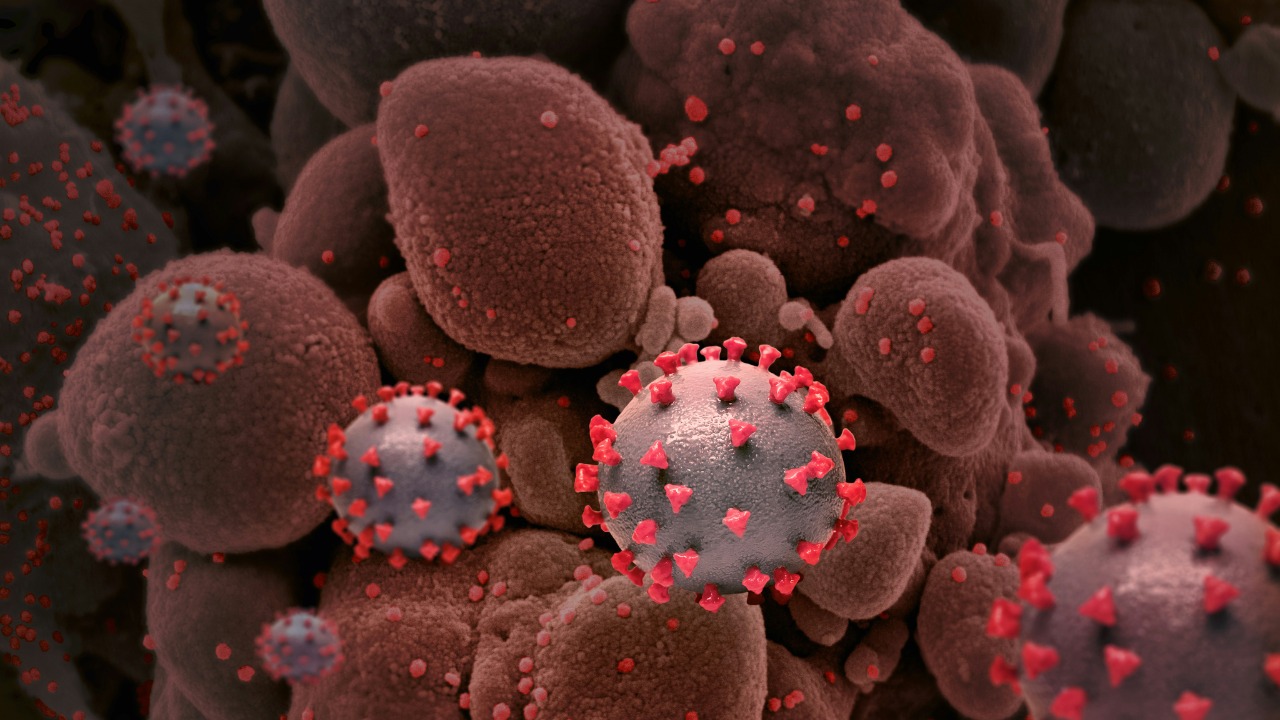

For decades, cancer patients have been told that shrinking tumors meant accepting brutal side effects as the price of survival. Now a wave of experimental therapies is starting to break that tradeoff, with early trials in several cancers reporting tumors that vanish or stop growing while healthy tissue is largely spared. The science is still young and the numbers are small, but taken together these studies hint at a future in which the phrase “effective cancer drug” no longer has to be synonymous with “scary toxicity.”
When “no evidence of cancer” stopped being a fluke
I have covered oncology long enough to be wary of the word “cure,” yet it is hard to ignore how often recent trials have reported patients leaving scans with no detectable tumors and, just as striking, no need for the usual backup plans of surgery, radiation, or more chemotherapy. In one closely watched rectal cancer study, an Experimental rectal cancer drug led every participant’s tumor to disappear in a small trial, and so far no patient has needed further treatment, a result that would have sounded like fantasy a decade ago. A separate televised segment on immunotherapy highlighted how a group of colorectal patients saw their disease melt away during treatment, with the broadcast noting at the 7:44 mark that this was “very hopeful news” for tens of thousands of American families who live with the fear of recurrence.
Those rectal cancer patients were not outliers in a vacuum. In another report, an immunotherapy regimen for colorectal tumors produced complete responses in all participants, and the Cancer Disappears In All Patients segment underscored how unusual it was that none of them required chemotherapy, radiation, or surgery afterward. The common thread is not just that tumors vanished, but that the usual collateral damage, from hair loss to organ damage, was largely absent, suggesting that the field is finally learning how to aim at cancer cells with far more precision than the blunt tools of the past.
The bladder cancer device that quietly rewrites chemotherapy
One of the clearest examples of this shift is happening in bladder cancer, where a tiny implant is turning a familiar chemotherapy drug into something far more targeted. The device, known as TAR-200, is a miniature, pretzel-shaped drug-device duo that sits inside the bladder and slowly releases gemcitabine directly where tumors grow. In a phase II trial, more than 80 percent of patients with certain bladder tumors saw their cancer eliminated, a level of response that would be impressive for any systemic chemotherapy, let alone one delivered locally through a device that can be inserted and removed without major surgery.
What makes TAR-200 so disruptive is not only the response rate but the way it sidesteps the body-wide toxicity that usually comes with gemcitabine infusions. By bathing the bladder lining in a steady, localized dose, the system keeps drug levels high where they are needed and low elsewhere, which early data suggest translates into fewer systemic side effects and less time in infusion chairs. The trial’s success has already prompted calls for larger studies, and if those hold up, this kind of “pretzel-shaped” delivery could become a template for turning other old chemotherapies into modern, organ-targeted treatments that spare patients the worst of the collateral damage.
Antibodies that flip immune switches instead of carpet bombing cells
While devices like TAR-200 refine how we deliver chemotherapy, another frontier is reprogramming the immune system so it does the killing with minimal friendly fire. A modified antibody that targets the CD40 protein receptor has shown how powerful that approach can be, using CD40 agonist antibodies to activate immune cells right inside tumors. In an early trial described in a detailed report, the drug prompted some metastatic tumors to shrink dramatically or disappear, leading one expert to call the results “extraordinary” and to highlight how the immune activation was focused on malignant tissue rather than healthy organs.
The mechanics matter here. By binding to CD40 on antigen-presenting cells, the antibody effectively flips a switch that tells the immune system to treat the tumor as an urgent threat, amplifying T cell and B cell responses in a controlled way. According to the Sign up for Morning Rounds coverage, the trial team emphasized that the drug uses CD40 agonist antibodies and targets the CD40 protein receptor in a way that appears to avoid the systemic immune storms that have plagued some earlier checkpoint therapies. If larger studies confirm that this kind of precision immune activation can clear metastatic disease without triggering widespread inflammation, it could mark a turning point for patients who have already exhausted standard options.
Small-molecule breakthroughs that leave healthy cells alone
Not every innovation involves antibodies or implants; some of the most intriguing advances are small molecules designed to hit tumor-specific pathways while leaving normal tissue untouched. One such Breakthrough cancer therapy was reported to stop tumor growth without harming healthy cells by blocking a pathway responsible for tumor growth that is largely dormant in normal tissue. Researchers described how the compound zeroed in on a signaling cascade that cancer cells rely on for unchecked division, effectively starving tumors of their growth signal while sparing the rest of the body the metabolic shock that comes with traditional cytotoxic drugs.
This kind of pathway-specific inhibition is not entirely new, but the level of selectivity described in the report is. The study, which was summarized with the labels Oct, Breakthrough, Date, Source, and The Franc attached to its key details, underscored that healthy cells showed minimal changes when exposed to the drug, even as tumor cells stopped proliferating. For patients, that could translate into a treatment that feels less like a systemic assault and more like a quiet, targeted blockade, with fewer days lost to nausea, fatigue, or organ damage and more time living something closer to a normal life while therapy quietly does its work.
Metastatic tumors and the promise of gentler systemic drugs
Metastatic cancer has long been the hardest test for any new therapy, because once tumors spread, they seed organs throughout the body and demand systemic treatment. That is why a recent report on an Experimental drug that eliminated aggressive breast and skin cancer in a small trial drew so much attention. Scientists described how the compound was designed to attack metastatic lesions while reducing side effects, and early data suggested that some patients with advanced disease saw their tumors disappear entirely, a rare outcome in this setting.
The report noted that Aug and Scientists were central to the development timeline and analysis, and it highlighted how the drug’s mechanism allowed it to distinguish between malignant and healthy cells more effectively than older chemotherapies. While the trial was small and will need to be replicated in larger, more diverse populations, the combination of systemic reach and a gentler side effect profile hints at a future in which even metastatic disease can be treated with regimens that do not automatically mean months of debilitating toxicity. For patients who have already endured multiple rounds of harsh therapy, that possibility alone is transformative.
Nanotechnology that makes old drugs 20,000 times stronger
Perhaps the most dramatic numbers in this new wave of research come from nanotechnology, where engineers are reimagining how drugs are packaged and delivered at the molecular level. A Northwestern team reported that it had transformed a common chemotherapy drug into a powerful, targeted cancer therapy using spherical nucleic acids, effectively making the agent 20,000 times stronger in killing cancer cells while avoiding the usual systemic fallout. The Northwestern team described how these nanoscale structures smuggle the drug into tumors more efficiently, concentrating the payload where it is needed and limiting exposure elsewhere.
A companion report on the same platform explained that this new drug kills cancer 20,000x more effectively with no detectable side effects in preclinical models, thanks to an innovative design that transforms a compound that normally dissolves poorly and works weakly into a highly potent, precision therapy. By solving the solubility and delivery problems that have long limited many promising molecules, nanotech platforms like this could unlock a library of older drugs that were shelved not because they failed to kill cancer cells, but because they harmed patients too much in the process. If those same compounds can be repackaged to hit tumors harder and healthy tissue less, the line between efficacy and tolerability starts to blur in patients’ favor.
Targeting cancer stem cells and the roots of relapse
Even when frontline tumors disappear, a small population of cancer stem cells can linger and eventually seed relapse, which is why some of the most forward-looking work focuses on eliminating those cells specifically. A review in Emerging nanoparticles that target and eliminate cancer stem cells in Nanomedicine (Lond) described how researchers are designing nanoparticles that home in on markers unique to these stem-like cells, delivering toxic payloads that spare the bulk of normal tissue. The paper, published in 2025 Aug with a doi that begins 10.1080, outlined strategies ranging from ligand-decorated particles that bind to stem cell receptors to smart carriers that release drugs only in the acidic microenvironments where these cells thrive.
For patients, the promise is straightforward: if therapies can wipe out both the main tumor mass and the stem cell reservoir, the odds of long-term remission rise sharply without necessarily increasing toxicity. Because nanoparticles can be engineered to carry multiple agents at once, they also open the door to combination regimens that hit stem cells from several angles while keeping doses of each individual drug low. That kind of multi-pronged, low-toxicity strategy could be especially valuable in cancers like glioblastoma or pancreatic tumors, where relapse is common and current salvage therapies are often as punishing as they are uncertain.
CRISPR, Immuno-oncology, and the quest to reach remote tumors
Even the most elegant drug is useless if it cannot reach every pocket of disease, which is why some teams are turning to gene editing to help immunotherapies find and attack remote tumors. One research effort described how scientists are marrying CRISPR with Immuno-oncology drugs like Merck’s PD-1 inhibitor Keytruda to defeat remote tumors that currently evade treatment. Immuno-oncology drugs like Merck’s PD-1 inhibitor Keytruda work by blocking proteins that cancer cells use to hide from immune attack, but many patients do not respond because their tumors lack the right immune targets or sit in microenvironments that exclude T cells.
By using CRISPR to edit either tumor cells or immune cells, researchers aim to create conditions in which checkpoint inhibitors can work more reliably, potentially turning “cold” tumors “hot” without resorting to high-dose systemic chemotherapy. The report noted that Immuno, Merck, and Keytruda are central to this strategy, which could allow doctors to direct immune cells to remote metastases that currently slip past surveillance. If successful, this approach would not only expand the reach of existing immunotherapies but also do so in a way that avoids the broad, non-specific toxicity of older systemic treatments, since the edits are designed to sharpen, not blunt, the immune response.
The pipeline: promising drugs racing toward approval
Behind these headline-grabbing breakthroughs sits a broader pipeline of targeted agents that are still working their way through trials but already look poised to change standard care. A survey of the 10 Most Promising Cancer Drugs Not Yet Approved in 2025 highlighted Darovasertib, developed by IDEAYA Biosciences in collaboration with Servier, as a potent, selective inhibitor of PKC, a protein kinase implicated in certain melanomas and uveal cancers. The report noted that in a registrational Phase 3 setting, patients receiving Darovasertib-based regimens saw median survival figures such as 15.97 versus 11.50 months, suggesting a meaningful extension of life without the blanket toxicity of older chemotherapies.
Darovasertib is just one example, but it illustrates how the next generation of drugs is being built around specific molecular vulnerabilities rather than one-size-fits-all cytotoxicity. IDEAYA and Biosciences partners like Servier are betting that by zeroing in on PKC and related pathways, they can deliver durable control of aggressive cancers with side effect profiles that are more manageable for patients who may be on therapy for years. As more of these agents move from early trials into registrational studies, the oncology landscape could shift from short, brutal courses of treatment to longer, more tolerable regimens that treat cancer as a chronic, controllable disease.
What “no scary toxicity” really means for patients
It is tempting to read about tumors disappearing and drugs that are 20,000 times more effective with no detectable side effects and assume that the age of harsh cancer treatment is over. The reality is more nuanced. Many of these studies are small, early phase trials in carefully selected patients, and long-term safety data are still emerging. Yet even at this stage, the pattern is clear: from TAR-200’s pretzel-shaped bladder implant to CD40 agonist antibodies, from pathway-specific small molecules to nanoparticles that target cancer stem cells, the field is converging on a model where precision is the main driver of both efficacy and tolerability.
For patients and clinicians, that shift changes the conversation in the exam room. Instead of weighing survival against months of debilitating toxicity, they can increasingly talk about therapies that aim to eradicate or control tumors while preserving quality of life, whether through localized delivery, immune reprogramming, nanotech-enhanced potency, or CRISPR-guided targeting of remote lesions. The science will need to clear larger, more rigorous trials, and not every early promise will hold. But the fact that I can now point to multiple, independent examples where tumors disappeared or stopped growing without the usual collateral damage suggests that the old bargain of “cure at any cost” is finally starting to give way to something better.
More from MorningOverview