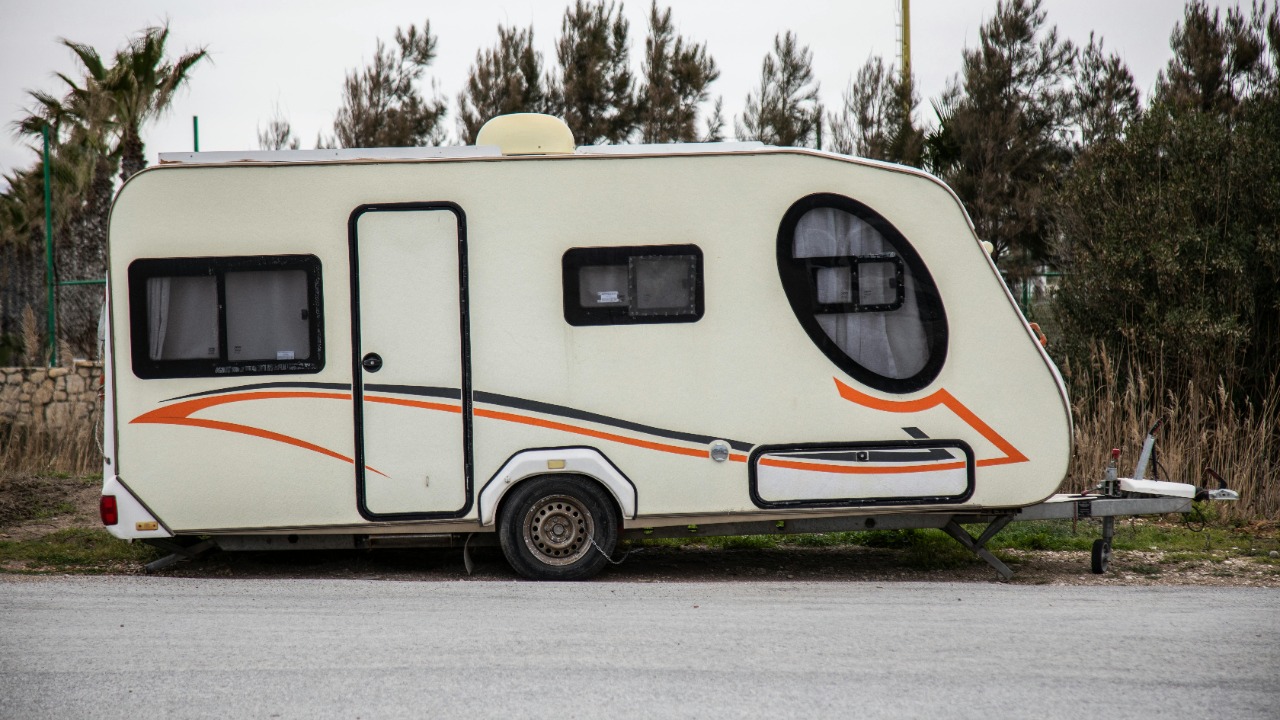

Towing a car behind your RV can turn a big rig into a flexible basecamp, but it also multiplies the risks, responsibilities, and rules you have to manage. Before you hook up a towed vehicle and head for a packed event or a cross-country trip, you need a clear grasp of weight limits, local ordinances, and real-world logistics. I use the following five rules as a checklist to keep towing safe, legal, and predictable, especially when crowds, campus traffic, and city towing crackdowns are part of the plan.
1. Research Event Travel Guides Like “Know Before You Go: FAMU Homecoming”
Researching event travel guides like Know Before You Go: FAMU Homecoming is my first rule before towing a car behind an RV to any major gathering. Guides that carry a title such as “Know Before You Go: FAMU Homecoming” are built to walk visitors through parking zones, shuttle options, road closures, and game-day restrictions that can make or break a towing plan. When I am pulling a car, I treat these guides as operational documents, not just fan information, because they often spell out which lots can handle larger vehicles, whether RVs must park in designated areas, and how early arrivals are expected to stage before kickoff traffic ramps up. If a guide notes that certain streets will be blocked or converted to one-way traffic around the stadium, I know I may need a different route that avoids tight turns or steep grades that are harder to manage with a towed car.
These event-specific instructions also shape how I prepare the rig itself. If the guide indicates that parking is in a grass field or on uneven gravel, I plan for extra chocks, leveling blocks, and more space to maneuver while still attached to the towed vehicle. When a campus or city expects heavy congestion, I may decide to disconnect the car at a satellite lot and drive in separately, which only works if I have already confirmed that the towed vehicle can be safely unhooked and driven on its own. The stakes are high: ignoring a detailed “Know Before You Go” style guide can leave an RV-and-car combination stuck in a bottleneck, forced into an illegal parking spot, or even towed away for violating event rules. By studying these guides in advance, I align my towing strategy with the host’s logistics, reduce surprises, and protect both my equipment and everyone sharing those crowded roads.
2. Plan for Specific Events Such as FAMU Homecoming
Planning for specific events such as FAMU Homecoming goes beyond reading a guide and into tailoring every towing decision to that destination. The event name, FAMU Homecoming, signals a surge of alumni, students, and visitors converging on a defined area, often around a stadium and nearby streets that are already tight for large vehicles. When I know I am towing a car behind an RV into a homecoming environment, I start by mapping how the RV-and-car combination will enter and exit the campus, where it can stage if lots are full, and whether there are height or length limits on the recommended routes. I also consider how long the rig will sit in one place, because a full day of tailgating or overnight parking can affect battery drain on supplemental braking systems and the security of the towed vehicle if it is left connected in a busy lot.
FAMU Homecoming is tied directly to football travel planning, so I treat it as a template for any big game or parade weekend that draws similar crowds. I look for information on whether RVs are allowed to stay overnight, whether generators can run during quiet hours, and how close the RV parking is to the stadium, because that distance determines whether I really need the towed car for local errands or can leave it at a campground outside the most congested zone. If the event expects heavy pedestrian traffic, I also think about how the extra length of an RV plus towed car affects crosswalks and intersections, especially when leaving after the game when people are walking between cars. The implication is clear: without event-specific planning, a setup that feels manageable on the open highway can become unworkable in a homecoming traffic pattern, increasing the risk of fender benders, blocked emergency lanes, or last-minute, stressful detours.
3. Account for Sports-Related Travel Like Football Games
Accounting for sports-related travel like football games is a separate rule because the sport itself, football, shapes how and when crowds move around a stadium. In the FAMU athletics context, football is the anchor for homecoming attendance, and that pattern repeats at college and professional venues across the country. Kickoff times, halftime, and the final whistle all create predictable surges of vehicles and pedestrians that can be especially challenging when I am towing a car behind an RV. To prepare, I look at the game schedule and plan my arrival for off-peak windows, often several hours before kickoff, so I can navigate tight access roads and parking aisles without the pressure of bumper-to-bumper traffic. I also think about how a late-night game affects visibility when leaving, which makes it more important that my towed car’s lights, safety chains, and supplemental braking system are all functioning correctly.
Technical towing details matter even more in these sports travel scenarios. Guides on how to tow a car behind an RV emphasize knowing the RV’s maximum towing capacity and understanding the Gross Vehicle Weight Rating, GVWR, so the combined weight of the RV, passengers, cargo, and towed car stays within safe limits. When I am heading to a football game, I factor in extra gear like grills, coolers, and tents that can push the RV closer to its GVWR and, if I am also pulling a car, toward the edge of what the hitch and frame can safely handle. Overloading in a stop-and-go stadium traffic jam is not just a mechanical issue, it increases braking distances and strain on the transmission at exactly the moment when quick, precise control is most important. By respecting the GVWR and related limits, I reduce the chance of mechanical failure or loss of control in crowded game-day conditions, protecting my passengers and everyone sharing those congested roads.
4. Check Local Regulations Including Birmingham’s New Towing Ordinance
Checking local regulations, including Birmingham’s new towing ordinance, is my fourth must-know rule before towing a car behind an RV. Birmingham’s new towing ordinance illustrates how a city can overhaul its rules on when and how vehicles may be towed, what signage is required, and what fees or notification standards apply when a vehicle is removed. For an RV traveler pulling a car, that kind of ordinance is not abstract policy, it directly affects where I can park, how long I can stay, and what happens if a property owner or enforcement officer decides my rig is in violation. If the towed car is detached and left in a private lot that does not meet the ordinance’s posting requirements, or if the RV-and-car combination blocks access in a way the ordinance targets, I could face towing charges, storage fees, or disputes that are difficult to resolve from out of town.
To avoid those problems, I study the structure of Birmingham’s new towing ordinance and apply the same mindset to any city I visit. I look for rules on maximum vehicle length in certain zones, restrictions on overnight parking, and any special provisions for large vehicles or trailers, because an RV with a towed car often falls into those categories. I also pay attention to how the ordinance handles notice and appeals, since that affects my options if the towed car is removed while I am away from the RV at a game or event. The stakes are significant: a single misstep can turn a fun trip into a scramble to locate an impounded vehicle, pay unexpected fees, and rearrange travel plans. By treating local ordinances as core trip-planning documents, I keep my towing setup compliant, reduce the risk of confrontations with property owners or law enforcement, and respect the communities I am visiting.
5. Review Structured Lists of Rules Such as 5 Things You Should Know
Reviewing structured lists of rules such as 5 things you should know is my final rule, because these formats distill complex towing and legal requirements into digestible checklists. When I read about how to tow a car behind an RV, I see the same pattern: Before I tow, I must check the RV owner’s manual, confirm that the chassis is actually rated for towing, and understand that Not all RVs are designed to pull an additional vehicle safely. Other guides on what you need to know before towing your car with an RV stress that There is a lot to know before you tow, from the three methods of towing to the calculations that determine how much weight the RV can handle. A separate overview of what you need to know before towing your car with an RV notes that in many states I may need a license for it too, and that a trailer is often the best way to pull a four- or all-wheel-drive car, because it protects the drivetrain and keeps all four wheels off the road. These structured lists, often framed as 5 things you should know, give me a quick way to verify that I have not skipped a critical step.
I also rely on practical checklists that focus on technique and maintenance. A guide on Towing a Vehicle Behind Your RV highlights the need to Practice driving while towing the vehicle before a long trip and to Inspect all wire, cable and chain connections before departure, which I treat as non-negotiable habits. Broader overviews of RV towing explain that Towing must comply with Combined Gross Vehicle Weight, CGVW, limits that cover both the tow vehicle and whatever it is pulling, and that Like any driving on public roads, towing a car with an RV must follow state and local laws, even when Odds are that enforcement varies from place to place. By walking through these 5 things you should know style lists before each trip, I create a repeatable routine: confirm ratings like the Gross Vehicle Weight Rating, double-check legal requirements, choose the right towing method for my specific car, and rehearse handling the longer, heavier rig. That structure turns a complex, high-stakes task into a manageable process, reducing the chance of mechanical failure, legal trouble, or dangerous mistakes when I finally pull onto the highway.
Supporting sources: What You Need To Know Before Towing Your Car With An ….
More from MorningOverview