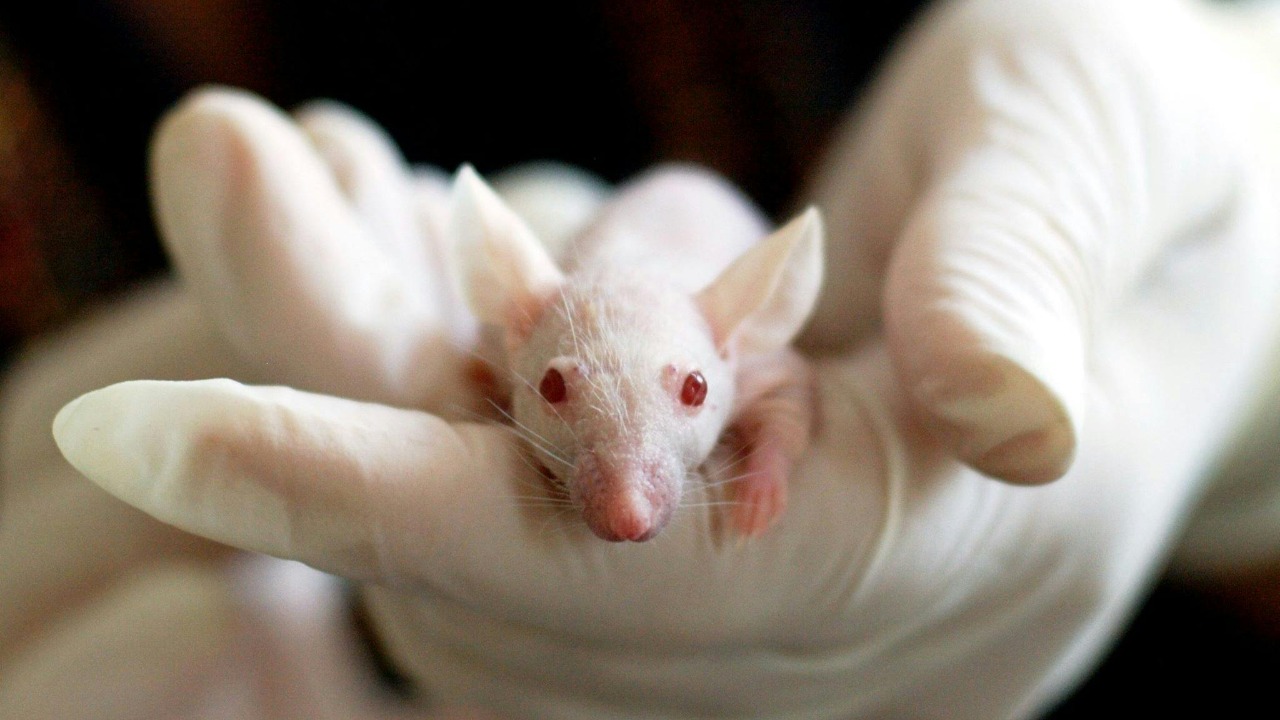

For more than a century, Alzheimer’s disease has been treated as a one‑way slide, something that could perhaps be slowed but never truly undone. A wave of new animal research is now challenging that assumption, with multiple teams reporting that damaged mouse brains can regain memory, repair circuitry, and even clear hallmark plaques. Together, these findings suggest that under the right conditions, the diseased brain may be far more resilient than anyone dared to hope.
Across different labs and methods, scientists are converging on a startling idea: Alzheimer’s may be reversible in carefully controlled animal models, not just preventable. From experimental compounds and repurposed cancer drugs to nanotechnology and immune cell transplants, the work is still early, but it is already reshaping how I think about what “treatment” could mean for future patients.
From slowing decline to full neurological recovery
For years, the best case scenario in Alzheimer’s research was to delay symptoms, not restore what had been lost. That is why a report that a study shows Alzheimer’s disease can be reversed in animal models stands out so sharply. In that work, researchers describe animals that did not just stabilize but appeared to regain normal neurological function after treatment, suggesting that the underlying circuits can be coaxed back into working order when the disease’s core drivers are addressed. The same group emphasizes that the goal is to “New Study Shows Alzheimer, Disease Can Be Reversed, Animal Models, Achieve Full Neurological Recovery, Not Just slowed,” a strikingly ambitious framing for a field that has long been cautious. The claim of “full neurological recovery” in mice is not the same as curing human dementia, but it signals a shift in mindset: instead of accepting permanent loss, scientists are now testing whether damaged networks can be rebuilt if the right molecular switches are flipped.
Nanoparticles and a single injection that clears plaques within hours
One of the most visually dramatic advances comes from work using nanoparticles to target the sticky proteins that clog the Alzheimer brain. A team co‑led by researchers at UCL reported that specially designed particles could reverse Alzheimer pathology in mice, helping the brain’s own systems clear toxic material and restore healthier tissue structure. By engineering the particles to home in on disease‑related changes, the scientists were able to intervene directly in the molecular chaos that defines the condition.
In parallel, another group showed how fast such an approach can work, describing how Scientists Reverse Alzheimer, Mice With, Single Injection that produced visible changes in the brain within just two hours. Imaging showed blood vessels and surrounding tissue clearing as plaques were removed, and the effect persisted for months after that single treatment. Another report described how a new therapy could clear plaques from the brains of mice within hours, with Today, Alzheimer treatments still struggling to match that kind of speed or completeness in people.
Restoring the brain’s energy balance instead of chasing plaques
While plaque‑clearing grabs headlines, some scientists argue that the deeper problem in Alzheimer is a failure of the brain’s energy systems. One team reported that Alzheimer has long been considered
The same line of work is described in more detail in a report explaining how Through studying diverse preclinical mouse models and human Alzheimer brains, the researchers concluded that fixing this central energy failure can prevent and even reverse the disease. Instead of treating plaques as the primary enemy, they see them as one symptom of a broader metabolic breakdown, and their data suggest that correcting that breakdown allows neurons to repair themselves and re‑engage in normal network activity.
Reprogramming immunity and reversing brain aging
Another frontier focuses on the immune system, which shapes how the brain responds to injury and misfolded proteins. In one striking experiment, Cedars‑Sinai researchers created “young” immune cells from human stem cells and transplanted them into aging mice that showed signs of Alzheimer and brain aging. These rejuvenated immune cells patrolled the brain more effectively, cleared harmful material, and reduced inflammation, which in turn improved memory and other cognitive measures in the animals.
Another team took a different tack, using nanotechnology to influence how immune and support cells behave around diseased neurons. They reported that Early, Alzheimer, Newer approaches that focused only on neurons missed how many other factors contribute to the disease. By designing nanoparticles that interact with blood vessels and immune cells as well as amyloid‑beta, they were able to reverse Alzheimer in mice, with one report noting that only one hour after treatment, animals showed reduced plaque burden and improved blood flow in the brain.
Repurposed cancer drugs and an experimental compound that rescues advanced disease
Some of the most practical near‑term leads come from drugs that already exist for other conditions. By analyzing gene expression in brain cells, one group found that certain FDA‑approved cancer medications could reverse damage caused by Alzheimer in cell and animal models, effectively rewinding disease‑related gene programs back toward a healthier state. An audio summary of the same work notes that FDA, Alzhe drugs may work together, hinting that combination therapies could tackle multiple disease pathways at once.
In a separate line of research, scientists at Case Western Reserve University tested an experimental compound called P7C3‑A20 in mice with advanced Alzheimer. According to one summary, Dec, Nutshell, Mice, Alzheimer fully recovered after treatment with this molecule, which is designed to protect and restore neurons by supporting their internal repair machinery. The idea that animals with late‑stage pathology could regain normal behavior after such damage underscores how powerful targeted interventions might be if they can be safely translated to people.
Lithium, NAD and the chemistry of resilience
Beyond big‑ticket drugs, researchers are also probing how subtle shifts in brain chemistry might tip the balance between degeneration and recovery. One study found that Sep, Glance, Levels of lithium were significantly reduced in the prefrontal cortex of people with mild cognitive impairment and Alzheimer, and that restoring lithium levels in aging mice could slow cognitive decline. Building on that, another team developed an Amyloid‑evading lithium compound that reversed Alzheimer pathology in mice, prevented brain cell damage, and restored memory, suggesting that carefully tuned versions of a familiar element could become precision tools.
Another chemical pathway under scrutiny involves the molecule NAD+, which is central to how cells manage energy and repair DNA. A report titled Dec, Study Finds Way, Reverse Alzheimer, Alzheimer describes “Central NAD+ Failure” in human and animal Alzheimer models, and shows that boosting NAD+ levels can correct some of the downstream damage. The authors argue that targeting this failure with specific neuropharmacology, rather than generic over‑the‑counter NAD+ boosters, may be key to achieving the kind of robust reversal seen in mice.
Memory restored and gene programs reset
What makes these findings so striking is not just that plaques shrink or inflammatory markers fall, but that animals actually behave as if their memories have been given back. In one set of experiments, researchers reported that What, Alzheimer has for more than 100 years been viewed as a condition that cannot be undone, so most treatments have focused on slowing decline rather than attempting to restore lost brain function. Their mouse data, however, showed that when energy balance and cellular repair pathways were corrected, animals could navigate mazes and recognize objects at levels comparable to healthy controls.
Other teams have gone deeper into the molecular underpinnings of that behavioral recovery. In work highlighted as a Jul, Breakthrough, FDA, Alzheimer, scientists found that a popular hair loss remedy and another cancer drug could reverse Alzheimer‑related gene expression patterns and restore memory in early‑stage models. By comparing treated and untreated brains, they showed that entire networks of genes associated with synaptic function and plasticity were switched back on, aligning with the animals’ improved performance on memory tasks.
How far are these mouse miracles from helping people?
For families living with Alzheimer today, the obvious question is how quickly any of this can translate into real‑world therapies. The honest answer is that there is still a long road between a mouse in a maze and a person managing daily life, and many promising animal results have failed in human trials. Yet the sheer diversity of approaches now showing reversal, from Scientists Reverse Alzheimer, Disease, Mice With Impressive New Treatment, Spain, China that involve teams from Spain, China and University College London (UCL) to energy‑focused and immune‑based strategies, suggests that researchers are no longer betting everything on a single theory of the disease.
At the same time, the field is learning from past disappointments. Many of the new studies combine behavioral tests, imaging, and molecular readouts to show that improvements are not just cosmetic but reflect deep changes in how the brain is functioning. The fact that multiple groups, working independently, now report that Alzheimer can be reversed in animal models and that full neurological recovery is possible in mice does not guarantee success in humans, but it does reset the baseline expectation. Instead of asking whether we can slow the inevitable, I now find myself asking how far this new science of reversal can realistically go, and how quickly it can be brought safely to the people who need it most.
More from MorningOverview