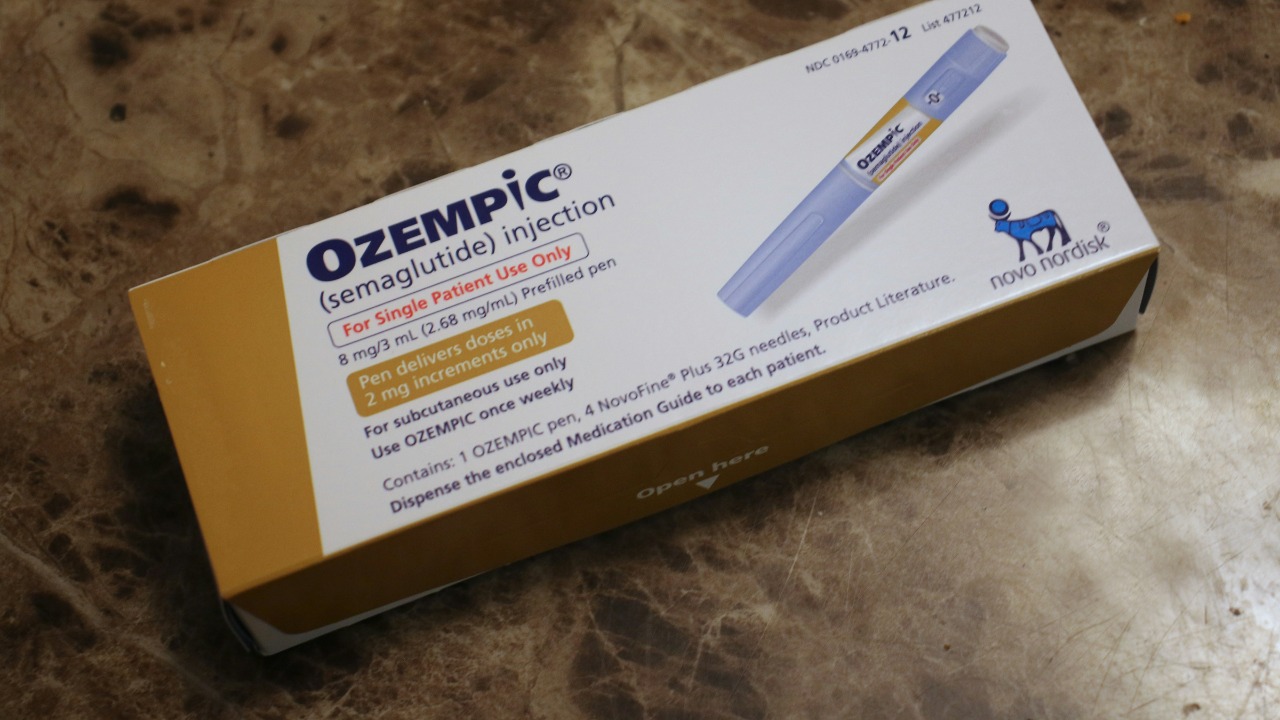

Powerful weight loss drugs are colliding with America’s drinking culture, and scientists say the mix is not as simple as “less appetite, less booze.” Early research on Ozempic and similar GLP-1 medications suggests they can change how quickly alcohol reaches the brain, how drunk people feel at a given blood alcohol level, and even how rewarding that drink seems. Those shifts could reshape everything from Friday night happy hours to how doctors treat addiction.
At the same time, the science is still catching up with the hype. While some people on these drugs say “booze just does not hit the same,” others report that a couple of glasses of wine suddenly feel like far more. Researchers are now racing to understand why alcohol feels different on these medications, and what that means for safety, cravings and long term health.
Why weight loss drugs are suddenly part of the alcohol conversation
Ozempic, Wegovy and other GLP-1 medications were designed to treat diabetes and obesity, but they have quickly become cultural touchstones because of their dramatic impact on weight. As prescriptions have surged, people started comparing notes about side effects, and one theme kept popping up: alcohol was not landing the way it used to. Some users said they lost interest in drinking altogether, while others noticed that a standard pour of wine or a single cocktail left them feeling unexpectedly off balance.
Researchers took those anecdotes seriously, because GLP-1 drugs already have a reputation for affecting appetite, reward and digestion. Reports that Ozempic is approved for diabetes and, in some cases, excess weight, and that people on the drug were spontaneously cutting back on alcohol, pushed scientists to ask whether the same pathways that curb food cravings might also blunt the urge to drink. With the drug’s surge in popularity, doctors began to see enough real world examples that formal studies on alcohol use and intoxication followed.
What scientists are actually seeing in the lab
To move beyond anecdotes, researchers have started running controlled experiments that track how alcohol behaves in the body when someone is taking a GLP-1 drug. One pilot study found that people on these medications had a slower rise in BAC and reported feeling less drunk, even when their blood alcohol levels were measurable. That early work suggested the drugs might be changing both the pharmacology of alcohol and the subjective experience of intoxication.
Other teams have focused on how quickly alcohol reaches the bloodstream and the brain. New research on GLP-1 drugs like Ozempic indicates that these medications may slow the rate at which alcohol hits the bloodstream and alter the psychological response to a drink. In practical terms, that could mean the first glass feels muted, the “buzz” arrives later, and the usual cues people rely on to pace themselves become less reliable.
The gut level mechanics: slower stomach, slower buzz
One of the clearest mechanisms scientists have identified is in the gut. GLP-1 medications are known to slow gastric emptying, which means food and liquid stay in the stomach longer before moving into the small intestine where alcohol is absorbed more efficiently. According to Studies on these drugs, that delay appears to push back the initial spike in blood alcohol, which in turn blunts the early physiological and psychological “buzz” that many social drinkers chase.
That slower rise can sound like a safety feature, but it comes with a catch. If the first drink feels underwhelming, people may pour a second or third before the full effect of the alcohol has arrived. As the stomach eventually empties, BAC can climb higher than expected, and the person may suddenly feel far more impaired than their earlier sensations suggested. This mismatch between how drunk someone feels and what their blood alcohol is doing is at the heart of the new concern around GLP-1 drugs and drinking.
Yale’s warning: when two drinks feel like four
Researchers at Yale have been among the most vocal in warning that these medications could make alcohol feel unpredictable. In work highlighted by New evidence, they argue that GLP-1 drugs do not just change appetite, they also affect how alcohol is processed, potentially leading to higher blood alcohol concentrations for the same number of drinks. That means a familiar routine, like two glasses of wine at dinner, could suddenly produce a level of impairment closer to what someone would expect from four.
Commentary on these findings has leaned into vivid scenarios to make the risk concrete. One analysis framed it bluntly, saying that Taking Ozempic or Wegovy could turn an ordinary Friday night drink into something more potent than expected, with BAC readings that outstrip how intoxicated the person feels. The same Yale work also points to possible direct protection of the liver, which complicates the picture further: the drugs might reduce some long term damage even as they introduce new short term safety questions.
“Ozempic sober” and the muted buzz effect
Alongside the warnings about surprise intoxication, another narrative has emerged: people who say they feel oddly clear headed after drinking on these medications. The phrase “Ozempic sober” has circulated to describe users who can measure alcohol in their system but do not feel as drunk as they used to. In the pilot study that coined this framing, participants on GLP-1 drugs had a slower BAC rise and reported lower levels of drunkenness than people not taking the medications, even when breath tests showed comparable alcohol levels.
Further work has echoed that pattern, suggesting that semaglutide and related drugs may reduce the subjective “high” from alcohol. Coverage of these findings notes that Semaglutide, tirzepatide, and other GLP drugs appear to slow alcohol absorption and blunt its intoxicating effects, in part through gut mechanisms and in part through brain pathways that target reward. For some people, that dampened payoff may make it easier to stop at one drink or skip alcohol entirely, but it also risks encouraging others to drink more in search of a feeling that never quite arrives.
Inside the brain: cravings, reward and addiction potential
Beyond the gut, GLP-1 medications act on the brain circuits that govern reward, which is where the addiction story comes in. Early human and animal data suggest that Ozempic and similar drugs can reduce the urge to drink and make alcohol less reinforcing. One study reported that Ozempic, Mounjaro and similar medications show promise for treating alcohol and opioid abuse, hinting that GLP-1 pathways could become a new target in addiction medicine.
Clinical trials are starting to test that idea more rigorously. In one program, researchers found that the GLP-1 drug semaglutide, marketed as Ozempic and Wegovy, reduced heavy drinking and cravings in adults with alcohol use disorder. The researchers stressed that such “off label” use, made in the absence of an FDA approval for this indication, is exactly why carefully conducted trials are needed, but the signal is strong enough that larger studies are underway.
From social media stories to structured studies
Long before the first randomized trial results were published, people on GLP-1 drugs were already telling their own stories about alcohol. On social platforms and in interviews, some described a near total loss of interest in drinking, while others said that even a single beer made them feel unwell. One report captured this shift through the experiences of people who said that People taking Ozempic say booze just does not appeal the way it once did, and that they are sharing those reduced alcohol cravings on social media.
Scientists have started to formalize those observations. A team at the Fralin Biomedical Research Institute designed a study that repeatedly asked participants “How drunk do you feel?” after controlled alcohol doses, comparing people on Ozempic and Wegovy with those not taking GLP-1 drugs. Their findings suggest these medications may help reduce alcohol use and help people drink less, not only by changing how alcohol is absorbed but also by shifting how the brain registers intoxication and reward.
Why some people say booze “doesn’t hit the same”
For many users, the most striking change is qualitative rather than numerical. They describe a drink that tastes the same but feels emotionally flat, or a night out that used to be fun but now seems vaguely unpleasant. Reporting on these experiences notes that Ozempic and Wegovy can make booze “just not hit the same,” and that scientists now suspect a combination of slower absorption, altered gut hormone signaling and dampened dopamine responses in the brain’s reward centers.
Those shifts can be a relief for people who have struggled with alcohol, but they also raise questions about how reliable internal cues are for anyone on these drugs. A separate analysis of GLP-1 medications found that There is probably action in the brain and in the gut, and that participants on Ozempic and Wegovy reported feeling less intoxicated even when their BAC was measurable. That disconnect is exactly what worries safety experts who see people driving, working or caring for children based on how they feel rather than on how impaired they might actually be.
Could these drugs become treatments for alcohol use disorder?
Given the emerging data on cravings and heavy drinking, pharmaceutical companies are now investing in formal trials of GLP-1 drugs as potential treatments for alcohol use disorder. One industry focused report notes that Still, the findings from early studies should provide some encouragement to Novo, which has a larger and longer duration Phase 2 trial testing semaglutide in people with alcohol use disorder and liver disease. Those trials are designed to see whether the reductions in heavy drinking and cravings seen in smaller samples hold up over time and across more diverse patients.
At the same time, addiction specialists are cautious about overpromising. They point out that GLP-1 drugs can have significant side effects, that not everyone experiences reduced cravings, and that medication alone rarely solves the complex social and psychological drivers of alcohol misuse. The hope is that, if semaglutide and related compounds prove effective, they could join existing tools like naltrexone and acamprosate as part of a broader toolkit, rather than replacing counseling, peer support and other established treatments.
What this means for your next drink
For people already taking GLP-1 medications, the most immediate implication is practical: the usual rules of thumb about how alcohol feels may no longer apply. Educational materials on alcohol safety emphasize that Any desirable effects of alcohol tend to occur at low doses, and that the risk of undesirable effects increases as BAC rises. If GLP-1 drugs slow the early buzz while still allowing BAC to climb, it becomes even more important to pace drinks, eat beforehand and avoid driving or operating machinery based solely on how sober you feel.
Public health experts are also starting to think about how to communicate these nuances. Some coverage has framed the issue in attention grabbing terms, including a video titled Ozempic Just Changed Everything About Your Friday Night Drink, while more clinical summaries describe how Drugs Like Mounjaro and Wegovy Could Make Alcohol Less Intoxicating by slowing the rate at which alcohol reaches the brain. The through line is consistent: if you are on Ozempic, Wegovy, Mounjaro or a similar GLP-1 drug, it is wise to assume alcohol may affect you differently, to start with smaller amounts, and to talk with a clinician about how these medications intersect with your drinking habits.
More from MorningOverview