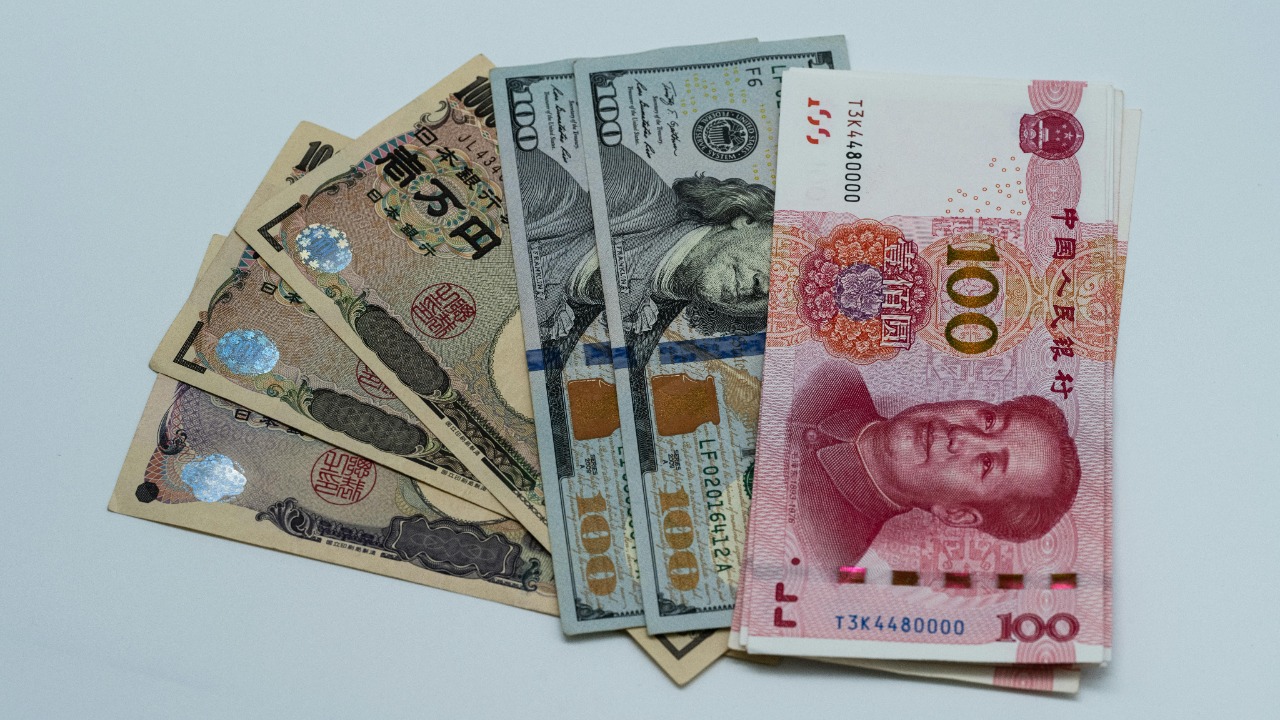

China is about to turn its central bank digital currency from a quiet pilot into a fully fledged piece of the financial system, with 2026 set as the year the project stops being an experiment and starts behaving like money that matters. The core of the play is simple but aggressive: make the digital yuan work more like a bank deposit, pay interest on it, and wire it directly into the apps and institutions that already dominate daily payments and cross‑border trade. Behind the technical tweaks sits a much bigger ambition, to give Beijing a programmable, data rich currency that can sit at the center of both domestic finance and parts of the global payments network.
From showcase project to interest‑bearing money
For several years, the digital yuan, or e‑CNY, has been framed as a cautious experiment, a way for the People’s Bank of China to test central bank digital currency without disrupting the existing banking system. That posture is changing. The Chinese central bank has set out a new 2026 framework that will allow commercial banks to pay interest on digital yuan holdings, turning what was essentially a tokenized cash substitute into a form of digital deposit currency that behaves more like traditional savings products, according to detailed plans for the Digital Yuan to Become Interest.
That shift is not cosmetic. Once the e‑CNY starts earning a return, it competes directly with bank deposits and money market funds, and it gives policymakers a new channel for transmitting monetary policy into household and corporate balance sheets. Officials have signaled that wallets will evolve into full digital accounts, with automated issuance and reconciliation, so that the currency can function as a standard liability on bank balance sheets rather than a niche payment token, a change that is central to the overhaul described in the 2026 upgrade to Wallets and digital accounts.
Why 2026 is the inflection point
The calendar matters because the interest feature is scheduled to take effect at the start of 2026, which is when the e‑CNY stops being a curiosity and starts to look like a mainstream product. China’s central bank has made clear that from that point, the digital yuan will be treated as an interest‑bearing deposit currency, with commercial banks instructed to integrate it into their core systems and risk management frameworks, a mandate that is spelled out in the plan for banks to pay interest on the digital yuan.
At the same time, the People’s Bank of China has issued comprehensive new guidelines to strengthen the digital yuan infrastructure and align it with the traditional financial system, including rules on interoperability, settlement, and risk controls. Those guidelines, presented as part of a broader economic strategy, are designed to ensure that the e‑CNY can sit alongside existing payment rails and deposit products without creating fragmentation, a goal that is central to the new framework unveiled by The People’s Bank of China.
The interest rate carrot: a direct challenge to deposits
Turning the digital yuan into an interest‑bearing asset is the clearest sign that Beijing wants people to hold it, not just use it briefly at checkout. Starting January, users of the e‑CNY will be able to earn interest on their balances, which means the central bank can set a specific rate on digital wallets and use that as a tool to influence saving and spending behavior, a mechanism described in detail in the explanation of why China is stepping up its push for CBDC adoption.
That creates a new layer of competition for traditional deposits, because banks will have to decide how to price e‑CNY interest relative to their existing savings products, and regulators will have to manage the risk of funds shifting too quickly into digital wallets. China’s central bank has already signaled that it aims to transform the e‑CNY into an interest‑bearing deposit currency starting in 2026, with explicit reference to how those rates will sit alongside interest rates on traditional deposits, a balancing act that is spelled out in the plan where China’s central bank aims to accelerate adoption.
Wallets become full digital accounts
Up to now, most users have experienced the digital yuan as a lightweight wallet inside familiar apps, a way to pay for a subway ride or a coffee without thinking too hard about what sits behind the interface. The 2026 overhaul changes that by turning those wallets into full digital accounts, with automated processes for issuance, reconciliation, and compliance that make the e‑CNY a standard part of bank infrastructure rather than a bolt‑on experiment, a transformation that is central to the description of how Wallets will evolve into digital accounts.
Once that shift happens, the digital yuan can be used for more complex financial activity, from payroll and supplier payments to programmable disbursements tied to government subsidies or tax rebates, because the accounts will be integrated with banks’ core ledgers and compliance systems. The People’s Bank of China has framed this as part of a broader effort to strengthen digital yuan infrastructure and ensure that the CBDC is fully interoperable with the traditional financial system, a goal that sits at the heart of the new guidelines issued by The People’s Bank of China.
Super‑apps, WeChat, and the fight for user attention
Even with interest attached, a digital currency will not scale if it lives in a vacuum, which is why Chinese officials have pushed hard to embed the e‑CNY inside the platforms that already dominate daily life. WeChat, the super‑app that combines messaging, payments, and mini‑programs, has been a particular focus, with regulators pressing for deeper integration of the digital yuan into its payment flows so that consumers can use the CBDC without leaving their familiar interface, a strategy described in the account of how Chinese officials have pushed WeChat to integrate the currency.
The logic is straightforward: if the e‑CNY is available inside WeChat Pay and similar apps with a single tap, and if it pays interest on idle balances, users have a reason to keep more value in digital yuan rather than in bank‑linked wallets or third‑party payment balances. At the same time, this integration gives regulators more visibility into transaction flows and more direct levers over how money moves through the economy, which is part of the broader rationale for offering interest on the CBDC and using it as a tool to implement monetary policy and track currency flows, as laid out in the analysis of why China is offering interest on its CBDC.
Domestic control, data, and the policy toolkit
Behind the user‑facing features sits a clear policy agenda. By turning the digital yuan into an interest‑bearing, account‑based currency, Beijing gains a programmable instrument that can be tuned in real time, with different rates or incentives for specific regions, sectors, or types of spending. The People’s Bank of China has been explicit that the e‑CNY is meant to strengthen the transmission of monetary policy and give authorities better tools to manage liquidity and credit conditions, an ambition that is embedded in the new guidelines for the digital yuan infrastructure.
The data dimension is just as important. A centrally issued, fully digital currency gives authorities granular visibility into how money moves, which sectors are slowing, and where targeted support or tightening might be needed. Analysts who follow the project have highlighted that starting January, when users of the e‑CNY begin earning interest, the central bank will be able to use that rate as a live policy lever while also tracking currency flows with far more precision than is possible with cash, a capability that is central to the explanation of how CNY policy and tracking will work under the CBDC regime.
Cross‑border ambitions and the stablecoin race
While the 2026 overhaul is primarily about domestic adoption, it also positions the digital yuan for a more assertive role in cross‑border payments and the contest over digital reserve assets. China’s central bank has already framed the e‑CNY as a potential alternative to dollar‑linked stablecoins in certain corridors, and it has explored links with partners such as the United Arab Emirates and Saudi Arabia, a strategy that is highlighted in the discussion of how China Stablecoin News connects the CBDC to regional payment projects.
By making the e‑CNY interest‑bearing and embedding it in robust account infrastructure, Beijing can present it to foreign partners as a credible, centrally backed digital asset that can be used for trade settlement, investment flows, or even as collateral in regional financial arrangements. That ambition sits within a broader push by China to expand its influence over the plumbing of global finance, from payment messaging systems to currency swap lines, and the digital yuan is increasingly framed as one of the tools that can help reduce reliance on existing dollar‑centric infrastructure.
The adoption problem Beijing still has to solve
None of these structural changes guarantee that people will actually use the digital yuan at scale, which is why Chinese policymakers are pairing the 2026 overhaul with a series of incentives and nudges. In an effort to increase adoption of its CBDC, China will allow digital yuan users to earn interest on their holdings and is encouraging banks and payment platforms to promote the currency more aggressively, a strategy that is described in the account of how China’s trying to give the digital yuan a boost in 2026.
Officials are also leaning on the fact that the e‑CNY will become the world’s first central bank digital currency to pay interest, a status that they hope will attract both retail users and institutional players who see value in a state‑backed, yield‑bearing digital asset. The move to make China’s digital yuan, or e‑CNY, interest‑bearing from early 2026 is framed as a way to differentiate it from other CBDC pilots and to signal that it is ready for mainstream use, a milestone that is spelled out in the description of how China’s digital yuan (e‑CNY) will start earning interest.
What a bigger digital yuan means for the rest of the world
For other central banks and regulators, China’s 2026 playbook is both a template and a provocation. By moving first on an interest‑bearing CBDC that is tightly integrated with commercial banks and super‑apps, Beijing is testing whether a central bank can run a parallel digital deposit system without destabilizing traditional funding models, a question that will be watched closely in jurisdictions that are still debating whether to issue their own CBDCs at all. The fact that China’s central bank will allow commercial banks to pay interest on digital yuan holdings, and that it is positioning the e‑CNY as a form of digital deposit currency, raises direct questions about how far a central bank should go in competing with private intermediaries, an issue that sits at the heart of the new framework for the Digital Yuan to Become Interest bearing under the new framework.
It also sharpens the geopolitical contest over digital money. As China accelerates its CBDC rollout and ties it to cross‑border projects with partners in the Middle East and beyond, other major economies will have to decide whether to respond with their own programmable, interest‑bearing currencies or to double down on private stablecoins and existing payment rails. The choices Beijing is making about the design of the e‑CNY, from interest rates to wallet architecture, are not just technical details, they are part of a broader attempt to shape the next generation of financial infrastructure in a way that reflects Chinese preferences and priorities, a trajectory that is increasingly visible in the way China positions its digital yuan alongside stablecoins and regional payment initiatives.
More from MorningOverview