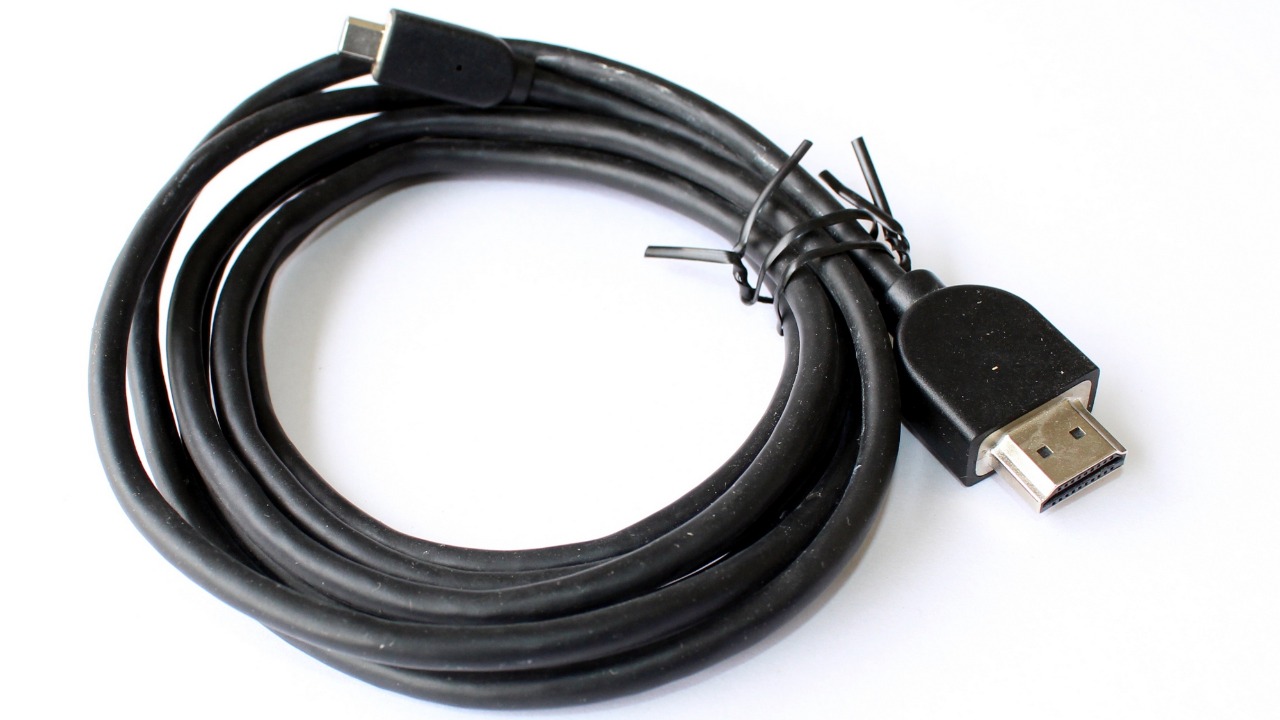

Walk into any electronics store and the HDMI wall can feel like a trap. Identical-looking cables range from a few dollars to eye-watering prices, all promising sharper 4K, richer color, or “future proof” performance. The real question is not just whether premium models work, but whether anyone can genuinely see or hear a difference compared with the cheap ones.
In practice, what matters is less the logo on the packaging and more the signal you are sending, the distance it has to travel, and how well the cable is built. Once you understand how digital video works and where HDMI actually fails, it becomes clear that most people cannot visually distinguish a bargain cable from a luxury one in normal use, even though there are a few edge cases where spending more is justified.
Why HDMI pricing looks so irrational
HDMI has become the default connector for everything from budget streaming sticks to high-end gaming PCs, yet the price spread on cables is still wildly inconsistent. A big part of that is marketing: glossy packaging and audiophile language make it easy to assume that a higher price must mean better picture or sound. Retailers also rely on accessories to pad margins, which is why a cable hanging next to a new TV can cost far more than a similar one online, even when both meet the same technical spec.
Industry guides on Are Cheap HDMI Cables Just As Good As Expensive Ones In point out that in the evolving world of home entertainment, many buyers are simply overpaying for premium-branded cables that do not deliver a measurable improvement. That gap between perception and reality is what keeps the “expensive equals better” myth alive, even as technical standards have made HDMI more of a commodity.
Digital signals and the “bits are bits” reality
At the heart of the debate is how HDMI actually works. Unlike old analog component or composite cables, HDMI carries a digital stream of 0s and 1s. As long as those bits arrive intact, the TV or monitor reconstructs the exact same image and sound, whether the wire cost five dollars or fifty. When a cable struggles, the result is not a slightly softer picture but obvious glitches like sparkles, dropouts, or a total loss of signal.
Technical explainers on The Science of HDMI stress that it transmits digital signals, not analog, so a more expensive HDMI cable does not gradually “improve” picture or sound quality. That same “bits are bits” logic shows up in audio testing too, where reviewers note that there is no difference in incoming versus received data between expensive and budget cables, and that Fact undercuts the idea that a luxury wire can somehow add detail that was not in the original signal.
Myths that keep premium HDMI alive
Despite the digital reality, several persistent myths keep premium HDMI cables selling. One of the most common is that a higher price automatically means a better image, as if the cable were a lens rather than a conduit. Another is that “4K HDMI” is a special category, implying that older or cheaper cables cannot handle modern resolutions even when they meet the same bandwidth requirements.
Consumer-focused breakdowns of Myth and reality around HDMI list “More Expensive HDMI Cable Means Better Picture or Sound” as the first misconception, and emphasize that price is not the determining factor in quality. Video explainers on whether you need a new HDMI cable for a 4K TV make a similar point, noting that if an existing cable already supports the required standard, buying a “4K” branded replacement will not magically upgrade the image.
Where cheap and expensive cables really differ
While the signal itself is digital, there are still meaningful differences between cables, and they tend to show up in build quality and reliability rather than raw picture quality. Better strain relief, thicker jackets, and more robust connectors can help a cable survive years of being plugged and unplugged, stepped on, or bent behind a wall-mounted TV. Shielding can also reduce interference in electrically noisy environments, which matters more in complex home theater racks than in a simple TV-and-streamer setup.
Guides that ask Are more expensive HDMI cables worth it note that while spending more does not change the resolution or color depth, better shielding may improve reliability, especially over longer distances. A separate technical overview on whether There is a real difference between cable types adds that higher quality materials can help maintain signal integrity over longer distances without noticeable loss, which is where cheaper, poorly made options are more likely to fail.
Bandwidth, HDMI versions, and when specs matter
The most important technical distinction between cables is not “cheap versus expensive” but whether the wire can handle the bandwidth your devices demand. Modern gaming consoles and PCs can push 4K at 120 Hz with HDR and variable refresh rate, which requires the throughput of HDMI 2.1. A cable that tops out at an older standard might still work at 4K 60 Hz, but it will not reliably carry the full feature set, no matter how much it cost.
Engineering-focused explainers on Bandwidth Matters highlight that a ten dollar HDMI 2.1 cable with 48 Gbps capacity can outperform a non-certified eighty dollar one that lacks the same rating. That 2.1 and 48 Gbps figure is not marketing fluff, it is the actual data rate needed for the most demanding formats. When buyers focus on the HDMI version and certified bandwidth instead of price, they are far more likely to get a cable that simply works.
Distance, dropouts, and the long-cable problem
Where HDMI gets tricky is distance. Over short runs, such as the two to ten feet between a console and a TV, even very affordable cables usually perform flawlessly. As the length stretches past fifteen or twenty-five feet, the signal becomes more vulnerable to attenuation and timing errors, which can show up as intermittent HDR issues, flickering, or devices that refuse to handshake at higher resolutions.
Real-world troubleshooting threads in the Comments Section Yeah community describe how HDR problems on PC setups using a HDMI cable fifteen feet or longer are often traced back to the cable itself, with budget brands like Monoprice and Amazon recommended for reliable long runs. Technical guides on Do Expensive Cables Deliver Better Picture add that you do not need to spend much for a cable ten feet or shorter, but that higher quality construction can provide more reliable performance over longer distances where the signal is under more stress.
What experts actually recommend buying
When reviewers test HDMI cables across multiple devices, their recommendations tend to cluster around affordable, well-specified models rather than boutique brands. The priority is usually certification, bandwidth, and basic durability, not exotic materials or luxury branding. In practice, that means a modestly priced cable from a reputable manufacturer is often the safest bet.
Roundups of the Why best HDMI cables are chosen emphasize that the highlighted models are the cheapest ones trusted to work properly, not the most expensive options on the shelf. Another guide to the Amazon Basics 48Gbps HDMI cable notes that reviewers tested it with various components and found that it supports transmitting every HDMI feature available, which underlines how a budget-friendly, properly rated cable can handle even high-end systems.
Cheap vs premium in real home theaters
In actual living rooms, the difference between a cheap and an expensive HDMI cable usually comes down to whether the system works at all, not whether the image looks subtly better. Enthusiasts who upgrade from a generic cable to a pricier one often report that the main change is stability, such as fewer dropouts when switching inputs or enabling HDR, rather than any visible boost in sharpness or color.
Home theater discussions on Apr threads frequently land on a practical middle ground, with many users settling on cables that cost about ten dollars each as a sweet spot between reliability and price. A separate analysis asking But is it realistic to expect a home theater upgrade from a fancy cable concludes, plain and simple, that money is usually better spent on better speakers, room treatment, or additional height channels than on a premium HDMI wire.
Sorting through HDMI labels and marketing claims
Part of the confusion comes from the way HDMI cables are labeled. Terms like “High Speed,” “Premium High Speed,” and “Ultra High Speed” are tied to specific performance tiers, but packaging often buries those details under vague promises of “4K ready” or “8K capable.” Shoppers who focus on the buzzwords instead of the official categories can easily end up paying more for a cable that does not actually meet the standard they need.
Technical explainers on HDMI note that there are three common types of HDMI cables you will come across, including Standard HDMI Cables and Standard HDMI, and that there is little difference between cheap and expensive options that share the same certification, aside from durability or longer certified lengths. Buying guides that help you Jun choose the best HDMI cable often steer readers toward clearly labeled High Speed HDMI Cable or Ultra High Speed models, which are more meaningful than generic “4K” branding.
How to choose the right cable for your setup
For most people, the smartest approach is to start with what the devices actually require. A 1080p streaming box feeding a bedroom TV will be perfectly happy with any certified High Speed cable, while a PlayStation 5 or high-end gaming PC driving a 4K 120 Hz display should use an Ultra High Speed HDMI 2.1 cable rated for 48 Gbps. Once those boxes are checked, the remaining decision is about length, flexibility, and how much abuse the cable will take behind furniture or inside walls.
Practical buying guides on HDMI stress that if you are buying a cable ten feet or shorter, you do not need to spend much, and that paying extra only starts to make sense for longer runs where better construction can deliver more reliable performance. A separate overview on whether There is a real difference between cheap and expensive HDMI cables reinforces that point, noting that higher quality options can be worthwhile for durability or longer distances without noticeable loss, but that they do not change the fundamental image quality.
So, can you actually tell them apart?
When I strip away the marketing and look at the technical evidence, the answer is that in most normal setups you cannot visually distinguish an expensive HDMI cable from a cheap, properly specified one. If both cables meet the same HDMI standard, support the required bandwidth, and are used over a reasonable distance, the picture and sound reaching the screen will be identical. Any perceived improvement is more likely tied to fixing an underlying compatibility or reliability issue than to the cable “enhancing” the signal.
Expert roundups of the Our best HDMI cables, along with technical explainers and community testing, converge on the same practical advice: buy a certified cable that matches your resolution and refresh rate needs, avoid overpaying for luxury branding, and only spend extra for longer runs or tougher construction. In that sense, the real skill is not learning to see a difference between cheap and expensive HDMI cables, but learning to recognize when the cheapest option already does everything your system can use.
More from MorningOverview