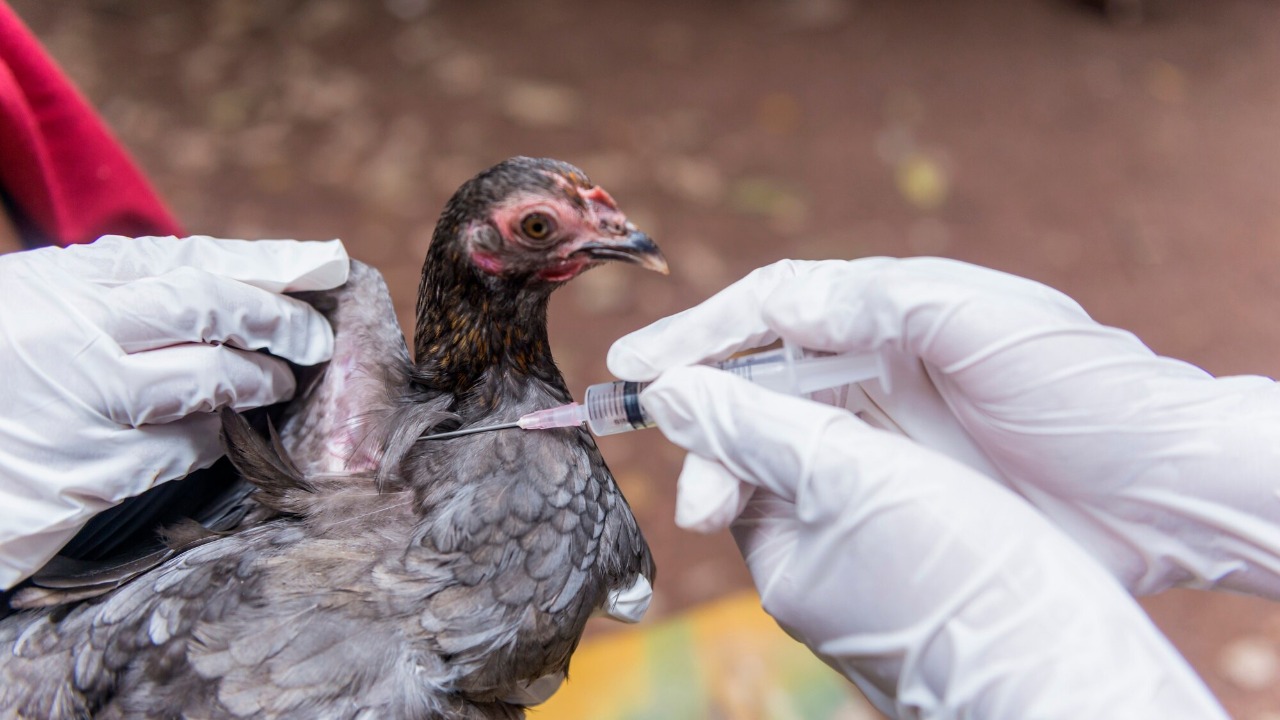

The virus that devastated poultry farms has quietly become a broader ecological and public health problem, spilling into wild birds, sea mammals and even cattle while most people have moved on from thinking about pandemics. Leading virologists now argue that the world is badly misjudging how much risk this evolving bird flu poses, not because a human catastrophe is inevitable, but because the window to prevent one is closing. I see their warning as less a prediction of doom than a blunt reminder that complacency, not the virus itself, is what would turn a containable threat into the next global crisis.
From barnyards to dairy barns: how H5N1 changed the game
For years, highly pathogenic H5 bird flu was treated as a problem for poultry producers and wildlife biologists, a recurring but familiar threat that could be managed with culls and farm biosecurity. That framing no longer fits a virus that is now entrenched in wild birds worldwide and has jumped into new species, including U.S. dairy cows, while still causing large outbreaks in chickens and turkeys. According to the latest situation summary, H5 bird flu is widespread in wild birds worldwide and is causing outbreaks in poultry and U.S. dairy cows with sporadic infections in people, a pattern that should end any illusion that this is a niche agricultural issue.
The shift into cattle is especially significant because it creates a new interface between the virus and humans who may not think of themselves as working in high risk settings. A case in a dairy worker earlier this year reportedly looked like nothing more than conjunctivitis, yet experts note that none of this means a new pandemic is guaranteed, but the numbers are increasing and the range of affected animals keeps expanding. When a virus that once circulated mainly among birds is now infecting cows and farm workers with mild symptoms, the line between animal outbreak and human health emergency becomes dangerously thin.
A virus racing through animal populations
The scale of the current H5N1 wave in animals is unlike anything recorded before, and that alone should reset how seriously we take it. The world is now seeing the fastest spreading and largest ever outbreak of this highly contagious and deadly strain, with mass die offs in seabirds and repeated incursions into commercial flocks. Autopsies of affected wildlife have revealed that autopsies of 55 mammals showed widespread infection and severe inflammation that went far beyond the lungs, a sign that the virus is not just brushing against new hosts but causing systemic disease.
That pattern matters because every infected mammal is another opportunity for the virus to adapt to warm blooded bodies that look more like ours than a duck’s. A strain that has caused the death of mammals since 2020 is now suspected of acquiring a deadly new skill, with experts warning that a strain of bird flu that has caused the death of mammals since 2020 may now be spreading between them in ways that could be going under the radar. When a virus is killing seals, foxes and farmed animals in large numbers, the idea that it might also be slipping quietly through human populations stops sounding far fetched and starts looking like a testable, and urgent, hypothesis.
Silent spread and the problem of invisible cases
If the world is underestimating bird flu, one reason is that we may not be seeing the full picture of human infections. Research from federal scientists indicates that research suggests H5N1 may be spreading undetected among humans, particularly in veterinarians with frequent animal exposure, and that official tallies likely undercount cases because of asymptomatic illness. If people who work closest to infected animals can contract the virus without feeling sick enough to seek care, then the apparent rarity of human cases becomes a misleading comfort.
Evidence from the field backs up that concern. A separate investigation found that CDC finds evidence that bird flu spread silently to veterinarians, suggesting undercount of cases, because those professionals did not always present to medical clinics with symptoms. Earlier outbreaks in Asia have already shown how official statistics can miss the true burden, with reports noting that some think that the number of people infected with avian flu in southeast Asia is greatly underestimated by official statistics. When the people most exposed to the virus are not fully counted, policymakers risk basing their decisions on a comforting fiction.
Why experts say the virus already has “what it takes”
Behind the rising alarm is a blunt assessment from frontline virologists that H5N1 is no longer a distant hypothetical threat. One senior specialist working with international health agencies has warned that the bird flu virus has everything it takes to trigger a pandemic, from its ability to cause severe disease to its expanding host range and environmental persistence. That assessment does not claim that efficient human to human spread has already arrived, but it does underline that the remaining evolutionary steps are fewer and more plausible than they were a decade ago.
French experts from the Pasteur Institute warn that the bird flu virus could cause a pandemic worse than COVID if it mutates and spreads between humans, a stark comparison that reflects how lethal some H5N1 infections have been in the past. When a virus combines high mortality in known human cases with a growing footprint in animals and signs of silent spread, it meets many of the criteria that keep pandemic planners awake at night. The uncomfortable truth is that the world is behaving as if those criteria are theoretical, even as specialists describe them as already present.
Global Virus Network scientists and the 10 point plan
Some of the clearest warnings are coming from scientists who have spent their careers tracking emerging pathogens and advising governments on how to respond. The Global Virus Network, a coalition of leading virology centers, has used its platform to argue that the current moment is a narrow chance to get ahead of H5N1 rather than chase it. In a detailed review, The Global Virus Network (GVN) scientists review the U.S. outbreak status, discuss the importance of robust surveillance systems to detect spillover into humans and poultry industries, and recommend risk mitigation strategies that range from farm level controls to international data sharing.
Those recommendations are backed by a broader analysis that looks beyond any single country. A New Global Virus Network analysis outlines critical gaps and a 10 point preparedness plan amid growing mammalian transmission, spelling out where surveillance is weakest, how vaccine manufacturing could be scaled, and what kinds of animal health interventions would reduce risk at the source. When I read that blueprint alongside the quiet pace of political action, the disconnect is striking: the technical roadmap exists, but the political will to fund and implement it still lags behind the virus.
Public apathy and the communication gap
Even the best technical plans will falter if the public does not understand why they matter, and here the data are sobering. A recent survey of U.S. adults found that while most U.S. survey respondents had heard of H5N1 highly pathogenic avian flu, only about a quarter knew it can spread to people. That gap between name recognition and real understanding is exactly the kind of blind spot that can derail containment, because people who do not think a virus can infect them are unlikely to support or comply with measures designed to stop it.
Specialists who try to bridge that gap often find themselves competing with fatigue and misinformation. In a widely viewed explainer, a bird flu expert opened by saying that Mar we are going to talk about something that you may have not wanted to think about or you wanted to hope that someone else was dealing with, capturing the reluctance many people feel about revisiting pandemic style worries. That reluctance is understandable after years of COVID, but it is also precisely what a virus like H5N1 exploits, because it thrives when early warning signs are ignored and basic precautions are dismissed as overreactions.
What front line virologists say needs to happen now
For the scientists closest to the virus, the message is not that disaster is certain, but that the tools to prevent it are familiar and available if leaders choose to use them. One leading researcher, Richard Webby, has argued that the core of the response is straightforward, noting that Webby summed it up simply, saying it is more of the same, vaccination, hygiene, and keeping an eye out for anything unusual. That formula may sound unglamorous, but it reflects a hard won lesson from past outbreaks: early detection and basic infection control do more to blunt a virus than any late stage miracle cure.At the institutional level, the call is for sustained investment rather than one off emergency spending. The organization behind much of this expert coordination, the GVN, has positioned itself as a bridge between academic labs, public health agencies and policymakers, arguing that pandemic preparedness must be treated as a permanent function of modern states, not a temporary project. When I look at how quickly COVID vaccines were developed once the world focused its attention and resources, it is hard not to conclude that a similar focus on bird flu now could keep us from having to repeat that crash program under far worse conditions.
Lessons from Asia and the risk of repeating history
History offers a warning about what happens when early signals from bird flu are brushed aside. In previous waves of avian influenza in Asia, clinicians and epidemiologists on the ground suspected that official case counts were missing a large share of infections, especially in rural areas where access to testing was limited. Reports from that period note that Asia experts believed the number of people infected with avian flu in southeast Asia was greatly underestimated by official statistics, a pattern that undermined trust and made it harder to calibrate the response.
Today, with evidence of silent infections among veterinarians and farm workers, the risk of repeating that undercount is real. The difference is that the virus now has a broader ecological foothold and a more complex web of animal hosts than it did in those earlier outbreaks. When I compare the current situation to that history, what stands out is not that we lack knowledge, but that we are at risk of ignoring it. The choice facing governments and the public is whether to treat bird flu as yesterday’s news or as a live test of whether we have learned anything from the last pandemic.
More from MorningOverview