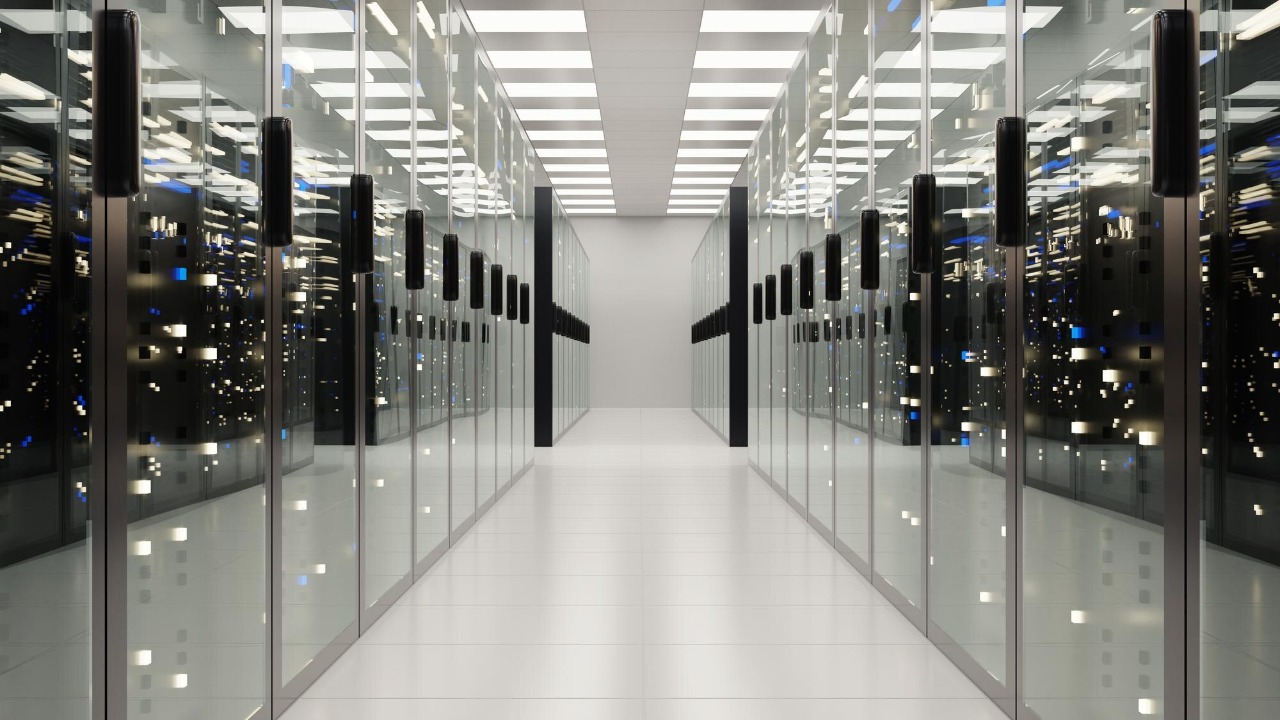

Data centers are built for redundancy, yet one of their most common points of failure still comes from something as old fashioned as water on the floor. As cooling loads rise and facilities pack in more equipment, a single undetected leak can turn into a multimillion dollar outage long before anyone sees a puddle. MayimFlow is betting that smarter sensing and prediction can spot those failures in the plumbing before they ever reach the racks, turning leak response from a frantic scramble into a managed, data driven process.
Instead of waiting for alarms to blare and tiles to be ripped up, the company is trying to make leak detection as continuous and automated as power monitoring. By combining industrial hardware with analytics tuned specifically for cooling and water systems, MayimFlow aims to give operators a live picture of risk so they can intervene early, not just clean up after a disaster.
The hidden cost of water in a digital economy
Every streaming video, AI query and mobile payment depends on a physical building full of servers that must stay within a narrow temperature band. To keep those rooms cool, operators rely on chilled water loops, condensate drains and humidification systems that snake through ceilings and under raised floors, each one a potential source of leaks. When those systems fail, the damage is not limited to wet carpets, it can take entire rows of compute offline and disrupt services that consumers and businesses now treat as basic infrastructure.
Industry insiders describe data center leaks as a HUGE problem that quietly costs operators billions of dollars each year in hardware damage, downtime and emergency repairs. One widely shared post framed it bluntly, warning that Data center leaks are a HUGE problem for the sector and asking what it would take to PREVENT them instead of just reacting. That framing captures the stakes: as facilities scale up to support AI workloads and high density racks, even a small leak in the wrong place can ripple through cloud customers, colocation tenants and the networks that tie them together.
From reactive alarms to predictive protection
Most facilities today still treat water as a binary risk, either a sensor trips or it does not, and the response starts only after liquid is already present. Founder John Khazraee argues that this reactive posture leaves operators exposed, because it assumes that the first sign of trouble will be a visible leak rather than subtle changes in pressure, flow or temperature that precede a failure. In his view, the industry has invested heavily in backup power and network redundancy while leaving water systems stuck with the equivalent of smoke detectors that only chirp once the fire is already burning.
Khazraee told one interviewer that many data centers rely on simple rope sensors or spot detectors that only trigger once water touches them, which can be too late to avoid serious damage. He framed MayimFlow as a response to that gap, saying the company wants to give operators tools that can identify anomalies in their cooling and plumbing before a pipe bursts or a valve fails, rather than after technicians find a soaked cable tray. That ambition, to move from reactive alarms to predictive protection, underpins the product vision he laid out in a detailed Dec interview with Sean O’Kane.
How MayimFlow’s sensor network actually works
At the core of MayimFlow’s approach is a dense layer of instrumentation that treats water infrastructure with the same seriousness as power distribution units or network switches. Instead of relying on a handful of leak ropes, the company deploys a mesh of sensor nodes that track flow rates, pressure, temperature and humidity at multiple points along the cooling loop. By watching how those readings change over time, the system can flag patterns that historically correlate with pinhole leaks, clogged drains or failing seals, even when no water has yet escaped into the room.
Using IoT sensors combined with an edge deployed machine learning model trained on years of industrial water system data, the platform tries to distinguish between normal operational noise and the early warning signatures of a problem. One technical overview explained that Using IoT sensors combined with edge-deployed machine learning model logic lets MayimFlow process data locally, close to the equipment, which reduces latency and keeps sensitive facility information on site. That architecture is designed to give operators real time alerts when the model detects conditions that historically precede leaks, buying them hours or even days to intervene.
Why edge AI matters for leak prevention
Running analytics at the edge rather than in a distant cloud is not just a technical flourish, it is central to how MayimFlow pitches its value. Water related failures often unfold over minutes or hours, and operators need to know about a rising risk as soon as possible, even if a network link is congested or offline. By embedding the machine learning model directly on gateway devices inside the facility, the system can keep watching for anomalies and issuing alerts even when external connectivity is degraded, a scenario that is not hypothetical in disaster prone regions.
Edge processing also addresses a growing concern among data center operators about shipping detailed telemetry off site, especially when it includes information about facility layouts, equipment vendors and operating practices. With MayimFlow’s design, raw sensor data can stay within the building while only aggregated insights or alerts leave the premises, which reduces the attack surface for would be intruders. The company’s technical materials emphasize that this approach is built on years of industrial water system data, which the model uses to separate harmless fluctuations from the specific signatures that tend to precede leaks in chilled water and condensate systems.
John Khazraee’s frugal engineering roots
To understand why MayimFlow is so focused on squeezing value out of existing infrastructure, it helps to look at John Khazraee’s background. In college, he worked at a facility that collected frying oil from restaurants and converted it to biodiesel, a job that required him to think about waste streams as potential assets rather than problems to be discarded. That experience with turning used cooking oil into fuel shaped his view that industrial systems often hide untapped efficiencies, a perspective he has carried into his work on data center water management.
Khazraee is now trying to mix this penchant for frugality with the experience of his team, arguing that they can give data center operators more insight without forcing them to rip and replace their existing cooling systems. One profile noted that Khazraee is now trying to mix this penchant for frugality with deep domain knowledge to build tools that fit into the workflows of facility engineers rather than fighting them. That philosophy shows up in MayimFlow’s emphasis on retrofit friendly sensors and dashboards that integrate with the monitoring platforms operators already use.
From college biodiesel to cooling loops
The path from hauling restaurant grease to monitoring chilled water lines might seem indirect, but the throughline is a focus on messy, physical systems that underpin digital life. In the biodiesel operation, Khazraee had to manage collection routes, storage tanks and processing equipment that could easily leak or fail if not carefully monitored. That early exposure to the realities of industrial maintenance appears to inform his skepticism about purely theoretical solutions that ignore the constraints of real world facilities.
When he talks about MayimFlow, Khazraee often frames the company’s mission as bringing modern analytics to infrastructure that has historically been managed by intuition and periodic inspections. The same mindset that once looked at used frying oil and saw a fuel source now looks at noisy sensor readings and sees patterns that can be turned into actionable alerts. A detailed profile of his journey from biodiesel to data centers highlighted how he has tried to carry lessons from that early work into his current focus on preventing leaks in mission critical environments, a narrative that is echoed in the Dec coverage of MayimFlow’s origins.
Why operators are paying attention now
Data center operators have long known that water can be a weak point, but several trends are pushing leak prevention higher on their priority lists. The rise of high density racks for AI training and inference has driven cooling systems to operate closer to their limits, with higher flow rates and more complex piping that leave less margin for error. At the same time, pressure from regulators and local communities to reduce water consumption is encouraging facilities to adopt more aggressive reuse and recirculation strategies, which can introduce new failure modes if not carefully monitored.
Against that backdrop, the idea of catching leaks before they happen is no longer a nice to have, it is becoming a requirement for maintaining uptime and meeting sustainability goals. Posts that warn that leaks are a HUGE problem costing the industry billions resonate more strongly when operators are already wrestling with tighter service level agreements and public scrutiny of their environmental impact. MayimFlow’s pitch, that better sensing and analytics can PREVENT those losses rather than just documenting them after the fact, aligns with a broader shift toward predictive maintenance across industrial sectors, from manufacturing plants to wind farms.
Challenges and limits of predictive leak detection
Even with sophisticated sensors and machine learning, predicting leaks is not a solved problem, and MayimFlow faces both technical and organizational hurdles. Water systems are highly variable from one facility to another, with different pipe materials, layouts and operating regimes that can confound models trained on historical data. There is also the risk of false positives, where the system flags a potential leak that never materializes, which can erode trust among engineers who already juggle alarms from power, fire and security systems.
On the organizational side, integrating a new layer of monitoring into established workflows requires buy in from facilities teams that are often stretched thin. Operators must decide who owns leak risk, how alerts are triaged and what actions are triggered when the system reports a rising probability of failure. MayimFlow’s emphasis on edge deployed analytics and retrofit friendly sensors is meant to lower those barriers, but the company will still need to prove that its predictions are accurate enough to justify changes in maintenance schedules and capital planning. The promise of catching leaks before they happen is compelling, yet it will be measured in how often the system helps avoid real incidents rather than in how elegant the underlying models appear on paper.
More from MorningOverview