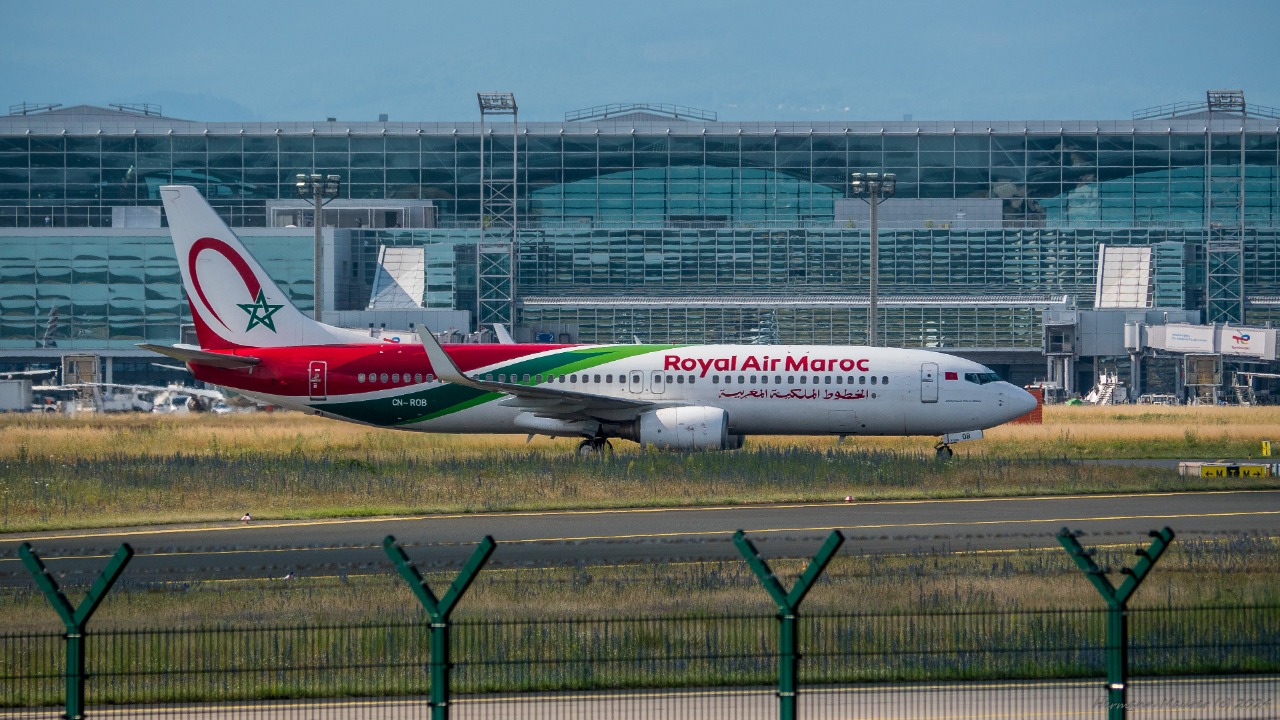

For the first time, travelers on the US Pacific seaboard are about to get a direct air bridge to the African continent, with a nonstop route slated to launch in 2026 linking Los Angeles and Casablanca. The new service will cut hours off existing itineraries that now require a change of planes somewhere in Europe or on the East Coast, and it will quietly redraw the map of how the West Coast connects with Africa. I see it as a milestone that blends aviation ambition with a clear bet on rising demand for tourism, business, and diaspora travel between the two regions.
The historic first for the West Coast and Africa
For the, West Coast and Africa have never been joined by a nonstop passenger flight, which is why this new route is being framed as a genuine first in aviation history rather than just another long-haul launch. Until now, anyone flying from Los Angeles, San Francisco, Seattle, or San Diego to North or West Africa has had to route through hubs like New York, Atlanta, London, or Paris, adding layovers and uncertainty to already long journeys. By putting a direct line between Los Angeles and Casablanca into the schedules, the airline behind the move is effectively shrinking the perceived distance between the Pacific Rim and the Maghreb.
Reporting on the launch notes that, for the first time in aviation history, travellers will be able to fly nonstop between the US West Coast and Africa, a shift that is expected to reduce travel times and improve comfort on long-distance journeys, as detailed in one analysis of For the. A separate briefing on the same development underscores that this is not just a symbolic milestone, but a practical one that will cut connection times between the two regions and make itineraries more predictable for both leisure and corporate travelers, reinforcing the significance of the new link between the West Coast and Africa.
Royal Air Maroc’s bold Los Angeles–Casablanca bet
The carrier taking this leap is Royal Air Maroc, which is positioning itself as the bridge between the US Pacific coast and a growing African network. By choosing Los Angeles International Airport as its West Coast anchor and Casablanca as the African gateway, Royal Air Maroc is signaling confidence that it can capture both point-to-point demand and connecting traffic onward into West, Central, and even Southern Africa. I read this as a strategic extension of the airline’s long-standing role as a connector between Europe and Africa, now stretched across the Atlantic to reach a new pool of passengers.
Royal Air Maroc confirmed that the route will launch on Sunday, 7 June 2026, with Flights departing from Los Angeles International Airport and heading directly to Mohammed V International Airport in Casablanca, according to detailed schedules shared for Royal Air Maroc. The airline has already opened sales for the new service, and Tickets for the route are being marketed as part of a broader push to cement Casablanca’s role as a transatlantic hub, with the carrier leaning on its existing African and European network to feed traffic into and out of Los Angeles.
Flight schedule, timings, and aircraft details
From a passenger’s perspective, the rhythm of the new service matters almost as much as the headline that it exists. Royal Air Maroc is not opting for a daily operation out of the gate, instead starting with a three-times-weekly pattern that balances aircraft utilization with the need to test demand. That cadence should still be frequent enough to support business trips and organized tours, especially when paired with connecting flights on either side of the Atlantic.
The service will operate three times a week, specifically on Tuesdays, Fridays, and Sundays, with the flight from Los Angeles, designated as the westbound leg, timed to connect efficiently with onward services in Casablanca, according to operational details published for Tuesdays. The airline has also highlighted that the Departure from Los Angeles is scheduled for 10:20 a.m., a mid-morning slot that should appeal to travelers who prefer to avoid red-eye departures while still arriving in Morocco early enough to make same-day connections, as outlined in the official Departure notice.
Pricing, tickets, and who this route serves
Pricing will be a key test of how aggressively Royal Air Maroc wants to grow this market, and early indications suggest the airline is aiming for accessibility rather than exclusivity. Economy fares that undercut many two-stop itineraries could tempt price-sensitive travelers who might otherwise endure long layovers in Europe, while premium cabins will target business travelers and higher-spend tourists who value time and comfort. I see this as a classic network-building play: start with attractive fares to build awareness and loyalty, then adjust as the route matures.
Tickets for the route are already on sale via the airline’s digital channels, with Tickets for the new service marketed to both US and African customers who have been waiting for a simpler way to cross between the Pacific coast and the Maghreb, as highlighted in early booking information for Tickets for the. Separate fare disclosures specify that Tickets for the route are already on sale via Royal Air Maroc’s website, with return economy class fares starting at approximately $845, a price point that could open the door to a wider audience of leisure travelers and diaspora passengers, according to the breakdown of Tickets for the at approximately $845.
Why Los Angeles and Casablanca make strategic sense
Los Angeles is not just a sun-and-surf destination, it is one of the world’s busiest aviation markets, with deep ties to entertainment, technology, and trade across the Pacific and the Americas. Casablanca, for its part, has been steadily building its profile as a hub for North and West Africa, with Royal Air Maroc using it as a springboard to cities from Dakar to Lagos. Linking these two cities nonstop is a logical next step for an airline that wants to capture flows between the West Coast of America and Africa without ceding passengers to European or Gulf competitors.
Coverage of the launch notes that this will be the first-ever nonstop flight between the West Coast of America and Africa, with the Los Angeles–Casablanca pairing chosen precisely because it can serve both origin-and-destination traffic and a wide range of connections, as described in reports on the new link from the West Coast of America. Another analysis frames the move as part of a broader strategy in which America is seeing more direct connectivity to African hubs, with the Los Angeles–Casablanca route singled out as a landmark connection between the America, West Coast and Africa that could spur additional services in the future.
How this changes travel options between the West Coast and Africa
For travelers, the most immediate impact of the new route will be the ability to skip intermediate hubs and the uncertainty that comes with tight connections. A single long-haul leg from Los Angeles to Casablanca simplifies everything from baggage handling to immigration planning, and it reduces the risk that a delay in one airport will cascade into missed flights across continents. I expect this to be particularly attractive to families, older travelers, and anyone carrying equipment or bulky luggage who currently has to navigate multiple transfers.
Analysts point out that, for the first time, passengers will be able to fly directly between the US West Coast and Africa without routing through East Coast or European hubs, a change that is expected to reduce overall travel times between the two regions and improve comfort on long-distance journeys, as explained in coverage of the new link between the West Coast and Africa. A separate briefing echoes that this first ever nonstop flight between the US West Coast and Africa will significantly cut connection times between the two regions and offer a more seamless experience for both leisure and business travelers, reinforcing the practical benefits of the new corridor as outlined in the summary of For the.
Royal Air Maroc’s wider ambitions in North America
Stepping back, the Los Angeles–Casablanca launch fits into a broader pattern of African carriers expanding their North American footprints. Royal Air Maroc already serves cities on the US East Coast, and adding a West Coast gateway gives it a more balanced presence across the country. I see this as a signal that the airline wants to be a serious player in transatlantic traffic, not just a niche connector for Moroccan diaspora communities.
In its own description of the move, the airline calls the new Los Angeles–Casablanca link a Historic route that will take flight on June 7, 2026, connecting Africa and the U.S. West Coast with three weekly flights and contributing to the Kingdom’s momentum of global engagement, as laid out in the official announcement of the Historic connection between Africa and the, West Coast. That framing suggests the airline is thinking beyond simple point-to-point traffic and is instead using the route to reinforce Morocco’s role as a diplomatic and economic bridge between continents.
What it means for Los Angeles as a global hub
For Los Angeles International Airport, the new service is another step in its evolution from a primarily transpacific and Latin American gateway into a truly global hub. Direct connectivity to Africa fills a conspicuous gap in LAX’s long-haul map and gives the airport a new selling point as it competes with San Francisco and Seattle for international traffic. I expect local tourism boards and business groups to seize on the route as a tool for attracting visitors and investment from across the African continent.
Industry coverage notes that Los Angeles is getting its first direct link to Africa with Royal Air Maroc, a development that not only adds a new destination to the departure boards but also reshapes the map of long-haul travel in the process, as highlighted in analysis of how Whet appetite for new routes can change airport dynamics. By anchoring a nonstop connection to Casablanca, LAX gains a new role as a starting point for journeys into North and West Africa, which could, over time, encourage other carriers to consider similar long-haul experiments from the US West Coast.
More from MorningOverview