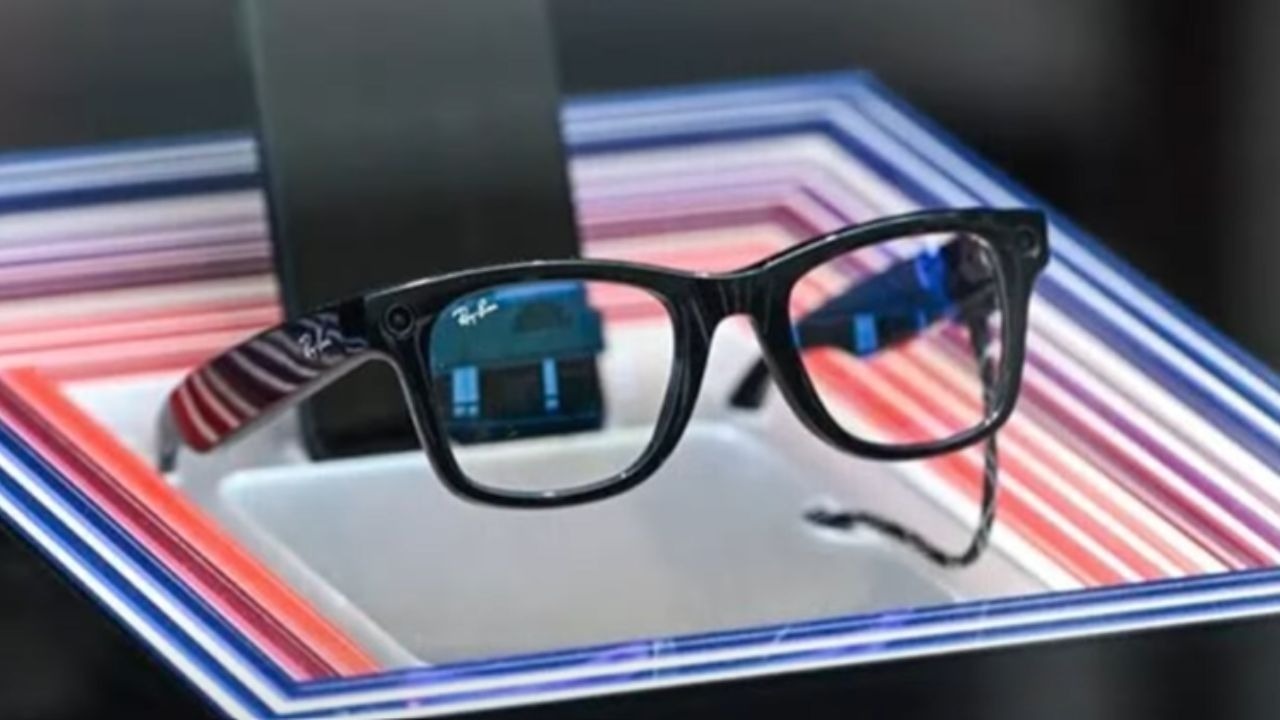

Smart glasses are quietly reshaping how TikTok creators capture and publish video, turning what used to be a juggling act of phones, tripods, and editing apps into something closer to a background process. By putting cameras, microphones, and AI directly on a creator’s face, these devices are stripping friction out of the posting pipeline and making it easier to film more often, in more places, with far less stress.
Instead of pausing a moment to pull out a phone, creators can now blink, tap a frame, or say a wake phrase and have a TikTok-ready clip waiting on their device. That shift is not just about novelty. It is changing the pace of content production, the look and feel of TikTok videos, and even how creators think about their own privacy and eye health while they chase the next viral trend.
The new creator workflow: from phone juggling to face-mounted capture
For years, TikTok posting has meant living with a phone in hand, constantly flipping between camera, editing tools, and analytics. Smart glasses are cutting into that routine by moving the capture step to the creator’s line of sight, which is exactly where most of the action happens. Instead of interrupting a moment to frame a shot, creators can keep both hands free and let the glasses handle recording, then hand off the footage to TikTok’s editor or a third party tool later.
Analysts describe this shift as part of a broader move from novelty gadgets to everyday tools, with smart glasses evolving from experimental hardware into something closer to a necessity for people who record constantly. One industry view frames this as “going hands free,” arguing that once creators get used to wearable cameras and audio, they rarely want to go back to phone-only workflows, and that this behavior is likely to continue to grow.
Ray-Ban Meta and the TikTok-first design of modern smart glasses
The clearest sign that smart glasses are being built with TikTok in mind is the way flagship models are marketed and configured. The Ray-Ban Meta Wayfarer Gen 2, for example, is sold as a fashion-forward pair of frames that just happens to hide a 12 megapixel camera, open ear speakers, and a microphone array tuned for social video. The official listing for the Ray-Ban Meta Wayfarer Gen 2 emphasizes that these are still Ray-Ban sunglasses, which matters for creators who want their gear to blend into daily life instead of screaming “I am filming.”
On TikTok itself, creators are already walking viewers through how these glasses fit into a posting routine. In one tutorial, an account tied to Instagram’s creator education program introduces “the new Ray Ban Metta smart glasses,” then walks through how to start recording, what low light footage looks like, and where the clips end up on the phone. The video explains that the Ray Ban Metta device saves recordings to a companion app, which then syncs them to the camera roll so they are ready to drop into TikTok drafts, and it closes with a nudge to “follow for more tips” on using Ray Ban Metta for social content.
Hands-free capture makes TikTok posting feel less like work
What makes these glasses feel transformative for TikTok creators is not just the hardware, it is the way they change the emotional texture of posting. Filming with a phone can feel performative and awkward, especially in public. With smart glasses, recording becomes a subtle gesture or a voice command, which lowers the social friction and makes it easier to capture authentic, first person moments that look more like what the wearer actually sees.
Guides for new owners of Ray-Ban Meta frames highlight this as a core benefit, urging people to “take hands-free photos and videos” and calling that ability their “absolute favorite” feature. One walkthrough explains that with a simple tap or command, the glasses start recording, and that users can even enable extended capture in settings to keep rolling longer without touching their phone, which is exactly the kind of tweak that matters when a TikTok bit runs over 60 seconds. The same guide notes that these Ray Ban Meta devices are designed to make hands-free photos and videos feel natural enough to use every day.
AI in the lens: “Less Screen, More Scene” for TikTok creators
Under the hood, the real engine of this shift is AI. Smart glasses are no longer just cameras on a frame, they are AI clients that can recognize scenes, respond to voice, and eventually help with editing decisions. One vision of this future is captured in the phrase “Less Screen, More Scene,” which describes AI-powered glasses that merge the screen into the wearer’s field of view so they can interact with digital content without constantly looking down at a phone. For TikTok creators, that means being able to check framing, prompts, or comments in their peripheral vision while staying focused on the real world.
Developers working on these systems describe the 2025 generation of AI glasses as devices that use a mix of sensors, spatial computing, and multimodal AI to understand what the wearer is doing. They talk about gesture plus voice controls for anchored 3D content, and about designs that finally fit into everyday life instead of looking like prototypes. In that framing, creators are early adopters of a broader trend in which AI glasses become a general interface for shopping, navigation, and entertainment, not just a camera. The same teams argue that “Less Screen, More Scene” is not just a slogan but a design principle that lets people choose between style or performance without compromise, and that this approach is what makes AI glasses finally fit for everyday life.
From novelty to necessity: why TikTok is accelerating adoption
Smart glasses have been around in some form for more than a decade, but TikTok’s demand for constant, casual video is giving them a new reason to exist. Industry observers note that the main purpose of AI smart glasses is to provide immediate, hands-free access to digital information in the user’s field of view, which lines up neatly with the way TikTok creators need to see prompts, scripts, or live comments while they film. Instead of checking a second screen, they can glance at a subtle overlay and keep the performance flowing.
One detailed guide to AI eyewear explains that these devices are built to surface context at a glance, whether that is navigation, translation, or content cues, and that this immediacy is what sets them apart from phones or watches. It describes how the primary purpose of these glasses is to put information directly in front of the eyes, not tucked behind an app grid, and argues that this is what makes them so attractive to people who live inside social platforms. For TikTok creators, that means AI glasses are not just another gadget, they are a way to keep the creative process moving without breaking eye contact with the camera, which is why some analysts see them as a natural fit for AI smart glasses’ main purpose.
Viral TikTok trends are already normalizing wearable cameras
Even before the latest hardware cycles, TikTok itself helped normalize the idea of wearing a camera on your face. A viral trend built around wearable cameras showed how first person clips could feel more intimate and less staged than traditional selfie videos, and it gave viewers a sense of what it is like to move through the world from the creator’s perspective. That trend also highlighted a practical benefit: with a wearable camera, you get the opportunity to capture a first person perspective without strapping on a bulky GoPro or holding a phone at arm’s length.
Coverage of that viral moment argued that TikTok’s appetite for immersive, point of view content could be the spark that smart glasses needed to take off. It pointed out that creators were already comfortable experimenting with new camera angles and formats, and that a lightweight pair of glasses could deliver the same effect with less hassle. The same reporting suggested that as more people see how wearable cameras can capture everyday life, from cooking to commuting, they will be more willing to try smart glasses themselves, which is why some analysts see that viral TikTok trend as helping this technology to take off.
Hardware trends: immersive displays, audio tricks, and better sensors
Behind the scenes, the hardware inside smart glasses is evolving quickly in ways that matter for TikTok. Newer models are shipping with more immersive displays, higher resolution cameras, and better microphones, all of which feed into cleaner, more watchable clips. One overview of “Smart glasses 2025” notes that key models are equipped with cutting edge technologies like ever more immersive displays and improved optics, and that these upgrades are aimed at making the glasses useful in daily life rather than just in niche industrial settings.
Another trend report highlights how smart glasses in 2025 mix AR, AI, cameras, and headphones together so they can serve as both recording devices and media players. It describes how AR and AI features are being layered on top of basic capture functions to make smart glasses more helpful, whether that is by stabilizing footage, enhancing audio, or overlaying prompts in the wearer’s view. For TikTok creators, that means a single device can act as a camera, teleprompter, and monitor, with AR and AI working together to make smart glasses more helpful in the middle of a shoot.
Audio, accessibility, and the promise of smarter capture
Video is only half the story for TikTok. Audio quality and accessibility features can make or break a clip, especially in noisy environments. Recent updates to Ray-Ban Meta Gen 2 glasses show how seriously manufacturers are taking this. The Ray Ban Meta Gen 2 hardware pairs a 12 megapixel camera with open ear speakers and beamforming microphones, and new AI features are being rolled out that can help wearers hear conversations better by isolating voices and reducing background noise.
Meta says that smart glasses wearers will initially get these audio enhancements in a limited rollout, with plans to expand more broadly once the features are tested. For creators, that kind of AI powered audio processing could mean cleaner dialogue in vlogs, better sound in street interviews, and more usable clips from chaotic environments like concerts or protests. It also hints at a future where the same AI that helps you hear a conversation could help you tag speakers, generate captions, or even suggest edits, all from within the Ray Ban Meta Gen 2 ecosystem.
Eye health, sensors, and the “less painful” side of always-on creation
There is a literal dimension to the idea that smart glasses make TikTok posting less painful. Staring at a phone screen for hours can strain the eyes and neck, especially for creators who edit on the go. Smart glasses shift some of that interaction into the wearer’s natural field of view, which can reduce the need to hunch over a handheld device. Eye care specialists describe how smart glasses combine eyewear with digital features such as display overlays, sensors, and AR, and they argue that this design can reduce reliance on hand held devices if used thoughtfully.
One explainer on eye health emphasizes that these devices rely on a network of sensors to track head movement, ambient light, and sometimes even eye position, and that this data can be used to adjust brightness or display placement in ways that are gentler on vision. It also notes that while smart glasses introduce their own risks, such as potential distraction, they can help mitigate some of the strain associated with constant phone use. For TikTok creators who spend long days filming and editing, that tradeoff matters, which is why some optometrists are starting to talk about how smart glasses combine eyewear with digital features in ways that could protect vision in a digital world.
Shopping, discovery, and the TikTok-to-cart pipeline
Smart glasses are not just changing how creators film, they are also starting to influence how viewers shop from TikTok. When a creator films a first person clip of a product, from sneakers to kitchen gadgets, that footage can feed directly into recommendation systems that understand what is in the frame. Google’s Shopping Graph, for instance, is described as a constantly updated map of products, sellers, brands, and reviews that pulls in product information aggregated from brands, stores, and other content providers, which can then surface relevant items when users search or browse.
As TikTok leans deeper into commerce, that kind of product intelligence can make it easier to connect a creator’s wearable camera footage to a purchase link. If a smart glasses clip clearly shows a specific pair of sunglasses or a kitchen tool, systems like the Shopping Graph can help identify it and present options to buy. That is why some analysts see a tight loop forming between TikTok videos, discovery engines, and shopping platforms, with smart glasses footage feeding into product information aggregated across the web.
Analytics and monitoring: scaling TikTok output without burning out
Once creators start posting more often thanks to smart glasses, the next challenge is keeping track of what works. TikTok monitoring tools are becoming essential for this, especially for brands and agencies that manage multiple creators. One guide aimed at marketers opens with the line “Growing with TikTok? Great! Monitoring tools are going to be the key to scaling pain-free,” and then walks through how dashboards can track performance, sentiment, and trends across large volumes of content.
Those tools matter even more when capture becomes effortless. If a pair of glasses makes it easy to record dozens of clips a day, creators need a way to see which ones resonate, which hooks perform best, and how different formats affect watch time. Monitoring platforms promise to make that process less overwhelming by centralizing metrics and alerts, effectively turning the firehose of wearable camera footage into a manageable stream of insights. For creators who want to post more without burning out, that kind of “Growing with TikTok? Great!” mindset, backed by robust monitoring tools, is becoming part of the smart glasses equation.
The product ecosystem racing to outfit creators’ faces
Behind every pair of smart glasses on TikTok is a dense product ecosystem of frames, lenses, and accessories. Retail listings show how manufacturers and resellers are positioning these devices, often highlighting camera specs, battery life, and social media integrations in the same breath as UV protection and frame materials. One shopping entry for a connected eyewear product, for instance, bundles technical details with lifestyle imagery to signal that this is not just a gadget but a fashion item, and it is surfaced through a product search interface that makes comparison shopping easy.
Another listing for a different model leans heavily on design, showing multiple colorways and lens options while still foregrounding the built in camera and connectivity features. It is also accessed through a similar product search experience, which underscores how mainstream these devices are becoming. Additional catalog entries for related accessories and variants, surfaced through adjacent product listings and parallel product catalogs, show a market that is rapidly diversifying to meet different creator needs, from prescription lenses to sport friendly frames.
Where TikTok and smart glasses go next
All of these threads point to a future in which TikTok posting is less about wrestling with a phone and more about living inside a continuous capture environment. AI powered smart glasses promise to keep creators present in the moment while still feeding the algorithm with a steady stream of clips, and hardware makers are racing to refine the mix of style, comfort, and performance that will make these devices truly mainstream. As more creators adopt them, the platform’s aesthetic is likely to tilt even further toward first person, immersive video that feels like a direct line from the wearer’s eyes to the viewer’s For You page.
The remaining questions are less about technology and more about norms. Creators will have to navigate new expectations around consent and privacy when cameras are hidden in everyday frames, and platforms like TikTok will need to decide how to handle always on capture in public spaces. For now, though, the trajectory is clear. Smart glasses are making it faster and far less painful to feed TikTok’s endless appetite for video, and in the process they are quietly redefining what it means to be “on camera” in a world where the camera sits on your face.
More from MorningOverview