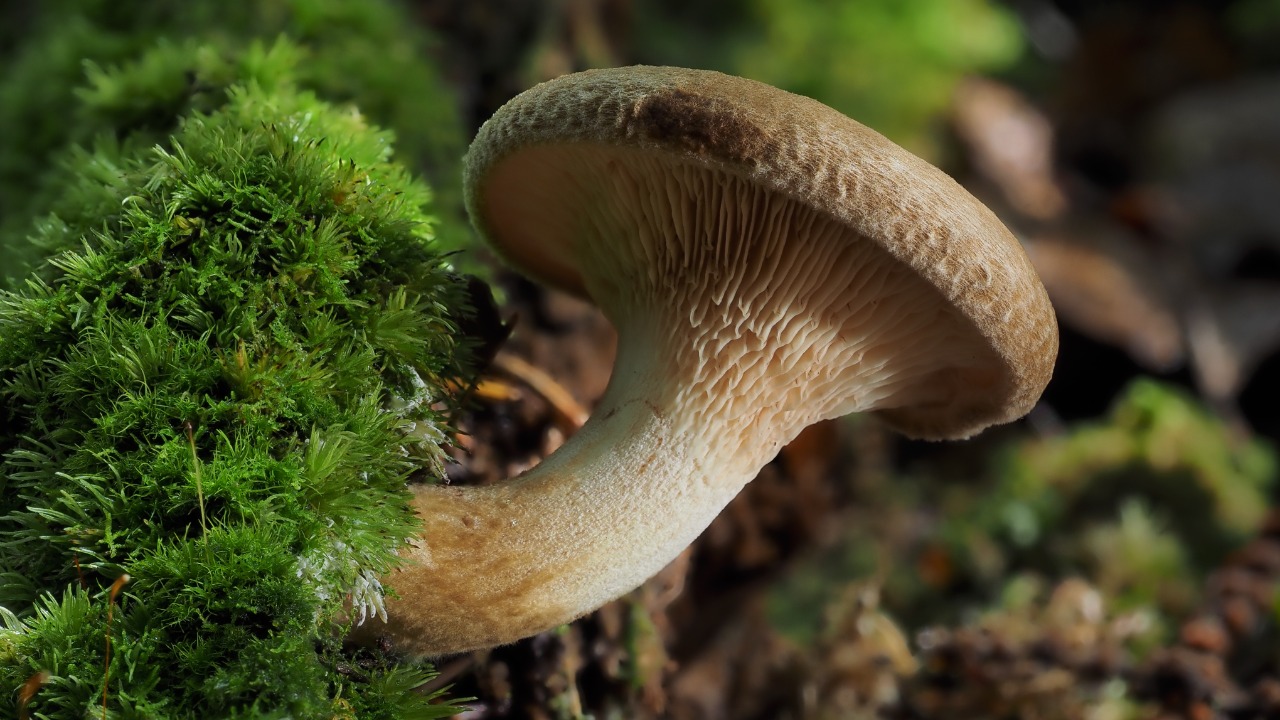

Across the planet, scientists are cataloging life at a pace that would have been unthinkable a generation ago. New species are being logged into the record books so quickly that the formal process of naming, describing, and understanding them is struggling to keep up. The result is a paradox of abundance and urgency, as researchers race to document Earth’s diversity before human activity erases it.
The numbers behind a discovery boom
The clearest sign that biology has hit a new gear is the raw count of species being described each year. Recent work led by the University of Arizona concludes that new species are now being discovered faster than ever before, a surge that builds on a quest that began with Linnaeus but has accelerated dramatically in the twenty‑first century as scientists probe more corners of Earth. The same research shows that the curve of discovery is still bending upward rather than flattening, a sign that the catalog of life is far from complete.
Other analyses put hard figures on that acceleration. One global assessment finds that scientists are now identifying more than 16,000 new species every year, a rate that would have stunned earlier generations of taxonomists. Another synthesis notes that in the most recent period with complete data, from 2015 to 2020, researchers described an average of more than 16,0 new species annually, including thousands of animals, plants, and roughly 2,000 fungi, a pattern that underpins the claim that During the last decade the pace has reached historic highs.
A record‑shattering year for naming life
The surge is not just a vague trend line, it shows up in specific record‑breaking years. One recent analysis highlights that 2020 saw more new species formally described than any year in history, with exactly 17,044 species added to the scientific literature. That tally, which includes organisms from microbes to vertebrates, underscores how modern tools, global collaboration, and targeted expeditions have combined to push discovery into what one summary calls a Nutshell of unprecedented productivity and a Record pace that shows no sign of slowing.
Behind those global totals are concrete institutional efforts. A report on work at a major natural history museum notes that scientists there alone described more than 70 new species in 2025, including Among the finds a new genus and species of sea anemone named Endolobactis simoesii. When a single institution can add dozens of names in a year, it illustrates how the global total can climb into the tens of thousands, and why the formal taxonomic system is under pressure to process, review, and publish descriptions at a pace that matches the fieldwork.
How many species do we actually know?
Even with this flood of discoveries, scientists are clear that humanity has only scratched the surface of global biodiversity. Evolutionary biologist JOHN WIENS recently put the current tally at Currently, 2.5 m described species, a figure that captures what is formally known but not what actually exists. In the same conversation, WIENS emphasized that this number reflects only named species, not the full tapestry of life that has yet to be documented by taxonomists like John Wie and his colleagues.
Other syntheses echo that gap between known and unknown. One overview notes that there are roughly There are 2.5 m known species on the planet, but that this is only a fraction of the biodiversity scientists expect to find as they continue to uncover new species like never before. Earlier estimates suggested that as many as 10 million species may remain to be discovered, a figure highlighted in a review that warned that But there is still far more life to be discovered even as we may be losing up to 100,000 species annually to extinction.
Insects, fungi, and the “big groups” driving the surge
The acceleration in discovery is not evenly spread across the tree of life. Analyses of taxonomic databases show that the largest and most diverse groups are contributing the most new names each year, a pattern captured in one summary that notes that Big groups are growing the fastest. When researchers dig into the data, they find that insects, plants, and fungi dominate the lists of new species, which is not surprising given that these clades already contain vast numbers of described species and occupy almost every habitat on the planet.
One recent synthesis notes that scientists have already identified around 1.1 m insect species, yet the rate of discovery in this group continues to climb. The same analysis points out that the researchers expect discoveries to continue accelerating, with new species of animals, plants, and fungi still being found in large numbers that can benefit humanity in other ways. Another breakdown emphasizes that When you look closely, Larger groups like insects and flowering plants show the steepest increases in new discoveries each year, reinforcing the idea that the biggest reservoirs of undiscovered life are in these already species‑rich lineages.
From amphipods to feathered dinosaurs: what “new” looks like
Behind the statistics are real organisms, often with striking stories. In Georgia, for example, a team at Georgia College recently identified a new shrimplike amphipod species in local waters, a discovery that has generated excitement on campus even though the formal name is still under wraps. Now, they (scientists) cannot tell the public the name of the species because their research has not been published yet, a reminder that each discovery must pass through a careful peer‑review process before it becomes part of the official record.
Other recent work has ranged from tiny invertebrates to creatures that reshape our view of deep time. A survey of 2025 discoveries highlights finds “from insects to feathered dinosaurs,” noting that dozens of new species were named in that year alone and that New species are still being added to the fossil record as paleontologists refine what counts as a species and how to tell when a fossil is truly distinct. These examples show that “new” can mean a living crustacean in a local stream or a dinosaur that last walked the Earth tens of millions of years ago, and both require the same meticulous work of description and comparison.
The University of Arizona’s “golden age” and what drives it
Many of the latest insights into this discovery boom come from a team at the University of Arizona, which has framed the current moment as a kind of golden age for cataloging life. In a public discussion of their findings, researchers from the University of Arizona emphasized that “we’re finding new species faster than ever” and that there is no sign that the pace is slowing. Their work, which compiles data across taxonomic groups and decades, suggests that improvements in field access, molecular tools, and digital databases have all contributed to the acceleration.
One summary of that research puts it bluntly, stating that the search for life on Earth is speeding up, not slowing down, and that Scientists are now identifying more than 16,000 new species each year. Another overview of the same study notes that Since
Why scientists can’t keep up with their own discoveries
The sheer volume of new finds is now straining the traditional machinery of taxonomy. Each species must be carefully compared with known organisms, described in detail, and published in a peer‑reviewed outlet, a process that can take years. One report on the current surge notes that scientists are discovering and naming species at a record pace, yet the system for processing those names is under pressure because Scientists are discovering and naming species at the fastest rate in history and show no signs of slowing down.
That bottleneck is compounded by the fact that many discoveries come from understudied regions and groups, where there are few specialists to do the painstaking work. A recent feature on the so‑called “fourth domain” of life points out that One way to cut down on uncertainty about life’s diversity would be to fill in more branches on the tree of life, but that there are still millions more species waiting to be found. With so many lineages poorly sampled, the backlog of unnamed specimens in museum drawers and genetic databases grows, leaving scientists in the unusual position of having more potential new species than they can reasonably describe.
The stakes: medicine, technology, and extinction risk
The race to document new species is not just an academic exercise, it has direct implications for medicine and technology. Evolutionary biologist Prof Wiens has argued that many species harbor adaptations that could inspire new drugs or materials, noting that Beyond medicine, Prof Wiens says many species have adaptations that can inspire human inventions, such as materials modeled on biological structures, and that understanding these organisms is essential for grasping the full history of life on our planet. The faster scientists can identify and study new species, the more likely it is that such useful traits will be recognized before they disappear.
At the same time, the discovery boom is unfolding against a backdrop of rapid biodiversity loss. The earlier estimate that we may be losing up to 100,000 species annually to extinction, highlighted in the review that began with the word But, underscores the risk that many species will vanish before they are ever named. A recent popular account of the new University of Arizona study framed this tension starkly, noting that By Stephen Beech of SWNS, the study shows that new species are being discovered faster than ever before even as scientists warn that we may never fully catalog every living organism on Earth.
Can discovery keep pace with a changing planet?
Looking ahead, researchers expect the pace of discovery to keep rising, driven by better technology and expanding exploration. One synthesis notes that the researchers behind the latest global analysis expect discoveries to continue accelerating, and that Scientists anticipate that new species will continue to benefit humanity in other ways, from ecosystem services to novel biomolecules. Another account of the same work emphasizes that new species are being discovered at a rate of over 16,000 a year, a figure echoed in a feature that described how Prof Wiens and colleagues see no sign that this rate is plateauing.
Yet even this rapid progress may not be enough to fully map the biosphere before climate change and habitat loss redraw it. A popular summary of the University of Arizona study notes that the new work, led by scientists at the University of Arizona, shows that new species are being discovered at a rate that has climbed from a handful per year in the eighteenth century to about 10 per year in some early modern periods and now to tens of thousands annually. Another overview framed this as a “golden age” of discovery but warned that without stronger conservation, many of the species being named today could be gone within decades, leaving future scientists to reconstruct their existence from preserved specimens and scattered genetic data.
More from MorningOverview