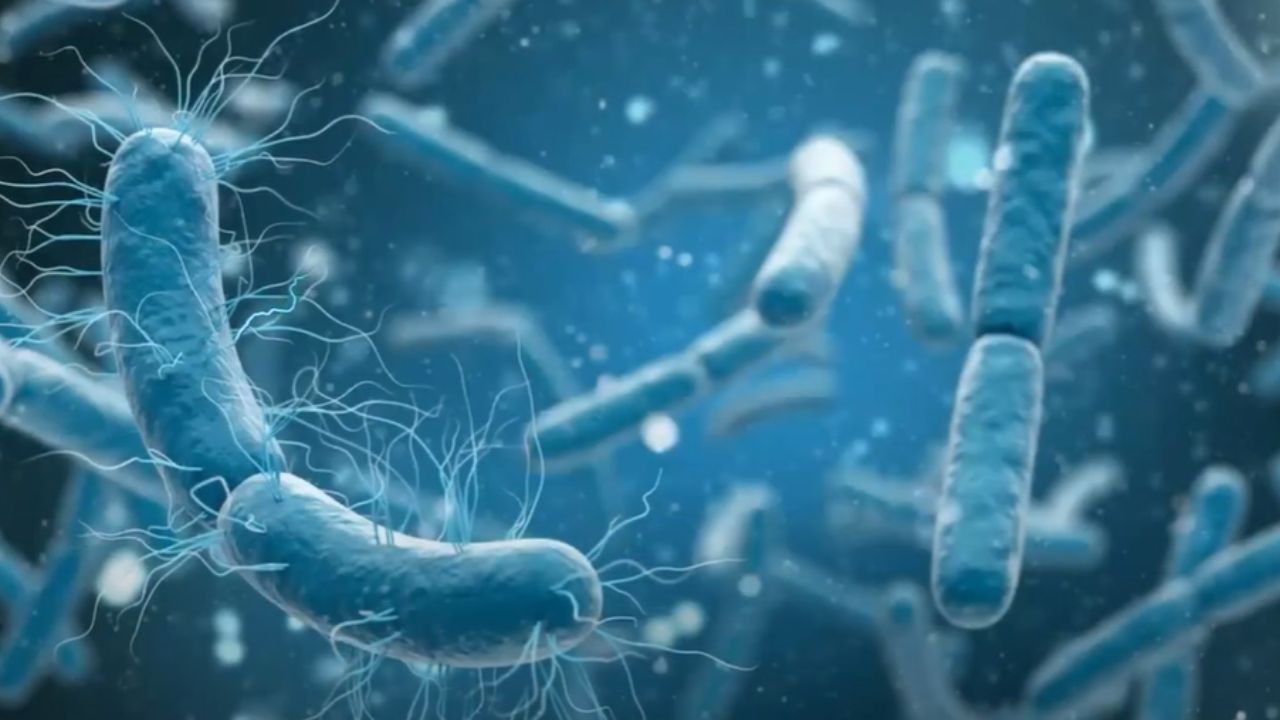

Your gut is not just a reflection of what you eat or which probiotics you buy. It is also, emerging research suggests, partly a mirror of the people you live with and the DNA they carry. The microbes that help digest your food, train your immune system, and even influence your mood may be subtly steered by your roommate’s genes as well as your own.
Scientists are now tracing how genetic variation in one individual can ripple across a shared home, reshaping the microbial communities in another person’s intestines without any exchange of human DNA. The result is a new way of thinking about health that treats the microbiome as a social, not just personal, ecosystem.
From quirky idea to testable hypothesis
For years, microbiome science has focused on how a person’s own genes and lifestyle shape the trillions of microbes in their gut. The twist now on the table is that your genome might also reach across the room, influencing which bacteria survive in someone else’s intestines. That idea sounds intuitive in hindsight, but it required a way to disentangle shared genes from shared environments before anyone could test it rigorously.
To do that, scientists turned to large populations of animals that share cages but not DNA, allowing them to separate the effects of living together from the effects of being related. In one such project, researchers studied thousands of rats and found that gut bacteria were influenced by the host’s own genetic variants and by the genetic variants of their cage mates, with the microbial shifts occurring without any human or animal DNA being exchanged, according to work led by Amelie Baud at the Centre for Genomic Regulation in Barcelona.
What the rat experiment actually showed
The rat study is central because it moves the conversation from speculation to measurable effect. By tracking which microbes thrived in each animal and mapping those patterns onto genetic differences, the team could see that some bacterial groups rose or fell depending on the DNA of a cage mate, not just the DNA of the rat carrying them. In other words, one animal’s genome was helping decide which microbes another animal could host.
The researchers reported that the genes of a “roommate” rat shaped the bacteria in a partner’s gut, and that the reverse was also true, suggesting a two way genetic influence within shared housing. Senior author Amelie Baud, working at the Centre for Genomic Regulation in Barcelona, described how this effect emerged even when rats were not related, indicating that cohabitation allowed one animal’s genotype to alter the microbial environment of another, a pattern summarized in coverage of how the genes of your roommate may be shaping the bacteria in your gut.
The three genetic regions that stood out
Once the basic effect was clear, the next question was which parts of the genome were doing the work. It is one thing to say that genes matter, and another to pinpoint specific regions that consistently nudge microbial communities in one direction or another. That is where more detailed genetic mapping came in, using the power of large animal cohorts to find repeatable signals.
In follow up analysis, the team identified three genetic regions that repeatedly influenced gut bacteria across different rearing conditions, suggesting that these loci act as stable levers on the microbiome regardless of some environmental variation. Researchers emphasized that it is not only our own genes that matter, but also the genes of those we live with, a conclusion highlighted in reporting on how the team identified three genetic regions that consistently influenced gut bacteria.
From rats to roommates and partners
Animal models are powerful, but the obvious question is whether any of this translates to human homes, where diets, hygiene, and social habits are far more complex. Early evidence already suggested that people who live together tend to share more similar gut microbes than people who do not, even when they are not related, hinting that cohabitation itself is a strong microbial force. The new genetic findings add another layer, implying that the DNA of a partner or roommate could help determine which of those shared microbes actually take hold.
One recent summary of the work framed gut health as not just a personal matter but a social one, noting that the genes of a person you live with may help decide which microbes survive in your intestines and which do not, and that your own genome may be doing the same to theirs, a perspective captured in coverage of what this could mean for gut health.
How genes reach across a room without swapping DNA
At first glance, it might sound as if people are somehow exchanging genetic material with their roommates, which is not what the data show. Instead, the mechanism appears to be indirect: genes in one host change that host’s behavior, immune responses, or secretions, and those changes alter the shared environment in ways that favor some microbes over others. The microbes themselves can move between individuals through contact, shared surfaces, or the air, but the genetic influence is exerted through the conditions they encounter, not through any mixing of human genomes.
To get around the confounding effects of shared ancestry and lifestyle, scientists designed experiments where animals with different genotypes were housed together and their microbiomes tracked over time, revealing that one individual’s DNA could shape another’s gut community through these environmental channels. Reporting on this work explained that researchers used such designs to show that your genes could be affecting someone else’s gut by changing the microbial exposures and conditions in a shared space.
The microbes most sensitive to social genetics
Not all bacteria respond equally to these indirect genetic effects. Some groups appear especially sensitive to the combination of a host’s own DNA and the DNA of their cage mates or housemates. Identifying which microbes fall into that category matters because it can point to specific metabolic or immune pathways that are being tuned by social genetics, and it can highlight potential targets for future therapies.
In the rat work, the researchers found that the abundance of Muribaculaceae, a prominent family in rodent guts, was shaped by both direct genetic influence from the host and indirect influence from the genes of their companions, suggesting that this group is particularly responsive to the social genetic environment. That pattern was detailed in technical coverage noting that the researchers found that the abundance of Muribaculaceae were shaped by both direct and indirect genetic influence.
Partners, not just lab animals, share more than a bed
Evidence from human studies has long hinted that couples who live together end up with more similar microbiomes than even siblings who grew up in the same home but now live apart. That pattern suggests that the daily intimacy of sharing meals, bathrooms, and physical space is a powerful driver of microbial convergence. The new genetic findings raise the possibility that some of that convergence is filtered through each partner’s DNA, which may favor or suppress particular microbes that circulate in the household.
Recent work led by the Centre for Genomic Regulation in Barcelona and the University of California, San Diego, reported that cohabiting partners can influence each other’s gut bacteria, and that this effect sits on top of the already complex links between the microbiome and most physiological functions, from metabolism to immunity. Coverage of this research described how research led by the Centre for Genomic Regulation in Barcelona and the University of California, San Diego shows that partners’ DNA could shape gut bacteria, reinforcing the idea that intimate relationships are also microbial relationships.
What we already know about cohabitation and shared microbes
Even before genetic effects entered the picture, there was strong evidence that living together changes the microbiome. Studies of couples, families, and roommates have shown that people who share a home tend to have more similar gut bacteria than people who do not, even when they are not related by blood. That pattern holds across different cultures and lifestyles, pointing to the power of shared food, surfaces, and routines in sculpting microbial communities.
One accessible summary of this work noted that cohabiting partners tend to have more similar gut microbiomes than even siblings, and that this likely reflects a mix of shared diet, environment, and physical contact, as described in a set of key takeaways on how cohabiting shapes the microbiome. The new social genetics research suggests that on top of those factors, the DNA of each person in a household may be quietly steering which of those shared microbes actually take root.
Household contacts and the spread of resistant microbes
Shared microbes are not always benign. When people live together, they can pass along bacteria that carry antibiotic resistance genes, even if no one in the home is currently sick. That means the microbiome can act as a reservoir for resistance traits that might become dangerous later, especially if someone’s immune system is weakened or they need antibiotic treatment that disrupts their normal flora.
Earlier work on microbial diversity in individuals and their household contacts highlighted the potential for sharing antibiotic resistant organisms in our microbiomes that may not be causing disease at the moment but could still spread between people and complicate future infections, a concern detailed in research on the potential for sharing antibiotic resistant organisms in household contacts. When layered onto the new findings about social genetics, this raises the possibility that some people’s genes might make them more likely to foster or transmit such problematic microbes within a home.
Microbiome sharing as a feature, not just a bug
Not all microbial sharing is harmful. In many cases, passing bacteria between people may help stabilize or enrich each other’s microbiomes, especially when those microbes perform useful functions like breaking down complex fibers or training the immune system. The idea that we are constantly exchanging microbes with those around us reframes everyday social contact as a kind of invisible ecological network.
One of the current projects exploring this idea is the PEARL Age study, which investigates how people pass microbes between them and how those exchanges change over time. A researcher involved in that work has described finding strong data showing that the more people interact, the more their microbiomes become similar, a pattern discussed in an overview of how microbiome sharing is microbiome caring in the PEARL Age study. Social genetics adds another twist, suggesting that some individuals may be especially effective “hubs” or “filters” in these microbial networks because of their DNA.
When one person’s disease reshapes another’s microbiome
The influence of cohabitation is particularly striking when one member of a household has a chronic gut condition. Ulcerative colitis, for example, is associated with distinct shifts in gut flora, including changes in diversity and inflammatory signaling. If those altered microbes are shared with a healthy partner or roommate, the question becomes whether the healthy person’s microbiome starts to look more like that of the patient, and what that might mean for their own risk.
One study of people living with ulcerative colitis patients found that cohabitation influenced differences in the gut microbiome community between patients and healthy individuals, reducing the gap not only in microbial diversity but also in their signaling pathways. The authors summarized that our study revealed that cohabitation influenced differences of gut microbiome between healthy individuals and the patients, underscoring how living with someone who has a gut disorder can reshape the microbial landscape of everyone under the same roof.
What this means for everyday life and future medicine
For now, the practical takeaway is not that you should screen potential roommates by genotype or demand a microbiome report before signing a lease. The effects described so far are subtle and layered on top of far more powerful factors like diet, antibiotics, and overall lifestyle. Still, the idea that your roommate’s genes might be nudging your gut bacteria in one direction or another is a reminder that health is deeply relational, extending beyond individual choices to the genetic and microbial context of the people around you.
Looking ahead, I see several possible applications. Clinicians might one day factor household composition into microbiome based therapies, recognizing that a patient’s response to a probiotic or fecal transplant could depend partly on the genomes of the people they live with. Public health researchers may refine models of antibiotic resistance spread by incorporating social genetics into their understanding of household transmission. And for anyone who shares a home, the emerging science offers a simple, if humbling, insight: your body is not just yours, it is a shared habitat shaped in part by the DNA of the people closest to you.
More from MorningOverview