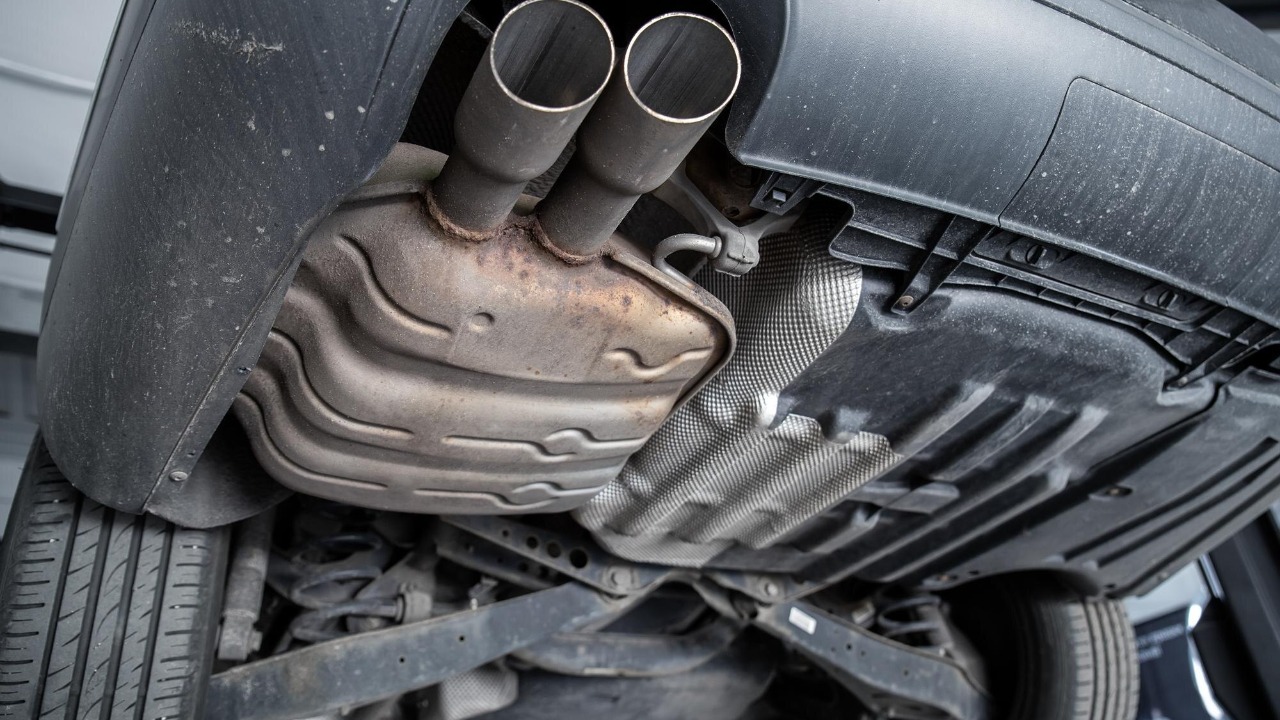

For most enthusiasts, the first serious modification is an exhaust, and the choice usually narrows to two options: cat-back or axle-back. Both promise more sound and personality, but they differ in cost, complexity, and how much they actually change the way a car drives. Understanding where each system starts and ends in the underbody is the key to figuring out which one is worth your money.
I want to unpack that difference in practical terms, from sound and performance to emissions and daily livability, using what current tuners and manufacturers are reporting about real-world gains and trade-offs. By the end, the jargon around “cat-back vs axle-back” should translate into a clear decision for your specific car, budget, and tolerance for noise.
Where each system starts and stops under the car
The basic distinction is physical: a cat-back exhaust replaces everything from the catalytic converter to the tailpipes, while an axle-back exhaust swaps only the components from the rear axle to the tips. In other words, a cat-back typically includes mid-pipes, resonators, mufflers, and tips, whereas an axle-back focuses on the rear section, usually just mufflers and tips, sometimes with short connecting pipes. Guides that spell out the difference between cat back and axle back systems emphasize this layout as the foundation for every other trade-off.
That layout matters because the catalytic converter is the legal and mechanical dividing line. A cat-back bolts to the outlet of the converter and keeps emissions hardware intact, while an axle-back never touches it at all. Detailed breakdowns of What Difference Between Cat Back and Axle Back systems point out that this is why both are generally emissions friendly, but only the cat-back has the room to change pipe diameter and routing in a way that can free up measurable power.
How sound really changes: tone, volume, and drone
Most buyers chase exhausts for sound first, and the two layouts shape that in different ways. Axle-back kits sit closest to the tailpipes, so they primarily alter the final mufflers and tip design, which sharpens the exhaust note without dramatically changing overall flow. That is why many tuners describe axle-back systems as a way to get a more aggressive tone and better looking tips while keeping volume moderate, a pattern echoed in comparisons that frame Sound Comparison: Axle Back vs cat-back as a choice between subtle and more transformative changes.
Cat-back systems, by replacing resonators and mid-pipes along with mufflers, can reshape both volume and character, from deeper idle burble to more pronounced high-rpm bark. That extra reach also means more risk of cabin drone if the system is poorly tuned, but it is also why many manufacturers market their cat-backs as delivering deeper sounds that stand out without being obnoxious. Analyses that ask whether a Cat Back System will sound louder than an axle-back generally conclude that, when both are designed for the same car, the cat-back tends to be the more dramatic change in both volume and tone.
Performance gains: where the extra power actually comes from
On performance, the cat-back’s longer reach gives it more potential. By increasing pipe diameter, smoothing bends, and using higher flowing mufflers and resonators, a cat-back can reduce backpressure after the catalytic converter, which helps the engine breathe more freely under load. Technical explainers on Important Considerations Will Cat Back Exhaust Affect Your Car Emissions note that as exhaust gases stack up behind restrictive factory piping, they slow down scavenging, so a freer flowing cat-back can improve throttle response and unlock modest horsepower gains without touching emissions equipment.
Axle-back systems, by contrast, leave the most restrictive parts of the factory exhaust untouched, so their impact on power is usually marginal. Tuners who compare the two often describe an axle-back as primarily an upgrade for sound and aesthetics, while a cat-back is more comprehensive and capable of noticeable gains in horsepower and throttle response on cars like the Subaru WRX, a distinction spelled out in guides that contrast an axle back system with a 3 inch cat-back. That does not mean an axle-back never helps flow, but the measurable performance delta is usually small enough that it rarely shows up on a dyno unless the stock mufflers were extremely restrictive.
Cost, installation, and how much driveway work you can handle
Price and complexity are where axle-back systems fight back. Because they include fewer components and shorter piping, axle-backs are typically cheaper to buy and quicker to install, often using existing hangers and clamps near the rear axle. Overviews that walk through Pros of Cat Back Exhaust System Improved Performance also stress that cat-back systems tend to cost more in parts and labor, which is why budget conscious owners often start with an axle-back even if they eventually plan a full system.
Cat-back kits, stretching from the catalytic converter to the bumper, involve more bolts, more gaskets, and more chances for rusted hardware to fight back, especially on older cars. That extra work is why many shops quote higher labor for cat-backs and why some owners prefer to pay a professional rather than tackle it on jack stands. At the same time, enthusiasts who see exhaust upgrades as among the most common mods for late model Mustangs, Camaros, and F-150s know that both Cat Back Axle Back Exhaust What You Should Know options are designed to be bolt-on, so the real question is how much time and money you are willing to trade for the extra performance and sound of the longer system.
Emissions, legality, and inspection headaches
Because both systems leave the catalytic converter in place, they are generally considered emissions safe, but there are nuances that matter if you live in a state with strict inspections. Axle-back systems, which only replace components from the rear axle back, do not alter the car’s emissions output at all, which is why manufacturers emphasize that these kits are almost always emissions legal in all fifty states. That status is highlighted in discussions of Street Legal Emissions Good axle-back systems for daily drivers, where the selling point is more sound without triggering check engine lights or failing smog tests.
Cat-back systems also typically retain the factory catalytic converter, so they do not change tailpipe emissions in a way that would fail a test, but they can run into local noise ordinances if they are too loud. Technical explainers that ask Which Upgrade Delivers Better Value for Your Car underline that both cat-back and axle-back options are designed not to mess with emissions or compliance, but they still advise checking local regulations on sound levels and aftermarket modifications. For owners in inspection heavy regions, that makes axle-back the lowest risk choice, with cat-back still a safe bet as long as it carries the appropriate certifications and is not paired with a removed or modified catalytic converter.
Daily driving, comfort, and the risk of regret
Living with an aftermarket exhaust every day is different from enjoying a sound clip on social media, and this is where the character of each system matters. Axle-back kits, with their modest change in flow and focus on mufflers, tend to deliver a noticeable but controlled increase in volume, often described as a modest sound upgrade that keeps highway drone in check. Analyses that weigh the Upgrading Among the most common exhaust options often position axle-back systems as ideal for commuters who want more character without waking the neighborhood at cold start.
Cat-back systems can be tuned to be civil, but because they change more of the system, they have a wider range of possible outcomes, from refined touring notes to track focused aggression. Some owners love the deeper, sportier exhaust note and improved throttle response that a well designed cat-back brings, while others find the constant presence of the exhaust in the cabin tiring on long drives. Reviews that describe how an aftermarket cat back improves throttle response and offers power gains also note the importance of material quality and design in keeping noise levels livable, especially for stainless systems that are meant to last the life of the vehicle.
Brand ecosystems, materials, and long term value
Beyond the basic layout, the market for both types of exhaust is shaped by brand ecosystems and material choices. Many European focused tuners, for example, offer both axle-back and cat-back systems from names like AWE and Milltek, giving owners a menu of sound levels and finishes that can be mixed and matched. Overviews that compare Both axle back and cat back systems stress that the same brands often tune their kits to work together, so an owner might start with an axle-back and later add a matching mid-pipe to create a full cat-back without replacing parts.
Material choice also affects value. Aluminized steel systems are cheaper but more prone to rust in harsh climates, while stainless steel costs more up front but resists corrosion and can carry longer warranties. Real world examples like the MBRP F-150 3 inch Installer Series dual exhaust show how a Now Installer Series system uses a bigger diameter to produce a deeper tone than the factory setup, illustrating how pipe size and material combine to change both sound and durability. For buyers thinking long term, that makes a well built cat-back or axle-back less of a cosmetic accessory and more of a multi year investment in how the car feels and sounds.
Choosing based on your car, not just the catalog
The right choice between cat-back and axle-back depends heavily on the car itself and what the factory gave you to start with. Some performance models, like late generation Ford Mustang GTs or Subaru WRX variants, already have relatively free flowing mid-pipes and resonators, so an axle-back can unlock a satisfying sound without leaving much performance on the table. That is why some tuners frame the decision as a question of whether you want to prioritize roar or punch, with the cat back exhaust performance meets sound approach making more sense on cars where the stock system is clearly a bottleneck.
On more modestly tuned engines or heavily restricted factory systems, a cat-back can be the only way to see meaningful gains without touching the catalytic converter. Enthusiast guides that compare WHAT AXLE BACK EXHAUST SYSTEM options to full cat-backs stress the importance of checking how restrictive your particular model’s catalytic converter and mid-pipes are before spending big. In practice, that means reading dyno charts for your exact car, listening to sound clips recorded from inside and outside the cabin, and being honest about whether you are chasing lap times, driveway theatrics, or a balance of both.
How I would decide between cat-back and axle-back
When I weigh the reporting and the trade-offs, the pattern is clear: if your priority is maximum performance and a transformative change in character, a cat-back is usually the smarter play, provided you can afford the higher cost and are comfortable with a louder, more present exhaust. The combination of larger diameter piping, smoother routing, and freer flowing mufflers is what lets a Pros of Cat Back Exhaust System Improved Performance package deliver real gains in throttle response and power, especially on turbocharged engines that are sensitive to backpressure.
If, on the other hand, you daily drive your car in dense neighborhoods, care about long highway trips, or simply want to avoid any hint of emissions or inspection drama, an axle-back is the safer, more conservative choice. It gives you the look and sound of an aftermarket system with minimal impact on drivability and legality, a balance that makes sense for the majority of owners who are not chasing every last horsepower. For enthusiasts who want a middle path, starting with an axle-back and later stepping up to a full cat-back, as many Sep TLDR What style guides suggest, can turn the cat-back vs axle-back debate into a staged upgrade path rather than a one shot decision.
More from MorningOverview