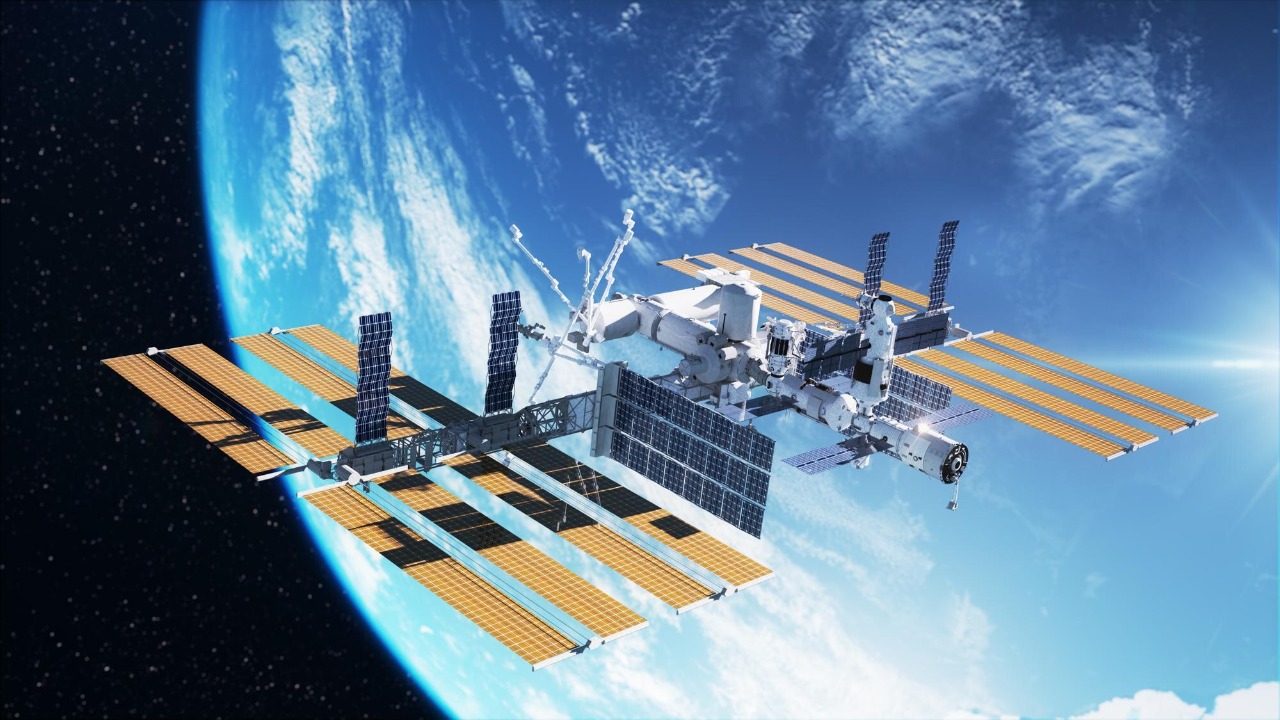

The International Space Station is headed for a controlled death dive into the ocean, not a museum, and that choice is deliberate. After more than two decades of continuous human presence in orbit, NASA plans to guide the complex into a remote stretch of sea rather than risk an uncontrolled fall over populated land. The decision to splash the ISS into the deep is about safety, cost, and clearing the way for a new generation of commercial space stations.
Why the ISS cannot stay in orbit forever
The International Space Station was never designed to be immortal hardware, and its age is now the central factor driving its fate. The International Space Station has supported a continuous human presence for more than 23 years, and with every year in orbit, its modules, trusses, and life support systems face more wear from radiation, micrometeoroids, and simple metal fatigue. NASA’s own planning documents describe how the orbiting laboratory is entering the final phase of its life cycle, with the International Space Station Program expected to wind down once the structure can no longer be maintained safely at reasonable cost.
Engineers can swap out pumps and computers, but they cannot easily replace the core pressure shells and joints that have been in space since 1998, or reverse the cumulative effects of tiny impacts and thermal cycling. As a result, NASA has concluded that the station’s useful life ends around the turn of the next decade, and the agency has formally committed to a controlled deorbit rather than indefinite extensions. In its International Space Station Transition Plan, NASA explains that the aging complex will be guided to a safe reentry corridor once the International Space Station Program concludes, instead of being left to fail piece by piece in orbit.
Why NASA chose a Pacific splashdown instead of leaving it in space
Keeping the ISS in orbit as a ghost station might sound appealing, but it would be a long term liability. Without regular reboosts, the station’s altitude would steadily decay because of atmospheric drag, and at some point gravity would win, pulling the structure down in an uncontrolled reentry. That scenario risks debris scattering over cities or shipping lanes, and it would unfold without the precision that mission planners demand for a structure as large as this one. A deliberate plunge into the ocean, by contrast, lets NASA pick the time, the trajectory, and the impact zone.
NASA’s plan is to steer the ISS into a remote part of the Pacific Ocean that has become an informal graveyard for large spacecraft. The agency has publicly described a controlled descent that ends in a sparsely trafficked region far from land, minimizing any risk to people or infrastructure on the ground. One detailed analysis notes that, rather than letting the station tumble toward Earth on its own, controllers will use propulsion to manage “the path to destruction” so that the breakup and splashdown occur over a preselected corridor in the Pacific Ocean. That approach, outlined in a technical breakdown of how NASA will guide the ISS down to Earth, is the opposite of abandonment: it is an active, tightly controlled endgame.
Point Nemo and the logic of a “spacecraft cemetery”
The chosen splashdown zone is not just any patch of water, it is a place with a specific name and purpose. NASA and its partners intend to target Point Nemo, a spot in the South Pacific that is so remote it is often called the “oceanic pole of inaccessibility.” Point Nemo is farther from land than almost any other point on the planet, which makes it ideal for disposing of large hardware that cannot fully burn up in the atmosphere. Over the years, multiple agencies have used this region as a de facto spacecraft cemetery, sending defunct cargo ships and satellites to their final rest on the seafloor.
In public explanations of the ISS endgame, NASA officials have highlighted Point Nemo as the safest destination for the station’s remains. One detailed overview of the deorbit plan describes how the ISS will be guided toward this remote ocean area so that surviving fragments fall into a part of the Pacific Ocean with minimal human activity. That same reporting explains why Point Nemo was chosen and what happens after the mission ends, including the role of future commercial platforms in low Earth orbit. The description of Point Nemo as the target for the ISS’s final plunge, and the explanation of how NASA will coordinate with partners like SpaceX on a dedicated deorbit vehicle, are laid out in a comprehensive look at Point Nemo and the broader transition.
How the controlled deorbit will actually work
Bringing down a structure the size of a football field is not as simple as firing a single engine burn. The ISS is a sprawling, asymmetric complex, and its reentry must be choreographed in stages so that it stays stable and predictable as it descends. NASA’s transition planning describes a sequence in which visiting spacecraft and a dedicated deorbit vehicle work together to gradually lower the station’s orbit, followed by a final series of burns that commit it to atmospheric entry over the Pacific. The goal is to manage both the timing and the angle of descent so that most of the structure burns up, with only the most robust pieces reaching the ocean.
To achieve that, NASA will rely on propulsion from attached vehicles and from a specialized tug that can provide the extra push needed at the end of the station’s life. Technical breakdowns of the plan describe how controllers will adjust the ISS’s attitude and speed in a carefully calculated “path to destruction,” ensuring that the breakup footprint stays within the designated corridor. The agency’s own FAQ explains that this controlled reentry will allow NASA to guide the station to a remote ocean area instead of leaving its final orbit to chance. In that document, the Transition Plan notes that the International Space Station will be deorbited in a coordinated sequence that ends with a targeted splashdown, and that this approach gives NASA more robust capabilities for deorbit and a safer outcome for people on the ground, as laid out in the Transition Plan.
Why NASA is ending the ISS era around 2030–2031
The timing of the splashdown is not arbitrary, it reflects a balance between squeezing more science out of the station and recognizing the limits of its hardware. NASA has signaled that operations will continue through the end of this decade, with a controlled deorbit planned shortly after. One detailed analysis notes that, by 2031, NASA plans to deorbit the station, citing aging hardware and rising costs as the key drivers. That reporting explains that, although the ISS remains an incredible spacefaring achievement, its days are numbered because the expense of maintaining such an old platform in orbit is climbing while newer options are emerging.
Other accounts frame the timeline slightly differently, pointing to 2030 as the year the International Space Station is expected to begin its final descent. A widely shared explainer notes that the International Space Station is coming down in 2030 and that it is going to crash into the ocean on purpose, emphasizing that this is not an accident but a planned end to a space house that has been in orbit since 1998. Another short video, released in Jun, underscores that the International Space Station is going to crash into the ocean and walks through why that outcome is both inevitable and intentional. Together, these explanations align with NASA’s own statements that the ISS will be retired around the turn of the decade, with a controlled plunge into the Pacific Ocean as the final act, a point also highlighted in coverage that notes that, by 2031, NASA expects the ISS to plunge into the Pacific Ocean.
The safety and environmental calculus behind a splashdown
Guiding the ISS into the ocean is, at its core, a risk management decision. The station is one of the largest human made objects ever placed in orbit, and even if most of it burns up during reentry, some dense components are expected to survive. If those fragments were to fall unpredictably, they could threaten people, aircraft, or critical infrastructure. By steering the station toward a remote patch of the Pacific Ocean, NASA dramatically reduces the odds that any surviving debris will cause harm, trading a small, controlled environmental impact for a major gain in public safety.
Environmental concerns are not ignored in this calculus, but they are weighed against the alternatives. The ocean already hosts the remains of earlier spacecraft, and the incremental impact of additional metal and composite fragments on the deep seafloor is considered manageable compared with the potential consequences of debris landing on land. NASA’s own transition planning emphasizes that the station will be deorbited in a controlled manner to a remote ocean area, and that this approach is consistent with how other large spacecraft have been retired. One detailed explanation of the agency’s plan notes that the long orbiting International Space Station will be officially retired by being guided to the bottom of the Pacific Ocean, reinforcing that the Pacific Ocean splashdown is a deliberate choice to keep people safe while accepting a localized impact on the marine environment, as described in coverage of how NASA will deorbit the ISS in a Pacific Ocean crash.
From government lab to commercial stations: what comes after the plunge
The end of the ISS is not the end of human presence in low Earth orbit, it is a pivot to a different model. NASA’s transition planning makes clear that the agency does not intend to walk away from orbital research; instead, it plans to shift from owning and operating a single massive station to buying services from multiple commercial platforms. The Transition Plan explains that this strategy will allow NASA to focus on deep space missions while relying on private companies to provide laboratory space and crew accommodations closer to Earth. In that vision, the ISS’s retirement frees up funding and attention for Artemis lunar missions and, eventually, journeys to Mars.
Several reports describe how the International Space Station’s final years are being used to seed this commercial ecosystem. NASA is already working with companies that aim to build smaller, more modular stations that can host government astronauts, private researchers, and even tourists. One detailed overview notes that the International Space Station has been in orbit longer than any other crewed platform and that its impending retirement is meant to usher in a new era of privately operated habitats. The same reporting explains that NASA will transition its low Earth orbit activities to these commercial stations, allowing it to maintain a presence in orbit without bearing the full cost of owning the hardware, a shift that is central to the future of NASA’s low Earth orbit strategy.
How NASA is explaining the plan to the public
For many people, the idea of deliberately crashing such an iconic structure is emotionally jarring, so NASA has been working to explain the logic in plain language. Short, accessible videos and social media posts have become key tools in that effort, distilling complex orbital mechanics into simple narratives about safety and renewal. One popular clip released in Jun spells it out bluntly: the International Space Station is going to crash into the ocean, and here is why that is not a disaster but a controlled, necessary step after decades of service. The video walks viewers through the station’s history since 1998 and frames the splashdown as the dignified retirement of a hardworking space house.
Another widely shared reel, also posted in Jun, leans into the same message with a conversational tone. It tells viewers that The International Space Station is coming down in 2030, that it is going to crash into the ocean on purpose, and then adds, “Here’s why,” before explaining the safety and cost reasons behind the decision. By using short, punchy formats on platforms where younger audiences spend their time, NASA and its partners are trying to ensure that the public understands that the splashdown is not a failure but a planned transition. These clips, including a YouTube Short that explains that the International Space Station is going to crash into the ocean and why we have had this space house since 1998, and an Instagram reel that declares that The International Space Station is coming down in 2030 and that it is going to crash into the ocean on purpose, are part of a broader effort to demystify the plan, as seen in the Jun explainer on the International Space Station and the Jun reel that tells viewers “The International Space Station is coming down in 2030! It’s gonna crash into the ocean, on purpose. Here’s why…” with the word Here as the hook.
Why a controlled ocean impact is the safest possible goodbye
When I weigh the options NASA faced, the logic of a controlled splashdown stands out as the least risky and most responsible path. Leaving the ISS in orbit indefinitely would only postpone the problem, not solve it, and would eventually force a crisis when the aging structure could no longer be safely boosted or repaired. Attempting to disassemble and return major components to Earth would be technically complex and extraordinarily expensive, with each large piece requiring its own reentry plan and landing system. By contrast, a single, carefully managed descent into a remote part of the Pacific Ocean concentrates the risk into a narrow window that engineers can model and control.
The agency’s own documents and the independent analyses that echo them all converge on the same core idea: the International Space Station has earned a controlled, predictable end, not a chaotic fall. In the Transition Plan, NASA lays out its vision for how the International Space Station will be deorbited in a coordinated way once the International Space Station Program concludes, using more robust capabilities for deorbit to steer it safely to a remote ocean area. Other detailed reporting reinforces that, by 2031, NASA expects the ISS to plunge into the Pacific Ocean in a planned maneuver, not as a surprise. Taken together, these plans and explanations show that splashing the ISS into the ocean is not a grim finale, but a carefully engineered goodbye that clears the sky for whatever comes next in low Earth orbit, a point underscored in NASA’s Transition Plan and in analyses that note that, But the ISS is nearing the end of its life and NASA, citing aging hardware and rising costs, has chosen a controlled plunge into the Pacific Ocean.
More from MorningOverview