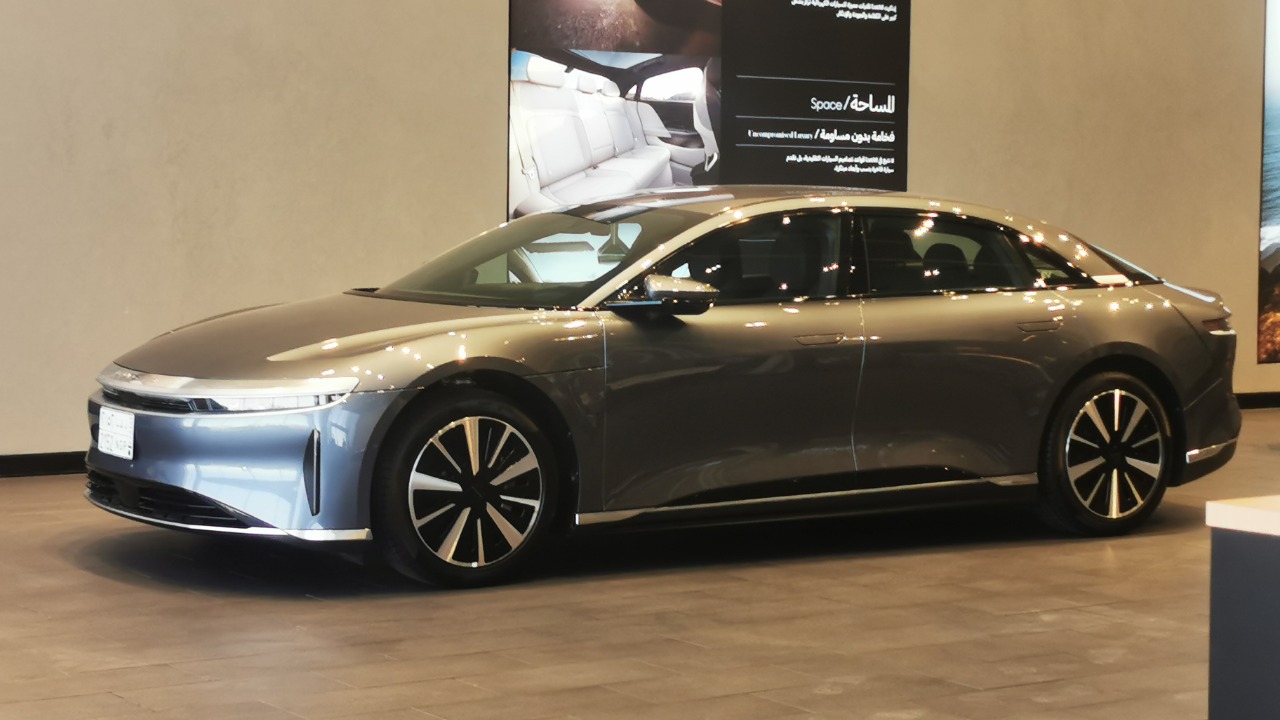

Luxury electric sedans were supposed to be the blue-chip assets of the EV era, but Lucid’s new certified pre-owned effort is exposing how brutally the market marks them down. The company’s own used listings now show nearly new Airs selling for a fraction of their original sticker, turning a flagship status symbol into a case study in how fast high-end EVs can shed value.
By formalizing a used-car channel, Lucid is not just chasing extra sales, it is quietly acknowledging that depreciation has become central to the ownership story. For shoppers, that creates a rare opportunity to buy six-figure engineering at mass-market prices, while for early adopters it raises hard questions about residuals, incentives, and how quickly EV technology is evolving.
Lucid’s Recharged program puts depreciation in black and white
Lucid’s first factory-backed used-car effort, branded Recharged, is structured like a traditional certified pre-owned program but with a distinctly electric twist. The company is taking back low-mileage Air sedans, running them through inspections, and relisting them with warranty coverage that is meant to reassure buyers who might be wary of battery longevity or software quirks. The very existence of this program, described as Lucid’s First Used, Car Program Quietly Admits Its, Depreciate Hard, signals that the brand knows resale values are now a make-or-break factor for many premium buyers.
On Lucid’s own site, the Recharged inventory shows nearly new Airs with steep discounts baked into their asking prices, a public record of how far the cars have fallen from their original MSRP. Those “Big Drops in Year One” are not hidden in backroom trade-in negotiations, they are front and center in the listings, where shoppers can see how quickly a luxury EV can go from aspirational to attainable. By turning that reality into a curated shopping experience, Lucid is trying to control the narrative around depreciation rather than let it play out solely on third-party marketplaces.
Certified pre-owned rules: who qualifies as “Recharged”
Lucid is not accepting every used Air into the fold, and the eligibility rules themselves reveal how the company wants to frame value. Only Lucid vehicles that have had a single owner or lessee and have been driven fewer than 62,000 m can be sold as Recharged, which keeps the pool limited to relatively fresh examples that still reflect the current design and software. That “Only Lucid” language underscores that the brand is curating its own used fleet, not simply rubber-stamping any Air that shows up at a dealer auction.
Each Lucid Recharged certified pre-owned vehicle also carries warranty protection that is designed to blunt fears about long-term reliability. According to program details, Each Lucid Recharged car includes the balance of the original four-year/50,000-mile factory warranty, along with a battery and high-voltage component guarantee, a vehicle history report, and a formal inspection report. Those protections are meant to make a sharply discounted Air feel like a safe bet, even as the price tag reminds buyers how far the car has already fallen from new.
The big drops in year one: nearly new Airs at half price
The most striking part of Lucid’s used-car rollout is not the branding or the warranty, it is the size of the markdowns on cars that are barely out of their first registration. The Recharged inventory highlights “The Big Drops, Year One The” moment when a luxury EV takes its largest hit, with some nearly new Airs listed tens of thousands of dollars below their original window stickers. Those cuts are not subtle, and they align with what independent observers have already been seeing in the broader resale market for premium electric sedans.
Outside analysis of Lucid’s flagship suggests that the Air can lose roughly half of its value within two years, a trajectory that would be eye-watering for any six-figure car. One detailed look at resale trends concluded that “The Lucid Air Loses Half Of Its Value After, Years,” placing the sedan among the most aggressive depreciators in its class and noting that this pattern fits a wider stereotype about luxury EVs dropping quickly in their early life. That same review of Nov, The Lucid Air Loses Half Of Its Value After, Years also points out that many factors go into depreciation curves, from incentives to technology updates, but the headline number is hard to ignore.
Why luxury EVs shed value faster than many gas rivals
Lucid’s experience is part of a broader pattern in which high-end electric cars are depreciating more quickly than many combustion models. Analysts tracking resale performance across fuel types note that, But with all fuel types, depreciation varies by model and market demand, and that EVs in particular are sensitive to shifts in incentives, charging infrastructure, and consumer sentiment. The same overview of But EV depreciation notes that some electric models are now holding their value better than early adopters did, but the spread between winners and losers is wide.
Luxury EVs sit at the sharp end of that spread because they combine high initial prices with rapid technology turnover. A new battery chemistry, a longer-range variant, or a major software upgrade can make last year’s flagship feel dated in a way that a gasoline engine rarely does, especially when over-the-air updates cannot fully close the gap. When those shifts collide with generous new-car discounts or tax credits, the used values of early builds can fall even faster, which is exactly the dynamic Lucid is now trying to manage through its Recharged program.
How Lucid compares with other fast-falling EVs
Lucid is not alone in watching its cars tumble down the depreciation charts, and the company’s used-car strategy needs to be understood in that competitive context. Rankings of the Fastest depreciating cars in 2025 show that several electric models, including mainstream entries, are losing value at a pace that would have been shocking a decade ago. One breakdown of the Dec, Fastest depreciators highlights how quickly some EVs slide from hot new tech to heavily discounted used inventory.
Another look at the same theme, focused on consumer advice, underscores that the cars reported to depreciate the fastest seemed to have one notable thing in common: they were often electric, and often positioned as premium or tech-forward choices. That analysis of Dec, Fastest performers also notes that consumer demand for EVs has cooled in some segments, which can push used prices down further as dealers and automakers try to clear inventory. Against that backdrop, Lucid’s willingness to show big discounts on nearly new Airs looks less like an outlier and more like a reflection of where the segment is heading.
Luxury EVs as “affordable bargains” for second owners
For second owners, the same depreciation that stings early adopters can turn luxury EVs into unexpected deals. A survey of high-end electric models that have already taken their biggest hits describes a group of 10 Luxury EVs, That Have Depreciated Into Affordable Bargains, where buyers can access cutting-edge performance and features for a fraction of the original cost. In that list, a 3 BMW i4 is cited with a Depreciation Over Five Years: 66.8-Percent, a figure that illustrates just how far some premium EVs can fall once the first owner has absorbed the initial drop.
Lucid’s Air is not explicitly grouped in that particular rundown, but its resale trajectory fits the same pattern of steep early losses followed by a plateau at more accessible prices. For shoppers who were priced out of a new Air, the combination of a certified inspection, remaining warranty coverage, and a used price that reflects a 50 percent haircut can be compelling. The broader analysis of Luxury, That Have Depreciated Into Affordable Bargains, BMW, Depreciation Over Five Years, Percent suggests that this is becoming a recognizable niche: luxury EVs as secondhand steals, even if they were financial sinkholes for the first buyer.
What Lucid’s strategy signals about the maturing EV market
By embracing a formal used-car channel, Lucid is acknowledging that the EV market is moving out of its early-adopter phase and into a more traditional, lifecycle-driven business. Residual values, certified programs, and warranty structures are now as important to the brand’s credibility as range figures or acceleration times, because they shape monthly payments and long-term ownership costs. The company’s decision to highlight Recharged inventory, rather than leave resale entirely to third parties, suggests a desire to shape expectations around how quickly an Air will lose value and what support exists for second owners.
I see that as a sign of a maturing segment where depreciation is no longer an awkward side conversation but a central part of the pitch. Lucid’s willingness to show “The Big Drops, Year One The” on its own platform, to spell out that Only Lucid cars with fewer than 62,000 m and a single owner qualify, and to back Each Lucid Recharged example with a four-year/50,000-mile warranty balance, all point to a company trying to normalize the idea that luxury EVs will fall fast, then stabilize. For buyers, that transparency can be both sobering and empowering, turning Lucid’s used-car program into a real-time barometer of how quickly high-end electric technology is being repriced in the real world.
More from MorningOverview