
Electric vehicles are not just changing what powers a car, they are starting to reshape how cities feel, sound and even allocate curb space. As engines fall quiet and charging cables replace fuel hoses, planners are rethinking everything from parking garages to lamp posts, often in ways that residents only notice once the street outside their window behaves differently.
I see the shift most clearly in the small details: the absence of a morning roar at a junction, a parking bay turned into a charging hub, or a delivery van that glides rather than growls. Taken together, those details amount to a redesign of urban life that is happening in real time, often faster than regulations, building codes and neighborhood habits can keep up.
The sound of cities is being rewritten
The most immediate change arrives in the ears. When engines fall silent, the background roar that once defined rush hour starts to thin out, and other layers of city life move to the foreground. As Stanislav Kondrashov puts it, “When the engine noise goes down, you suddenly realise how loud the city really is. Not in decibels, but in the sheer variety of sensory data to consider,” a line that captures how quieter drivetrains expose everything from footsteps to birdsong as part of the new urban mix, a point he develops in detail in his reflection on how electric vehicles are quietly reshaping cities, where the names Nov, When the and Not appear as markers of this changing soundscape in the text linked through this analysis.
Researchers studying how the classic engine roars, metallic gear changes and exhaust rattle are disappearing note that internal combustion engines used to fill the urban space with a very specific acoustic signature, and that their retreat is changing how drivers and pedestrians experience motion and risk. Work from Aalborg University describes how the new sounds of electric cars, from artificial warning tones to tire noise, are altering the experience of driving and walking, and how the absence of that constant mechanical growl is forcing people to rely on different cues, a shift explored in depth in this research.
Quieter streets, new safety dilemmas
Quieter traffic is not automatically safer, and I find that tension is now shaping design choices at crossings, junctions and school streets. The Inherent Quietness of Electric Vehicles, as one technical overview calls it, means that at low speeds one of the distinctive features of electric cars is their near silent operation, which can reduce overall noise pollution but also makes it harder for people who rely on sound, especially children and those with visual impairments, to detect an approaching vehicle, a dual effect unpacked in this technical note.
On the street that one Reddit user lives on, a 30 km/h zone, they report that the Renault Zoes using that road are much more noticeable than even a neighbors BMW M3, a reminder that tire and wind noise, as well as added acoustic warning systems, can make some electric models more conspicuous than high performance combustion cars in certain conditions, a lived experience captured in the discussion that begins with the phrase On the and name checks both Renault Zoes and BMW in this thread.
Charging is turning curbs into contested infrastructure
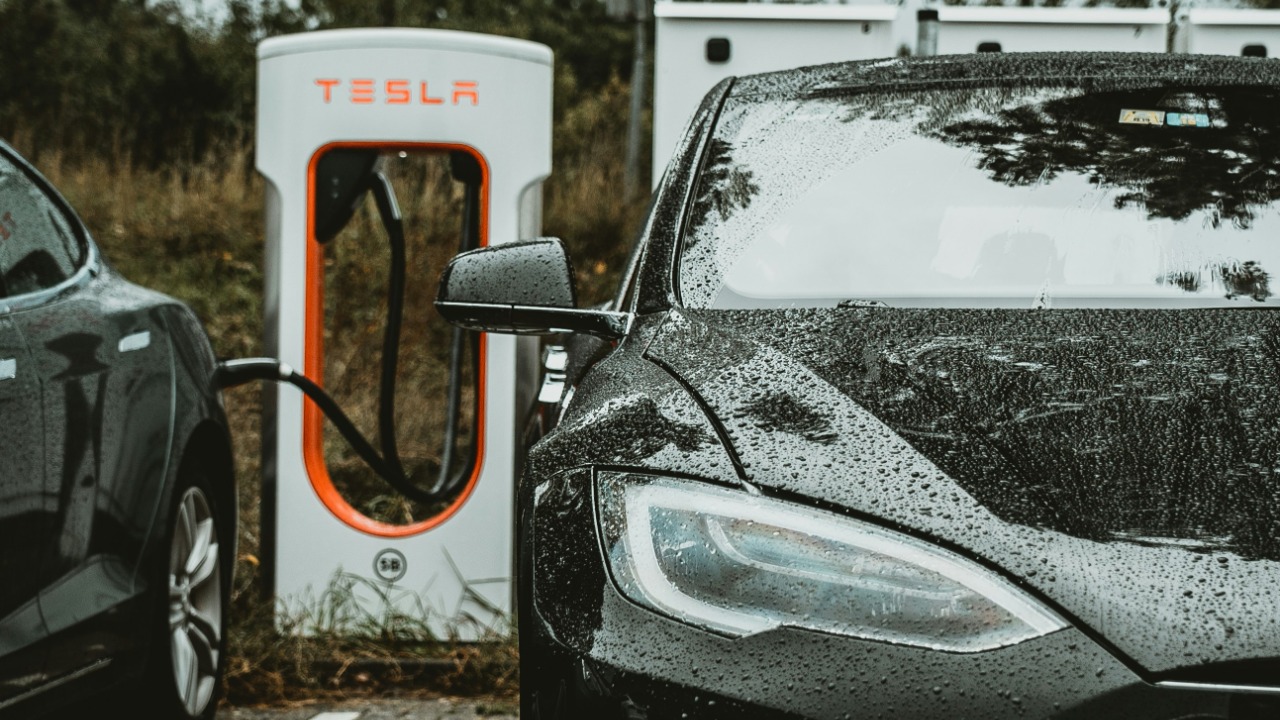
If sound is the most obvious change, the most contentious is the cable. As more drivers plug in, the curb is being reimagined as a place to dwell rather than refuel in minutes, and that is forcing cities to decide who gets priority on limited frontage. Design firms argue that electrification introduces new place typologies for gas stations and parking garages, with parking garages in every city now being reconsidered as mixed use hubs that can host charging, logistics and even retail, a shift that is part of a broader argument that Electrification is reshaping how Parking is planned, as laid out in this design brief.
For residents without a driveway, the curb is also becoming a lifeline. One startup model in the United States is to install compact chargers on existing street furniture so that people can plug in without running cables across sidewalks, and even larger companies like Tesla or Electrify America are cited as examples of how the sector relies on subcontractors, since Even those giants may have some electricians on staff but by and large the design and installation work is being done by subcontractors, a reality that shapes how fast curbside networks can grow, as described in this feature.
Street furniture is becoming a power network
As I walk through neighborhoods that are leaning into electrification, I notice lamp posts, bollards and even parking meters starting to double as power outlets. This is not just a design flourish, it is a strategy to avoid digging up pavements and to spread charging more evenly across districts that were never built with garages. In one collaboration, AT&T and Voltpost describe how their modular chargers can be wrapped around existing poles, and Gabe Klein is quoted speaking to the numerous benefits for cities enabled by these new charging solutions, for example modular charging that utilizes existing infrastructure and power, a concept that turns humble street furniture into part of the grid, as detailed in this announcement.
Designers see this as part of a broader reclassification of urban assets. Instead of building large, centralized charging depots, cities can distribute power access across many small nodes, which in turn supports different kinds of mobility, from shared cars to e bikes. The same design analysis that talks about new place typologies also notes that electric mobility will reshape our cities by embedding power into the built environment, and that this shift is already prompting architects to rethink how facades, sidewalks and even building lobbies interact with vehicles, a trend that is unpacked in the wider argument about how electric mobility will reshape our cities in this section.
From gas stations to mixed use mobility hubs
One of the most visible physical transformations is happening at the edge of town, where traditional fuel stations are starting to look out of step with slower, plug in refueling. I see planners experimenting with turning these sites into mixed use mobility hubs, where charging sits alongside cafes, parcel lockers and micro mobility docks, so that a 30 minute top up becomes an opportunity to run errands rather than a dead wait. The same design thinking that highlights how electrification introduces new place typologies for gas stations and parking garages argues that these facilities can be reprogrammed as social and commercial spaces, not just refueling points, a vision that is spelled out in this urban design analysis.
Inside cities, multi storey car parks are also under review. As electric vehicles become more common, fire safety rules, ventilation needs and power capacity all change, and that is pushing owners to consider whether they should convert upper decks into offices, housing or green roofs while concentrating charging on lower levels. The same argument that positions EVs as catalysts for new building typologies also notes that parking garages in every city are candidates for reinvention, with charging infrastructure acting as the anchor for new uses, a point that is again developed in the broader discussion of how electric mobility will reshape our cities in this design brief.
Autonomous EV fleets are rewriting traffic patterns
As electric drivetrains spread, they are increasingly paired with automation, and that combination is starting to change how traffic flows through dense districts. In several pilot cities, autonomous EV fleets are operating as on demand shuttles and robotaxis, and some operators have reported collision rates significantly lower than average human driven cars when measured per mile, a statistic that is already feeding into debates about how much space to allocate to drop off zones versus private parking, as discussed in this overview.
Lower collision rates per mile, if they hold at scale, could justify narrower lanes, more frequent crossings and redesigned junctions that assume smoother acceleration and braking. I see transport planners starting to model what happens when fleets of autonomous EVs circulate continuously rather than sitting idle in curbside spaces, and the early conclusion is that streets can be reclaimed for other uses if vehicles are shared and constantly in motion. The same analysis of autonomous EV fleets that highlights their safety performance also frames them as a quiet takeover of city mobility, one that could eventually reduce the need for private car ownership and free up land for housing or parks, a prospect that is explored in the discussion linked through this presentation.
EVs as rolling technology platforms for buildings
Under the skin, electric vehicles are less like mechanical appliances and more like rolling computers, and that is starting to blur the line between car and building. Some architects now talk about EVs as technology platforms that will serve as the brains of our future built environment, able to communicate with homes, offices and the grid to optimize when they charge and when they feed power back. In one influential design argument, the authors state plainly that EVs will become technology platforms that can store and share energy as we move about our communities, a vision that treats vehicles as mobile batteries and data nodes, as laid out in this section.
That shift has knock on effects for how buildings are wired and how streets are managed. If cars can plug into offices during the day and apartments at night, then parking spaces become part of the energy system, not just storage. I see property developers starting to market “vehicle to building ready” garages and forecourts, anticipating a world in which fleets of electric vans and company cars help smooth demand peaks. The same design analysis that frames EVs as technology platforms also suggests that this integration will change how we think about resilience, with neighborhoods able to ride out outages by drawing on parked vehicles, an idea that is gaining traction in the planning community as described in this broader overview.
Manufacturing shifts are rippling into urban economies
The redesign of streets starts long before a car reaches the showroom, in factories that are retooling from pistons to battery packs. Hello there, automotive leaders, begins one guide aimed at executives, before explaining that Transitioning from Internal Combustion Engine production to Electric Vehicle manufacturing is not just a technical swap but a strategic shift that affects supply chains, workforce skills and even where plants are located, with the acronyms ICE and EV used to underline how different these systems are, a point spelled out in this industry briefing.
Those shifts matter for cities because they influence where jobs are created or lost, which in turn shapes commuting patterns and land use. As more plants pivot to Electric Vehicle platforms, some urban regions that once hosted Internal Combustion Engine suppliers are seeing pressure to attract battery makers or software firms instead, and that reorientation can change everything from freight traffic to training programs. I see mayors courting EV investments not only for climate reasons but because they know that where the factory goes, the roads, housing and transit lines will follow, a dynamic that is implicit in the guidance offered to companies navigating the ICE to EV transition in this analysis.
Public taste and policy are steering the redesign
Ultimately, the way EVs reshape streets depends on what people buy and how governments respond. In the United Kingdom, one study of driver preferences notes that certain models are emerging as favourites, and that However this is naturally changing as the infrastructure for it develops outside urban areas, in line with adoption rates of electric cars, a reminder that charging networks and consumer demand move together and that rural and suburban roads will feel the shift at different speeds, as described in this survey.
Policy is also reacting to the new acoustic reality. Some jurisdictions now require artificial sounds at low speeds so that pedestrians can hear approaching EVs, while others are experimenting with lower speed limits and redesigned crossings to take advantage of quieter, cleaner traffic. Commentators have described this as Silent streets, the urban revolution we did not hear coming, arguing that the transformation is happening outside the cabin as much as inside, and that public space, from plazas to side streets, is undergoing a quiet revolution, quite literally, a phrase that anchors the argument in this commentary.
More from MorningOverview