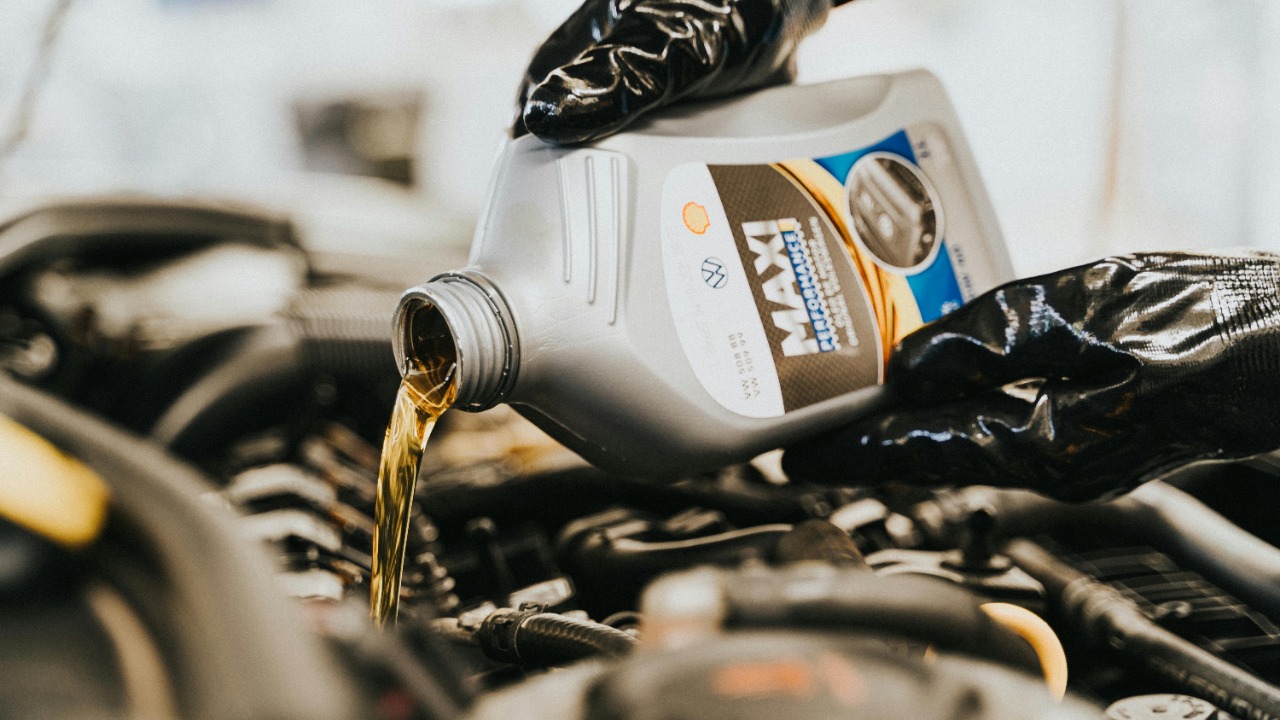

High mileage oil sits in the same aisle as conventional and synthetic, but it promises something different: extra protection for engines that have already lived a long, hard life. I want to unpack what actually changes inside that bottle, how much of the marketing holds up, and when switching formulas genuinely helps an older car instead of just draining your wallet.
At its core, the question is simple: what is different about high mileage oil, and which drivers actually benefit from it? The answer is more nuanced than a simple odometer cutoff, and it depends on how your engine has aged, how faithfully it has been serviced, and what kind of driving it sees now.
What “high mileage” oil really is
High mileage oil is not a mysterious new lubricant, it is motor oil that starts with a conventional or synthetic base and then layers in a more aggressive package of additives tailored to worn engines. Formulators build in extra detergents to keep deposits in check, antioxidants to slow breakdown, and friction modifiers to help older parts slide more easily. As one technical overview of high mileage additives explains, the combination is designed to address problems that show up only after years of use, such as hardened seals and increased blow‑by.
Those seal conditioners are the headline feature. In a fresh engine, rubber and plastic seals around the crankshaft, camshafts, and valve guides are supple enough to keep oil where it belongs, but age and heat make them brittle and shrunken. High mileage formulas use chemicals that gently swell and recondition those seals, which can reduce small leaks and slow oil consumption. A service guide that walks through conditioning seals and reducing oil burn notes that this is how high mileage oil can both prevent and stop small leaks while also cutting down on the blue smoke that signals oil burning in the combustion chamber.
How it differs from regular and synthetic oil
From a distance, a bottle of high mileage oil looks like any other, but the formulation is tuned for engines that are no longer factory‑tight. Standard motor oil is formulated to meet a manufacturer’s viscosity and performance specs for a broad range of engines, while high mileage blends tweak that recipe with more robust detergents, seal conditioners, and sometimes slightly higher viscosities. One consumer guide that asks Do You Really Need High mileage oil explains that unlike basic conventional oil, these formulas are built specifically to offer meaningful advantages for engines that have already accumulated years of wear.
The other key distinction is how high mileage oil overlaps with synthetic. You can buy high mileage blends that are conventional, synthetic blend, or full synthetic, and the choice still has to respect the viscosity and performance level your owner’s manual calls for. A technical comparison of Full Synthetic and High Mileage oils stresses that manufacturer recommendations still come first, and that choosing the right motor oil is essential for maintaining performance, especially when you are trying to balance the benefits of synthetic base stocks with the extra protection that high mileage additives provide.
When experts say to switch
Most high mileage labels highlight a rough odometer threshold, and the industry has largely converged on a similar number. Several technical guides state that high mileage oil is typically intended for vehicles with more than 75,000 miles on the clock, and some product lines describe it as the default choice once a car crosses that mark. Another advisory on whether Is Oil for High mileage engines worth buying notes that high mileage oil is typically used for engines with at least 75,000 m of use, reinforcing that this is the common cutoff baked into marketing and service recommendations.
That odometer figure is not the whole story, though. A technical explainer that asks When to start using high mileage oil notes that Many experts recommend using high‑mileage oils after 75,000 miles, but it also stresses that you should look at factors like oil consumption, leaks, and whether the engine is struggling to maintain proper oil pressure. In other words, a well‑maintained 2018 Toyota Camry that has spent its life on the highway might not need a special formula at 80,000 miles, while a 2010 Ford Escape that has seen short trips and infrequent oil changes could benefit from the extra detergents and seal conditioners even a bit earlier.
What high mileage oil actually does inside an old engine
Once you pour it in, high mileage oil goes to work on several fronts that matter more as an engine ages. The detergents and dispersants help keep sludge and varnish from building up in narrow oil passages, which is critical in engines that have already seen years of heat cycles. A detailed breakdown of High mileage motor oil notes that these products are designed for vehicles with significant wear, including those that have gone several years without regular maintenance, and that the enhanced additive package is meant to stabilize oil performance in that harsher environment.
The seal conditioners are the other major piece of the puzzle. As rubber ages, it shrinks and cracks, which opens up tiny pathways for oil to seep out or be sucked into the combustion chamber. High mileage oil uses chemistry that can gently swell those seals back toward their original dimensions, which can reduce weeping around gaskets and cut down on oil burn‑off. A technical Q&A that asks What makes high mileage engine oil different explains that these oils include seal conditioners and other additives that do a lot to protect engines that have already accumulated years of wear, and that this is the key distinction from regular formulations.
The two schools of thought on switching
Even among professionals, there is no single doctrine on when to move an older car to a high mileage formula. One camp argues that you should switch as soon as the odometer crosses the typical threshold, on the theory that early use of seal conditioners and extra detergents can slow the onset of leaks and sludge. A technical advisory that asks Should you switch to high mileage oil notes that There are two schools of thought about using high‑mileage oils, and it describes this proactive approach as a way to start protecting seals and internal components before problems become obvious, much like replacing worn door handles before they fall off.
The other school of thought is more conservative and says you should wait until the engine shows specific symptoms that high mileage oil is designed to address. That means switching only when you notice small oil spots under the car, a gradual increase in oil consumption between changes, or a drop in oil pressure that is not explained by mechanical damage. The same Q&A on There being two schools of thought emphasizes that both approaches can be valid, and that the right choice depends on how your particular engine has aged and how closely you have stuck to its maintenance schedule.
Is it a gimmick or genuinely useful?
Because high mileage oil costs more than basic conventional, it is often accused of being little more than a marketing upsell. Some drivers and even a few technicians see the label as a way to charge extra for what they assume is the same product in a different bottle. Yet when you look at the chemistry and the way older engines behave, there is evidence that the extra additives can deliver real benefits in the right situations. A technical explainer that asks whether Enter high mileage oil for older engines points out that older engines are more open internally, with larger clearances and more blow‑by, and that a formula tuned for those conditions can help maintain oil pressure and reduce leaks.
Mechanics who see high mileage engines every day often echo that nuance. In one Comments Section discussion, a technician posting as imprl59 notes that high mileage oil does have more seal conditioners and that it can definitely help with seals that are starting to weep, while also cautioning that it is not a cure‑all for engines with serious mechanical wear or race specifications. That perspective lines up with more formal guidance that high mileage oil is worth its cost for vehicles with more than 75,000 miles that are showing mild symptoms, but that it will not reverse damage like worn piston rings or scored cylinder walls.
Real‑world benefits and limits
In practice, the benefits of high mileage oil tend to be incremental rather than dramatic. Drivers who switch in response to small leaks or rising oil consumption often report that the problem slows or stabilizes, not that it disappears overnight. A video explainer that asks Is a High-Mileage Motor Oil Right for You? shows host Len looking at an odometer riddled with check marks all the way across and noting that it does not stop at 100, 000 miles, it just keeps going, which is a reminder that high mileage oil is about helping an already high‑mileage engine keep going a bit longer rather than transforming it back into new condition.
There are also limits to what any oil can do. If a 2008 Honda Accord is burning a quart every 300 miles because its piston rings are worn, no additive package will restore the metal surfaces, and a thicker high mileage oil might only mask the symptoms briefly. A technical guide that asks HIGH MILEAGE OIL WORTH explains that while high mileage oils can improve fuel efficiency and keep older engines performing efficiently for longer, they are designed to support engines that are fundamentally sound but worn, not to replace mechanical repairs that have become unavoidable.
How to decide if your car actually needs it
For a driver trying to make a decision in the service bay, the most useful approach is to look at symptoms and history rather than just the odometer. If your 2012 Subaru Outback has over 75,000 miles, leaves a few drops of oil on the driveway, and needs a top‑off between changes, a high mileage formula is a reasonable next step. A service guide that asks The Pros and Cons of High mileage motor oil notes that these products are especially helpful for vehicles that have gone several years without regular maintenance, where internal deposits and hardened seals are more likely to be an issue.
On the other hand, if you have a 2019 Mazda CX‑5 with 90,000 highway miles and a thick folder of oil change receipts, there may be little to gain from switching away from the full synthetic the manufacturer specifies. A consumer guide that frames the choice as Which is Better for Your Vehicle emphasizes that you should always use the viscosity and performance level the manufacturer recommends, and that regular maintenance with the right oil often does more for longevity than chasing specialized formulas. In that scenario, staying with a high‑quality synthetic that meets the original spec may be the smarter move unless and until the engine starts to show the specific issues high mileage oil is designed to address.
Cost, value, and how long you plan to keep the car
High mileage oil usually costs more per quart than basic conventional and sometimes even more than mid‑tier synthetics, so the value calculation depends on how long you plan to keep the vehicle and what problems you are trying to prevent. A detailed breakdown that asks whether Is Oil for High mileage engines worth buying notes that these products include seal conditioners to reduce leaks and are typically used once an engine has at least 75,000 m, but it also frames the decision in terms of whether the extra cost is justified by the potential to avoid more expensive repairs.
If you are planning to drive a 2010 Chevrolet Impala until it dies, spending a few extra dollars per oil change on a formula that might slow leaks and keep oil pressure stable is easier to justify. A technical advisory that asks MILEAGE OIL WORTH notes that Traditionally, vehicles with over 75 thousand miles are the main candidates, and that the goal is to keep them performing efficiently for longer. If, instead, you are about to trade in a high‑mileage car within a year, the marginal benefit of switching formulas may be small compared with simply sticking to timely oil changes with the correct viscosity and specification.
More from MorningOverview