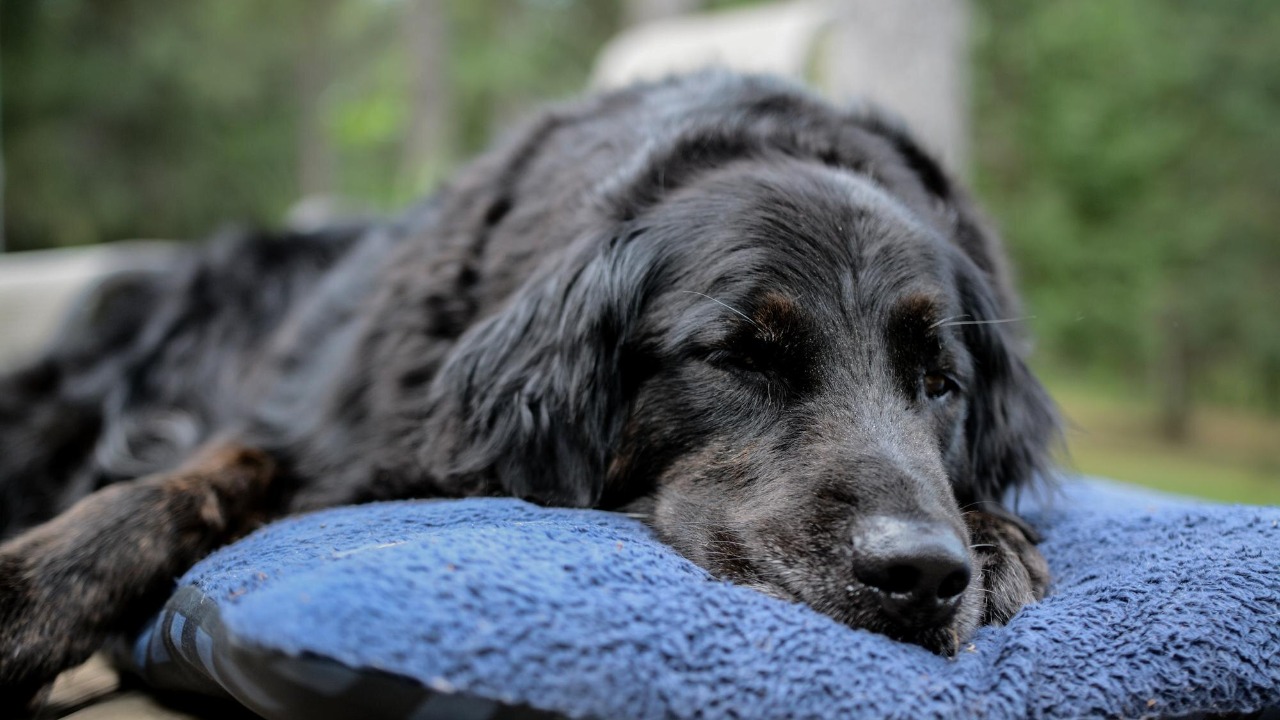

Dog dementia is not a rare curiosity, it is a common age-related brain disease that quietly affects a large share of senior pets. As dogs live longer, more families are discovering that their once-sharp companion is suddenly pacing at night, getting lost in familiar rooms, or forgetting house training. I want to walk through the early clues, how the condition progresses, and what practical steps can keep an affected Dog more comfortable for longer.
What dog dementia actually is
Veterinarians usually call dog dementia “canine cognitive dysfunction” or CDS, a degenerative brain condition that closely resembles Alzheimer disease in people. In affected dogs, nerve cells in the brain gradually deteriorate, which leads to problems with memory, learning, awareness and sleep, so a previously confident pet may start to act confused or forgetful in everyday situations, much like a person with Alzheimer. Clinical descriptions of canine cognitive dysfunction (often shortened to CCD) describe it as a progressive syndrome that is similar to dementia in humans, with overlapping changes in behavior and brain structure.
On a microscopic level, Research into CDS has found that dogs with this condition have fewer neurons and brains that have physically shrunk, or atrophied, compared with healthy seniors. One veterinary clinic notes that Research has shown that dogs with CDS have atrophied brains and reduced neuron numbers, which helps explain why the changes are usually permanent and slowly progressive rather than something a dog simply “snaps out of.” That is why experts treat CDS as a medical diagnosis rather than just “old age,” and why early recognition of the signs matters so much for quality of life.
Why it is more common than most owners think
Most people expect some slowing down as their dog ages, but they often underestimate how frequently that slowdown is driven by CDS rather than normal senior quirks. Cognitive dysfunction affects ageing pets broadly, and guidance on Dementia in pets describes it as a condition of older animals that causes memory problems, confusion, anxiety and changes in social interaction. Because those signs can be subtle at first, families may chalk them up to stubbornness or poor training, which delays diagnosis and support.
Veterinary neurologists stress that CDS may begin with just one odd behavior and then accumulate more signs over time. The Riney Canine Health Center explains that CDS may start as one Clinical sign and then progress to several apparent signs as the disease advances, which means a dog who only seems a bit disoriented this year may show house soiling, sleep disruption and anxiety a year or two later. Because the onset is gradual, many owners only recognize in hindsight how common and impactful the condition has become in their dog’s daily life.
The DISHAAL checklist: core behavior changes to watch
To make sense of the many small changes that come with dog dementia, behavior specialists often use the DISHAAL acronym, which stands for Disorientation, changes in social Interactions, Sleep-wake cycle changes, House soiling, changes in Activity, Anxiety and Learning or memory problems. Educational material on the Signs of Dog Dementia explains that The DISHAAL framework helps owners and vets organize what they are seeing, from getting stuck behind furniture to forgetting familiar commands. I find that once people hear this list, they suddenly recognize several items that have been creeping into their dog’s routine.
Each letter in DISHAAL points to a cluster of behaviors that can be tracked over time. For example, disorientation might show up as staring at walls or walking in circles, while the “L” for learning and memory covers things like failing to respond to a name or struggling with new cues. When I talk to owners, I encourage them to jot down which DISHAAL categories they are noticing, because that record can be invaluable when they sit down with a vet to discuss whether these patterns fit canine cognitive dysfunction or another medical problem.
Disorientation and getting “lost” in familiar places
One of the earliest and most striking signs of CDS is disorientation, when a dog seems confused in spaces it has known for years. Clinical descriptions of cognitive dysfunction list disorientation as getting lost in familiar environments, staring blankly at walls or into space, or walking in circles without purpose. The Dog Aging Project notes that Disorientation (staring blankly at walls or walking in circles) is a key behavioral change in older dogs, and that these patterns are different from a young dog’s occasional daydreaming or play.
Owners often describe their pet wandering aimlessly, especially at night, or walking to the hinge side of a door and then freezing because they cannot figure out how to get through. Veterinary guidance on Disorientation and pacing lists behaviors such as Paces, Wanders and Becomes stuck on the wrong side of doors or behind furniture, while another resource on wandering aimlessly at night notes that affected Dogs may also forget tricks or previously known cues. When I hear about a senior dog suddenly standing in a corner, unable to back out, that is a classic red flag that the brain’s internal map is starting to fail.
Sleep, house training and other daily routines that suddenly fall apart
Another cluster of signs that catches families off guard involves basic routines that once ran like clockwork. Dogs with cognitive dysfunction may start waking in the small hours, pacing or vocalizing, then sleeping more during the day, a pattern that mirrors “sundowning” in human dementia. A hospice veterinarian, Dr. Mavi Graves, writes as a Written account by Mavi Graves that Behavioral Changes Matter because they reflect shifts in memory, awareness and learning, and she describes Caring Pathways Veterinarian visits where dogs are restless in the evening and cannot settle even in familiar homes.
House training can also unravel, which is distressing both for the dog and the people cleaning up. Guidance on Symptoms of canine Cognitive dysfunction lists house soiling, changes in sleep and Aggression or other changes in behaviour among the common problems seen in affected dogs. When a dog that has been reliably clean indoors for a decade suddenly starts urinating in the hallway or seems unaware it is defecating, that is not a training failure, it is a sign that the brain circuits that link sensation, memory and habit are breaking down.
Social withdrawal, anxiety and personality shifts
Beyond the obvious accidents and pacing, dog dementia often shows up as a subtle personality change. A once-affectionate pet may start to avoid touch, hide in quiet rooms or seem indifferent to greetings, while others become clingier or more vocal. The charity guidance on What dementia in pets looks like notes that CDS affects memory, confusion, anxiety and social interaction, so a dog might either withdraw from family life or become unusually anxious when left alone.
Veterinary behaviorists also warn that some dogs with CDS develop irritability or even aggression, especially if they are startled or handled when they are confused. The detailed overview of Common Signs of Dementia in senior dogs lists changes in interaction, new fears and other symptoms of dementia that may include restlessness and altered responses to family members. When I hear about a gentle dog suddenly growling when someone approaches its bed, I consider whether pain, sensory loss or cognitive decline might be making the world feel unpredictable and frightening.
How vets diagnose CDS and rule out other problems
Because so many medical issues can mimic dementia, from arthritis pain to vision loss, a proper veterinary workup is essential before anyone labels a dog with CDS. Neurology specialists describe Disorientation, getting lost in familiar places, changes in interactions and struggling to learn new ones as hallmark Clinical signs, but they also emphasize that blood tests, imaging and sensory exams are needed to exclude other diseases. I always urge owners to bring a detailed behavior log and even smartphone videos to that appointment, because dogs often act more “normal” in the exam room than they do at 2 a.m. in the hallway.
Some clinics use structured questionnaires based on the DISHAAL categories to score a dog’s cognitive function and track changes over time. A hospice-focused practice that asks, Does My Senior Dog Have Canine Cognitive Dysfunction, lists CCD signs such as getting stuck, changes in social interaction and losing their sense of time, and encourages owners to discuss these patterns with their vet. In some cases, advanced imaging like MRI can show brain atrophy, but in everyday practice, the diagnosis is usually based on age, behavior history and the exclusion of other causes.
Managing dog dementia at home: routines, environment and enrichment
There is no cure for CDS, but there is a lot that owners can do to make life easier and more enjoyable for an affected dog. Consistent routines, predictable environments and gentle guidance can reduce anxiety and confusion, while mental and physical enrichment help keep remaining brain circuits active. A practical guide on managing dog dementia describes how Disorientation, Paces and Wanders can be eased by keeping furniture layouts stable, using night lights and guiding dogs calmly when they become stuck or seem lost.
Simple changes like blocking off stairs, adding non-slip rugs and using baby gates to prevent a confused dog from wandering into unsafe areas can make a big difference. Advice on Signs and symptoms of dementia highlights Restlessness and Your pet wandering around the house without settling, which can be softened by providing cozy, easily accessible beds in quiet corners and offering short, frequent walks instead of long, exhausting outings. I also encourage puzzle feeders, scent games and gentle training refreshers, because even if a dog cannot master new tricks, the process of trying engages the brain and can be deeply satisfying.
Medication, diets and supplements that may help
Alongside environmental changes, veterinarians may recommend medications or special diets that support brain function or reduce anxiety. Some prescription drugs are designed to improve blood flow in the brain or modulate neurotransmitters, which can sharpen awareness and reduce pacing in certain dogs. Educational material on Recognizing and managing dog dementia notes that Disorientation, Paces, Wanders, Becomes stuck and Seems less responsive can sometimes be improved with targeted therapies, especially when started early in the course of the disease.
Dietary strategies often focus on antioxidants, omega-3 fatty acids and medium-chain triglycerides, which have been studied for their potential to support ageing brains. While not every dog responds dramatically, some owners report better alertness and engagement after switching to a veterinary-recommended cognitive support diet. A broader overview of dementia in dogs points out that Getting older is tough on pets and people alike, but that with the right combination of nutrition, routine and medical care, many dogs continue to enjoy their senior years despite a dementia diagnosis.
Exercise, walks and the surprising power of movement
Physical activity is not just good for joints and waistlines, it may also lower the risk or slow the progression of cognitive decline in dogs. An analysis of ageing pets notes that Dogs can get dementia but lots of walks may lower the risk, and it describes how Dogs interactions with people and their environment during walks provide rich mental stimulation. I often see that even short, gentle strolls where a senior dog is allowed to sniff and explore at its own pace can brighten mood and reduce restlessness later in the day.
For dogs already living with CDS, movement can help manage anxiety and sleep problems, as long as it is tailored to their physical abilities. A dog that Paces and cannot settle indoors may relax after a calm loop around the block, while one that startles easily might prefer quiet routes away from traffic. I encourage owners to think of walks as “brain time” rather than just bathroom breaks, using varied routes, safe social encounters and scent games to keep the ageing mind engaged without overwhelming it.
When dementia reshapes end-of-life decisions
As CDS progresses, families often face difficult choices about how long to continue intensive care and when a dog’s suffering outweighs its good days. Hospice veterinarians like Caring Pathways Veterinarian Dr. Mavi Graves, who is Written as Mavi Graves, Caring Pathways Veterinarian, describe Common Signs of Dog Dementia such as sundowning in the evening, and they emphasize that quality-of-life scales can help owners weigh factors like pain, anxiety, appetite and engagement. I have seen how structured checklists can turn a vague sense of “she is not herself” into a clearer picture of whether a dog still finds joy in daily life.
Veterinary teams also stress that caring for a dog with advanced dementia can be emotionally and physically exhausting for humans, especially when sleep is disrupted or accidents are constant. A neurologist from Southeast Veterary Neurology, Dr. sheena Senil, explains in a video on Cognitive Dysfunction Syndrome in pets that families should watch for signs like losing their sense of time and becoming distressed in once-comfortable settings, and she encourages honest conversations about what level of care is sustainable. I believe that framing euthanasia as a compassionate option when suffering can no longer be adequately relieved is one of the hardest but most loving decisions an owner can make.
How to start the conversation with your vet today
If any of these signs sound familiar, the next step is not to panic but to document and discuss. I recommend keeping a simple diary for two weeks, noting episodes of disorientation, accidents, sleep disruption, changes in appetite or social behavior, and then bringing that record to your veterinarian. A practical guide that asks, Dog Dementia: How to spot symptoms, points out that Your dog may start to lose interest in play or seem confused by simple routines, and it stresses that these are reasons to book an appointment rather than wait and see.
During that visit, be prepared for your vet to ask detailed questions, run blood and urine tests, and possibly suggest imaging or referral to a neurologist. A neurologist from Southeast Veterary Neurology, featured in a talk on how to spot the signs of cognitive dysfunction, underscores that early recognition allows for earlier support, which can slow decline and improve comfort. I have seen that when owners treat odd behaviors as medical clues instead of misbehavior, dogs with dementia are far more likely to get the help they need, from pain relief and anxiety management to environmental tweaks that make every remaining day a little easier.
More from MorningOverview