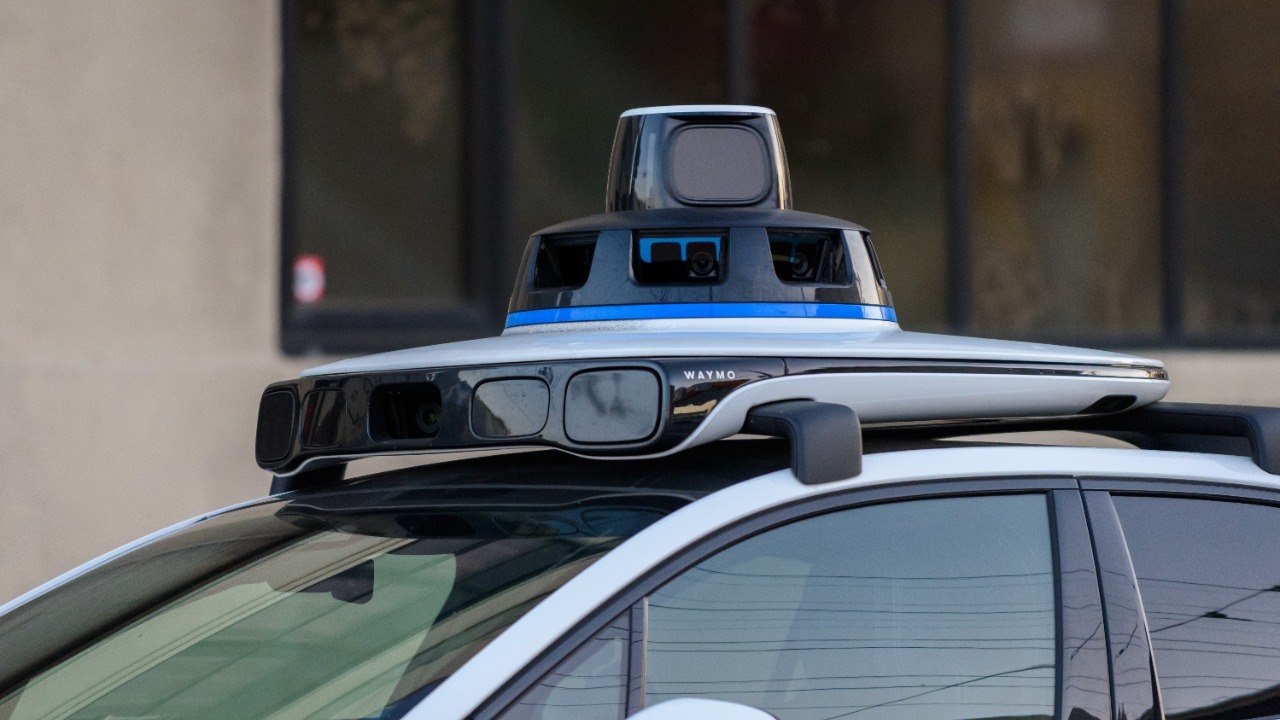

When a massive blackout swept across San Francisco, the city’s experiment with driverless taxis suddenly became a very physical problem in the middle of the street. Several Waymo cars stalled in intersections, their hazard lights blinking as confused human drivers tried to edge around them and pedestrians filmed the gridlock on their phones. The outage turned a futuristic convenience into an unexpected stress test for how autonomous systems behave when the real world stops cooperating.
I watched the fallout unfold as videos of stranded robotaxis ricocheted across social media and officials scrambled to restore power to tens of thousands of homes and businesses. The blackout did not just darken traffic lights, it exposed how deeply services like Waymo are now woven into San Francisco’s basic infrastructure, and how fragile that integration can look when the grid fails.
How a citywide blackout turned intersections into test labs
The chain reaction started with the power grid, not the cars. On Saturday, On Saturday, a massive outage left more than 130,000 homes and businesses without electricity in San Francisco, plunging large swaths of the city into darkness and knocking out traffic signals at key intersections. Utility officials later said that About 15,000 customers were still without power by Sunday, underscoring how extensive the damage was to a Pacific Gas and Electric Company substation. The power outages began around 1:09 p.m. Saturday and peaked roughly two hours later, affecting about 130,000 customers across at least seven cities, which meant the disruption was regional, not just a quirky San Francisco problem.
In that environment, every traffic light that went dark became a stress test for both human drivers and autonomous systems. San Francisco is used to outages, but not ones that simultaneously knock out signals across major corridors while Hundreds of Google Waymo vehicles are circulating. The blackout hit a city where San Francisco has already been debating how aggressively to embrace robotaxis, and suddenly the question was not abstract. It was sitting in the middle of the road, blinking its hazard lights and refusing to move.
Waymo cars stall in the middle of San Francisco streets
As the grid failed, the most visible symbol of the disruption was not a dark skyscraper but a line of driverless cars stuck in live traffic. Several of Waymo autonomous vehicles were seen stranded in the middle of San Francisco streets, some blocking lanes in busy downtown corridors while their software tried to interpret intersections with no working signals. Videos captured clusters of cars frozen at crosswalks and in turn pockets, creating what looked like a robotic traffic jam in areas of downtown San Francisco that were already struggling with the outage. In one widely shared clip, three vehicles appeared to be in a kind of mechanical standoff, each waiting for a signal that never came.
Those scenes were not isolated. Social media clips showed chaos as Hundreds of Google Waymo self-driving cars were reported stranded across the city, with at least one rider describing how his trip stopped in front of a very dense intersection and did not resume until he was manually rescued. Several riders said they were only a minute away from their destinations when their cars froze, underscoring how quickly the system shifted from seamless to stuck. For people on the ground, the blackout was no longer just a utility failure, it was a sudden experiment in what happens when a fleet of autonomous vehicles loses one of its key environmental cues.
Viral videos and a three-car “standoff”
The public first grasped the scale of the problem through short, shaky videos rather than official statements. Clips posted from downtown showed Waymo cars stopped in intersections with their lights flashing, while human drivers tried to weave around them and pedestrians shouted directions that the vehicles could not understand. One Instagram reel, shared widely, showed three Waymo self-driving cars facing each other in an apparent standoff, each one inching forward and then stopping again as if trapped in a logic loop. The scene looked less like a polished tech demo and more like a debugging session playing out in real traffic.
Those images quickly shaped the narrative of the day. In a city where residents are already divided over robotaxis, the sight of three cars locked in place at a dead intersection became a shorthand for the limits of the technology. The video of the three #Waymo #selfdriving cars in an apparent standoff, reposted with the caption that it unfolded during a power outage on Saturday that impacted more than one neighborhood, crystallized the sense that the system had not been designed for this kind of cascading failure. It was a reminder that even the most advanced perception stack still has to make decisions in messy, analog conditions that do not always match the training data.
Traffic jams, blocked intersections and frustrated riders
On the street, the consequences were immediate and tangible. Drivers reported that stalled robotaxis blocked intersections, forcing other vehicles to squeeze past or wait while the gridlock cleared. In some neighborhoods, multiple Waymo cars ended up stopped near each other, amplifying the disruption and turning already congested corridors into bottlenecks. Company officials later acknowledged that some vehicles had blocked intersections, causing traffic jams that rippled through nearby blocks as the blackout dragged on. For people trying to get across town, the combination of dark signals and immobile robotaxis turned a normal weekend into a slow-motion obstacle course.
Inside the cars, riders found themselves in a strange limbo. One passenger told reporters he was only a minute away from his destination when the vehicle stopped in front of a very dense intersection and refused to proceed, leaving him to wait until a support team could manually intervene. Others described trips that were successfully completed before their vehicles pulled over and shut down, as the company tried to get its fleet out of active traffic. Waymo later said that the majority of active trips were successfully completed before vehicles were safely returned to depots or parked, but for the people who were stuck in the middle of the road, that statistic was little comfort in the moment.
Waymo’s emergency pause and cautious restart
Faced with mounting videos and growing frustration, Waymo moved quickly to halt its service. The company said it had temporarily suspended its robotaxis in Mission and San Francisco, telling riders that trips were unavailable while the blackout continued. In a message to users, Waymo emphasized that it had paused operations out of an abundance of caution and that it was working to safely remove vehicles from the streets. The decision effectively turned off one of the city’s most visible tech experiments just as residents were grappling with a more basic question of when their lights would come back on.
By the next day, the company was already trying to reset the narrative. Executives announced that they were resuming ride-hailing service in the San Francisco Bay Area, describing the blackout as a widespread utility outage that had affected multiple cities. They stressed that the majority of active trips had been completed before the pause and that vehicles had been safely returned to depots or parked for the rest of the day on Sunday. In their public statements, Waymo leaders said they were focused on rapidly integrating the lessons learned from this event and were committed to earning and maintaining public trust as the service scaled back up.
What the blackout revealed about robotaxi design
From a technical perspective, the outage exposed a blind spot that goes beyond any single company. Waymo’s vehicles rely on a mix of sensors, high-definition maps and traffic signal data to navigate, but the blackout created a scenario where traffic lights were dark or flashing and the usual patterns of human driving behavior broke down. In some cases, the cars appeared to default to a conservative fail-safe, stopping in place rather than attempting to negotiate an un-signaled intersection. That choice may have been safer in a narrow sense, but it also turned the vehicles into obstacles that other drivers had to work around.
Waymo has framed the incident as a learning opportunity, saying that while the failure of the utility infrastructure was significant, it is committed to ensuring its technology adjusts to such events in the future. The company said it is reviewing how its systems interpret intersections when signals are offline and how quickly it can reroute or pull over vehicles when citywide conditions change. For regulators and city planners, the blackout raised a broader question: if autonomous fleets are going to share the road with human drivers, they need to be robust not just to sensor glitches but to systemic shocks like grid failures, wildfires or earthquakes that can scramble the entire operating environment in minutes.
Public trust, local politics and the Mission Street flashpoint
In San Francisco, every robotaxi incident lands in a political context that is already charged. Residents in neighborhoods like the Mission have complained for months about clusters of driverless cars clogging narrow streets, double parking or hesitating at complex intersections. When the blackout hit and Waymo cars stalled in those same corridors, it reinforced a sense among some locals that they were being used as a test bed for technology that was not fully ready. Want the latest on the Mission and San Francisco? Sign up for our free daily newsletter below, one local outlet urged readers, reflecting how closely the community is tracking each new twist in the robotaxi rollout.
City officials have been trying to balance enthusiasm for innovation with concerns about safety and congestion. The blackout gave critics fresh ammunition, as videos of blocked intersections circulated alongside long-standing complaints about noise, privacy and job displacement for human drivers. Supporters of the technology countered that the outage was an extraordinary event triggered by a utility failure, not a normal operating condition, and that human drivers also struggled at dark intersections. Still, the optics of gleaming white Waymo cars frozen in the middle of the road while traffic lights blinked uselessly above them were hard to ignore.
San Francisco’s grid, PG&E and the limits of tech optimism
The incident also highlighted a tension that often gets glossed over in tech-forward cities: cutting-edge services still depend on aging infrastructure. The blackout that darkened San Francisco started with extensive damage at a Pacific Gas and Electric Company substation, which left large parts of the city without power for hours. Utility officials said the cause of the outage was still under investigation, but they described the damage as extensive and warned that some repairs could take time. Power has been restored to most customers, but the fact that About 15,000 were still in the dark by noon Sunday underscored how vulnerable the grid remains.
For a service like Waymo, that fragility is not an abstract risk. The power outages began around 1:09 p.m. Saturday and peaked roughly two hours later, affecting at least seven cities and forcing the company to make real-time decisions about whether to keep cars on the road. A massive outage left more than 130,000 homes and businesses without power in San Francisco, and in the wake of the outage, self-driving cars stalled in the road as their systems confronted conditions they had not fully anticipated. The episode was a reminder that no matter how advanced the software, it still runs on top of physical systems that can fail in messy, unpredictable ways.
Where Waymo and San Francisco go from here
In the days after the blackout, Waymo tried to project confidence while acknowledging that it has work to do. The company said it is focused on rapidly integrating the lessons learned from the event, including how to better detect and respond to widespread infrastructure failures. Executives emphasized that while the failure of the utility infrastructure was significant, they are committed to ensuring their technology adjusts to such events and to earning and maintaining public trust. They also noted that the majority of active trips were successfully completed before vehicles were safely returned to depots or parked, arguing that the system behaved conservatively in a chaotic situation.
For San Francisco, the question is whether residents will accept that explanation or see the blackout as a turning point. Videos that showed Waymo cars stuck at San Francisco intersections during the massive power outage have already become part of the city’s ongoing debate over how far and how fast to embrace autonomous vehicles. Regulators will likely press for clearer protocols on how robotaxis should behave when traffic signals fail, and community groups in neighborhoods like the Mission are unlikely to let the issue drop. The next time the lights go out, people will remember the sight of driverless cars blinking in the dark, and they will expect both the grid and the algorithms to be better prepared.
Global spotlight on a local failure
What happened in San Francisco did not stay local for long. International coverage highlighted how Hundreds of Google Waymo self-driving cars were affected, framing the incident as a cautionary tale for cities around the world that are considering similar deployments. Social media clips showed chaos at intersections, with some riders saying their cars would not move until they were manually rescued, and those stories resonated far beyond the Bay Area. For global audiences, the blackout was less about the specifics of the PG&E substation and more about the broader question of how resilient autonomous systems really are.
At the same time, the episode offered a kind of stress test that no controlled pilot could replicate. Several of Waymo vehicles were caught on camera in downtown San Francisco, their behavior scrutinized frame by frame by both critics and engineers. Videos show Waymo cars stuck at San Francisco intersections during the massive power outage, and those images will likely feed into technical postmortems, regulatory hearings and neighborhood meetings for months to come. If the city and the company can translate that uncomfortable spotlight into concrete improvements, the blackout may ultimately accelerate the maturation of both the grid and the robotaxis that depend on it.
More from MorningOverview