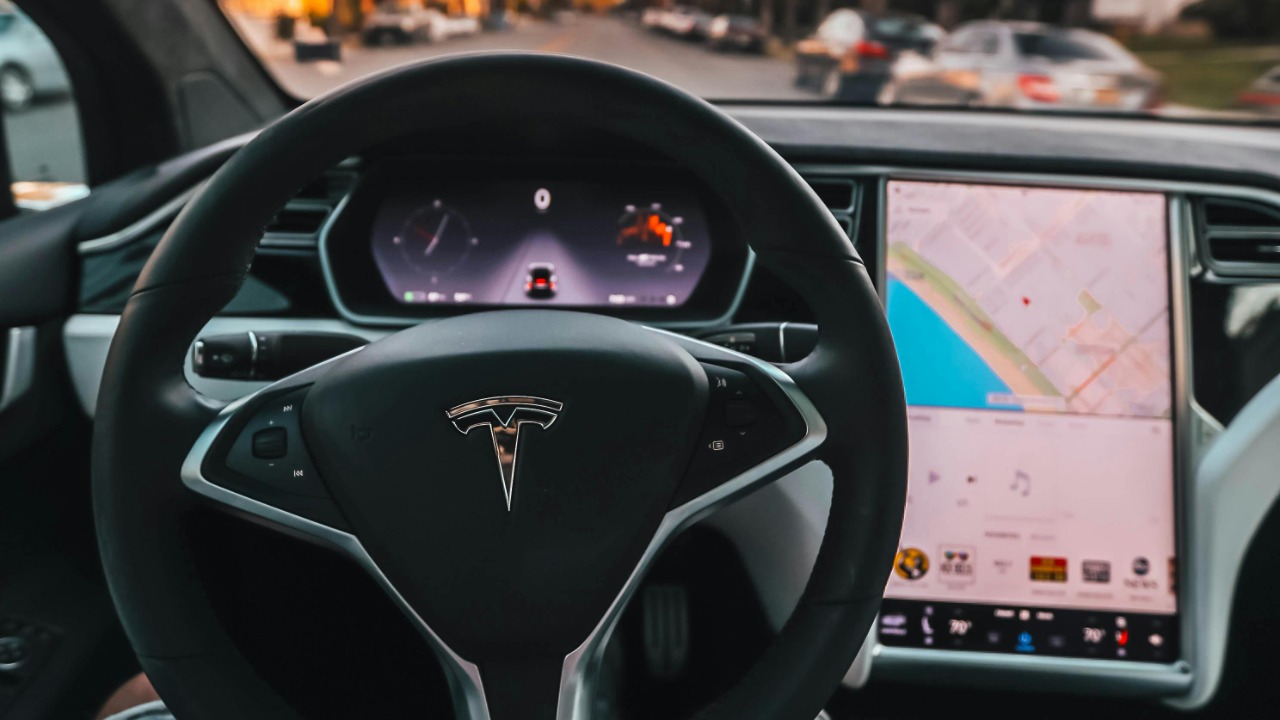

Tesla’s long running bet that bold branding could sell the future of driving has collided with a hard legal wall in California. A state judge has ruled that the company misled consumers about what its driver assistance systems can actually do and ordered the automaker to strip the “Autopilot” name from its cars in the country’s largest electric vehicle market. The decision forces Tesla to choose between dialing back its self driving rhetoric or proving that its technology truly delivers what the branding has promised for years.
What the California ruling actually demands
The core of the decision is stark: regulators in California concluded that Tesla’s marketing for Autopilot and its premium package crossed the line from optimism into deception. The judge found that the Autopilot label, along with the company’s claims about advanced features, gave drivers the impression that their vehicles could operate as autonomous cars when they still require constant human supervision. As a result, Tesla has been ordered to rename Autopilot in California and to stop describing its systems in ways that imply full self driving capability that does not exist in practice.
The ruling goes further than a simple rebranding exercise. According to detailed findings, Tesla must either abandon the Autopilot name or deliver software that actually makes its vehicles autonomous, with the judge explicitly tying the branding to real world performance. One report notes that Tesla will now have to either drop the Autopilot name or ship software to its cars that make them autonomous, or it will face escalating penalties in the state, a requirement laid out in an administrative decision that found Tesla engaged in deceptive marketing.
How California’s DMV built the false advertising case
The legal fight traces back to California’s Department of Motor Vehicles, which regulates how automakers describe automated driving features in the state. The DMV accused Tesla of overstating the capabilities of Autopilot and its premium package in advertising, website copy, and public statements, arguing that the company’s language suggested a level of autonomy that the cars did not deliver. Those accusations were rooted in consumer complaints and crash reports that painted a picture of drivers relying too heavily on the technology because they believed it was closer to self driving than it really was.
In its filings, the DMV said that Tesla’s use of terms like Autopilot and its premium branding misled buyers into thinking the systems could handle driving tasks without active human oversight, despite the company’s fine print about driver responsibility. One detailed account notes that in 2022 the DMV said Tesla’s marketing overstated the capabilities of its systems and cited consumer complaints in its accusations, a pattern that culminated in a judge finding that Tesla engaged in deceptive Autopilot marketing.
Autopilot, Full Self Driving, and the power of a name
From the beginning, Tesla treated naming as a strategic weapon in the race to define the future of mobility. Autopilot suggested an aviation style system that could largely fly the car itself, while the company’s premium package carried an even more ambitious label that implied a path to full autonomy. Over time, Tesla has adjusted that premium name, and recent reporting notes that since Dec Tesla has changed the name of its premium driver assistance option to Full Self Driving (Supervised), a shift that acknowledges the need for a human in the loop even as the company still leans on the phrase Full Self Driving in its branding.
Regulators argue that this naming strategy blurred the line between driver assistance and true autonomy in the minds of ordinary buyers. The California decision explicitly links the Autopilot and premium labels to consumer expectations, concluding that the words themselves imply capabilities the cars do not have. One analysis of the case points out that the judge agreed with the state DMV’s request to rein in how Tesla markets both Autopilot and its premium package, finding that the company’s use of terms like Full Self and Driving and Supervised did not cure the underlying problem that the names overpromise what the systems can safely do, a conclusion that underpins the finding that FSD marketing crossed into false advertising.
The 60 day clock and the threat to Tesla’s California sales
The ruling does not just criticize Tesla’s language, it sets a tight deadline for change. The company has a fixed window to bring its marketing and product naming into line with the judge’s order, or it risks losing access to one of its most important markets. Reports describe a compliance period of 60 days in which Tesla must either rename Autopilot, adjust its claims, or demonstrate that the system truly delivers the autonomy implied by its branding. That 60 day clock is now ticking, and failure to meet it could trigger serious consequences for the automaker’s California operations.
Those consequences are not theoretical. California regulators have signaled that they are prepared to halt Tesla sales in the state if the company does not comply, using their authority over dealer licenses and vehicle registrations. One account explains that California may halt Tesla sales due to what it calls false advertising in the use of the term Autopilot, with the DMV’s action threatening the company’s ability to maintain its California dealer license if it does not change course, a risk detailed in coverage of how California may halt Tesla sales.
Why the judge said Autopilot misleads ordinary drivers
At the heart of the decision is a simple question: what does an average driver think when they see the word Autopilot on a car’s spec sheet? The judge concluded that most consumers would reasonably assume that a vehicle with Autopilot can drive itself in many situations, even if the fine print says otherwise. That expectation, in the court’s view, is not supported by how Tesla’s systems actually perform, which still require constant attention, hands on the wheel, and readiness to take over at any moment.
Regulators also focused on how Tesla’s broader messaging amplified that misunderstanding. Marketing videos, website language, and public comments about future robotaxis all contributed to a perception that Autopilot and the premium package were steps away from full autonomy rather than advanced cruise control. One detailed summary notes that California’s DMV has ordered Tesla to rename Autopilot after finding that the company misled customers about self driving features, with the agency concluding that the Autopil label itself suggests capabilities that the cars do not have, a conclusion that underlies the finding that Tesla misled customers about self driving features.
Softened penalties, but a clear warning shot
While the decision is sweeping in its critique of Tesla’s marketing, California officials did temper some of the harshest proposed sanctions. The DMV adopted an administrative law judge’s findings that Tesla’s branding was deceptive, but it softened the penalties that would immediately hit the company’s bottom line. Instead of an automatic suspension of Tesla’s dealer license, regulators opted for a path that gives the automaker a chance to comply before facing a full sales shutdown, signaling both the seriousness of the violations and the state’s interest in avoiding sudden disruption for existing owners.
Even with that softer approach, the ruling still carries real teeth. One account notes that the judge initially agreed with the state DMV’s request to suspend Tesla sales for 30 days as a penalty for its actions, but the DMV ultimately chose a more measured route that still leaves that suspension on the table if Tesla fails to comply. That same reporting underscores that the DMV has faced multiple investigations into Tesla’s Autopilot technology and that the company has been scrutinized by the California Attorney General over crashes involving its systems, a backdrop that helps explain why the agency pressed for strong remedies when it concluded that Tesla engaged in deceptive marketing.
A broader pattern of legal and safety challenges
The California ruling does not exist in a vacuum, it lands amid a growing stack of legal and safety challenges tied to Tesla’s driver assistance systems. Earlier this year, a jury in Miami delivered a landmark verdict that found Tesla’s Autopilot defective in a crash case, awarding $329 m in damages to the plaintiffs. That decision, which involved a collision that occurred In September in Miami, underscored how juries are increasingly willing to hold the company accountable when Autopilot’s real world performance falls short of driver expectations, and it signaled that future product liability lawsuits against Tesla could carry significant financial risk.
The Miami case, which resulted in a $329 million award, highlighted many of the same themes that now appear in California’s regulatory findings, including questions about how Tesla describes Autopilot’s capabilities and what drivers reasonably believe the system can do. Legal analysts have pointed out that the combination of a massive civil verdict and a state level false advertising ruling could reshape how Tesla approaches both its technology roadmap and its public messaging. The Miami jury’s conclusion that Autopilot was defective, detailed in a summary of how a jury in Miami found Tesla Autopilot defective, now sits alongside California’s determination that the system’s branding misled consumers.
What Tesla must change in its marketing playbook
For Tesla, the immediate task is practical: scrub Autopilot from its California marketing materials, update in car displays and online configurators, and adjust how sales staff describe the system to prospective buyers. The company will also need to revisit how it presents its premium package, including the Full Self Driving (Supervised) label, to ensure that regulators do not view the new name as simply a fresh coat of paint on the same underlying problem. That will likely mean more explicit language about the need for driver supervision, clearer disclaimers about limitations, and a shift away from promises that the cars will soon operate as fully autonomous robotaxis.
Regulators have already signaled what they consider acceptable. One detailed account of the ruling explains that according to the decision, names like Autopilot and the premium branding imply that the cars can drive themselves, despite lacking that capability, and that the default expectation should be that any system requiring a safety monitor is marketed as driver assistance rather than autonomy. The decision notes that The de facto standard regulators want is language that emphasizes supervision, not self driving, a point underscored in coverage of how California ordered Tesla to ditch the misleading Autopilot moniker.
Why California’s move matters far beyond one state
California’s decision is likely to reverberate across the auto industry because the state has long served as a bellwether for vehicle regulation and technology adoption. If Tesla must rename Autopilot and tone down its claims in California, other states and countries may follow with similar demands, especially where regulators are already scrutinizing automated driving systems. The ruling also sends a message to rival automakers that aggressive branding around autonomy can carry real legal risk if the technology does not match the marketing, potentially nudging the entire sector toward more conservative language.
Some analysts argue that the decision could ultimately bring Tesla closer to the rest of the industry in how it talks about driver assistance. One report notes that the move would bring Tesla in line with rules that already bar other automakers from using terms that imply full autonomy when their systems still require human oversight, framing the California action as an effort to ensure that Tesla plays by the same rules as its competitors. That perspective is reflected in coverage explaining that Tesla is ordered to rename Autopilot in a way that better protects the public in the future.
How Tesla and its supporters are likely to push back
Tesla has not publicly embraced the ruling, and the company is expected to challenge at least some aspects of the decision through administrative appeals or in court. The automaker has long argued that its systems improve safety when used as directed and that it provides clear warnings about the need for driver attention. Supporters often point to the company’s over the air updates and rapid iteration as evidence that Autopilot and the premium package are constantly improving, and they warn that heavy handed regulation could slow innovation in a field that promises to reduce crashes and traffic deaths over time.
Even so, the legal record now contains a detailed finding that Tesla misled consumers in California, and that will be difficult to ignore in future disputes. One account of the case notes that a California judge ruled that Tesla misled consumers and that the DMV in California ordered the company to rename Autopilot after concluding that its marketing crossed the line into deception, a conclusion that frames the company’s expected pushback as an uphill battle. That same reporting emphasizes that Californi regulators see the decision as a necessary step to protect drivers from over relying on technology that still needs human oversight, a stance captured in coverage of how a California judge ruled Tesla misled consumers.
The end of “Autopilot” and the next chapter for driver assistance
Whatever name Tesla chooses next, the Autopilot era in California is drawing to a close. The company built a powerful brand around the idea that its cars were on the cusp of driving themselves, and that narrative helped fuel its rise as the dominant electric vehicle maker in the United States. Now, regulators are forcing a reset that could reshape not only how Tesla markets its technology, but also how drivers think about the relationship between human and machine on the road.
Other states will be watching closely to see how Tesla responds and whether the company’s changes reduce confusion and crashes tied to misuse of driver assistance systems. One account of the ruling notes that California just handed Tesla a choice between proving that Autopilot is actually autonomous in California or facing the loss of its California dealer license, a stark reminder that branding cannot outrun reality forever. That framing, detailed in coverage of how Tesla has to rename Autopilot because it does not drive itself, captures the broader shift now underway: the future of self driving will be judged not by slogans, but by what the technology can safely deliver on real roads.
A turning point for consumer protection in the EV era
The Autopilot ruling also marks a broader turning point in how regulators approach high tech promises in the electric vehicle market. For years, agencies largely allowed companies to experiment with bold claims about autonomy, trusting that disclaimers and user manuals would keep expectations in check. California’s decision signals a more assertive posture, one that treats naming and marketing as central to safety rather than peripheral, and that holds companies accountable when their branding invites misuse of complex systems.
That shift is evident in how officials describe the case. One detailed account explains that The DMV adopted an administrative law judge’s findings but softened some penalties, while still insisting that Tesla change its Autopilot branding and related marketing to avoid implying that the cars can operate as autonomous software without a safety monitor. Another report notes that Tesla is ordered to rename Autopilot after a California judge ruled that the EV maker misled consumers, with California regulators framing the move as a necessary correction rather than an attack on innovation, a stance reflected in coverage of how The DMV ordered Tesla to rename Autopilot and in a separate account explaining that Tesla is ordered to rename Autopilot after a California judge ruled that the EV maker misled its customers.
More from MorningOverview