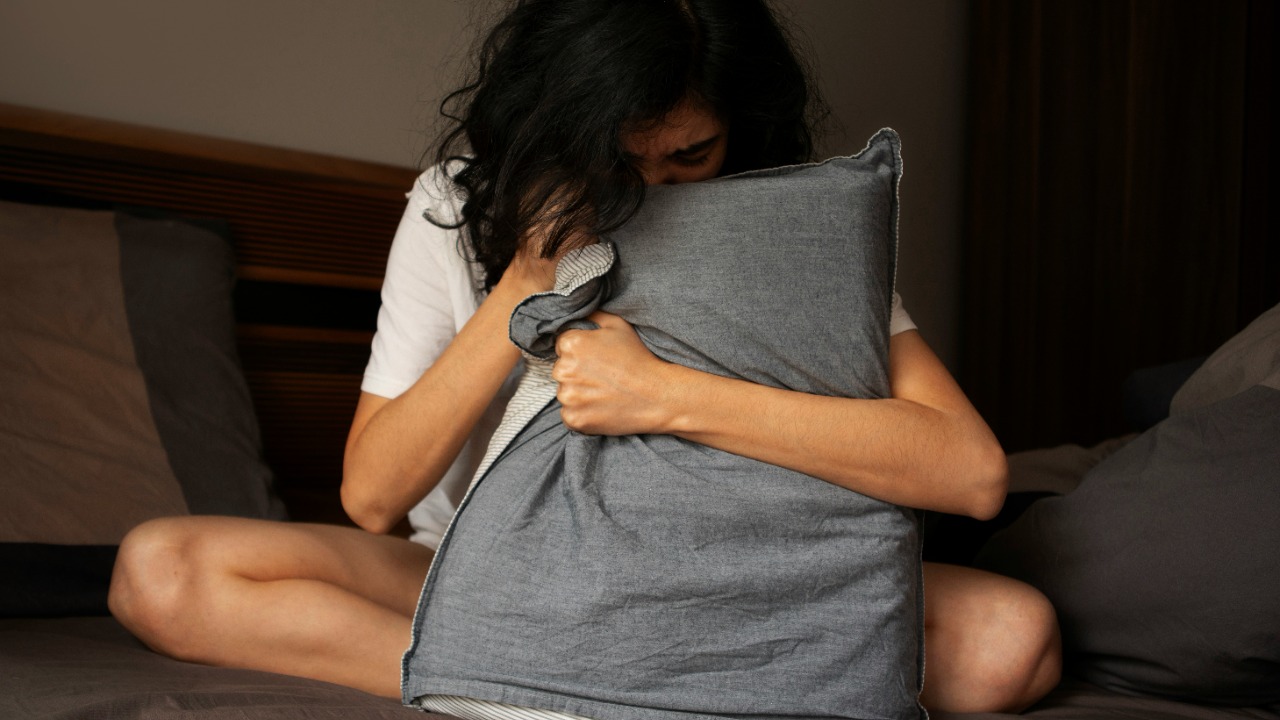

Stress and broken sleep do not just leave people groggy, they quietly chip away at the very immune cells that keep infections and cancers in check. A growing body of research now shows that chronic anxiety, insomnia and irregular nights can thin out key defenders in the bloodstream, while stoking inflammation that makes the body more vulnerable to disease. The damage builds slowly, but over months and years it can reshape how the immune system responds to every virus, vaccine and wound.
Scientists are beginning to map this erosion in detail, from the way stress hormones blunt natural killer cells to how circadian rhythms choreograph nightly immune repairs. The emerging picture is stark: the combination of psychological strain and poor sleep is not a lifestyle nuisance, it is a biological threat that can hollow out immunity long before serious illness appears.
When anxiety and insomnia weaken the body’s defenses
People who live with persistent worry and sleepless nights are not just tired, they are immunologically exposed. Recent work on Insomnia and anxiety shows that people with anxiety or related symptoms, including chronic sleep problems, tend to have a weaker immune profile, with measurable changes in circulating cells that normally patrol for infection and malignancy. Instead of mounting a swift, balanced response, their immune systems look blunted in some areas and overactive in others, a pattern that can leave them more prone to both everyday colds and longer term inflammatory disease.
In that research, People with significant anxiety and insomnia showed sharper drops in specific immune cell populations than peers who slept soundly, suggesting that mental strain and disrupted nights act together rather than separately. The findings echo broader evidence that psychological stress reshapes immunity, but they add a crucial detail: the damage is not abstract, it is visible in the numbers and types of cells circulating in the blood. As I see it, that makes anxiety and insomnia less like background noise and more like a slow leak in the body’s security system, one that can go unnoticed until a serious infection or diagnosis forces it into view. To understand how that leak forms, it helps to look closely at the immune cells most affected.
The quiet loss of natural killer cells
Among the most striking changes linked to anxious, sleepless living is a drop in natural killer cells, the immune system’s rapid response squad. These cells are built to recognize and destroy virus infected cells and emerging tumor cells before they can spread, acting as a first line of defense while slower, antibody based responses spool up. According to work highlighted under Lifestyle Measures and the Impact of Stress, chronic anxiety and insomnia are linked to sharp drops in these key immune cells, especially the circulating types responsible for destroying abnormal targets.
That same research notes that Natural killer cells act as the immune system’s rapid response team, so losing them is not a minor fluctuation, it is a structural weakening of frontline defense. When stress and sleeplessness thin out this population, the body may struggle to clear early viral infections or to keep microscopic tumors from gaining a foothold, increasing the risk of illness over time. From my perspective, that makes every stretch of anxious, fractured sleep a kind of silent budget cut to the immune system, trimming back the very units that are supposed to respond first when something goes wrong.
How chronic stress rewires immunity
Behind these cellular shifts sits a familiar culprit: chronic stress that never fully lets up. Physiologically, long running stress keeps hormones like cortisol and adrenaline elevated, which can initially boost certain immune functions but, over time, start to suppress and distort them. As one clinical overview puts it, Jul explains that we all deal with stress now and then, but when it becomes chronic it can do much more than make a person feel overwhelmed, it can directly impair the body’s defense system, the immune system.
In practice, that means chronic stress can reduce the production and effectiveness of lymphocytes, the white blood cells that help fight off infections, while simultaneously increasing inflammatory signaling that damages tissues. Over months and years, this pattern can leave someone more susceptible to infections and slower to recover, even if they appear outwardly functional. I see this as the biological counterpart to burnout: just as a person’s mental reserves are drained by unrelenting pressure, their immune reserves are quietly depleted by the same forces, especially when stress is paired with poor sleep.
Sleep as the nightly repair shift for immune cells
Sleep is not passive downtime, it is when the immune system runs some of its most intricate maintenance routines. During deep sleep, immune cells migrate, communicate and reset in ways that are hard to replicate while a person is awake and exposed to constant stimuli. Research on circadian biology notes that Jun describes how circadian rhythms coordinate sleep to occur at the optimal time of the biological night, aligning sleep architecture with processes of recovery and immune regulation.
When those rhythms are intact, the body times the release of hormones and cytokines so that immune cells can proliferate, patrol tissues and clear debris with minimal interference. Disrupting that schedule with late nights, shift work or frequent time zone changes can throw off the choreography, leaving immune cells out of sync with the signals that guide them. From my vantage point, that misalignment is one reason irregular sleepers often feel both wired and unwell, their brains pushing through fatigue while their immune systems miss the nightly window to repair and recalibrate.
What happens to immunity when sleep is cut short
Cutting sleep short does more than make mornings miserable, it measurably weakens the body’s ability to fend off infection. Clinical explanations of how poor sleep affects health note that Jan details how poor sleep can affect immunity by reducing the production of protective cytokines and infection fighting antibodies, which are normally released during quality sleep. In other words, the body produces fewer of the very molecules that help reduce susceptibility to infectious illnesses when nights are consistently short or fragmented.
Even a single night without proper rest can leave a mark. Experimental work summarized under Feb shows that One day of sleep deprivation can alter your immune system and increase inflammation, with New research revealing insight into how even brief sleep loss can shift inflammatory markers linked to conditions like type 2 diabetes and cardiovascular diseases. To me, that underscores how sensitive the immune system is to nightly rhythms: it does not take weeks of insomnia to see changes, a single all nighter can tilt the balance toward inflammation and away from efficient defense.
Inflammation, fatigue and the paradox of “tired but wired”
People who skimp on sleep often describe feeling both exhausted and strangely keyed up, a paradox that makes more sense when you look at their immune profile. Chronic sleep loss tends to increase certain inflammatory cells and signaling molecules, which can leave the body in a low grade state of alarm. One analysis of workplace health notes that How sleep loss increases the number of certain inflammatory cells while reducing others that help provide a well balanced response, a shift that can leave people feeling more tired and sluggish even as their bodies run hot with inflammation.
That imbalance helps explain why chronic poor sleepers often report muscle aches, brain fog and a sense of being run down without a clear diagnosis. Their immune systems are not simply weaker, they are miscalibrated, overreacting in some ways and underreacting in others. From my perspective, this is one of the most insidious effects of stress and bad sleep: it creates a background hum of inflammation that erodes energy and resilience, making it harder to exercise, eat well or keep regular routines, all of which are needed to restore healthier immune balance.
Stress hormones, circadian clocks and the erosion of immune cells
The link between stress, sleep and immune cell loss runs through two intertwined systems: stress hormones and circadian clocks. When anxiety is high, the body releases cortisol in patterns that can flatten the normal day night rhythm, keeping levels elevated into the evening when they should be falling. That hormonal noise disrupts the signals that tell immune cells when to circulate, when to rest in lymph nodes and when to proliferate. Over time, this can contribute to the thinning of vital cell populations that researchers have documented in anxious, sleep deprived people, including the natural killer cells highlighted in Stress and Sleepless Nights Quietly Strip Away Vital Immune Cells.
That same work on Immune Function notes that Anxiety and Insomnia can prevent the immune system from functioning properly, increasing vulnerability to disease. In practical terms, that means the combination of mental strain and disrupted sleep does not just change how people feel, it changes how their bodies respond to every pathogen they encounter. I see this as a kind of double exposure: stress distorts the hormonal environment, while circadian disruption scrambles the timing of immune activity, together eroding the very cells that should be most vigilant.
From nightly neglect to long term health risks
Left unchecked, the erosion of immune cells and the rise of chronic inflammation can feed into more serious health problems over time. Analyses of long term sleep habits warn that Jul highlights how Sleep is not just downtime for the brain, it is when the immune system does its most critical work, and During de, or during deep sleep, the body carries out repairs that help prevent chronic diseases. When that window is repeatedly cut short, the risk of conditions like cardiovascular disease, metabolic disorders and even some cancers appears to climb.
Other health focused reviews echo this concern, noting that as people navigate busy lives, sleep often takes a backseat to work, social commitments and endless digital distractions. One overview framed as a Table of Contents on whether lack of sleep can cause a weak immune system points out that chronic sleep deprivation can impair immune memory, reduce vaccine effectiveness and increase susceptibility to infections. From my standpoint, these long term risks are the logical endpoint of the nightly cell losses and hormonal disruptions described earlier: if the immune system is never given the time and conditions it needs to recover, its ability to protect the body will inevitably fray.
Why even small improvements in sleep and stress matter
The good news is that the same systems that make the immune response vulnerable to stress and bad sleep also make it responsive to even modest improvements. Studies on Immunity and lifestyle suggest that Previous research points to healthy habits, including consistent sleep schedules, physical activity and stress reduction techniques, as ways to support natural killer cell levels and overall immune balance. While the exact gains vary from person to person, the direction is clear: better nights and lower stress can help restore some of the immune capacity that chronic strain has eroded.
In practical terms, that might mean protecting a regular sleep window, dimming screens an hour before bed, or using tools like cognitive behavioral therapy for insomnia to break the cycle of anxious wakefulness. It might also mean treating stress management as a core health behavior rather than an optional extra, on par with diet and exercise. From my perspective, the science on stress, sleep and immune cells offers a simple but powerful takeaway: every night of decent rest and every step that eases chronic anxiety is not just a mental health win, it is a quiet investment in the immune system’s ability to keep the body safe.
Supporting sources: Insomnia and anxiety come with a weaker immune system.
More from MorningOverview