
The 1990s were a strange split-screen decade for American cars, with minivans and SUVs taking over driveways while a handful of brutal performance machines kept the muscle-car dream alive. At the top of that food chain sat one machine that combined raw numbers with cultural impact so completely that it still defines the era’s idea of power. The most powerful car in America in the ’90s did not just win a spec-sheet contest, it rewrote what an American performance car could be and forced rivals, fans, and regulators to react.
Sorting out that crown means looking beyond nostalgia and straight-line bragging rights to the mix of horsepower, engineering, and mythology that surrounded the decade’s wildest machinery. When I trace that story through the numbers and the way enthusiasts still talk about these cars, one name keeps surfacing as the purest expression of 1990s American power, even as another, more obscure monster quietly held the ultimate output figure.
Defining “most powerful” in a decade of excess
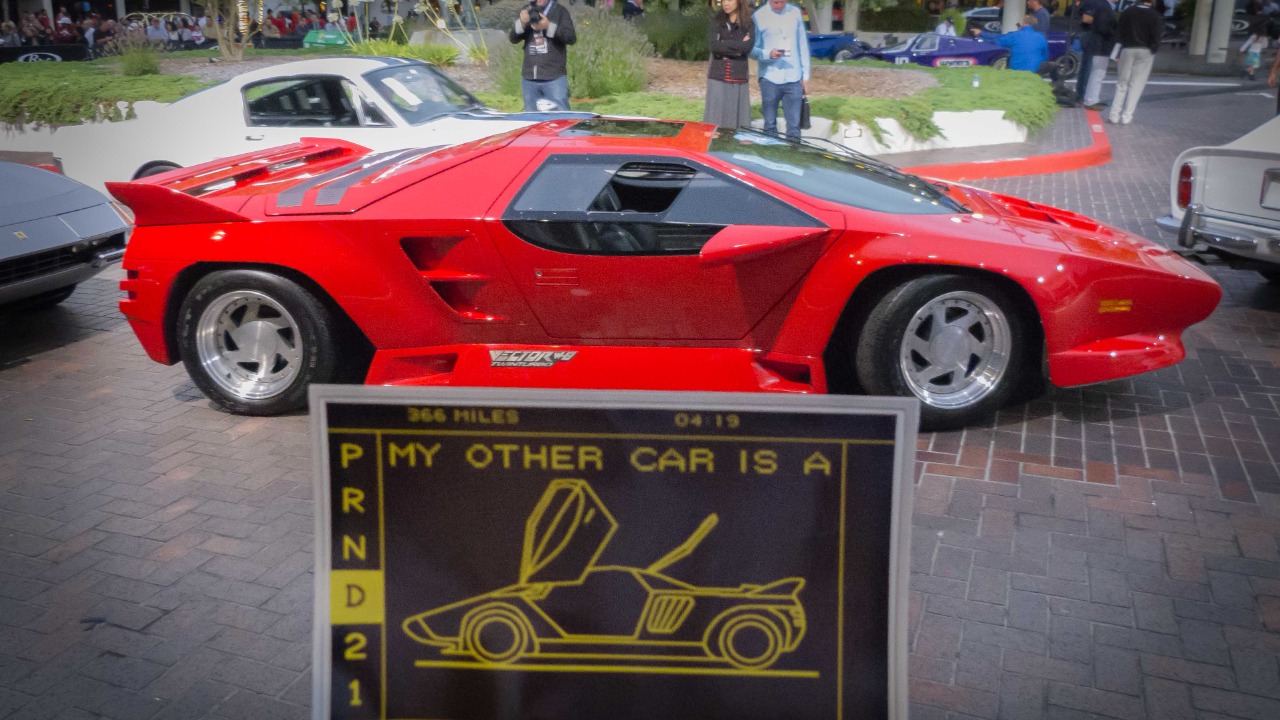
Before I can name a single car, I have to be clear about what “most powerful” actually means in the context of the 1990s. On paper, it is a simple horsepower race, the kind of list that puts a 1990 Vector W8 with its quoted 625 output at the top of any American ranking. That figure is staggering even by modern standards, and it shows how far some boutique builders were willing to push turbocharged V8s at the dawn of the decade. If I were judging purely by the dyno, the Vector would walk away with the trophy.
Yet power in the 1990s was also about accessibility and influence, not just peak numbers. A car that existed in tiny numbers, cost supercar money, and rarely appeared outside posters and magazine spreads did not shape American performance culture the way a more attainable, widely discussed machine could. When I weigh that broader definition, I look for a car that combined serious output with a production footprint big enough to matter, a presence in mainstream conversation, and a clear impact on how other manufacturers approached performance. That is where the story shifts from the Vector’s headline figure to a very different kind of American brute.
The Second-Gen Dodge Viper GTS steps into the spotlight
By the middle of the decade, the Second-Gen Dodge Viper GTS had become the shorthand for American excess on four wheels, and it did so with an unapologetically old-school formula. The car’s massive V10, detailed in period coverage as the centerpiece of its Engine and Outpu specs, delivered towering power without the crutch of all-wheel drive or electronic safety nets. In an era when many performance cars were edging toward refinement, the Viper doubled down on displacement and mechanical grip, turning its raw numbers into a visceral experience that owners and journalists could not ignore. The Second-Gen Dodge Viper GTS Was The Most Powerful American Car in the eyes of many enthusiasts because it married that output with a recognizable badge and a presence on streets, tracks, and television.
What set the GTS apart was not just that it made big power, but that it did so in a package that felt purpose-built for speed above all else. The coupe body, the revised suspension system, and the relentless focus on straight-line and corner-exit acceleration made it clear that this was not a grand tourer dressed up as a sports car. When I compare it with other American performance machines of the decade, the Viper’s combination of headline figures and real-world visibility explains why it is so often cited as the definitive 1990s powerhouse, even if a niche car like the Vector W8 could claim a higher absolute number on a spec sheet.
How the first Dodge Viper Gen 1 set the stage
The Second-Gen car did not appear in a vacuum, and its dominance makes more sense when I look back at the original Dodge Viper Gen 1. Introduced in 1992, the first Viper arrived as a barely civilized roadster that prioritized speed over comfort, a philosophy that would carry straight into the GTS. Contemporary accounts describe how the Dodge Viper Gen 1 focused on straight speed, with a 0 to 60 mph time of 4.6 seconds that put it in rare company among American cars of the period. That figure, highlighted in shipping and enthusiast guides that list the Dodge Viper Gen as a defining 1990s American performance car, shows how aggressively the brand was willing to chase acceleration.
By the time the Second-Gen Dodge Viper GTS arrived, that foundation allowed engineers to push harder on power and handling without diluting the car’s identity. The Viper’s reputation for brutal straight-line performance meant that any increase in output would be noticed and celebrated, and the GTS delivered exactly that. When I connect the dots between the early roadster’s 4.6 second sprint and the later coupe’s status as the most powerful American car of its era in mainstream consciousness, it becomes clear that the Gen 1 car did the heavy lifting in establishing the Viper as a legitimate rival to European exotics, paving the way for the GTS to claim the power crown in the public imagination.
Where the Vector W8 fits in the power hierarchy
No honest look at 1990s American power can ignore the 1990 Vector W8, a car that still reads like a science-fiction project on paper. Its quoted Vector figure of 625 horsepower put it ahead of almost anything else wearing American plates at the time, and it did so with a twin-turbocharged V8 that anticipated the forced-induction arms race of later decades. When I look strictly at output, the Vector W8 sits at the top of the American pile, and any claim about the most powerful car of the decade has to acknowledge that reality.
Yet the Vector’s story also illustrates why raw numbers do not always translate into cultural dominance. Built in tiny quantities and priced far beyond the reach of typical enthusiasts, the W8 never had the showroom presence or motorsport footprint that would have turned its 625 horsepower into a widely felt benchmark. Lists that invite readers to Keep reading about the most powerful American cars of the 1990s rightly place it at the top in terms of output, but when I weigh influence, the Vector feels more like an exotic outlier than the car that ruled American performance culture. In that sense, it shares more DNA with obscure European hypercars than with the Viper that enthusiasts actually saw and heard on local roads.
Global context: the 1990s supercar arms race
To understand why the Viper GTS and Vector W8 mattered, I have to place them against the global backdrop of 1990s performance. This was the decade when European and Japanese manufacturers were locked in a top-speed and technology war, producing machines that pushed far beyond traditional sports-car limits. At the very top of that pyramid sat the McLaren F1, a car that combined a naturally aspirated V12 with obsessive weight-saving to reach a verified Top Speed of 240 m according to detailed rankings of The Fastest Cars From The 1990s. That same data notes the car’s 6.1 liter engine, a reminder that displacement and revs could still compete with forced induction when paired with cutting-edge engineering.
In that environment, American cars like the Viper and Vector were not chasing absolute top-speed records so much as carving out a different niche. They offered massive torque, relatively simple mechanical layouts, and a kind of analog brutality that contrasted sharply with the high-tech approach of European exotics. When I compare the Viper’s focus on raw acceleration and the Vector’s turbocharged punch with the McLaren F1’s 240 m top speed and 6.1 liter sophistication, I see two parallel visions of 1990s power. One prioritized all-out velocity and engineering finesse, the other leaned into accessible drama and straight-line shock value. The fact that American cars could hold their own in this global conversation, even without matching the very highest speeds, is part of what made the Viper GTS feel so significant at home.
Forgotten benchmarks: Jaguar XJR-15 and the European shadow
Another way to gauge the Viper’s impact is to look at how some European contemporaries have faded from mainstream memory despite impressive credentials. The Jaguar XJR-15, built between 1990 and 1992, is a prime example. Aside from die-hard Jaguar fans, most people assume that the XJ220 was the only supercar this marque produced in that era, yet detailed retrospectives argue that the Jaguar XJR was actually the pinnacle of 1990s supercars for the brand. The XJR-15’s racing pedigree and limited production should have cemented its legend, yet it remains a niche reference point even among enthusiasts.
When I set that obscurity against the enduring recognition of the Viper GTS, it underscores how visibility and narrative can matter as much as engineering. The Jaguar XJR-15 shared the stage with icons like the McLaren F1 and the XJ220, which may have diluted its individual story, while the Viper had the American performance spotlight largely to itself. The fact that a car as serious as the XJR-15 can be described as something everyone forgot, while the Viper still appears in lists of top American cars and most powerful 1990s machines, reinforces the idea that the Dodge’s rule was as much about occupying cultural space as it was about dyno charts.
Why the Viper GTS, not the Vector, ruled American streets
When I weigh all of this, I come back to a simple distinction: the Vector W8 may have been the most powerful American car of the 1990s in strict numerical terms, but the Second-Gen Dodge Viper GTS was the car that actually ruled the decade’s American performance landscape. The Viper’s combination of a massive V10, a focus on driver involvement, and a production run large enough to put it in front of ordinary enthusiasts gave it a presence that the Vector never matched. Lists that single out the Second-Gen Dodge Viper GTS as the most powerful 90s American car in practical, showroom terms capture that reality, even as they acknowledge that boutique outliers existed at the fringes.
On the street and at track days, the Viper GTS became the benchmark that other American performance cars were measured against. Owners of tuned Corvettes and Mustangs talked about “Viper power” as a target, not “Vector power,” because the Dodge was the car they actually encountered at local events and in magazine comparison tests. When I consider how often the Viper appears in shipping guides, enthusiast rankings, and nostalgic top-ten lists of American 1990s cars, it is clear that it shaped expectations in a way the Vector never did. That is why, even with the 625 horsepower figure looming in the background, the Viper GTS feels like the rightful ruler of 1990s American performance in the real world.
How 1990s power still shapes American performance today
The legacy of that 1990s power race is still visible in the way modern American performance cars are engineered and marketed. Manufacturers continue to chase big output numbers, but they also understand that a car’s story and accessibility matter if it is going to leave a mark. The template set by the Viper GTS, where a high-output engine is paired with a relatively unfiltered driving experience and a price point that, while high, is not completely out of reach for dedicated enthusiasts, can be seen in later American machines that prioritize drama over pure refinement. The Vector W8’s path, by contrast, serves as a cautionary tale about how even extreme power can fade into obscurity if it is not backed by a broader ecosystem of owners, events, and media coverage.
Looking back at the 1990s through that lens, I see a decade where American performance found a new identity that balanced raw numbers with cultural resonance. The Second-Gen Dodge Viper GTS stood at the center of that shift, translating its Engine and Outpu figures into a kind of everyday legend, while cars like the 1990 Vector W8 and the Jaguar XJR-15 showed how easily even spectacular machines can slip into the margins without that same connection. The fact that enthusiasts still debate which car was truly the most powerful, and still reference rankings of The Fastest Cars From The 1990s and lists of the most powerful American machines, is proof that the era’s obsession with power continues to shape how I, and many others, think about what makes a car truly rule its time.
More from MorningOverview