
Longevity medicine is full of bold promises, but one specialist has put hard numbers behind his own routine. Dr. Kurt Hong, a physician who focuses on nutrition and aging, says testing shows his biological age is 11 years younger than his chronological age, and he credits a handful of daily habits rather than extreme biohacking. His approach centers on three simple pillars: how he eats, how he moves, and how he manages key nutrients and recovery.
Instead of chasing fads, Hong leans on patterns that are well supported by research on cardiovascular health, metabolic resilience, and healthy aging. I looked at what he actually does every day, how those choices fit into the broader science of longevity, and what parts of his routine are realistically adaptable for people who are not full‑time health experts.
Who Kurt Hong is and what “11 years younger” really means
Before copying anyone’s routine, it helps to know who they are and what kind of evidence they are working from. Kurt Hong is described as a longevity and nutrition specialist, a professor who focuses on metabolic health and aging, and someone who has spent his career treating patients with chronic conditions while studying how lifestyle affects long‑term disease risk. At age 52, he reports that his lab results and aging biomarkers suggest his body is functioning more like that of someone in their early forties.
When Hong says he has “reversed” his biological age by 11 years, he is talking about composite measures that estimate how quickly the body is aging based on blood markers, metabolic function, and sometimes DNA methylation patterns. In coverage of his work, he is described as having “reversed over 10 years of aging,” language that reflects a shift in these biomarker scores rather than a literal time machine. In one profile, Longevity expert Kurt Hong is explicit that these tests are tools, not magic, and that the real goal is lowering the risk of conditions like diabetes, heart disease, and frailty.
Why biological age matters more than the birthday on your ID
Chronological age is simple math, but biological age is an attempt to capture how worn or resilient your body actually is. Clinicians like Hong look at markers such as blood pressure, cholesterol, inflammation, insulin sensitivity, and sometimes epigenetic signatures to estimate whether a person’s tissues and organs are aging faster or slower than average. A 52‑year‑old with low inflammation, strong cardiovascular fitness, and stable blood sugar can test closer to someone in their early forties, while another 52‑year‑old with uncontrolled hypertension and insulin resistance might look more like someone in their sixties.
Hong’s claim that he has rolled back his biological age by 11 years is striking because it suggests that lifestyle changes can shift these markers in a meaningful way, not just by a point or two. In reports on his routine, he is described as a professor specializing in metabolic health who has “reversed over 10 years of aging,” which underscores that this is not a one‑off lab quirk but a pattern across multiple indicators. At the same time, he and other experts caution that biological age tests are estimates, useful for tracking trends over time rather than as a single definitive score, and that the real value lies in how they guide sustainable habits rather than short‑term stunts.
Habit 1: A Mediterranean‑style diet built around plants and healthy fats
The first pillar of Hong’s daily routine is what he eats, and here he is remarkably traditional. He follows a Mediterranean‑style pattern that emphasizes vegetables, fruits, whole grains, legumes, nuts, olive oil, and modest portions of fish and lean protein. Instead of counting every calorie, he focuses on food quality and balance, using meals built around fiber and healthy fats to keep blood sugar steady and reduce chronic inflammation. Reports on his regimen note that Hong follows a Mediterranean diet and treats it as a long‑term lifestyle rather than a short cleanse.
That choice lines up with decades of data linking Mediterranean eating patterns to lower rates of cardiovascular disease, better cognitive aging, and reduced mortality. For someone focused on biological age, the appeal is obvious: this way of eating tends to improve lipid profiles, reduce visceral fat, and support a healthier gut microbiome, all of which feed into the biomarker panels used to estimate aging. Hong’s approach also avoids the extremes of many modern “longevity” diets, such as severe carb restriction or constant fasting, which can be hard to sustain and may not be appropriate for everyone. Instead, he leans on a pattern that is flexible enough to fit family meals and social life, which is crucial if the goal is to keep doing it for decades.
Habit 2: Daily movement that mixes cardio, strength, and consistency
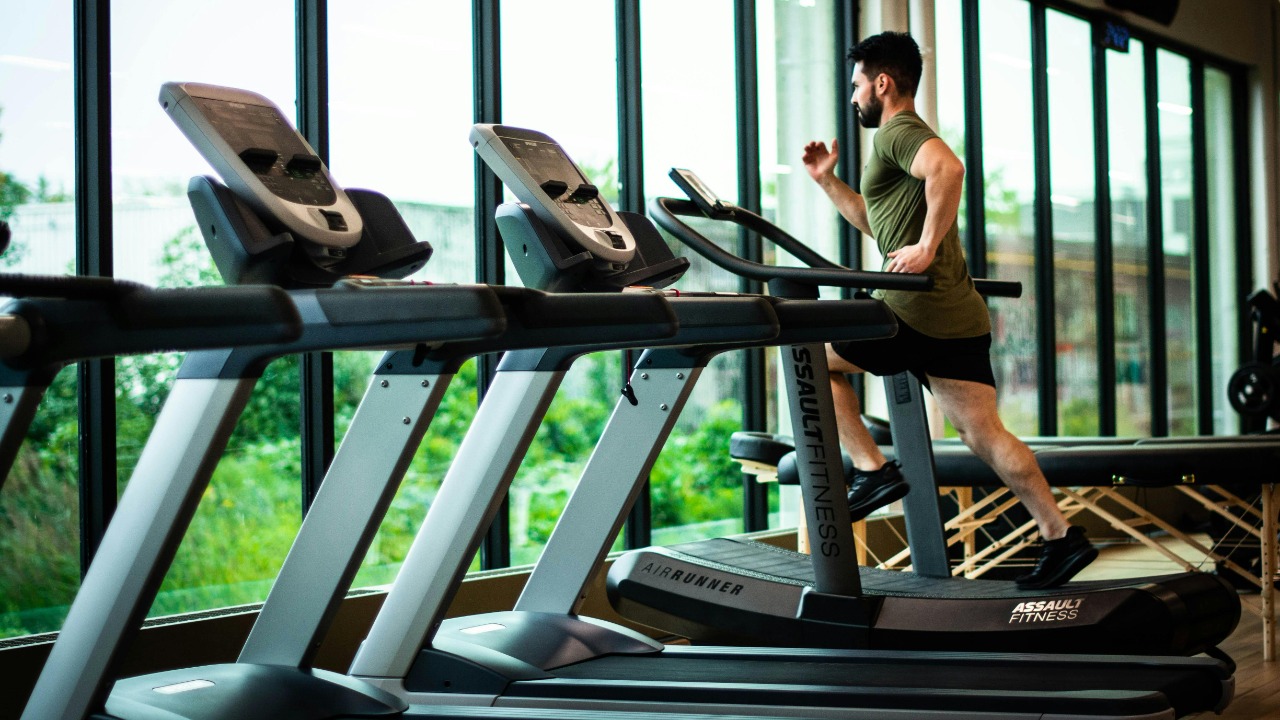
The second habit Hong highlights is not a specific workout trend but the simple fact that he moves his body every day. He prioritizes a mix of cardiovascular exercise and strength training, aiming to protect both his heart and his muscle mass as he ages. In accounts of his routine, he is described as someone who builds regular activity into his schedule rather than relying on occasional intense sessions, a strategy that aligns with evidence showing that total weekly movement and consistency matter more than any single heroic workout.
For biological age, this kind of exercise pattern is powerful. Cardio improves VO2 max, a strong predictor of longevity, while resistance training helps preserve lean muscle and bone density, which are critical for staying independent in later life. Hong’s emphasis on daily movement also reflects what he sees in patients: long stretches of sitting with “no exercise” correlate with worse metabolic markers and faster functional decline. By contrast, people who treat activity like brushing their teeth, a non‑negotiable part of the day, tend to maintain healthier blood pressure, better insulin sensitivity, and more favorable aging profiles over time.
Habit 3: Vitamin D, sleep, and other quiet levers of recovery
The third daily habit in Hong’s toolkit is less visible than a plate of food or a workout, but he treats it as just as important. He pays close attention to key nutrients and recovery, particularly vitamin D and sleep. In one account, he notes that his own testing showed his vitamin D levels were low, so he supplements to bring them into an optimal range. That is consistent with his view that vitamin D helps the body absorb calcium, supports the immune system, and may influence cancer risk, which is why he treats it as a daily priority rather than an afterthought. Coverage of his regimen highlights that Vitamin D is one of the specific levers he adjusts based on lab results.
Sleep is the other quiet cornerstone. Hong emphasizes getting enough high‑quality rest to allow the brain and body to repair, consolidate memories, and regulate hormones that control appetite and stress. Poor sleep is linked to higher cortisol, increased insulin resistance, and more systemic inflammation, all of which can push biological age in the wrong direction. By treating sleep and targeted supplementation as non‑negotiable, he is effectively working on the “recovery” side of the longevity equation, making sure that the benefits of his diet and exercise are not undermined by chronic sleep debt or unaddressed nutrient gaps.
How Hong’s routine fits into the broader longevity playbook
What stands out about Hong’s three daily habits is how unflashy they are compared with the more theatrical side of the longevity world. There are no cryotherapy chambers, exotic peptides, or experimental gene therapies in the core of his routine. Instead, he leans on a Mediterranean‑style diet, consistent movement, and careful attention to vitamin D and sleep, all of which are supported by mainstream research on healthy aging. In profiles of his work, he is presented as a clinician who has “reversed over 10 years of aging” by leading a healthy lifestyle rather than by chasing every new gadget.
That does not mean his approach is casual. Hong uses lab testing to personalize his choices, adjusting things like vitamin D dosage when his levels are low and tracking biomarkers to see how his habits are affecting his biological age. One detailed account notes that Dr. Kurt Hong structures his day around these pillars and uses them to guide his advice to patients who want to “eat for a longer life.” In that sense, his routine is both conservative and data‑driven, grounded in well‑established principles but fine‑tuned with modern diagnostics.
What is realistically transferable to an ordinary person’s day
Hong’s life as a longevity specialist gives him advantages that many people do not have, including easy access to advanced testing and a professional incentive to live his own advice. Still, the core of his routine is surprisingly accessible. Most people can move toward a Mediterranean‑style pattern by making incremental swaps, such as replacing processed snacks with nuts and fruit, choosing olive oil over butter, and building dinners around beans, vegetables, and fish instead of red meat. The key is consistency, not perfection, and Hong’s example shows that long‑term patterns matter more than occasional indulgences.
On the movement side, his emphasis on daily activity can be translated into practical steps like walking or cycling for transport, using a standing desk for part of the day, and scheduling two or three short strength sessions each week using bodyweight exercises or simple equipment like resistance bands. For vitamin D and sleep, the transferable lesson is to measure and prioritize rather than guess. Getting a blood test to check vitamin D, then supplementing if needed under medical guidance, is far more targeted than taking random pills. Likewise, setting a consistent bedtime, limiting late‑night screen time, and treating sleep as a health appointment rather than optional downtime can move the needle on recovery in the same direction Hong is aiming for.
The role of media, motivation, and “Follow Kim Schewitz”‑style storytelling
Stories like Hong’s do not spread on their own; they are shaped by how journalists frame them and how readers interpret them. In one widely shared profile, readers are invited to Follow Kim Schewitz, the reporter who chronicled his habits, with the promise that “Every time Kim publishes a story, you’ll get an alert straight to your inbox.” That kind of framing turns Hong’s routine into an ongoing narrative, where each new detail about his diet, exercise, or lab results becomes part of a broader conversation about how to age better.
There is a motivational upside to that storytelling. Seeing a 52‑year‑old clinician like Hong report an 11‑year gap between his chronological and biological ages can inspire readers to take their own habits more seriously. At the same time, it is important not to treat his numbers as a universal benchmark or to assume that copying his routine will produce identical results. Genetics, early‑life exposures, existing health conditions, and socioeconomic factors all shape how any given body responds to lifestyle changes. The most constructive way to use stories like his is as a menu of evidence‑backed options rather than as a rigid script.
Why the “3 daily habits” frame resonates so strongly
There is a reason headlines about “3 things he does every day” or “simple habits that reversed 11 years of aging” are so sticky. They promise clarity in a field that often feels overwhelming, boiling down complex physiology into a small set of actionable steps. In Hong’s case, the three habits are not arbitrary; they map onto three major levers of aging biology: nutrition, physical activity, and recovery. Each of those domains influences multiple downstream systems, from cardiovascular health and insulin sensitivity to immune function and brain resilience.
At the same time, the “three habits” frame can obscure the nuance behind his results. For example, when one report notes that Here are the 3 things he does every day to stay healthy for longer, it compresses years of experimentation, medical training, and patient care into a tidy list. The real lesson is not that there are exactly three magic behaviors, but that a small number of well‑chosen, consistently applied habits can have outsized effects on how the body ages. For readers, the challenge is to identify which specific changes will be most impactful and sustainable in their own context, then commit to them with the same steadiness Hong brings to his routine.
More from MorningOverview